
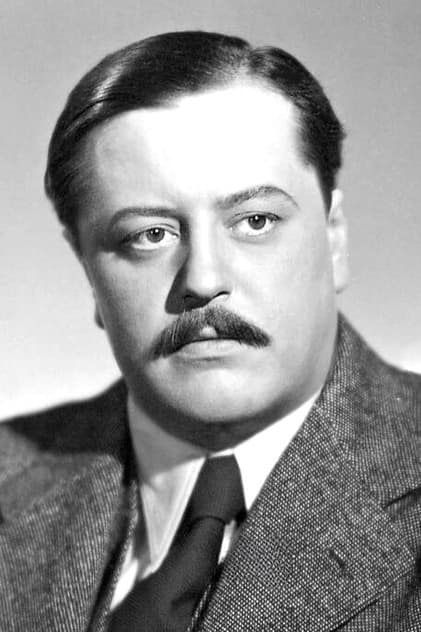
Paul Dahlke
Acting
Biography
No biography available for Paul Dahlke.
Born: April 12, 1904
Place of Birth: Köslin, Pomerania, Germany [now Koszalin, Zachodniopomorskie, Poland]
Known For

Rebel Flight to Cuba
Peter escapes a firing squad and leaves the island of San Quinto on a commercial flight to Bermuda. The plane is hijacked by a Nazi and San Quinto's Ex-General Cordobas who shoot pilot Pink and damage the landing gear of the plane.

Once I Will Return
A millionaire returns from the United States to his native Dubrovnik.
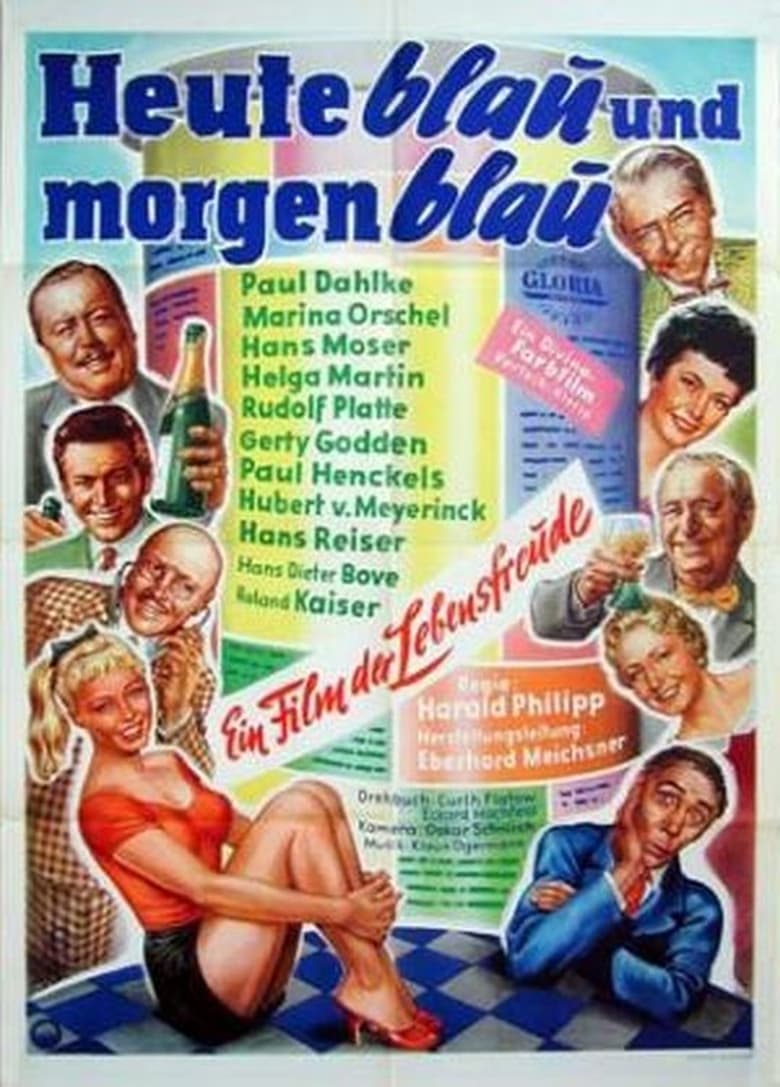
Heute blau und morgen blau
Hugo Bunzel, a caring father and town councillor in the tranquil town of Lieberich, is a self-confessed teetotaller and, as such, president of the Association for Combating Drunkenness. He is blindsided when he learns that he will inherit a fortune worth millions - but only on condition that he drinks three bottles of champagne a day for a month. A tough test, which Bunzel initially submits to with great reluctance, but soon becomes more and more cheerful, regardless of the entanglements around him...
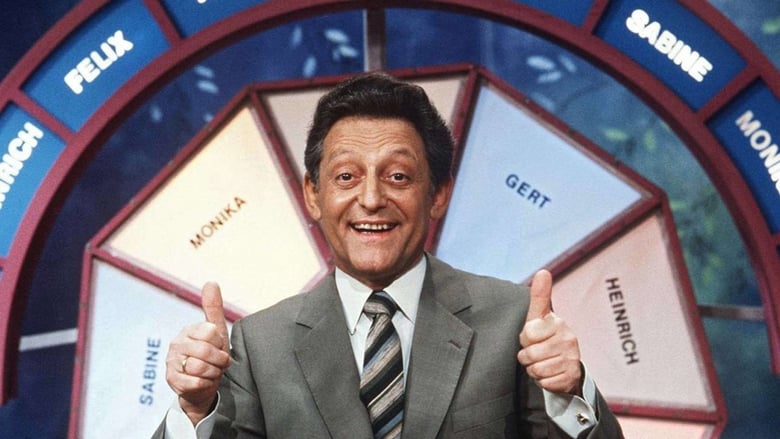
Dalli Dalli

Doctor Crippen
The popular trapeze artist Cora is married to the respected doctor Frank Crippen. After a party at the Crippens' house, Cora suddenly disappears. Apparently, she traveled to Brazil alone overnight. However, a friend of the couple is skeptical and calls the police. While excavating the garden, Inspector Düwell makes a gruesome discovery: body parts. Meanwhile, the prime suspect, Dr. Crippen, has already gone into hiding...
Das Kriminalmuseum
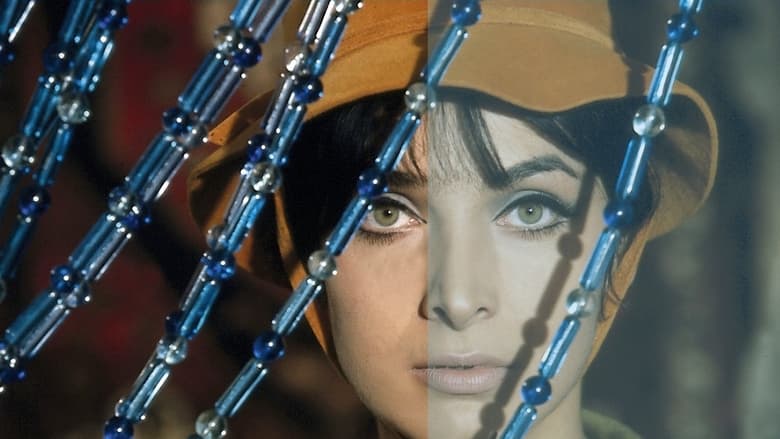
Das Kriminalmuseum was a German television series. It ran from 1963 to 1970 on ZDF and was one of its first programs. Each episode began with a tracking shot through an unspecified crime museum, stopping at one of the displays, whose story was then told. Each episode was between 60 and 75 minutes long and featured different actors as the criminal commissioner. The best known was Erik Ode, who in 1969 moved to Der Kommissar, appearing in 97 episodes. The theme music of the series was written by German composer Martin Böttcher, who also composed the complete scores for five episodes.
Das Kriminalmuseum
Das Kriminalmuseum was a German television series. It ran from 1963 to 1970 on ZDF and was one of its first programs. Each episode began with a tracking shot through an unspecified crime museum, stopping at one of the displays, whose story was then told. Each episode was between 60 and 75 minutes long and featured different actors as the criminal commissioner. The best known was Erik Ode, who in 1969 moved to Der Kommissar, appearing in 97 episodes. The theme music of the series was written by German composer Martin Böttcher, who also composed the complete scores for five episodes.
Das Kriminalmuseum
Das Kriminalmuseum was a German television series. It ran from 1963 to 1970 on ZDF and was one of its first programs. Each episode began with a tracking shot through an unspecified crime museum, stopping at one of the displays, whose story was then told. Each episode was between 60 and 75 minutes long and featured different actors as the criminal commissioner. The best known was Erik Ode, who in 1969 moved to Der Kommissar, appearing in 97 episodes. The theme music of the series was written by German composer Martin Böttcher, who also composed the complete scores for five episodes.

The Black Cobra
After a truck carrying a cargo of narcotics is held up by rival smugglers, the driver sets out to prove his innocence.
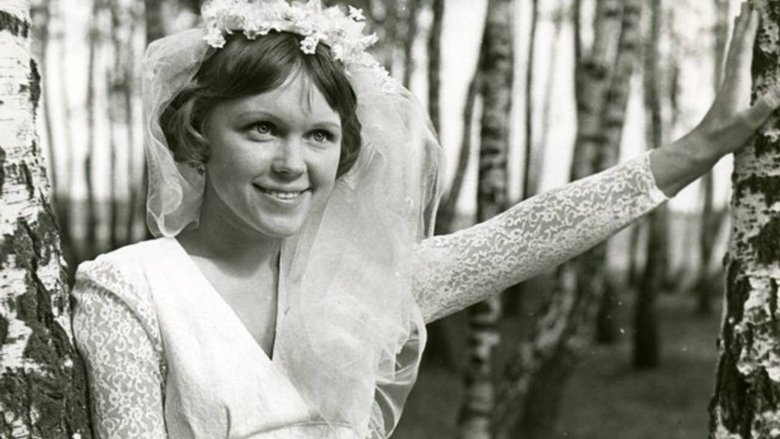
The Diamond Trail
An expedition group led by Professor Shestakov arrives in one of the regions of Siberia to search for diamonds. The research begins with a dramatic event: The expedition leader dies suddenly. However, the geologists decide to continue the difficult, dangerous hike along the taiga "diamond trail".
Filmography
as Jakob Wilde
as Professor von Heyden
as Alois Riedl
as Franz Burger
as Friedrich Merckel
as Graf Brosch
as Gabriel Betteredge
as Josef Matusek
as Dr. Paul Heizer
as Grunwaldts Vater
as Self - Candidate
as Friedrich Wilhelm Berthold
as Endrulat
as Eberhard Scherf
as Amtsgerichtsrat Kiesewetter
as Pastor Breithaupt
as Herr Neusel
as Harris
as Kommissar Bignon
as Reginald Sheridan
as Insurance Director
as Pastor Riesling
as Franz Kleinschmidt
as Kommissar Langhammer
as Inspektor Brugger
as Kriminalhauptkommissar Westermann
as Kriminalkommissar Kulmay
as Regierungspräsident Wilschinsky
as Vorsitzender
as Herr Knudsen
as Mammon
as Danforth
as Emilio
as Dr. Quartz
as Reimer
as Inspector Sturm
as Vater
as Oberst Urbaneck
as Dubrowksy
as Dr. Volkert
as Hugo Bunzel
as Werner Teichmann
as Professor Kuckuck
as Henry Dupont
as Robert Hiller
as Fritz Hambach - Fabrikant
as Prof. Schillinger
as Direktor Knoll
as Martin, Literaturprofessor
as Geheimrat Schlüter
as Stobrowski, Agent
as Justus
as Heinrich Vogelreuther
as Emil Dornwald
as John Rick alias Ivo Maric
as Justizminister
as Dr. Franz Kienzel
as Regierungsrat Dittchen
as Gerhard Sommer
as Inspektor Paillard
as Generaldirektor Siebel
as Hammok
as Dr. Georg Rabanser
as Viktor Hollreiser
as Fritz
as Leutnant von Gorschewski
as Emil Karge, 2. Posaunist
as Orliac, ein Spekulant
as Robert
as Napoleon
as Philipp Geiger, Pianist
as Ewald
as Axel Witt
as doctor
as Vater Renken
as Studienrat Bockendahl
as Theaterdirektor Rother
as Police Commisar Iwanowitsch
as Kriminalrat a.D. Adrian
as Albert Ludwig Babian, Schuldirektor
as Madeleine's Husband
as Boxer Alois
as Crippen's Attorney
as Professor Strickbach
as Erzgießer Jacobi
as Malwoda
as Rappel, Bursche
as Edgar Simon
as Sergeant Riess
as Lehrer
as Jürgen Borb, Kassierer der Dadag, alias A. Machin
as Canais, Feodoras Lakai und Geliebter
as Kommissar Watson
as Musikverleger Iwan Cäsarowitsch Glykow
as Kriminalkommissar Brinkmann
as Jean Jacques Bouffart
as Heidenreich, Kriminalkommissar
as Barryman
as Herr Schnaase
as Journalist Henri Poquet
as Césaire, ihr Vormund
as Im- und Exporteur Carlo Sylvester
as Direktor des Herrschaftshauses
as Ruprecht Tümpel
as Generalfeldmarschall von Dessau
as Agent Geyer
as Bankier Brown
as The Governor