

Pauline Munro
Acting
Biography
No biography available for Pauline Munro.
Known For

Strangler's Web
What appears to be a cut-and-dried case of murder of an aging one time showgirl on Hampstead Heath by her lover is complicated by several factors, including a far more respectable paramour, and her insistence that a great inheritance was due her that nobody can verify.
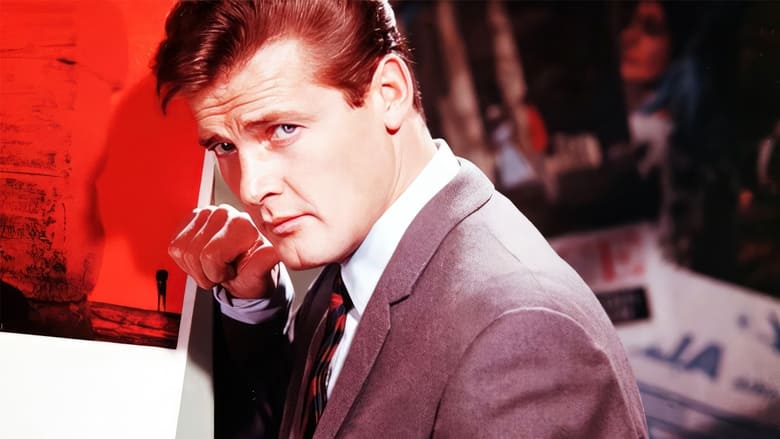
The Saint
Simon Templar is The Saint, a handsome, sophisticated, debonair, modern-day Robin Hood who recovers ill-gotten wealth and redistributes it to those in need.
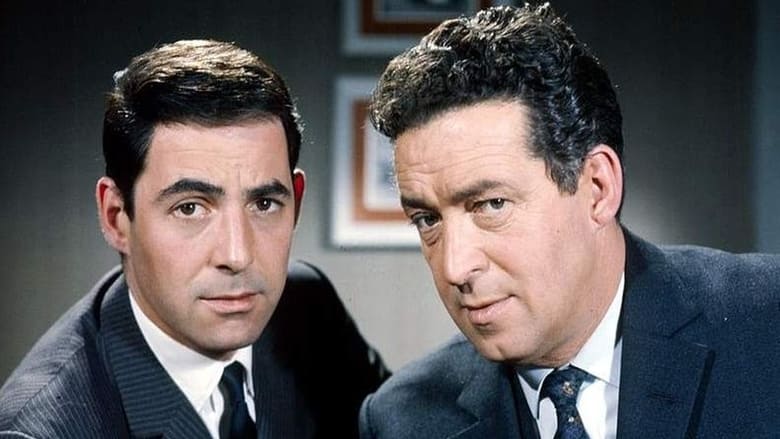
Gideon's Way
Gideon's Way is a British television crime series made by ITC Entertainment in 1964/65, based on the novels by John Creasey. The series was made at Elstree in twin production with The Saint TV series. It starred Liverpudlian John Gregson in the title role as Commander George Gideon of Scotland Yard, with Alexander Davion as his assistant, Detective Chief Inspector David Keen, Reginald Jessup as Det. Superintendent LeMaitre, Ian Rossiter as Detective Chief Superintendent Joe Bell and Basil Dignam as Commissioner Scott-Marle. The show did not acknowledge any help from Scotland Yard, any other police force or advisor. Daphne Anderson starred as his wife, Kate with Giles Watling as young son, Malcolm, Richard James as older son, Matthew who seemed to have a lot of new girlfriends and Andrea Allan as daughter, Pru. Unusually for police stories, Gideon was shown as a family man at home though urgent phone calls from his bosses tend to disrupt family plans too often. However, he did admit in "State Visit" that his wife had walked out on him for a while years ago when he put the job first and her second. They live in an expensive detached house in Chelsea.
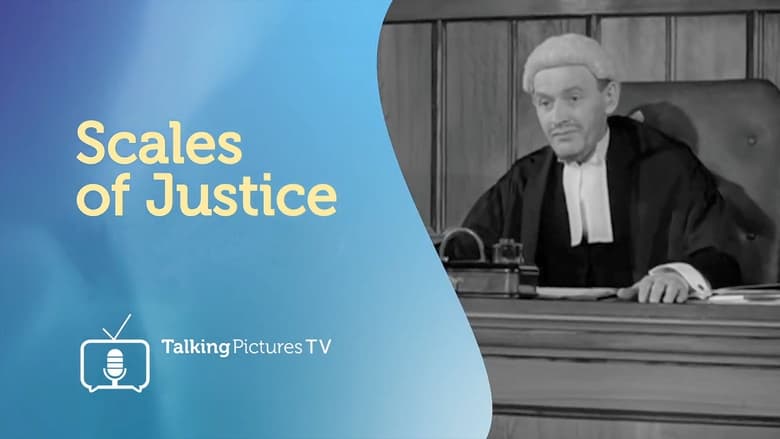
The Scales of Justice
The Scales of Justice is a series of thirteen British cinema featurettes produced from 1962 to 1967 for Anglo-Amalgamated at Merton Park Studios in London. The first nine were made in black and white, and the last four in colour. The finale, Payment in Kind, was Merton Park's final production. Episodes were based on criminal cases, and each film was introduced by criminologist Edgar Lustgarten. The series derives its title from the symbolic scales held by the statue of Justice, situated above the dome of London's Central Criminal Court, The Old Bailey. The opening narration describes her as having "in her right hand, the Sword of Power and Retribution, and in her left – The Scales of Justice".
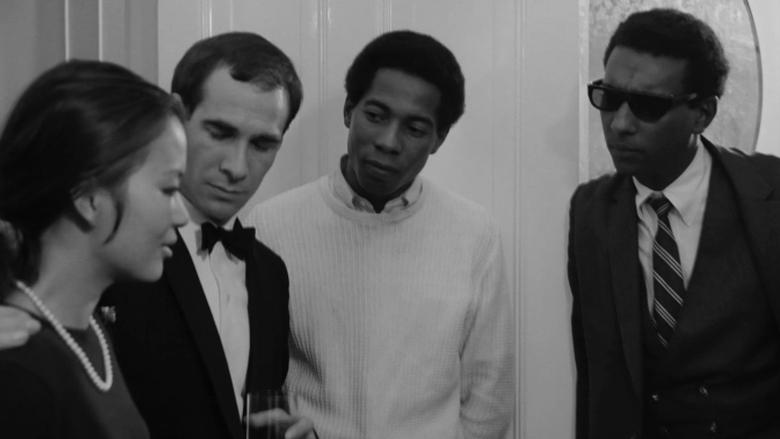
Tell Me Lies
Adapted and directed by Peter Brook from the Royal Shakespeare Company’s ‘production-in-progress US’, this long-unseen agitprop drama-doc – shot in London in 1967 and released only briefly in the UK and New York at the height of the Vietnam War – remains both thought-provoking and disturbing. A theatrical and cinematic social comment on US intervention in Vietnam, Brook’s film also reveals a 1960s London where art, theatre and political protest actively collude and where a young Glenda Jackson and RSC icons such as Peggy Ashcroft and Paul Scofield feature prominently on the front line. Multi-layered scenarios staged by Brook combine with newsreel footage, demonstrations, satirical songs and skits to illustrate the intensity of anti-war opinion within London’s artistic and intellectual community.
The System
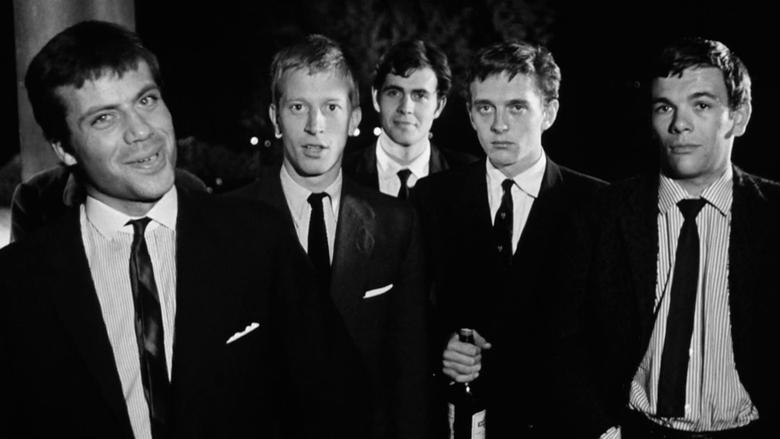
In a seaside village, a group of local young men mingle among the seasonal tourists in search of sexual conquests. Near the end of one summer, the leader of the group, Tinker, a strolling photographer, aims to conquer a fashion model from a well-to-do family, but he finds himself unexpectedly falling in love. The tables thus turned, Tinker begins to see that maybe it's not the tourists who are being used in these sexual games.
The Committee
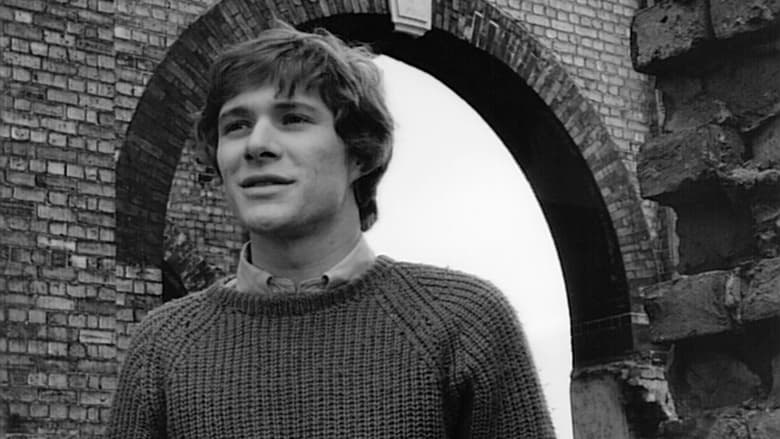
The Committee, starring Paul Jones of Manfred Mann fame, is a unique document of Britain in the 1960s. After a very successful run in London’s West End in 1968, viewings of this controversial movie have been few and far between. Stunning black and white camera work by Ian Wilson brings to life this “chilling fable” by Max Steuer, a lecturer (now Reader Emeritus) at the London School of Economics. Avoiding easy answers, The Committee uses a surreal murder to explore the tension and conflict between bureaucracy on one side, and individual freedom on the other. Many films, such as Total Recall, Fahrenheit 451 and Camus’ The Stranger, see the state as ignorant and repressive, and pass over the inevitable weaknesses lying deep in individuals. Drawing on the ideas of R.D. Laing, a psychologically hip state faces an all too human protagonist.
Filmography
as Girl
as Pauline
as Melanie Anderson
as Alison Clifton
as Sylvie
as Cassie
as Valerie