

Petr Voříšek
Acting
Biography
Petr Voříšek is a former Czech film and television child actor.
Born: June 16, 1962
Place of Birth: Prague, Czechoslovakia [now Czech Republic]
Known For
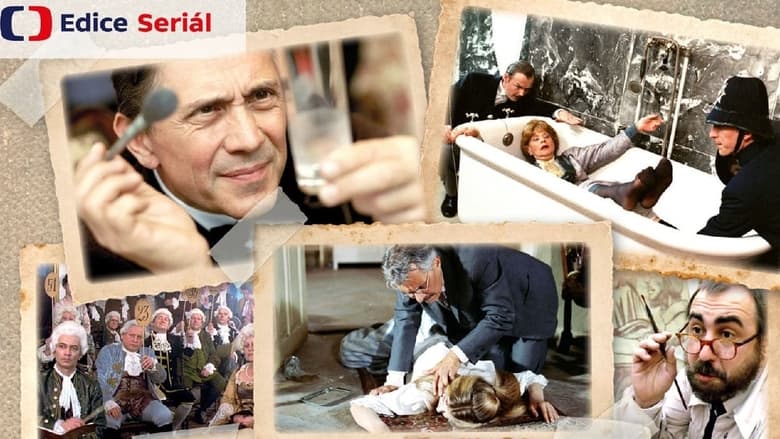
Dobrodružství kriminalistiky

Indians from Vetrov
In the frontier village Vetrov boys from the children's home called Indians lead a bitter "war" with the local Símáks. Before a battle the Indians have a meeting in the sandpit with a smoke signaling. The smoke brings to the sandpit a frontier guard Tomás with a police dog Ranek. The children learn from Tomás that Rank served out and that it shall be destroyed. The nine-year old Fanda writes a letter to the "minister of the frontier guards" in which he asks to let Ranek live. To save Ranek's life he also visits the local frontier guard commander. In the end it is decided that children from the children's home may keep Ranek.
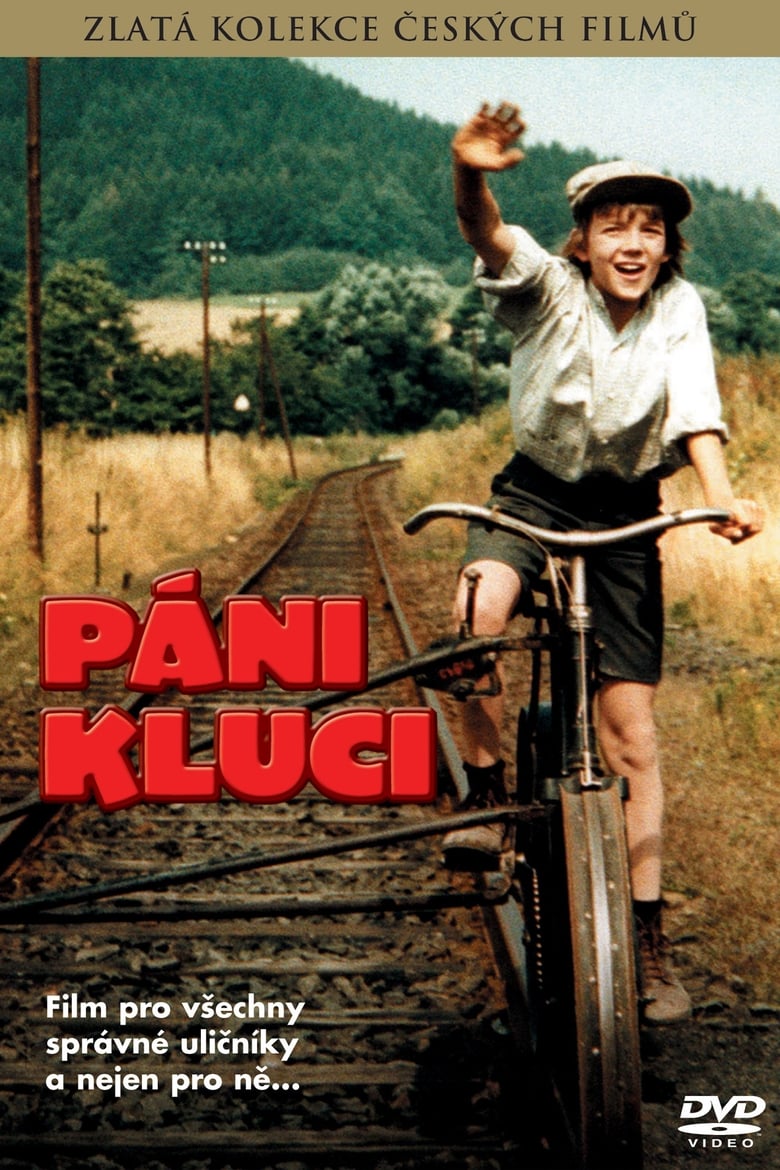
Boys Will Be Boys
Three friends - Tomás, Hubert and Jozka - are boys growing up in a little town. Tomás lives with his aunt Apolena and uncle Václav. Tomás is a boy with lots of ideas that often end up getting him into trouble not only with his teachers and aunt, but with the other inhabitants of the town as well. He has a crush on his schoolmate Blanka and for her sake he decides to try to get the prize for the best pupil in the school.
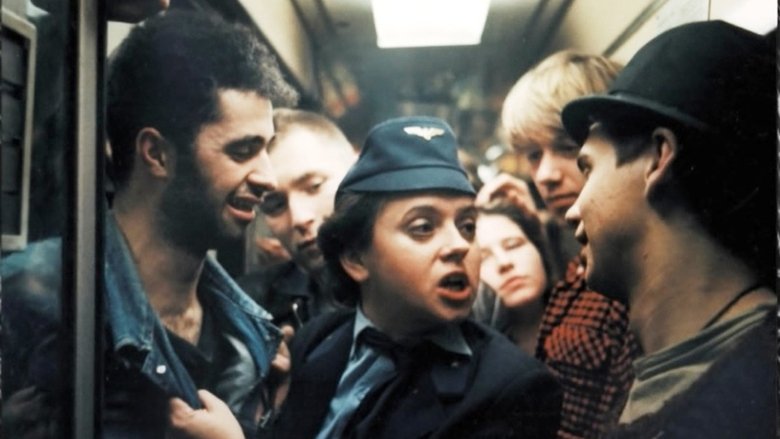
Why?
Why? (Czech: Proč?) is a 1987 Czechoslovak drama film directed by Karel Smyczek. It was screened in the Un Certain Regard section at the 1988 Cannes Film Festival. The film deals with the hooliganism in Czechoslovakia, particularly with the fans of football club Sparta from Prague, whose supporters were the pioneers of the football fan riots in Czechoslovakia, starting with hooligan actions already in the 1960s, like breaking the trains in which they travelled when they went on Sparta's away games. The film deals with one of such episodes
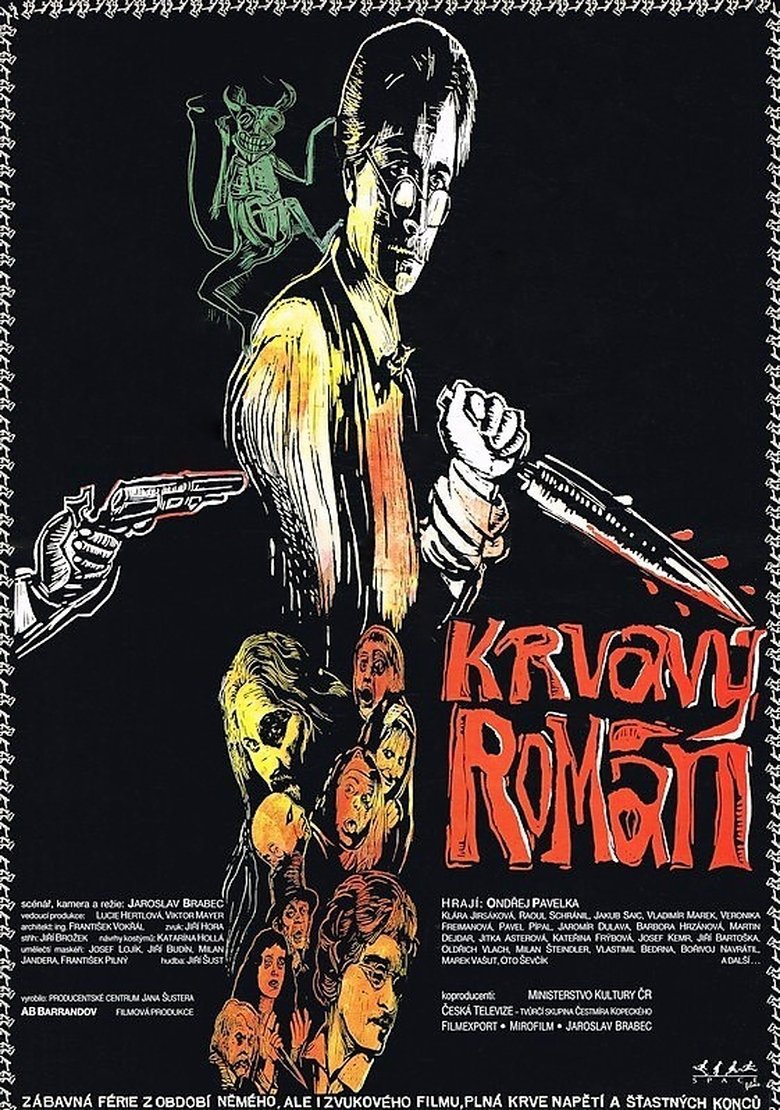
Horror Story
The distinctive artist, typographer, and writer Josef Váchal is known to the public primarily for his Blood Novel. The surrealistic exuberance of this defense of 19th-century pulp fiction caught the attention of Jaroslav Brabec and his colleagues, who found a corresponding image of 20th-century "trash." The authors' interest focuses primarily on the silent film era, with a journey through the history of cinema continuing through the advent of sound film to the present day (auteur cinema of the 1960s, modern horror), formally employing techniques such as tinted film. The versatile parody intertwines a colorful plot with the story of the author (Váchal/Paseky), who comments on and creates his book, and is further split in the plot into the characters of Fragonard and the Master. As with Váchal, reality increasingly enters the fiction, so that the only "happy ending" turns out to be the artist's finished work.
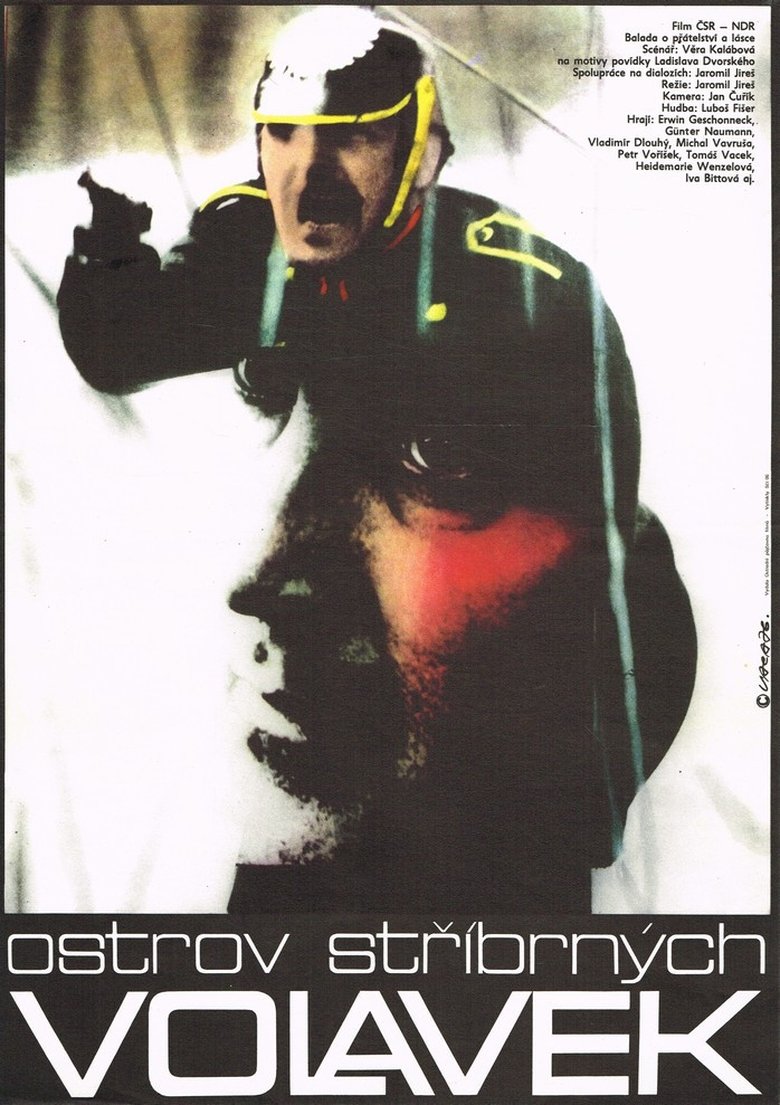
The Island of the Silver Herons
The late summer of 1918. Paul, Willi and Heinrich from an age-old German town are good friends, although there is a great deal that divides them. Heinrich comes from an officer's family with an army tradition and is preparing to enter cadet college. Paul's father and grandfather are workers, and Willi, left to depend on himself, works as a hotel messenger. The last year of the war is hard for everyone, but while Paul and Willi know their own minds and do not hesitate to help the war fugitives Tony and Sepp, for Heinrich everything is more complicated.
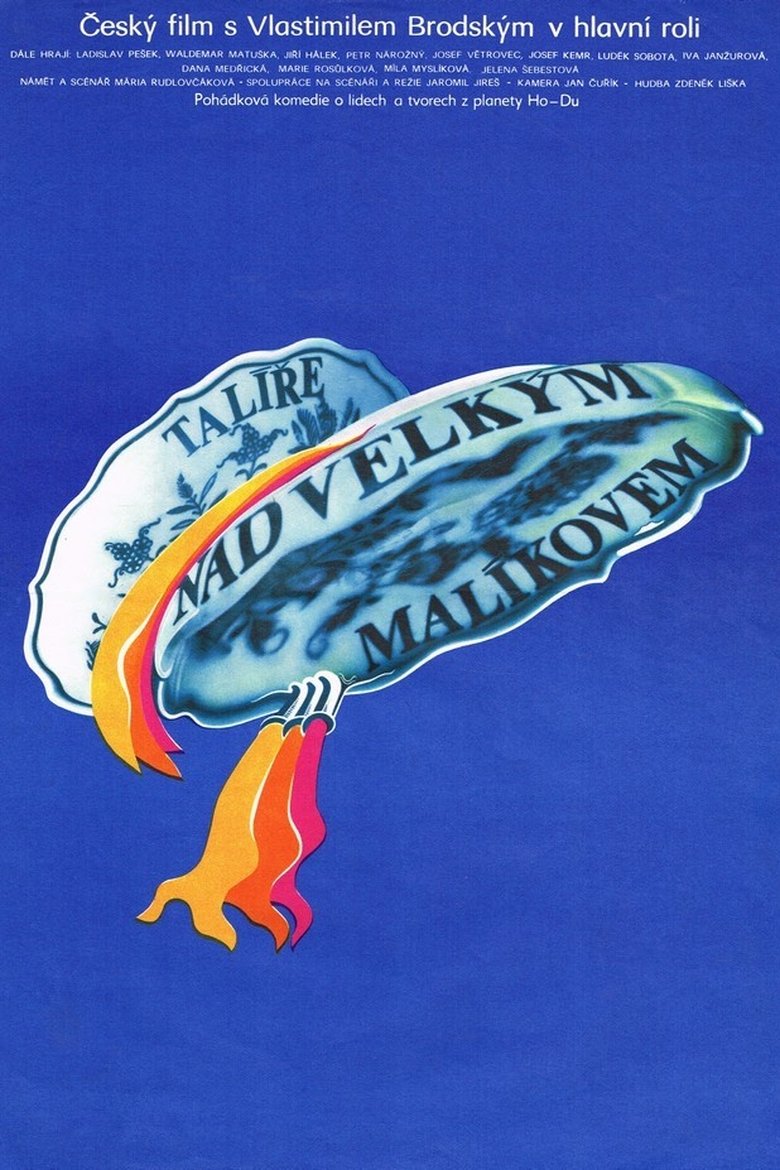
Flying Saucers Over Our Village
A model Communist village is visited by a flying saucer.
Filmography
as Outcast
as (uncredited)
as Lojza
as Paul Meyer
as Hubert