
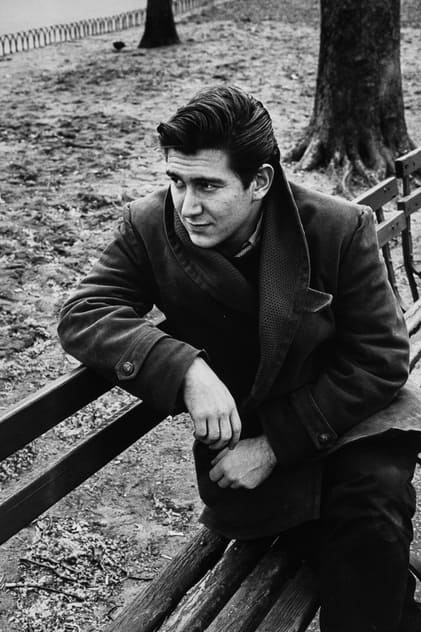
Phil Ochs
Acting
Biography
Philip David Ochs (December 19, 1940 – April 9, 1976) was an American songwriter and protest singer (or, as he preferred, a topical singer). Ochs was known for his sharp wit, sardonic humor, political activism, often alliterative lyrics, and distinctive voice. He wrote hundreds of songs in the 1960s and 1970s and released eight albums.
Born: December 19, 1940
Place of Birth: El Paso, Texas, USA
Known For
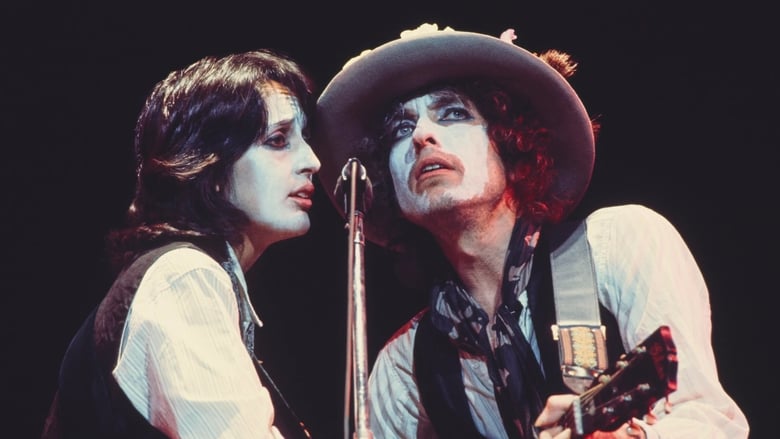
Renaldo and Clara
Filmed in the autumn of 1975 prior to and during Bob Dylan's Rolling Thunder Revue tour – featuring appearances and performances by Ronee Blakley, T-Bone Burnett, Jack Elliott, Allen Ginsberg, Arlo Guthrie, Ronnie Hawkins, Roger McGuinn, Joni Mitchell, Mick Ronson, Arlen Roth, Phil Ochs, Sam Shepard, and Harry Dean Stanton – the film incorporates three distinct film genres: concert footage, documentary interviews, and dramatic fictional vignettes reflective of Dylan's song lyrics and life.

Greenwich Village: Music That Defined a Generation
Explores the music scene in Greenwich Village, New York in the '60s and early '70s. The film highlights some of the finest singer/songwriters of the day.
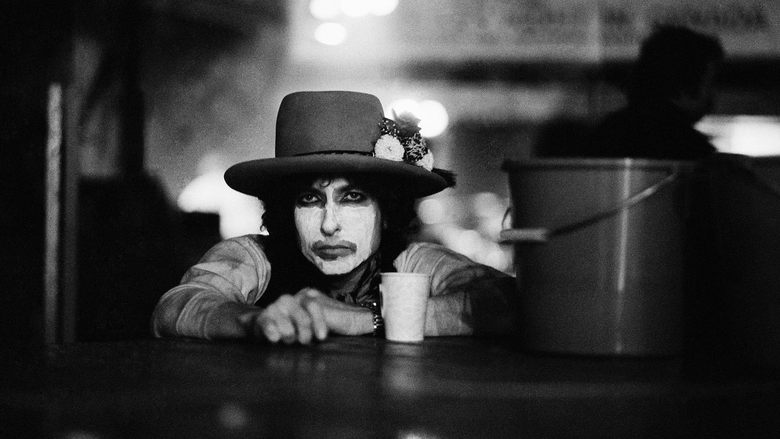
Rolling Thunder Revue: A Bob Dylan Story by Martin Scorsese
Part documentary, part concert film, part fever dream, this film captures the troubled spirit of America in 1975 and the joyous music that Dylan performed during the fall of that year.
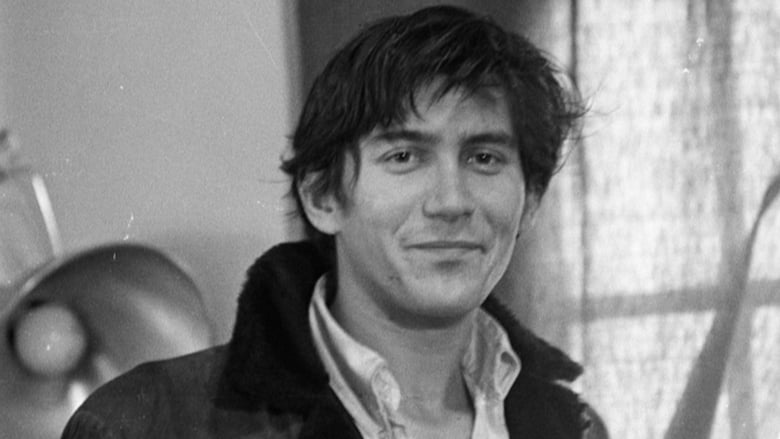
Phil Ochs: There But for Fortune
From civil rights to the anti-war movement to the struggles of workers, folksinger Phil Ochs wrote topical songs that engaged his audiences in the issues of the 1960s and 70s. In this biographical documentary, veteran director Kenneth Bowser shows how Phil's music and his fascinating life story and eventual decline into depression and suicide were intertwined with the history-making events that defined a generation. Even as his contemporaries moved into folk-rock and pop music, Phil followed his own vision, challenging himself and his listeners. Not one to pull punches, Ochs never achieved the commercial success he desperately desired. But his music remains relevant, reaching new audiences in a generation that finds his themes all too familiar.

Ten for Two: The John Sinclair Freedom Rally
Concert film documentary. The John Sinclair Freedom Rally was a protest and concert in response to the imprisonment of John Sinclair for possession of marijuana held on December 10, 1971. Features performances from John Lennon, Yoko Ono, Stevie Wonder and Bob Seger
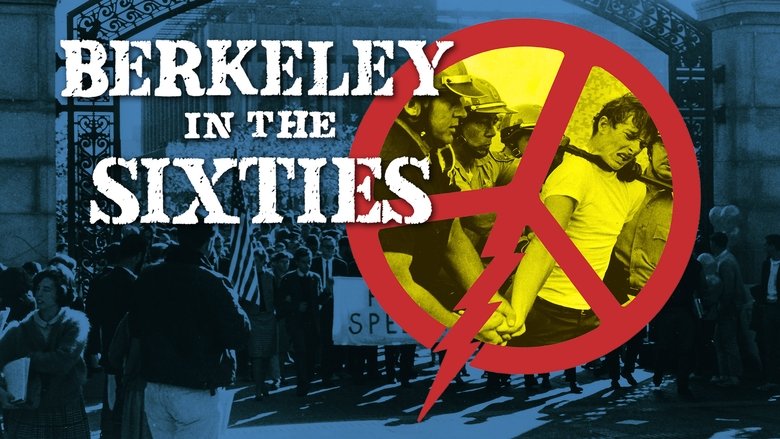
Berkeley in the Sixties
A documentary about militant student political activity at the University of California, Berkeley in the 1960s.

The Day the Music Died
This documentary film is mostly about the New York Pop Festival, which began on July 17, 1970 at Randall's Island, NY, and lasted for three days
Wondering About Things
Laymen as well as celebrities in the sciences and creative arts give their views and values regarding their creative efforts and technological society. Their answers add up to the view that science is an indispensable part of mankind's hope for the future. Interviewees include Haskell Wexler, Joan Baez, Ann Halprin, Benny Bufano, Art Hoppe, Zubin Mehta, Phil Ochs, George Pimentel, Ben Maddow.
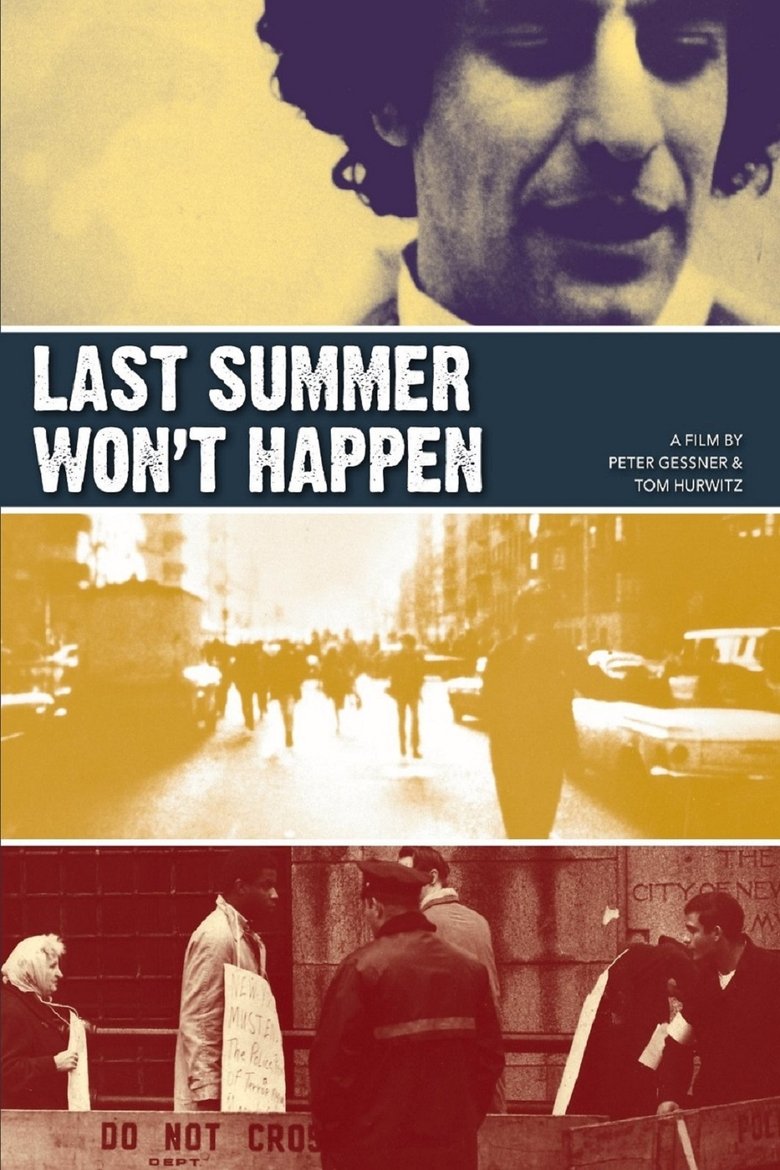
Last Summer Won't Happen
A critical yet sympathetic examination of the anti-war movement in New York City, shot in 1968, one year after the Summer of Love. The film traces the development group of activists on the Lower East Side. We see their growth from isolated, alienated individuals to a politically empowered community. Filmed between the protests at the Pentagon and the demonstrations at the Democratic Convention in Chicago, it includes portraits of Abbie Hoffman, editor Paul Krassner, folksinger Phil Ochs and anarchist Tom "Osha" Neumann.
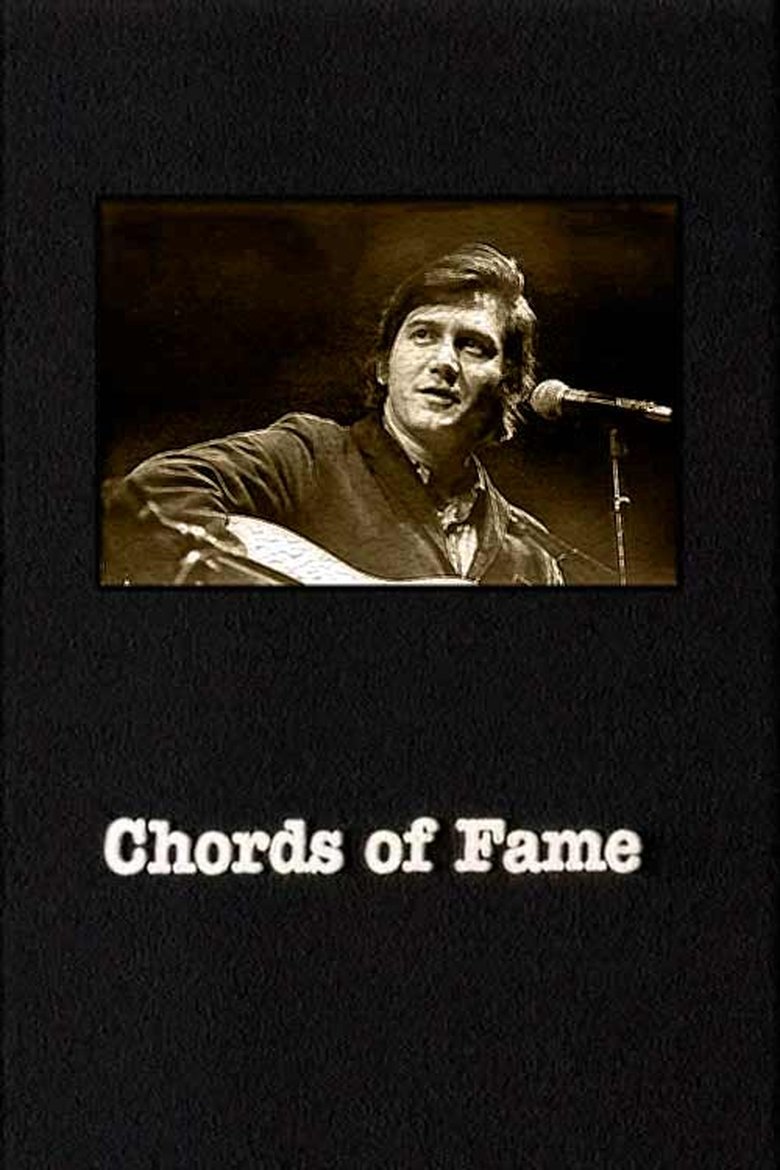
Chords of Fame
Documentary about the life of folk singer Phil Ochs.
Filmography
as Self (archive footage)
as Self (archive footage)
as Self (archive footage)
as Himself
as Self
as Self
as Self
as Himself