
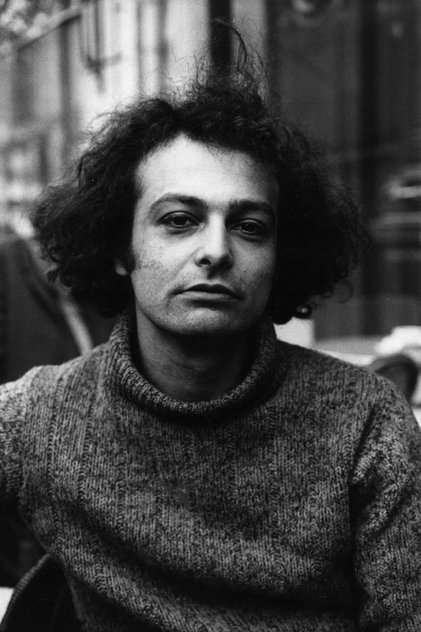
Piero Heliczer
Directing
Biography
Piero Heliczer was an Italian-American poet, publisher, actor and underground filmmaker associated with the New American Cinema.
Born: June 20, 1937
Place of Birth: Rome, Italy
Known For
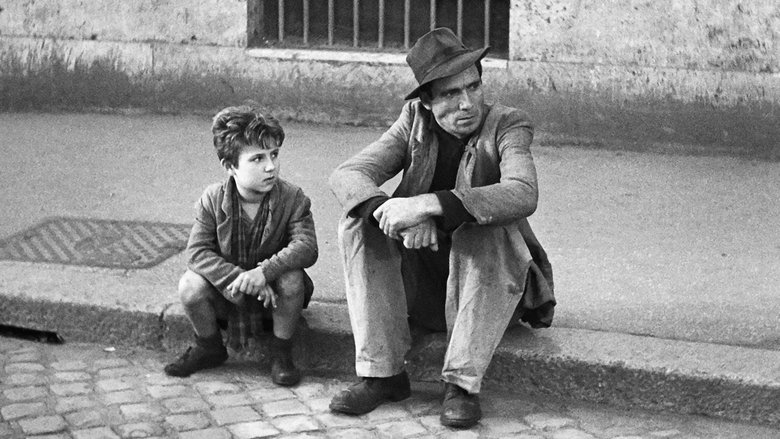
Bicycle Thieves
Unemployed Antonio is elated when he finally finds work hanging posters around war-torn Rome. However on his first day, his bicycle—essential to his work—gets stolen. His job is doomed unless he can find the thief. With the help of his son, Antonio combs the city, becoming desperate for justice.
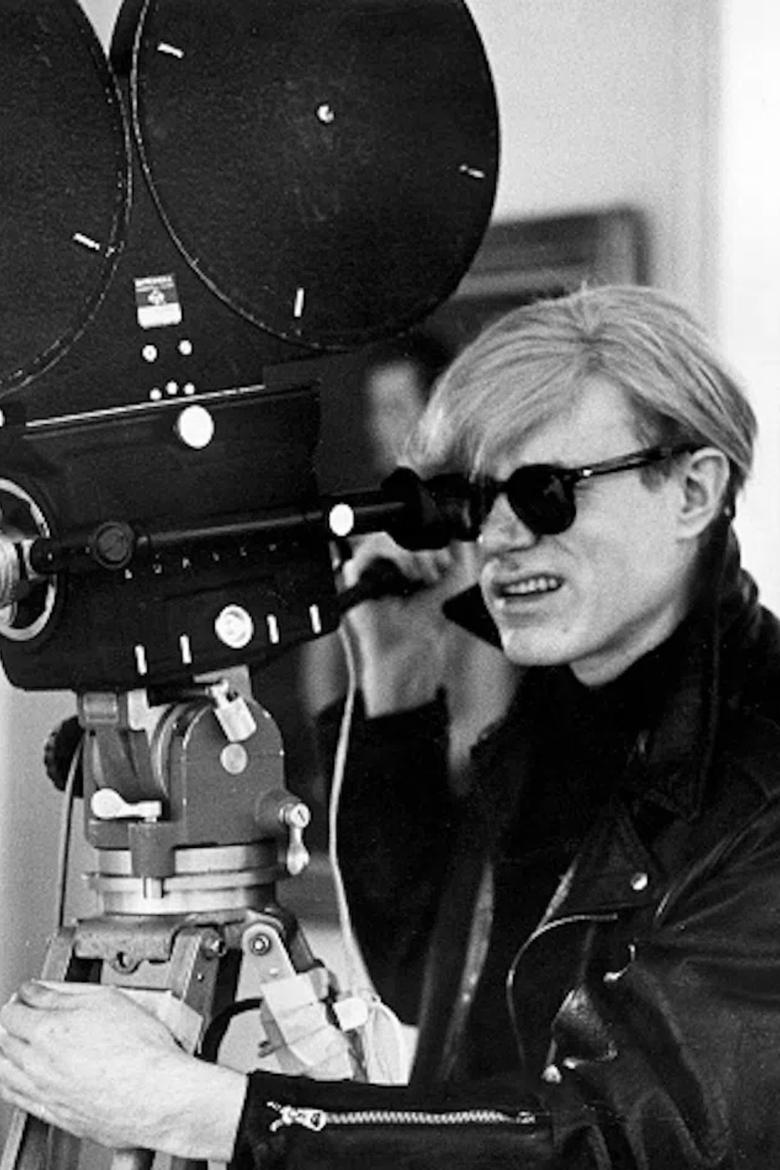
Screen Test #3
One of Andy Warhol's screen tests, focusing on an actor's face for 4-5 mins.

Andy Warhol Screen Tests
The films were made between 1964 and 1966 at Warhol's Factory studio in New York City. Subjects were captured in stark relief by a strong key light, and filmed by Warhol with his stationary 16mm Bolex camera on silent, black and white, 100-foot rolls of film at 24 frames per second. The resulting two-and-a-half-minute film reels were then screened in 'slow motion' at 16 frames per second.
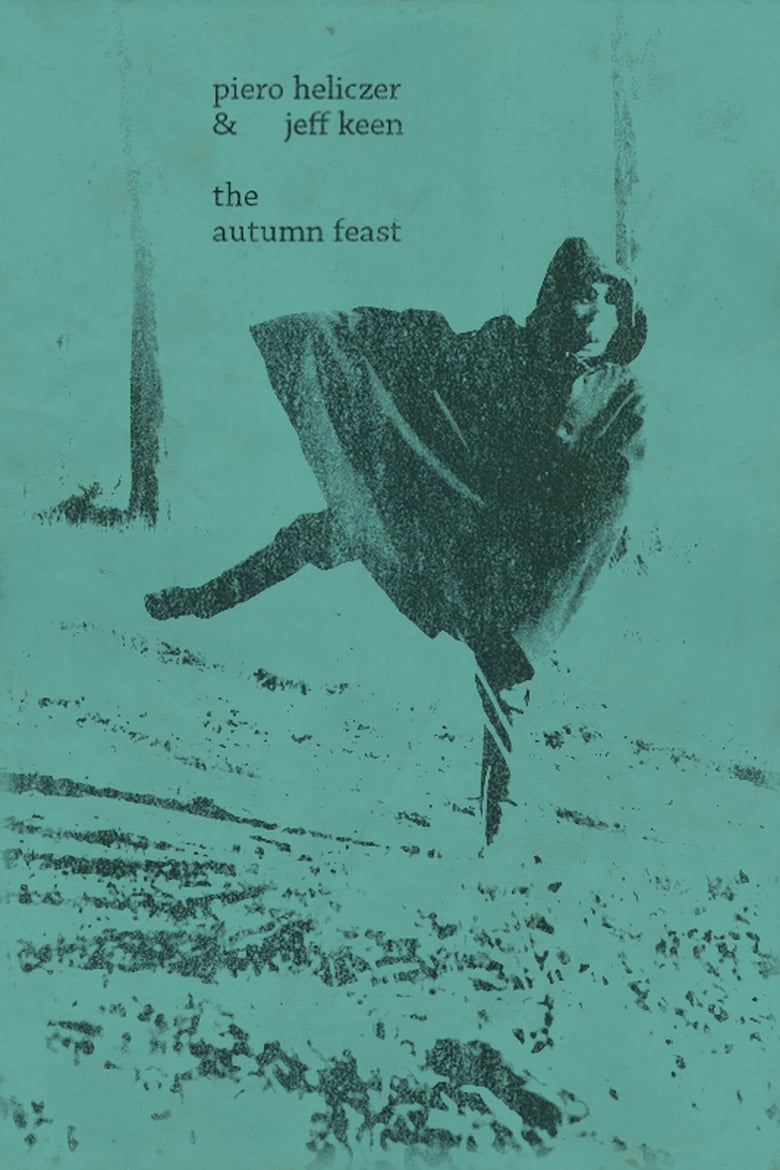
The Autumn Feast
A deliberately non-synchronous film, shot in 8mm with the sound on tape. Piero Heliczer reads his poem "The Autumn Feast," and the visuals interact with, but does not literally represent, what is read.
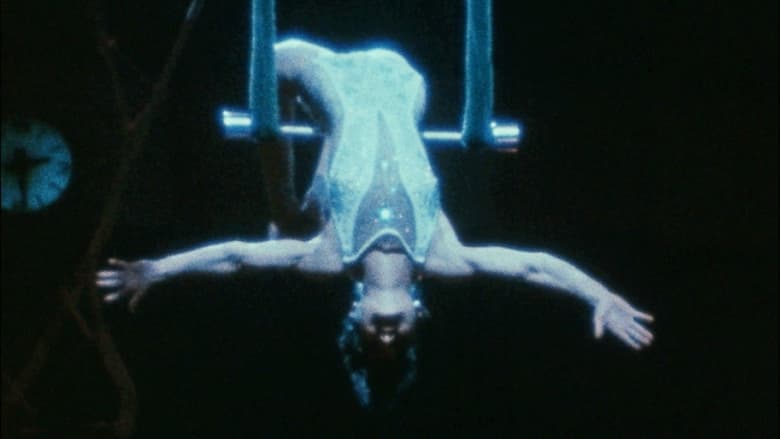
Birth of a Nation
Jonas Mekas assembles 160 portraits, appearances, and fleeting sketches of underground and independent filmmakers captured between 1955 and 1996. Fast-paced and archival in spirit, the film celebrates the avant-garde as its own “nation of cinema,” a vital community existing outside the dominance of commercial film.
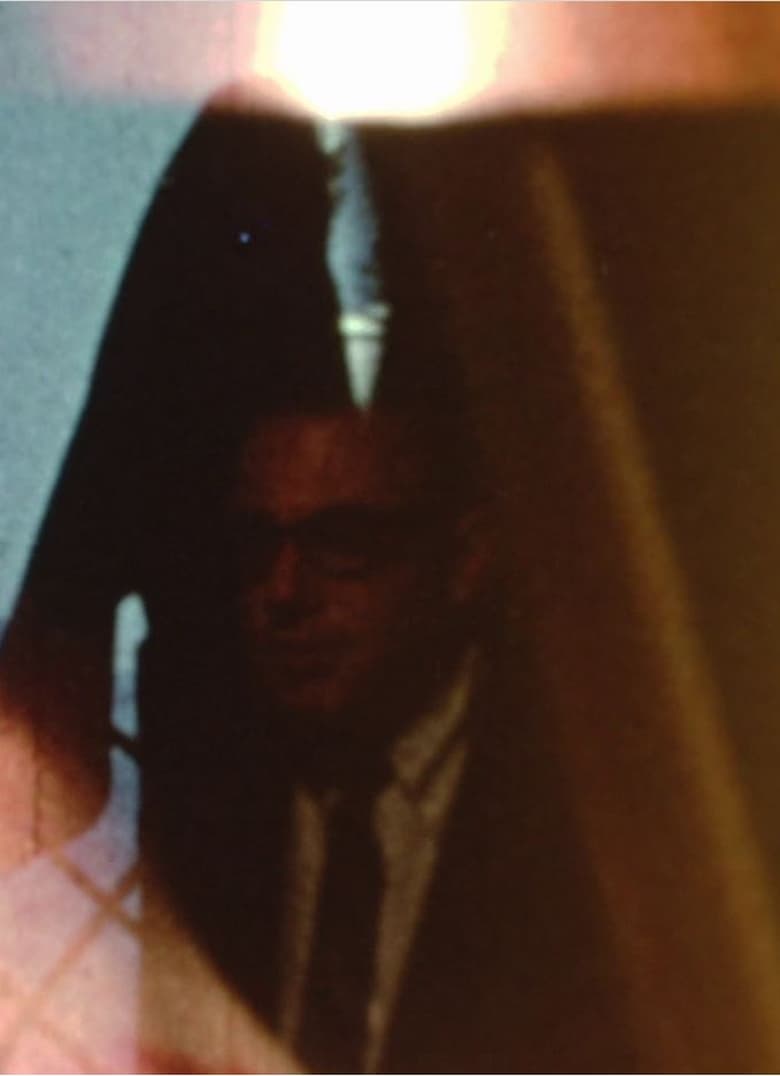
Venus in Furs
Where a nun and a nurse go to hell because of their sinful life in St. Vincent's Hospital.

Couch
The couch at Andy Warhol's Factory was as famous in its own right as any of his Superstars. In Couch, visitors to the Factory were invited to "perform" on camera, seated on the old couch. Their many acts-both lascivious and mundane-are documented in a film that has come to be regarded as one of the most notorious of Warhol's early works. Across the course of the film we encounter such figures as poets Allen Ginsberg and Gregory Corso, the writer Jack Kerouac, and perennial New York figure Taylor Mead.

Bengasi
The film is set in 1941 during the Second World War, when the city of Benghazi in Italian-ruled Libya was occupied by British forces. Italian inhabitants of Benghazi work to resist the British and discover their military plans. One man, Captain Enrico Berti, appears to be collaborating with the British but is in fact working undercover for Italian intelligence. The film ends with the city being recaptured by Italian troops and their Nazi German allies.
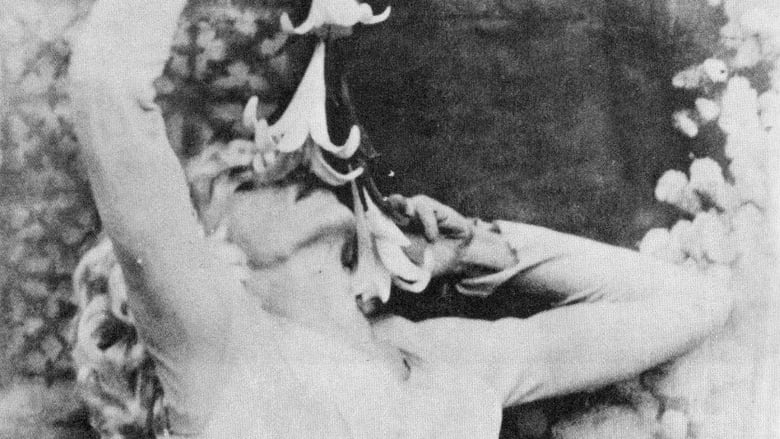
Flaming Creatures
Filmmaker and artist Jack Smith described his own film as a “comedy set in a haunted movie studio.” Flaming Creatures begins humorously enough with several men and women, mostly of indeterminate gender, vamping it up in front of the camera and participating in a mock advertisement for an indelible, heart-shaped brand of lipstick. However, things take a dark, nightmarish turn when a transvestite chases, catches and begins molesting a woman. Soon, all of the titular “creatures” participate in a (mostly clothed) orgy that causes a massive earthquake. After the creatures are killed in the resulting chaos, a vampire dressed like an old Hollywood starlet rises from her coffin to resurrect the dead. All ends happily enough when the now undead creatures dance with each other, even though another orgy and earthquake loom over the end title card.

No President
Smith's third feature film was originally titled "The Kidnapping of Wendell Willkie by the Love Bandit," in reaction to the 1968 Presidential Campaign. It mixes B&W footage of Smith's creatures with old campaign footage of Willkie, a liberal Republican who ran against FDR in the 1940's. The climax of the work appears to be the "auctioning" of the presidential candidate at a convention.
Filmography
as Self
as Self (uncredited)
as Self
as Self
as A Young Boy (uncredited)
as Sandrino Berti (Pucci)