
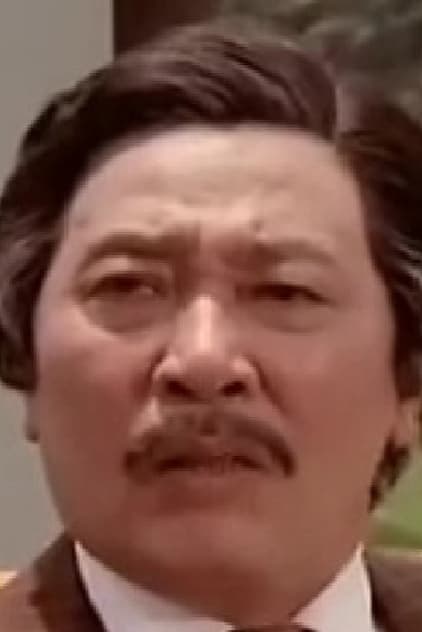
Ping Fan
Acting
Biography
Ping Fan (平凡) was a Chinese actor born as Ping Yongshou (平永寿). He mainly acted in Hong Kong movies.
Born: January 1, 1920
Place of Birth: Beijing, China
Known For
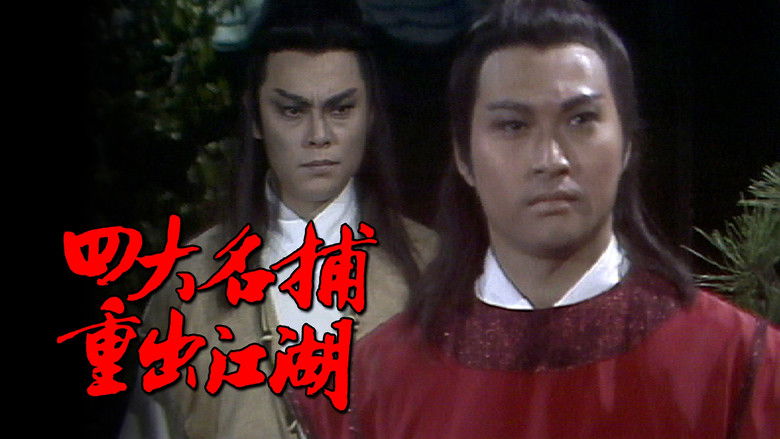
Return of The Four
The four famous hunters had already been hidden, but they reappeared because their master Zhuge Shenhou was killed. Shangguan Cang Qiang assassinated Shenhou and successfully seized his throne, and then revealed his ambitions, and he controlled the emperor with drugs, trying to force him to surrender the throne. The four great immortals learned of his conspiracy, obstructed it, and vowed to fight with him to the end and crush his dream of becoming emperor.
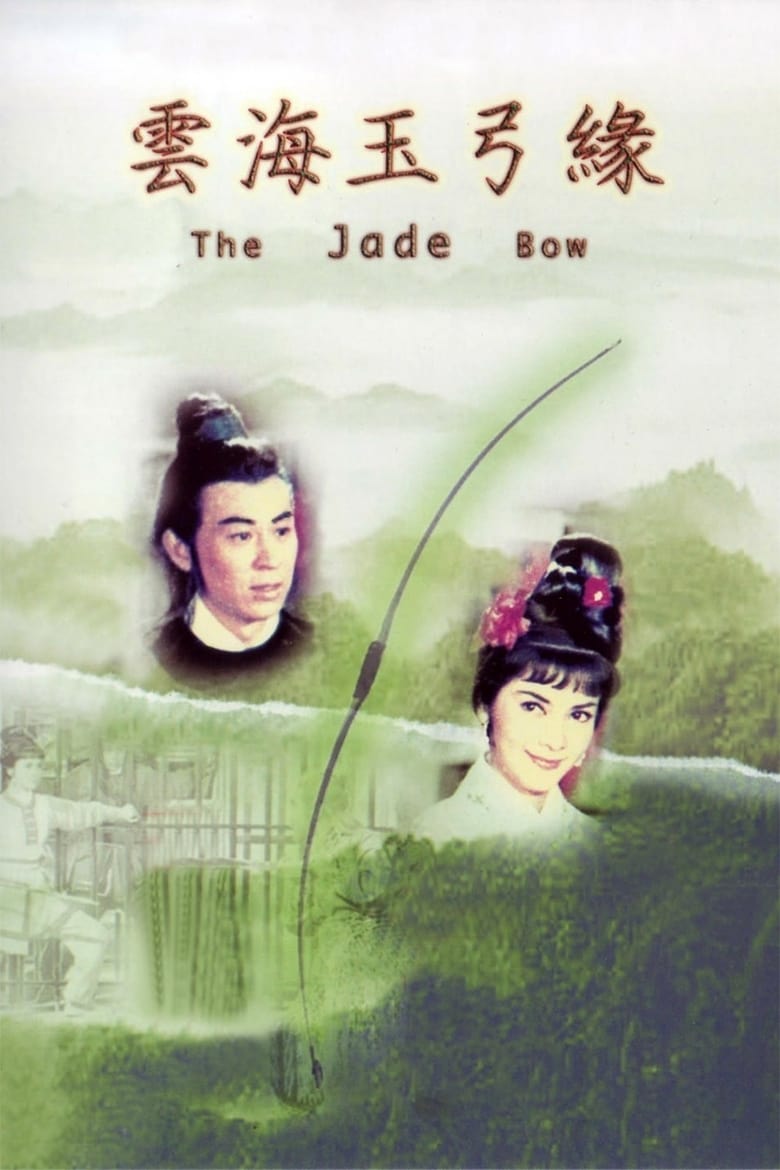
The Jade Bow
A villain steals a kung fu manual and kills the good swordsmen it belongs to. He masters the powers it offers and goes on to commit various evils. Twenty years later, a young swordsman heads off to take him to account. On the way he meets a couple of feisty young swordswomen, and his life gets more complicated.
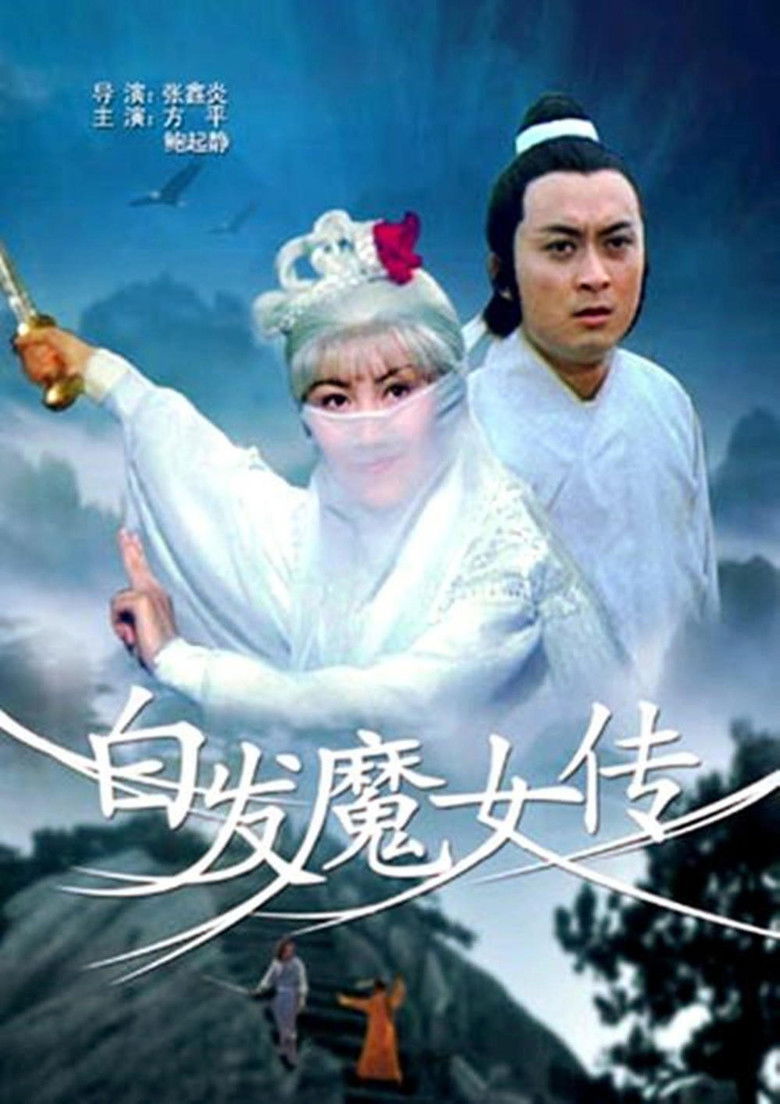
White Hair Devil Lady

The Moon-Blanch'd Land
An early Musical by the Hsin Hwa Motion Picture Company.
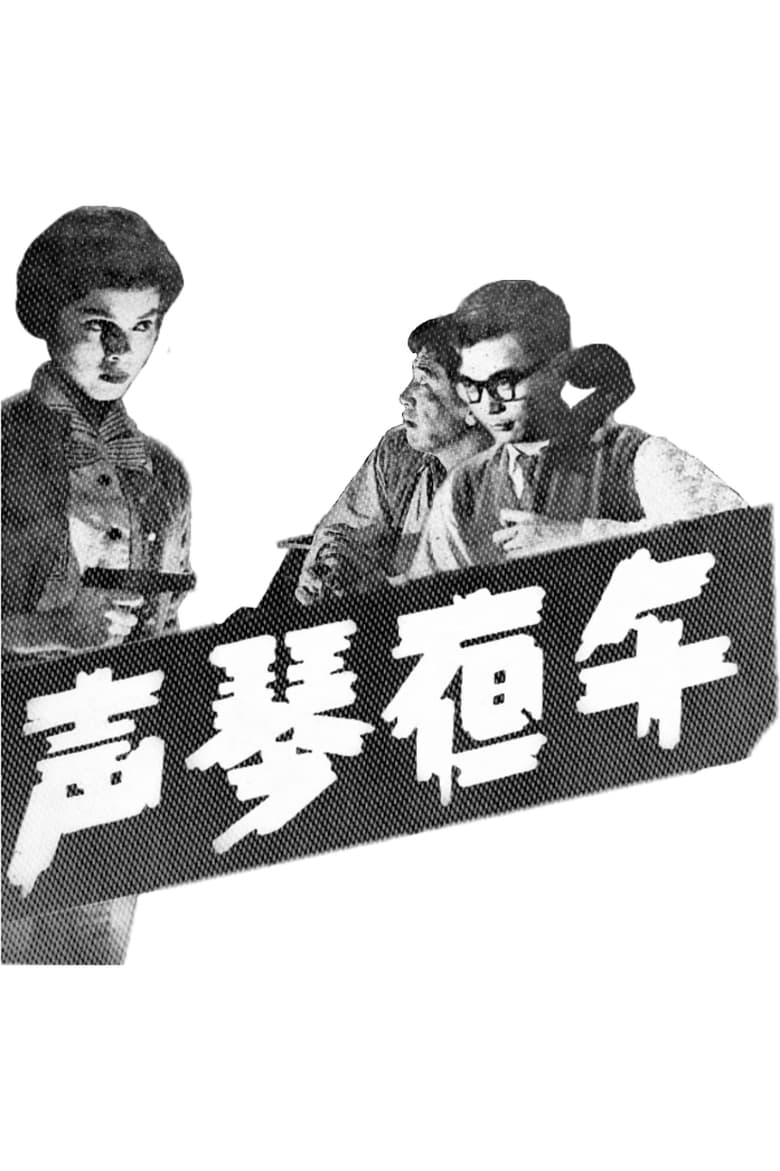
One Million for Me
HK horror film.

The Living Corpse
Famed director Zhu Shilin tries his hand at a horror film! The beginning of The Living Corpse immediately sets the tone with a folk duet clearly inspired by the popular 1956 musical Songs of the Peach Blossom River. The duet, in addition to Zhu's frequent use of long, empty shots and crisp editing, gives this horror film a traditional poetic charm and a strong folk flavor. Mise-en-scene and sound effects create a terrifying atmosphere, and successfully communicate the ghostliness of a world without ghosts.
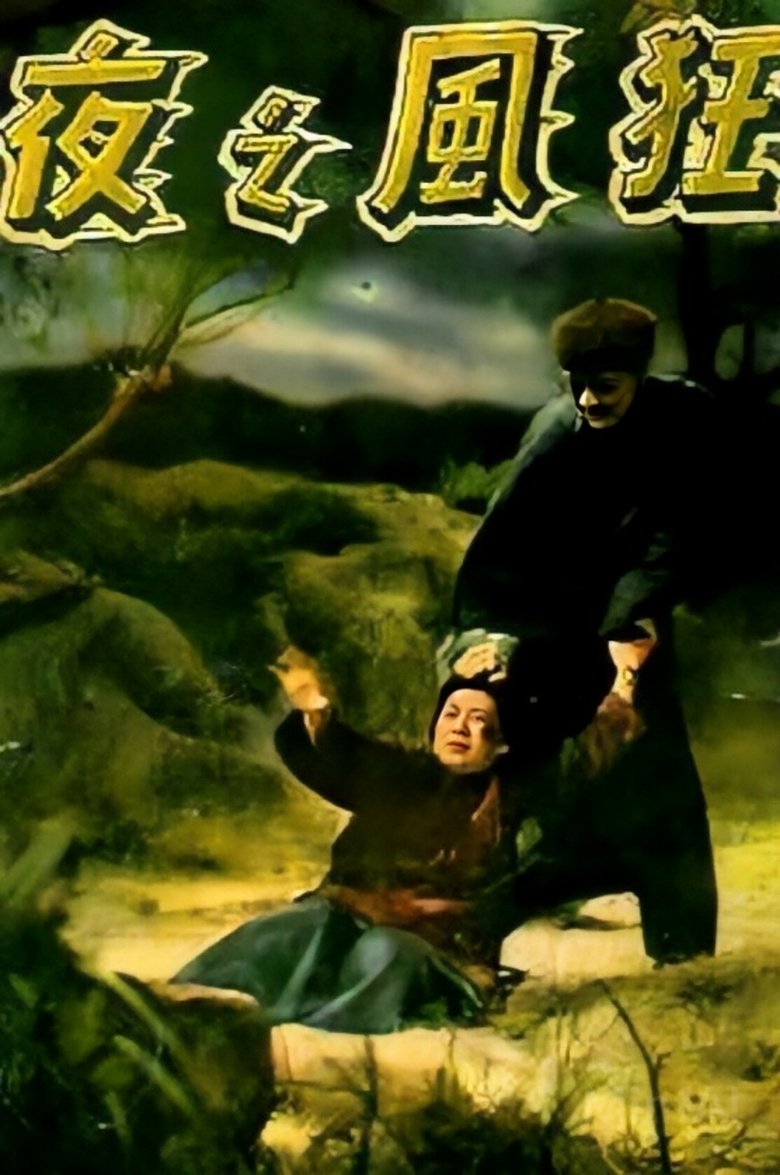
The Stormy Night
HK drama film.
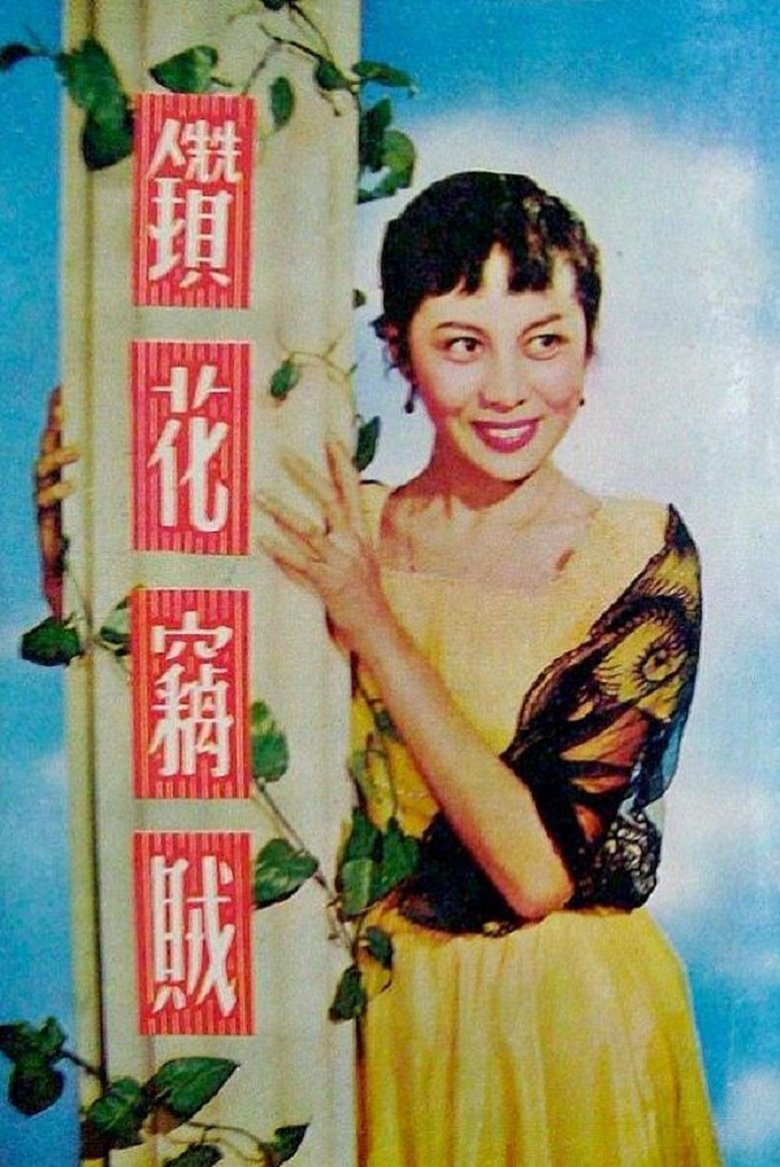
Diamond Thief
A diamond flower from the rich merchant Sun was stolen, his neighbors gathered a detective group to solve this problem.

Modern ‘Red Chamber Dream’
Dream of the Red Chamber, one of the big four of classic Chinese novels, has been adapted for film and television dozens of times over the past decades. Yet this sui generis Great Wall production daringly transposes the setting to modern-day 1950s. The contemporised story revolves nonetheless around the love triangle between Jia Baoyu and his two cousins. Both girls love him but his heart belongs to only one. The ending, however, is remarkably changed to separation of the lovers as a result of war—the war that was surely still haunting the minds of the filmmakers at the time when the film was made. Not only did Great Wall pour money into building extravagant sets just so to recreate down to the smallest detail the grandeur of the legendary Jia mansion, but the film also boasted of its lavish costume designs for the diverse female cast. (From Hong Kong Film Archive)
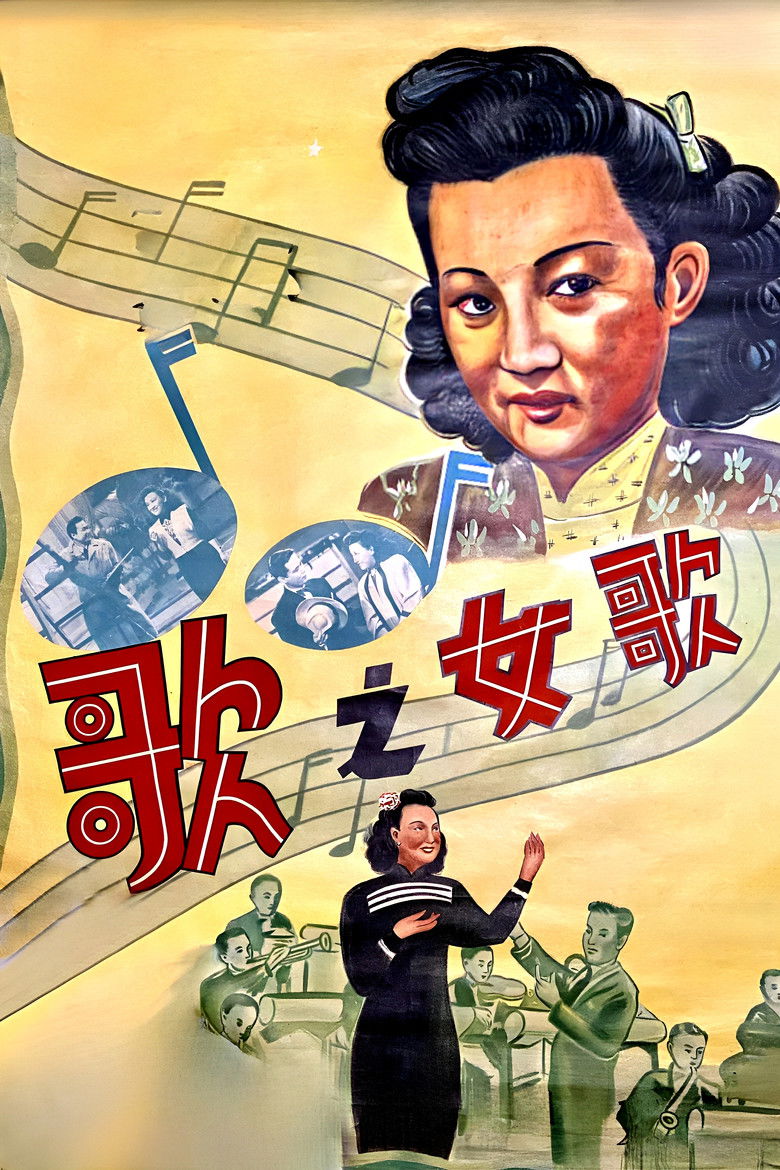
Song of a Songstress
Starring in numerous singing films, Zhou Xuan was one of the most beloved singers in both cinema and recording industries for her 'golden voice'. Popular nightclub singer Zhu Lan (Zhou) is originally in love with impoverished painter Fang Zhiwei (Gu Yelu), but is taken advantage of by rich playboy Ye Chunhua (Wang Hao) at her most vulnerable time. To add to her misfortune, Zhu discovers her being an adoptee. She also learns the heartbreaking truth about her birth parents which intertwines with her own life across generations. Eventually, irreversible tragedy awaits with revenge exacted for past wrongs. In a case of art imitating life, the songstress's life and upbringing resemble Zhou Xuan's own, making the film even more heart-wrenching. The 'Song Fairy' Chen Gexin composed the film's entire music with six songs sung by Zhou. 'Song of a Songstress', sung towards the end of the film, adds poignancy to the film with its discourse on the joy and sorrow in life.
Filmography
as 鐵飛龍
as Da-Wei
as Luo Zhan-Mei
as Meng Sheng-Tung
as Yao Guo-Dong/Kuo-Tung
as Xinling Jun
as Hsiao Li
as Prince of Demoke