
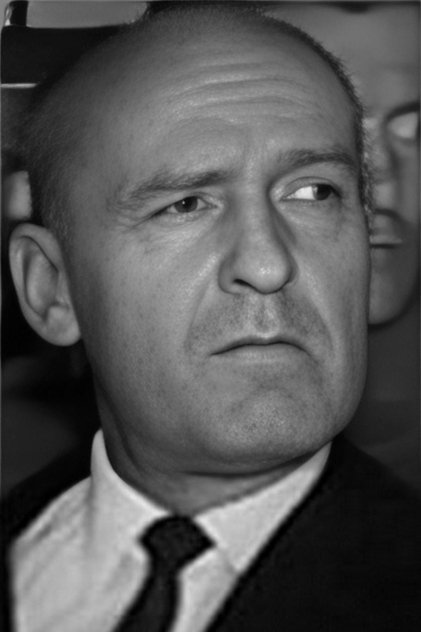
Ralph Boettner
Acting
Biography
No biography available for Ralph Boettner.
Born: February 11, 1923
Place of Birth: Erfurt, Germany
Known For
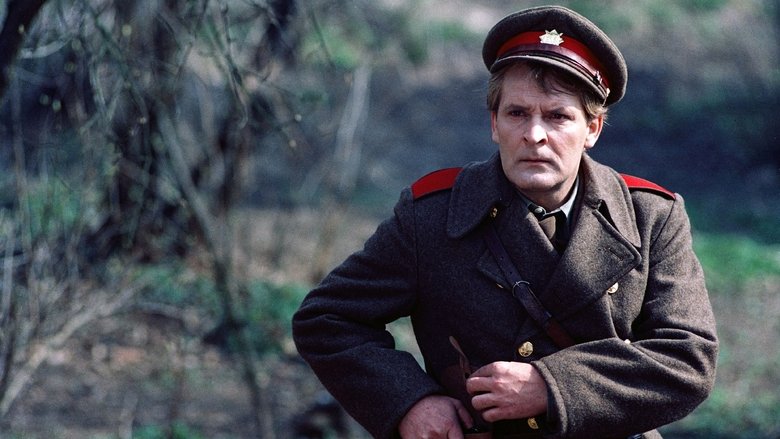
Thirty Cases of Major Zema
Thirty Cases of Major Zeman is a Czechoslovak action-drama television show intended as a political propaganda to support the official attitude of the communist party. The series were filmed in the 1970s. Each episode encompasses one year, and investigations are stylized to that year. Most are inspired by real cases. The series follows the life of police investigator Jan Zeman during his career from 1945 to 1975.
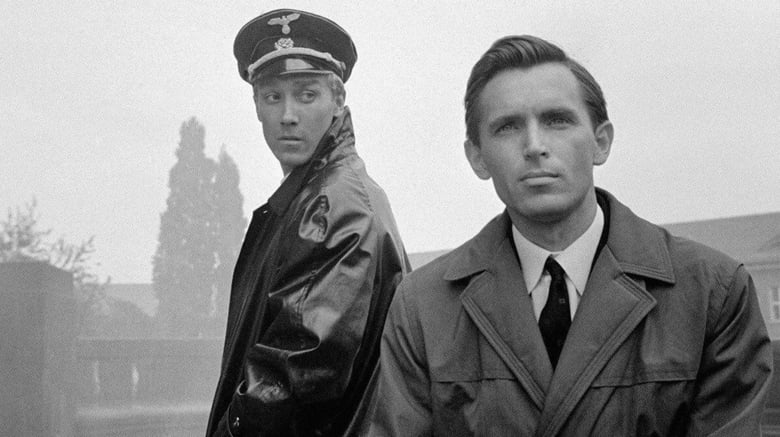
The Shield and the Sword
The year is 1940 and Nazi Germany is at the height of its military prowess, having captured most of Europe and eyeing the Soviet Union to the East. The Russian military command suspects hostile intent from Germany and so arranges for its spies to infiltrate ranks of the German military and the SS. Alexander Belov is a Russian spy, who travels from Soviet-held Latvia to Nazi Germany under an alias of Johann Weiss. His mastery of the German language, steel nerves and an ability to manipulate others help him to use his connections in the SS to ascend the ladder of the German intelligence. He uses his position to identify sympathetic Germans, who help him to procure vital intelligence, and to help local resistance movements in their collective fight against Nazism.
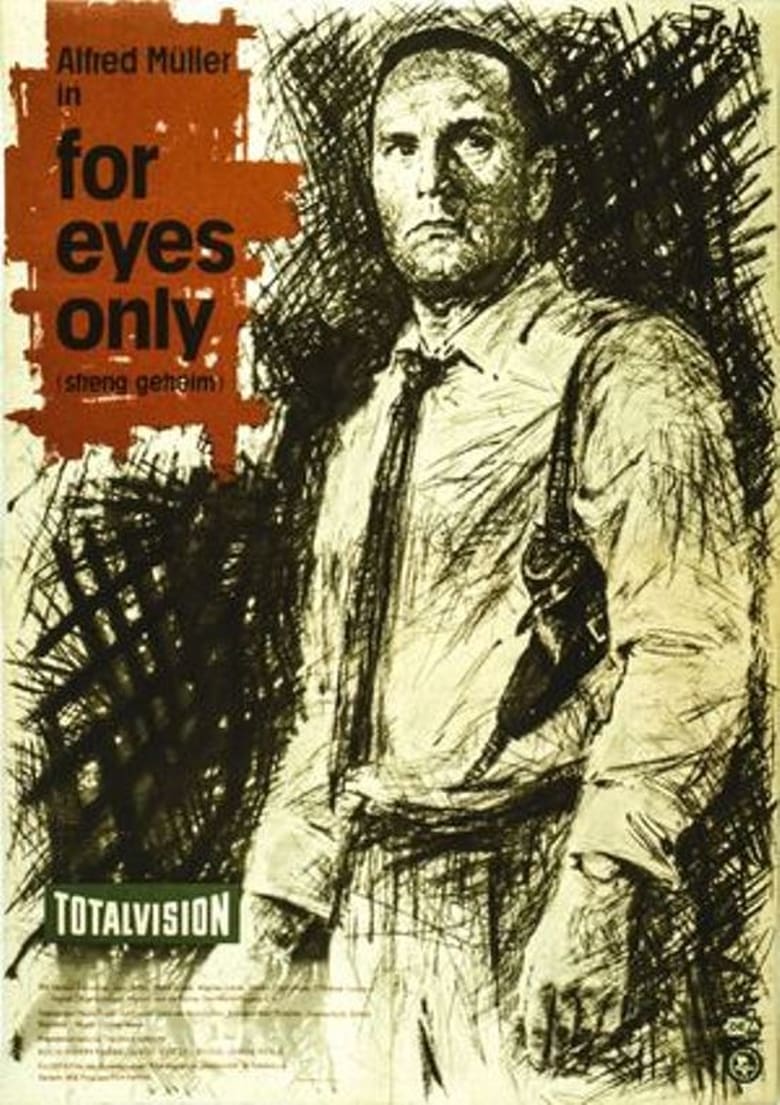
For Eyes Only
The "Concordia" trading company in Würzburg is a secret headquarters of the MID, a secret service agency of the US Army. For years, espionage, sabotage, and diversion operations originated from here in order to undermine the Socialist Republic of Germany. A favorable moment for a military attack approaches and plans are developed. These plans are placed in the hands of Major Collins, who keeps them in a safe. Hansen has worked for him for many years, but also for the Stasi as a double agent. Security Chief Colonel Rock knows there is a leak, but Hansen has passed every test thrown at him. He is trying to deal with his current assignment: acquiring the plans so they can be made public. His mission is to get them out of the safe and into the GDR without getting caught.
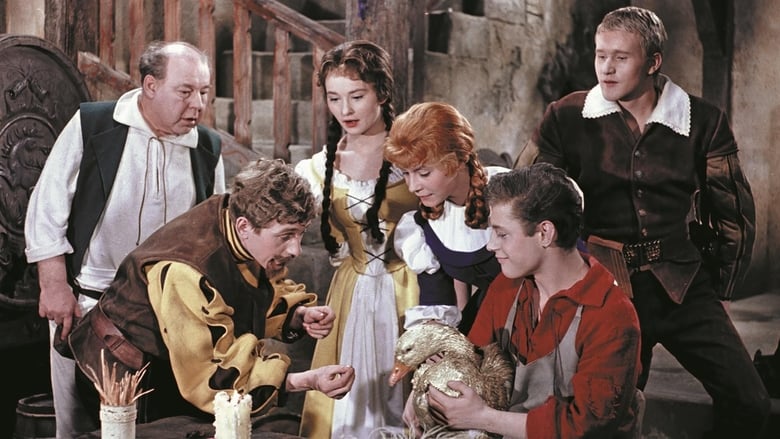
The Golden Goose
Klaus lives with his two brothers Kunz and Franz in a little village. Together, they ply their trade as cobblers in a small workshop. But the workload rests mainly on the shoulders of ill-treated Klaus. When Kunz and Franz go off into the forest to chop wood for fuel they run into an old woman who asks them for some wine and bread. Rudely and gruffly, they refuse her request and return home without any wood. Klaus then has to set out and he meets the old woman as well. He gladly offers her his frugal meal which is suddenly turned into pancakes and good wine. In addition, he receives a golden goose for his kindness. The bird possesses a an unusual characteristic: all those who are prying, nosy, envious and rapacious get stuck to it and become glued to one another.
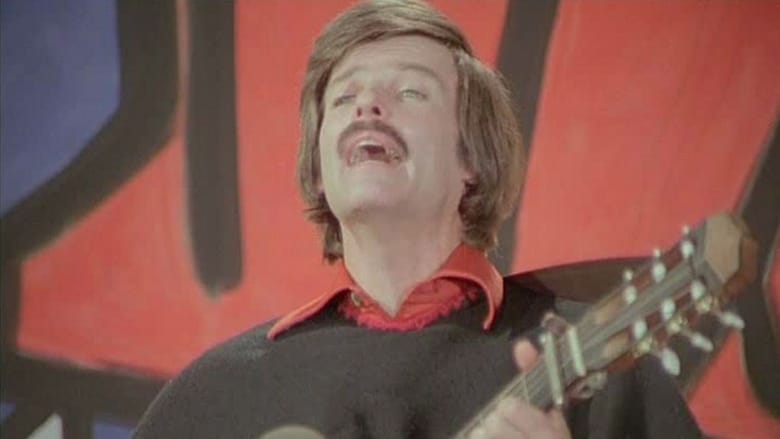
The Singer
A story of Victor Jara - one of the most popular singers in Chile.

Kit & Co.
The adventures of Kit Bellew and his friend Shorty during the gold fever at the end of the 19th century.

Ware für Katalonien
At the end of the 1950s, the production of optics in the German Democratic Republic has reached top quality and instigates interest in the West. When national demand rises strongly and at the same time the export to South America heavily decreases, the Volkspolizei - the GDR police force - starts to look into the case. Two seemingly unrelated cases are the starting point for the investigation by second lieutenant Schellenberg of the department for optics racketeering: An old woman who was arrested in the Berlin city railway for trying to smuggle a pair of binoculars to West Berlin, and a dead person in an area of allotments who was involved in obscure dealings with optical devices.
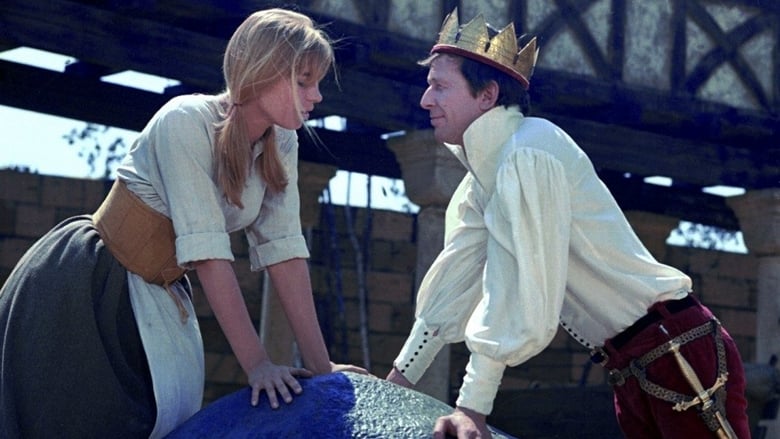
The Farmer's Clever Daughter
A farmer receives land from the king and discovers a buried golden mortar. He decides to give it to the king out of gratitude, but his clever daughter warns him that the king will surely want him to bring a corresponding pestle as well. When the king throws the farmer into jail for fraud, he bemoans the fact that he did not listen to his daughter.
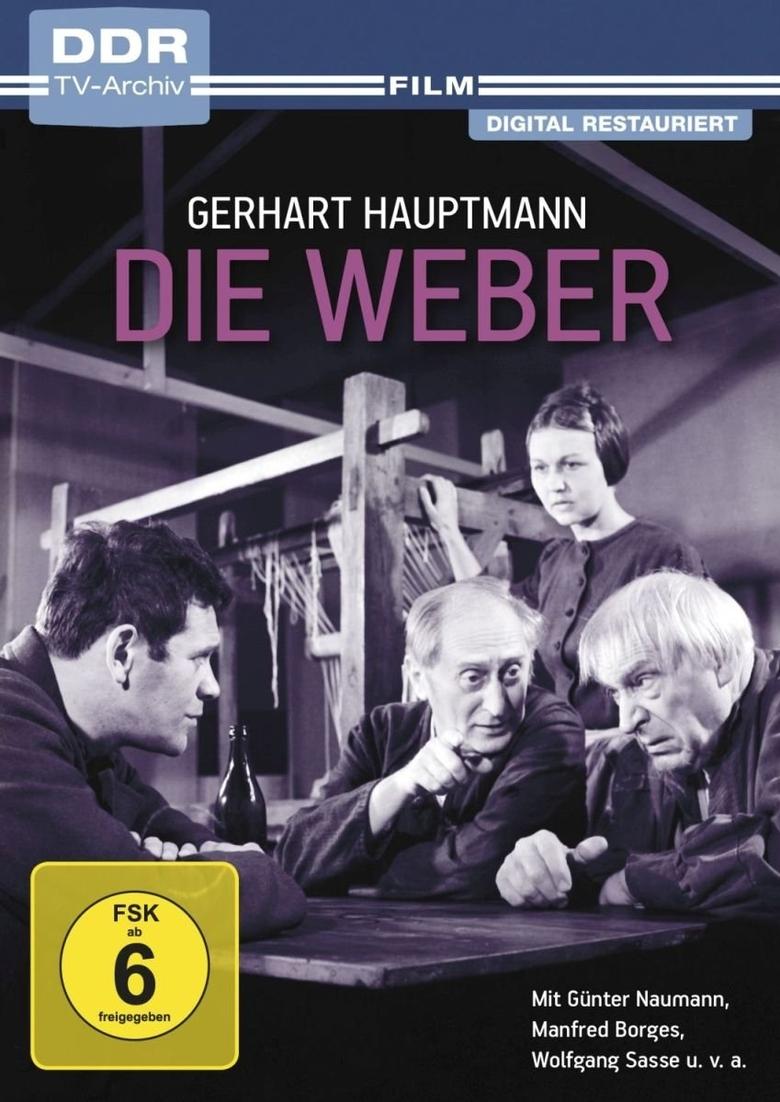
Die Weber
The emaciated weavers deliver their homework to the factory owner Dreißiger and receive their wages, on which they cannot live and cannot die. Driven by hunger, they ask for more money, but to no avail. Only the young baker and the reservist Jäger put up a fight, and both manage to encourage a large group of weavers to revolt against the factory owner. They break into his house and destroy it, whereupon he flees. The revolt continues, the weavers move through the surrounding villages, where more people join them. A little later, the military arrives to intervene against the angry crowd and restore the old order...
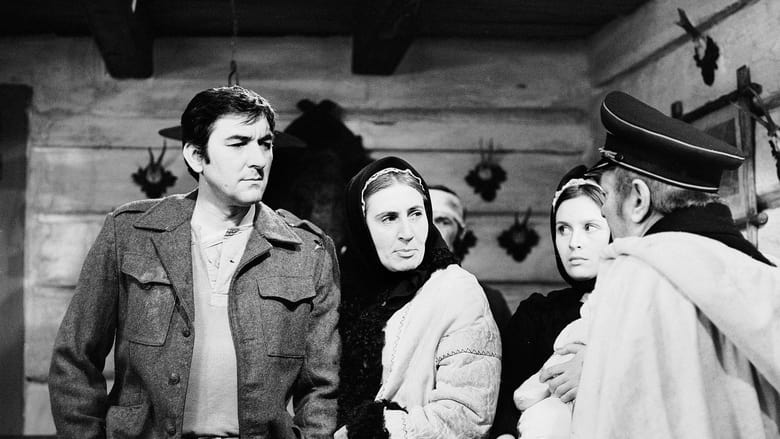
Deň, ktorý neumrie
In the story of a partisan armored train crew operating in the rebel territory of Slovakia, the inner drama of Matúš Siroň, who hates war with a passion, unfolds. After managing to escape from the Eastern Front, he falls into German captivity. When he is liberated by partisans during a train transport, he initially refuses to fight. However, the circumstances of the Slovak National Uprising force him to change his mind...
Filmography
as Big Burke
as Oberst Stein
as Creedy
as Ochsenbesitzer
as mann der Gestapo
as Maler
as von Rasslitz
as Hauptmann des Königs
as clerk in the exchange office