
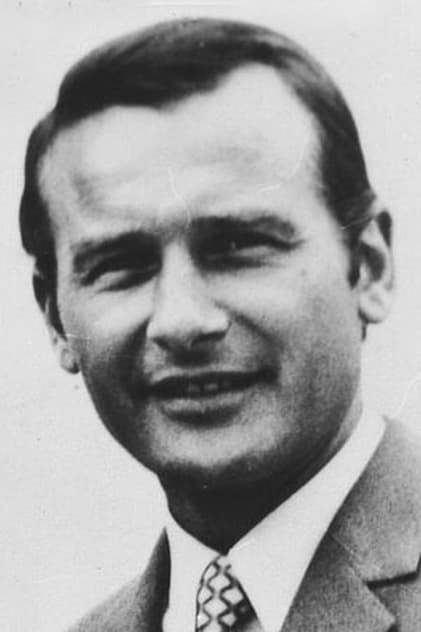
Reinhard Glemnitz
Acting
Biography
No biography available for Reinhard Glemnitz.
Born: November 27, 1930
Place of Birth: Breslau, Silesia, Germany
Known For

Stunden der Angst
Glenn Gridffin, his brother Hank and Samuel Robish have escaped from prison. They choose Dan Hilliard's house, of all places, as a safe house. The reason: nobody would think of looking for the three gangsters in such a respectable house where middle-class people live. However, the entire family - father Dan, wife Ellinor, daughter Cindy and son Ralphie - are terrified. They are trapped in their own home. Meanwhile, the gangsters give the order for everything to go back to normal. Dan goes to the office, daughter Cindy goes to the rendezvous. Of course, they are not allowed to say anything, otherwise another family member will no longer be alive. The atmosphere in the Hilliard house is slowly but surely coming to a head...
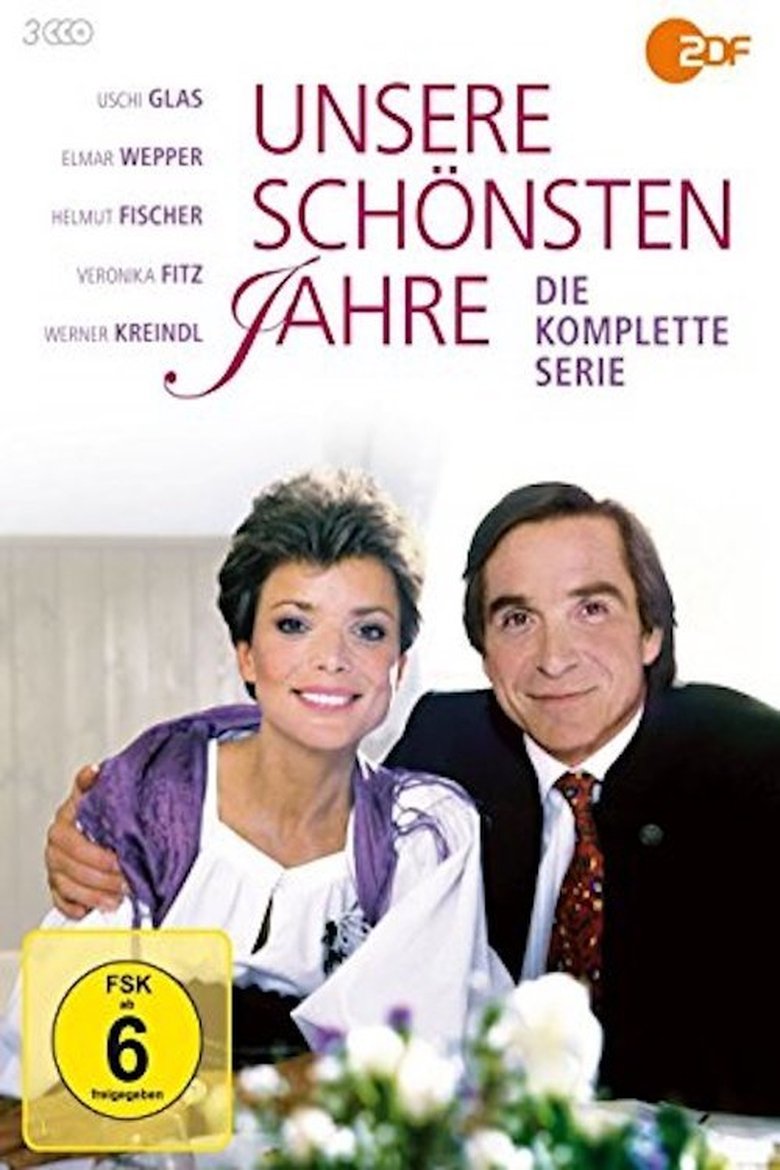
Unsere schönsten Jahre
Unsere schönsten Jahre is a German television series.
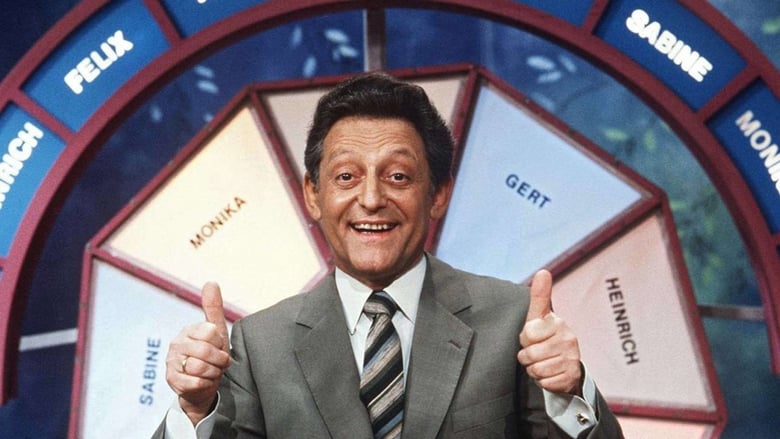
Dalli Dalli

Bambi
The Bambi, often called the Bambi Award and stylised as BAMBI, is a German award presented annually by Hubert Burda Media to recognize excellence in international media and television to personalities in the media, arts, culture, sports, and other fields "with vision and creativity who affected and inspired the German public that year", both domestic and foreign. First held in 1948, it is the oldest media award in Germany. The trophy is named after Felix Salten's book Bambi, A Life in the Woods and its statuettes are in the shape of the novel's titular fawn character. They were originally made of porcelain until 1958, when the organizers switched to using gold, with the casting done by the art casting workshop of Ernst Strassacker in Süßen.
Das Kriminalmuseum
Das Kriminalmuseum was a German television series. It ran from 1963 to 1970 on ZDF and was one of its first programs. Each episode began with a tracking shot through an unspecified crime museum, stopping at one of the displays, whose story was then told. Each episode was between 60 and 75 minutes long and featured different actors as the criminal commissioner. The best known was Erik Ode, who in 1969 moved to Der Kommissar, appearing in 97 episodes. The theme music of the series was written by German composer Martin Böttcher, who also composed the complete scores for five episodes.
Das Kriminalmuseum
Das Kriminalmuseum was a German television series. It ran from 1963 to 1970 on ZDF and was one of its first programs. Each episode began with a tracking shot through an unspecified crime museum, stopping at one of the displays, whose story was then told. Each episode was between 60 and 75 minutes long and featured different actors as the criminal commissioner. The best known was Erik Ode, who in 1969 moved to Der Kommissar, appearing in 97 episodes. The theme music of the series was written by German composer Martin Böttcher, who also composed the complete scores for five episodes.
Das Kriminalmuseum
Das Kriminalmuseum was a German television series. It ran from 1963 to 1970 on ZDF and was one of its first programs. Each episode began with a tracking shot through an unspecified crime museum, stopping at one of the displays, whose story was then told. Each episode was between 60 and 75 minutes long and featured different actors as the criminal commissioner. The best known was Erik Ode, who in 1969 moved to Der Kommissar, appearing in 97 episodes. The theme music of the series was written by German composer Martin Böttcher, who also composed the complete scores for five episodes.
Das Kriminalmuseum
Das Kriminalmuseum was a German television series. It ran from 1963 to 1970 on ZDF and was one of its first programs. Each episode began with a tracking shot through an unspecified crime museum, stopping at one of the displays, whose story was then told. Each episode was between 60 and 75 minutes long and featured different actors as the criminal commissioner. The best known was Erik Ode, who in 1969 moved to Der Kommissar, appearing in 97 episodes. The theme music of the series was written by German composer Martin Böttcher, who also composed the complete scores for five episodes.
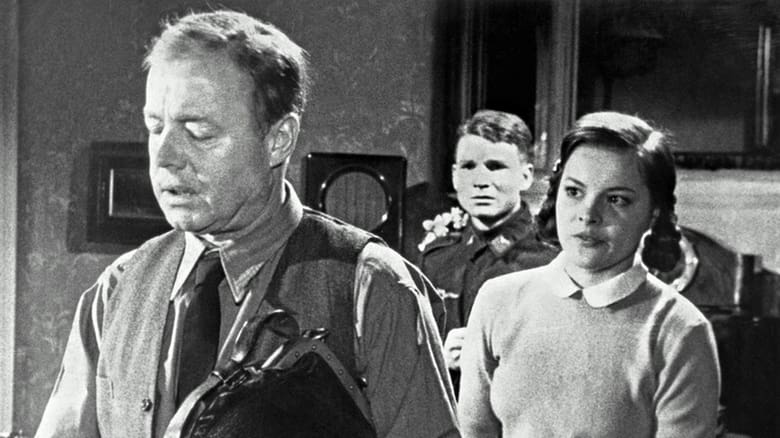
Mein Schulfreund
In the midst of World War II, postman Ludwig Fuchs writes a letter to his former school friend Field Marshal Hermann Göring, urging him to work for peace. He is declared mentally incompetent. After the war, he struggles to shake off the stigma of alleged mental illness. Göring is executed. Fuchs forces the court to examine him: he vandalizes the lobby of Post Office 122 in Munich and is rehabilitated (with full salary compensation for lost years).

Die fünfte Kolonne
Die fünfte Kolonne is a German television series.
Filmography
as Pieter Paul Ibsen (archive footage)
as Herr Zinkmann
as Franz Zinkmann
as Stiftungsvorsitzender Lämple
as Hermann
as Dr. Josef Bühler
as Günter Holleg
as Standesbeamter
as Dirk Weisberg
as Ruben (voice)
as Walter Silldorf
as Jörg
as Mr. Bussark
as Ernst Scheubel
as Dr. Werner
as Twist
as Gustav Gernot
as Erich Lehmann
as Herr Ritter
as Rudolf Schönhauser
as Dr. Schwede
as Hoss
as Erich Kolpe
as Self
as Lawyer
as Freddie Schwarz
as Robert Heines
as Monsieur Piccaud
as von Hagen
as Pieter-Paul Ibsen
as Jones
as Lehrer Brock
as David Carson
as Vertreter Bingert
as Abel
as Journalist
as Wolf Lemnitzer
as Mahler
as Jochen Gabler
as Kluge
as Ostagent Hermann
as Kriminalassistent Bernhard
as Kriminalinspektor Dr. Gottlieb
as Kriminaloberkommissar Levin
as Erzähler
as Eduard Hassfeld
as Geldbriefträger
as Zollassistent Rathke
as Self
as Leutnant Harald Hofmann
as Sass
as Unteroffizier Lindenberg
as Self