
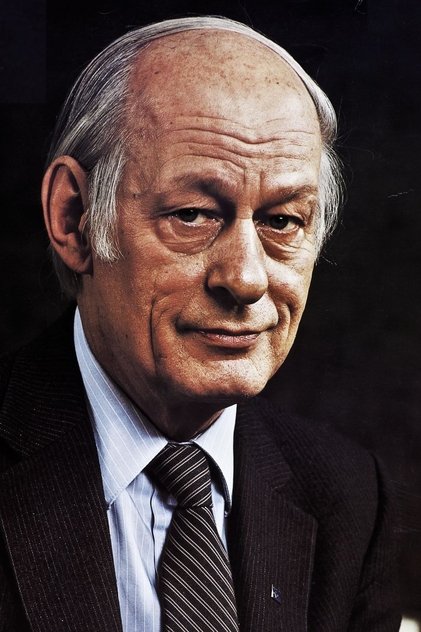
René Lévesque
Acting
Biography
René Lévesque (1922–1987) was a Québécois politician and journalist who served as the 23rd Premier of Quebec from 1976 to 1985. Starting his career as a reporter, and radio and television host, he later became known for his eminent role in Quebec's nationalization of its electric power industry, and as an ardent defender of Quebec sovereignty. He was the founder of the Parti Québécois political party—and before that, a liberal minister of the government of Quebec from 1960 to 1966 and the first Québécois political leader since Confederation to attempt, through a referendum, to negotiate the political independence of Quebec.
Born: August 24, 1922
Place of Birth: Campbellton, New Brunswick, Canada
Known For
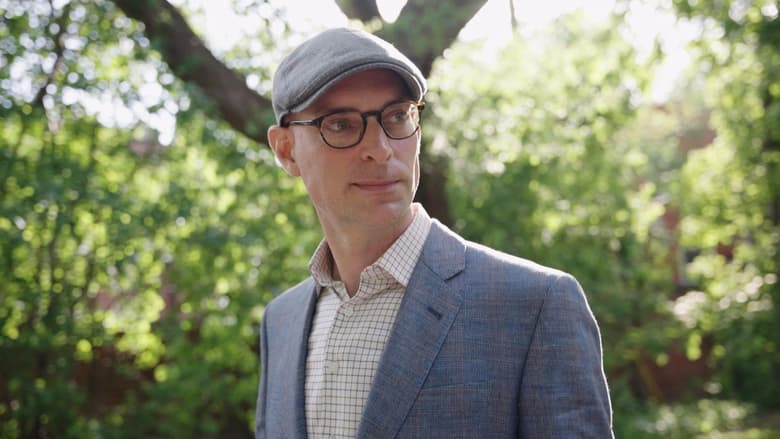
Qui se souvient de René Lévesque?
With his charisma, his energy, his integrity - but also his faults - René Lévesque left an indelible mark in the collective imagination of Quebecers: that of a hero of a people. But how can we measure his legacy, 35 years after his death and 100 years after his birth? From Montreal to New Carlisle, L'Actualité journalist Guillaume Bourgault-Côté crosses Quebec to meet certain relatives, colleagues, experts and artists who rubbed shoulders with the man, literally and figuratively. Together, they try to identify what remains of René Lévesque. By traveling through Quebec, we will better understand the legacy left by René Lévesque 100 years after his birth, 35 years after his death: his role in the sovereignist movement, the development of public and economic policies, but also the strength of his personality, which still today arouses a feeling of deep attachment among the Quebec population, regardless of political allegiances. (Translated from French.)
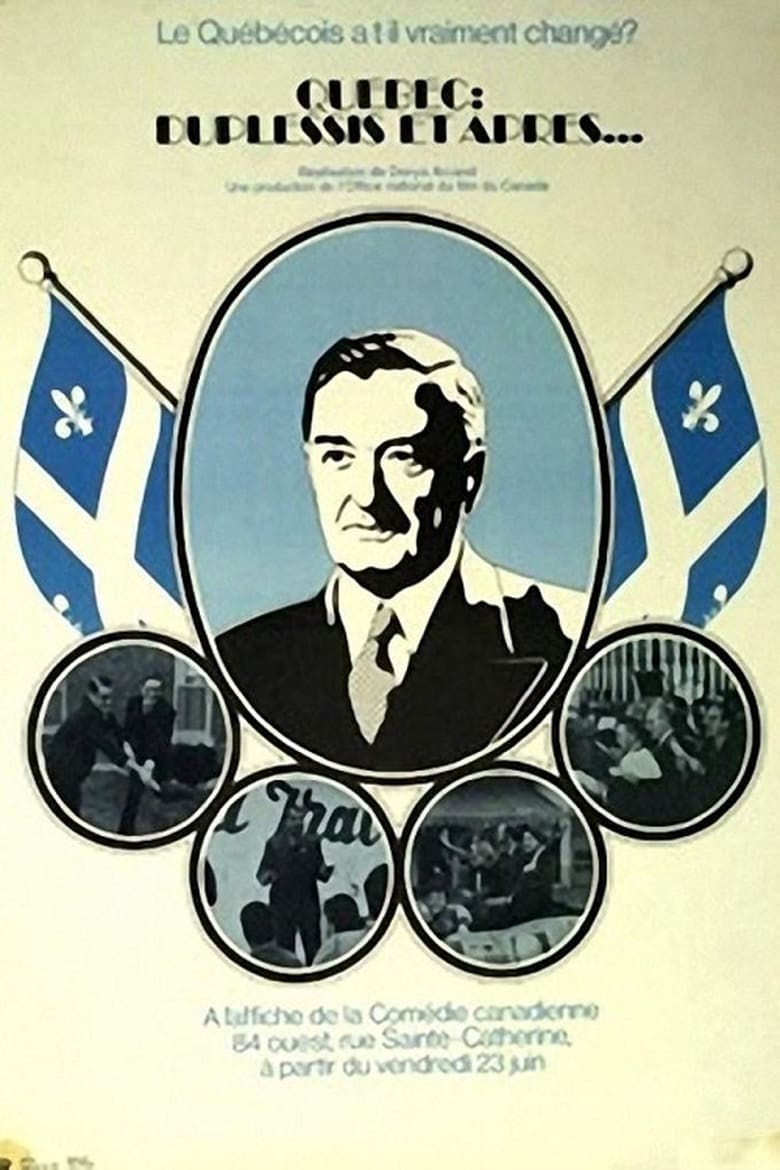
Quebec: Duplessis and After...
This film establishes a parallel between the 1970 electoral campaign in Québec and the 1936 campaign dominated by Maurice Duplessis. It shows the hope but also the uncertainty that existed in 1970. Had the Quiet Revolution really changed things in Québec? Was it possible that a new leader would emerge on the political scene? (NFB.ca)
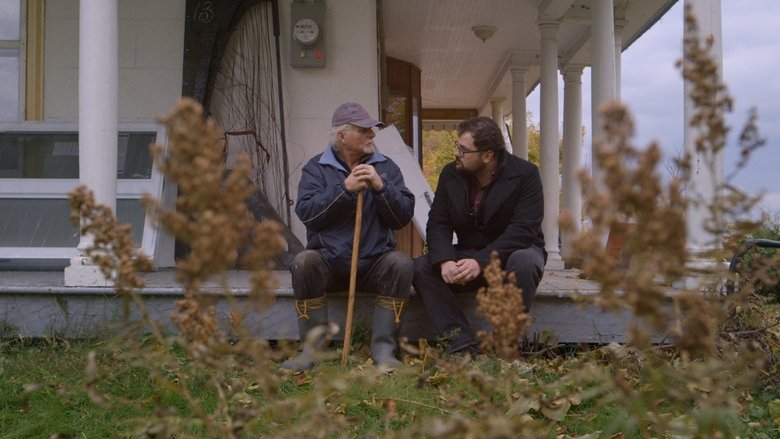
Les Rose
In October 1970, members of the Front de Libération du Québec (FLQ) kidnapped and murdered Minister Pierre Laporte, part of an unprecedented crisis in Quebec. Fifty years later, Félix Rose tries to understand what could have led his father and uncle to commit such crimes. Thanks to his uncle Jacques, who agrees for the first time to speak on the subject, and to the traces left by his father Paul, he revives the heritage of a Quebec working class family. The fruit of ten years of research, Les Rose allows us to revisit a time and people that we knew through clichés, and gives a glimpse of the experiences of a rebellious youth and the crimes that followed.
The Devil's Share
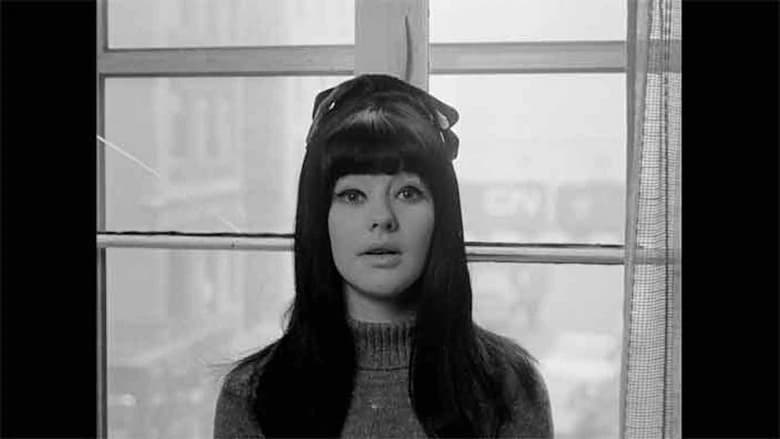
Quebec, on the cusp of the 1960s. The province is on the brink of momentous change. Deftly selecting clips from nearly 200 films from the National Film Board of Canada archives, director Luc Bourdon reinterprets the historical record, offering us a new and distinctive perspective on the Quiet Revolution.
Action : The October Crisis of 1970
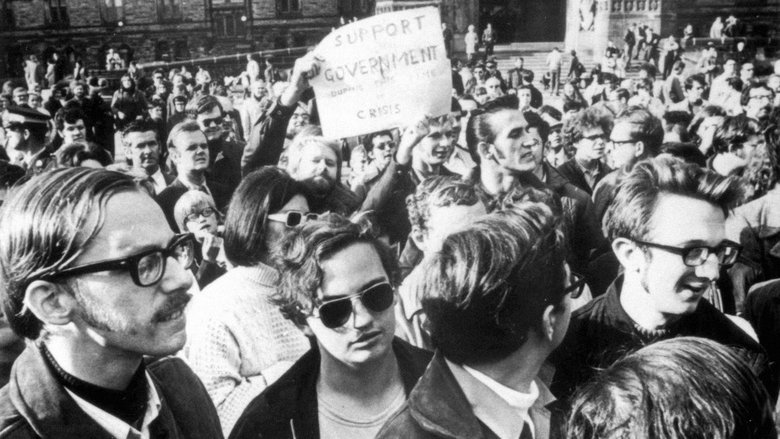
A long and thoughtful look at those desperate days of October 1970, when Montréal awaited the outcome of FLQ terrorist acts. This film puts the October Crisis in the long perspective of history. Compiled from news and other films, it shows independence movements past and present, and their leaders; it reflects the mingled relief, dismay, defiance, when the Canadian army came to Montréal; and it shows how political leaders viewed the intervention.

Comfort and Indifference
Made shortly after the referendum on Quebec's independence was held, this documentary illustrates what the politicians' promises were and how the population did not really care nor truly understand what was really at stake, even though just about everyone had an opinion on the subject.

The Champions, Part 2: Trappings of Power
Part 2 of this 3-part documentary series about Pierre Elliott Trudeau and René Lévesque covers the years between 1967 and 1977, a colourful decade that saw Trudeau win three federal elections, the 1970 October Crisis and the sweeping rise to power of the Parti Québécois.

The Champions, Part 1: Unlikely Warriors
In Part 1 of this 3-part documentary series, director Donald Brittain chronicles the early years of Pierre Elliott Trudeau and René Lévesque. From their university days in the 1950s to 1967 when Lévesque left the Liberal Party and Trudeau became the federal Minister of Justice, Brittain attempts to get at the heart of what makes these men so fascinating.

Thieves of Innocence
Every year in Quebec, 25,000 reports of children being beaten, sexually abused or abandoned are retained by the Directorate of Youth Protection. And nearly 40% of babies who die in the province to die because of the violence of their parents. This explains the fact that nearly 30,000 children are supported by the DPJ until the age of 18. But this government agency is in a position to meet the needs of young people? Journalist and documentary filmmaker Paul Arcand presents the testimonies of children and adult victims of abuse of all kinds, and interviews politicians, social workers and members of the judiciary on their perception of the problem. In addition, Arcand denounces the carelessness of a bureaucratic system that does not always seem to be concerned about the well-being of those for whom they are responsible.
15 Nov
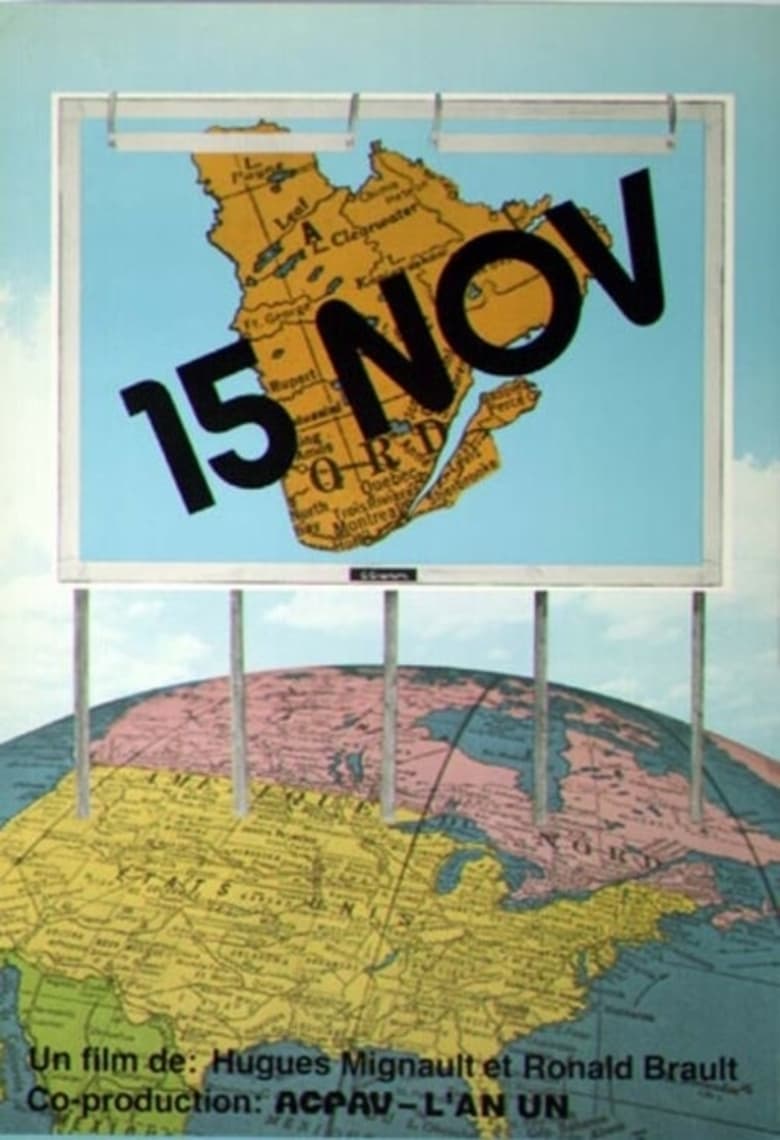
A look at November 15, 1976, the date the Parti Québécois seized power in the provincial elections, a victory that gave rise to an unprecedented outburst of joy at the Center Paul-Sauvé, a place where PQ sympathizers gathered.
Filmography
as archival footage
as archival footage
as Self (archive footage)
as Self (archive footage)
as René Lévesque
as Self (archive footage) (uncredited)
as archival footage
as Premier ministre du Québec
as self
as Self
as Self
as Self
as Self - Président du Parti québécois
as Narrateur