

Renée Saint-Cyr
Acting
Biography
Renée Saint-Cyr (16 November 1904 – 11 July 2004) was a French actress. She appeared in more than 60 films between 1933 and 1994. She was the mother of Georges Lautner, who also achieved fame in the film business, albeit as a director. Source: Article "Renée Saint-Cyr" from Wikipedia in English, licensed under CC-BY-SA 3.0.
Born: November 16, 1904
Place of Birth: Beausoleil, Alpes-Maritimes, France
Known For

Trois... six... neuf
Pierre loves Agnès who prefers Clément, an aviator. Out of desperation, he will commit suicide. Agnès then concludes a pact with him. During the three months that Clément will be absent, Pierre will be able to see her as much as he wants. She thinks that this time will be enough for the young man to realize that she is not the ideal woman for him.
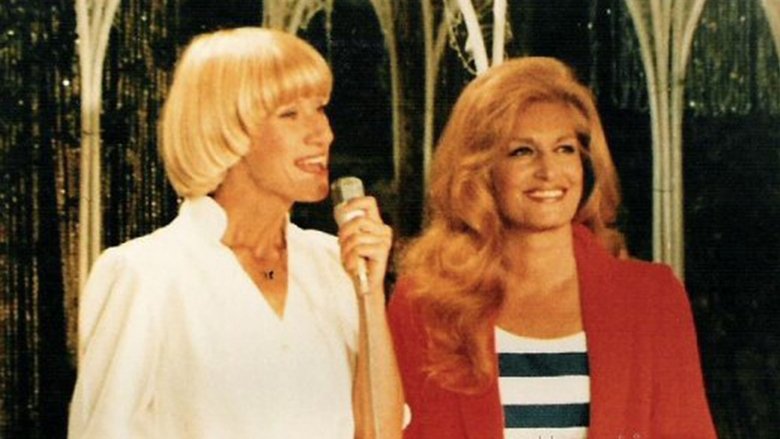
Midi Première
Midi Première is a French variety show presented by Danièle Gilbert, directed by Jacques Pierre and broadcast from January 6, 1975 until January 1, 1982 on TF1. The program was generally broadcast between 12:15 p.m. and 12:55 p.m., then giving way to the 1:00 p.m. TV news. However, the broadcast schedule could change, depending on the guests, and the setting where the recording of the program was shot. Certain performances by artists who have become cult like the one where Ringo jostles with a demonstrator in interpretation (1977), that of Dalida with the title There is always a song with the soundtrack that does not start, twice, at the right speed (1978), Claude François and his Clodettes, who, in the provinces, are unable to join "the set" in order to interpret his song, the latter being taken by the crowd of delirious fans (summer 1977) . The group Supertramp performed there with the title "Dreamer" on March 8, 1975.
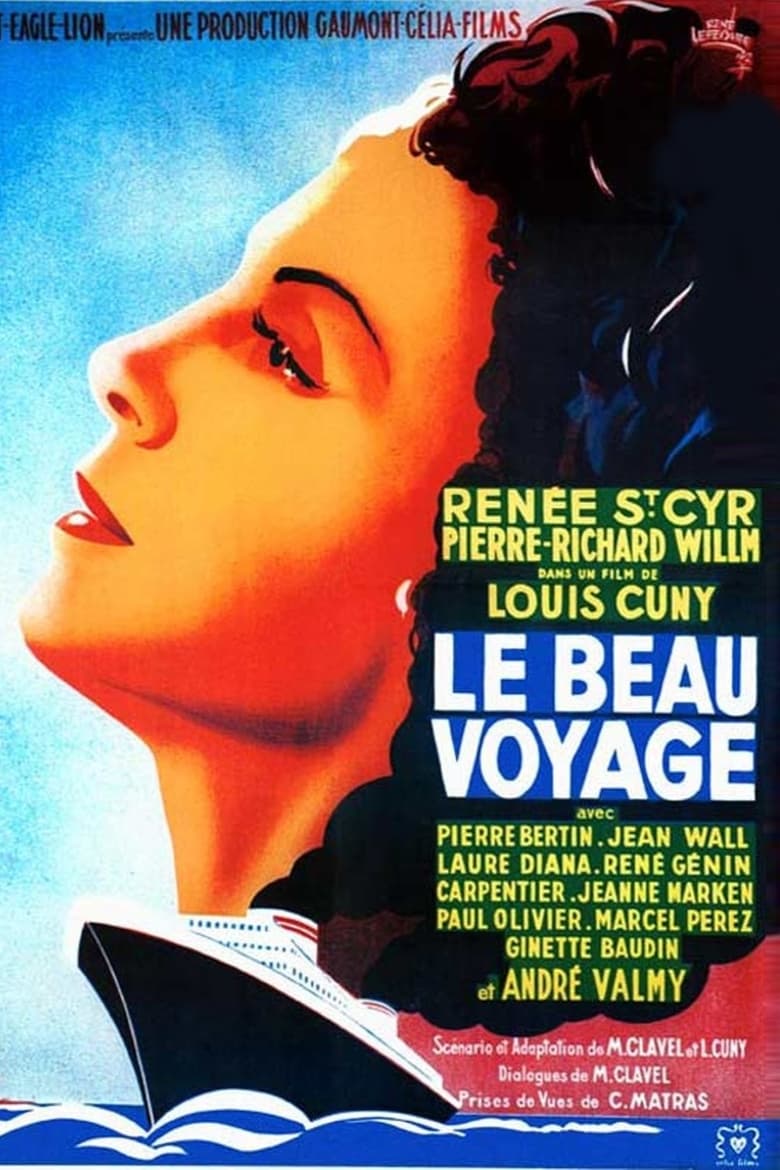
The Beautiful Trip
She dragged out a more than mediocre life in the port of Antwerp; he is a renowned pianist-virtuoso. These two solitary beings, totally different, meet by chance on a liner and gradually realize that they complement each other harmoniously.
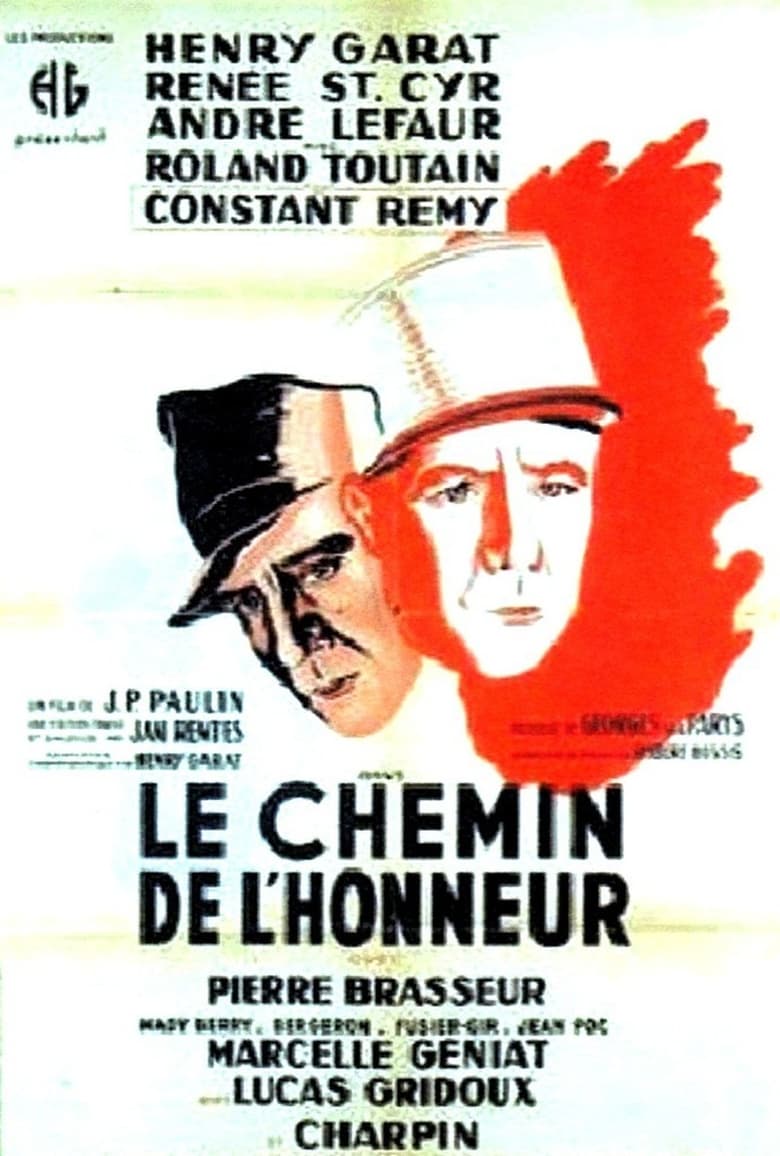
The Path of Honor
Two twin brothers have joined the army, Paul by vocation is a lieutenant of spahis and Georges to escape the police is a sergeant in the Foreign Legion. A snitch having informed the police of Georges' presence at the Legion, he must leave. In Casablanca, Paul helps his brother escape the police by taking his identity to allow him to regain his honor.
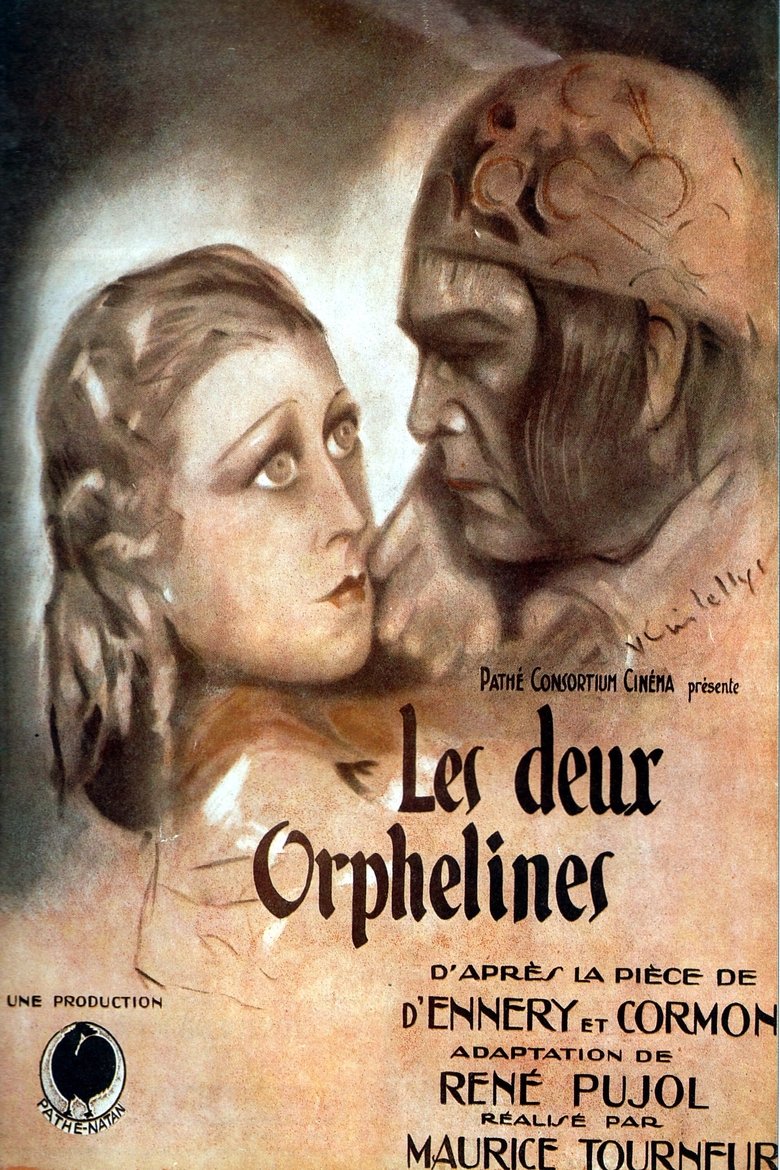
The Two Orphans
A more small scale version of the story Griffin used for his epic Orphans Of The Storm: a doctor tries to reunite two sisters who have become separated from each other during the whirlwind of the French Revolution.

Tous les deux
Jean and Claude - he a car builder, she a model - loved each other, then separated because of Jean's despotic affections. Claude has retired with her child and a friend to a farm she can't manage. Wearily, the friend alerts Jean who, in the twinkling of an eye, erases the difficulties. Claude also learns that the child has been recognized and that his father has always looked after him. The two reconcile and embark on a journey for better or for worse.
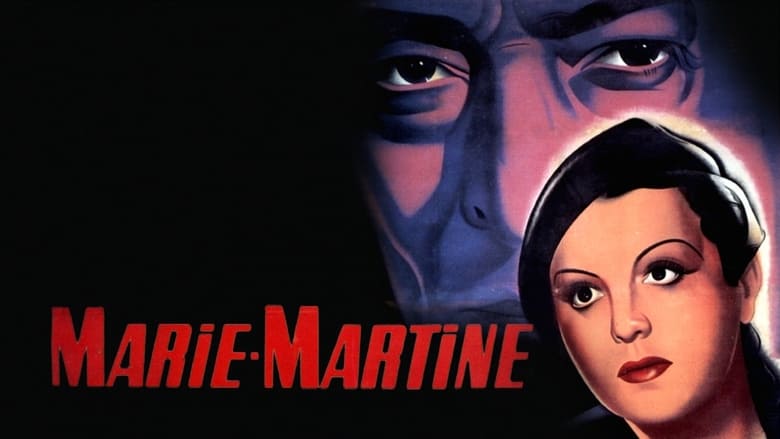
Marie-Martine
The novelist Loïc Limousin knew the turbulent past of Marie-Martine and he extracted the material for a novel from which the young girl risks paying the price. After the drama that had thrown her in prison, she met a brave boy ready to make his life with her. Will the scandal separate them?
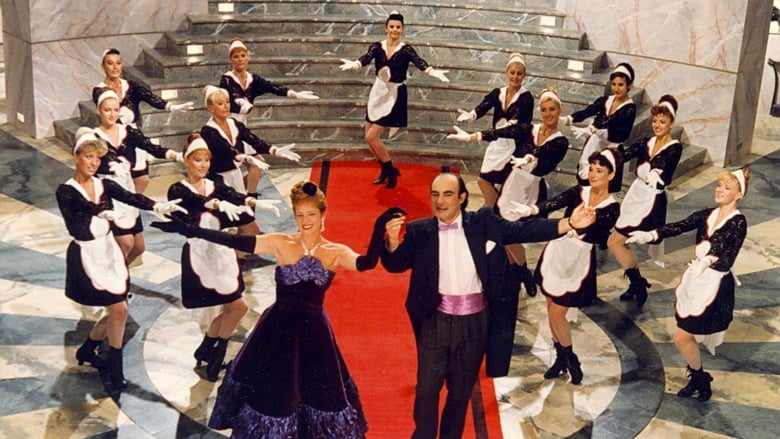
Palace
The action takes place - as the title suggests - in a Palace, a really nice hotel. Funny scenes happen in different places: the kitchen, the reception, the elevator, the rooms, ...

The Glorious Avenger
A group of royalists during the French Revolution make several attempts to rescue Marie Antoinette from prison, in this combination of genres: swashbuckler, melodrama, psychological drama, and historical tragedy. Based on the novel by Alexandre Dumas.
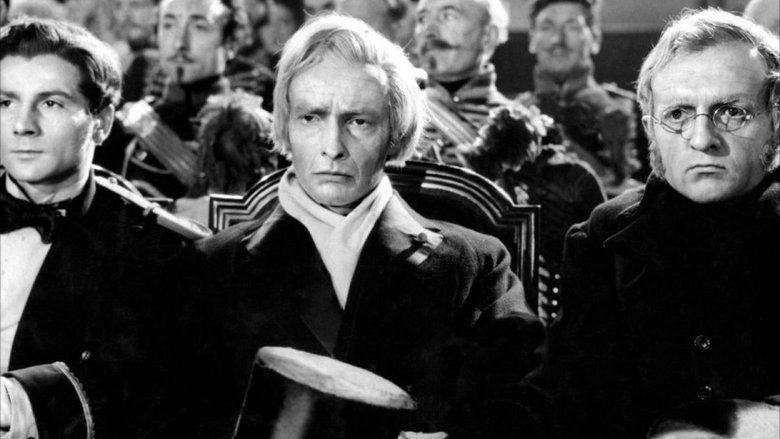
La Symphonie fantastique
The film is biographical, telling the story of the life and artistic struggles of the French composer Hector Berlioz. Berlioz is shown as a recalcitrant medical student in an anatomy class dreaming of becoming a composer; at a demonstration during a performance at the Paris Opéra conducted by Habeneck; at supper with other young artists (Hugo, Janin, Dumas, Mérimée, Delacroix); and chasing after his future wife Harriet Smithson, after a performance of Hamlet. Also depicted are his life in a garret, while suffering from an illness due to an abscess in the throat; a visit from his mother who curses him; and the composition of the Symphonie fantastique. The film then shows his marital breakdown, the premiere of his opera Benvenuto Cellini, his travels throughout Europe, his second marriage to Marie Recio (called "Marie Martin" in the film), public acceptance in old age and reconciliation with his son.
Filmography
as Self
as Self
as Madame de Valmy
as The Countess
as Gardienne du bon goût
as Marie-Louise, la mère de César
as Mrs. Le Boucau
as Widow Bertillon
as Marie-Louise Precy-Lamont
as Mrs. Ferroni
as Doctor Laville
as La grand-mère
as Self
as Yvette Hutin, Sophie's mother
as Countess
as Frau Tissot
as La Directrice de la Maison Maternelle du Val-de-Marne
as La mère de Ferdinand
as Madame Hui
as Duchess of Ayen
as l’Impératrice Eugénie
as L'Impératrice Eugènie
as Susanne
as Bella Fontanges
as Marie-Antoinette
as Maria del Fuego
as Florence Hennings
as Eve
as Claude Chaussaigne
as Lena
as Solange Delmont
as Patricia
as Paméla
as Alice
as Edwige
as Marie-Martine
as Clarisse Coquet
as Marie Vidal
as Marie Martin
as Anne Morris / Helen Morris
as Maria Verani
as Renée de Marvilliers
as Juliette Régent
as Louise Blythe
as Hélène
as Madeleine de la Tour d'Auvergne
as Agnès
as Gloria Grand
as Thérèse Tomasoni
as Ginette
as Gisèle, saleswoman
as Princess Isabelle
as Colette, la jeune femme
as Ginette
as Henriette
as Josette