
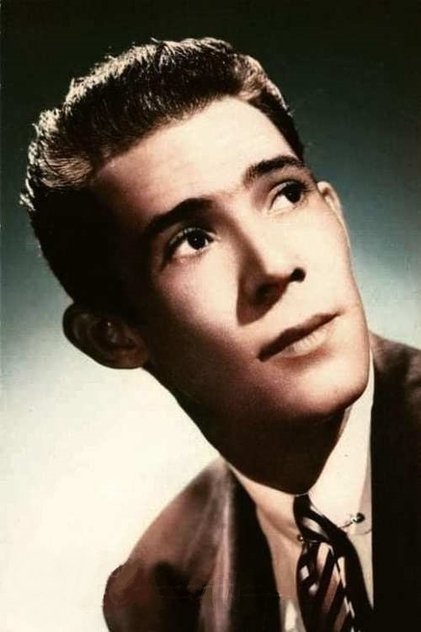
Reynaldo Miravalles
Acting
Biography
No biography available for Reynaldo Miravalles.
Born: January 22, 1923
Place of Birth: Havana, Cuba
Known For
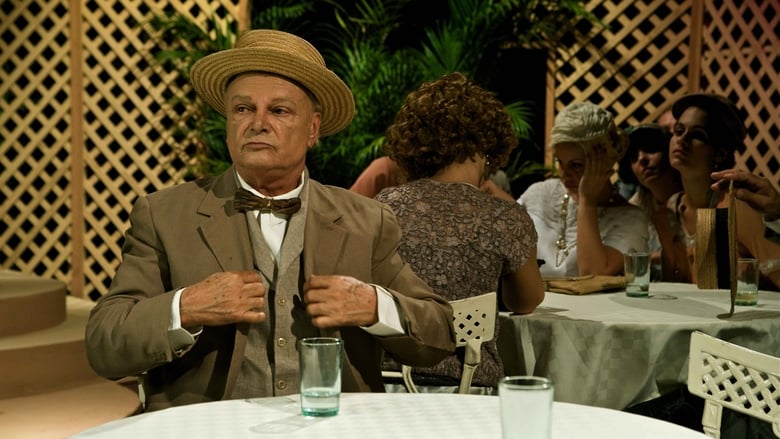
Esther en alguna parte
A widower is surprised to learn that his late wife lead a double life.
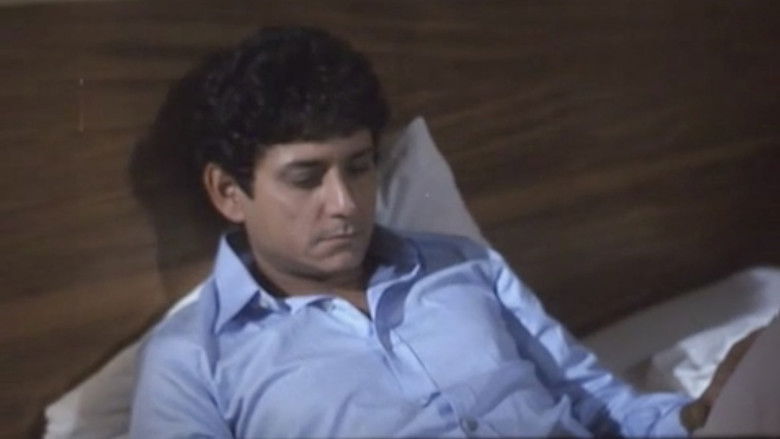
Cubagua
Based on the novel by Venezuelan writer Enrique Bernardo Núñez, the film tells the story of engineer Leiziaga discovering his historical doubles in the context of the colonization of the island of Cubagua in Venezuela. In this way, two stories are intertwined: one that takes place in the 16th century and another in the 20th century. The first story focuses on the life of the Spanish settlers who arrived in Cubagua and the exploitation of the indigenous peoples for pearl extraction; the second story, set in the 1920s, tells of Leiziaga's archaeological expedition, financed by a multinational oil company, in which he visits the island to study the ruins of the Spanish settlement, which leads him to reflect on the passage of time and the destruction caused by human exploitation, and through a game of mirrors, to realize the relationships between the past, present and future.

The Twelve Chairs
When her country is taken over by socialist revolutionaries, a wealthy woman can't bear to give up all of her wealth and possessions to the new government, so she hides all of her treasures in the 12 chairs of a dining-room set. After her death her nephew finds out what she had done and, since the chairs had been "nationalized" and are now in the possession of a dozen different people, he sets out to track them down and get the treasures he believes rightfully belong to him.
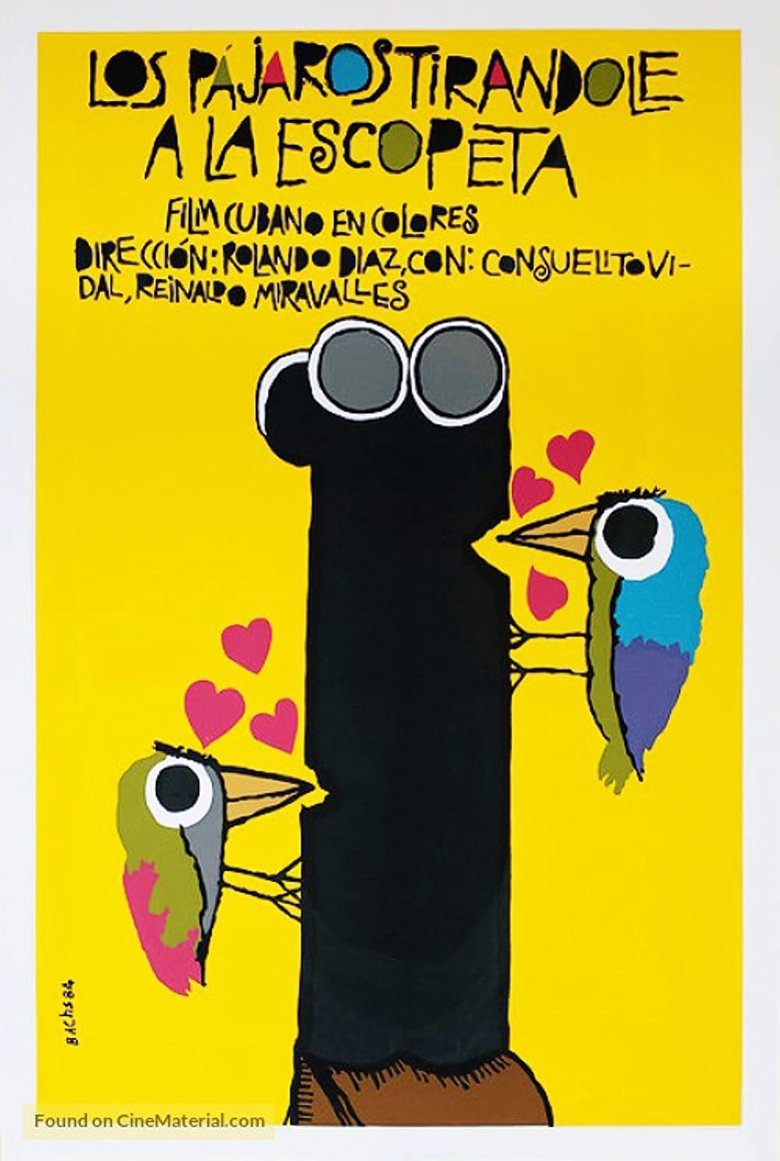
Tables Turned
A young couple find out that their parents (her father and his mother) are having a romance. A series of problems arise because the young couple can't accept that relationship.
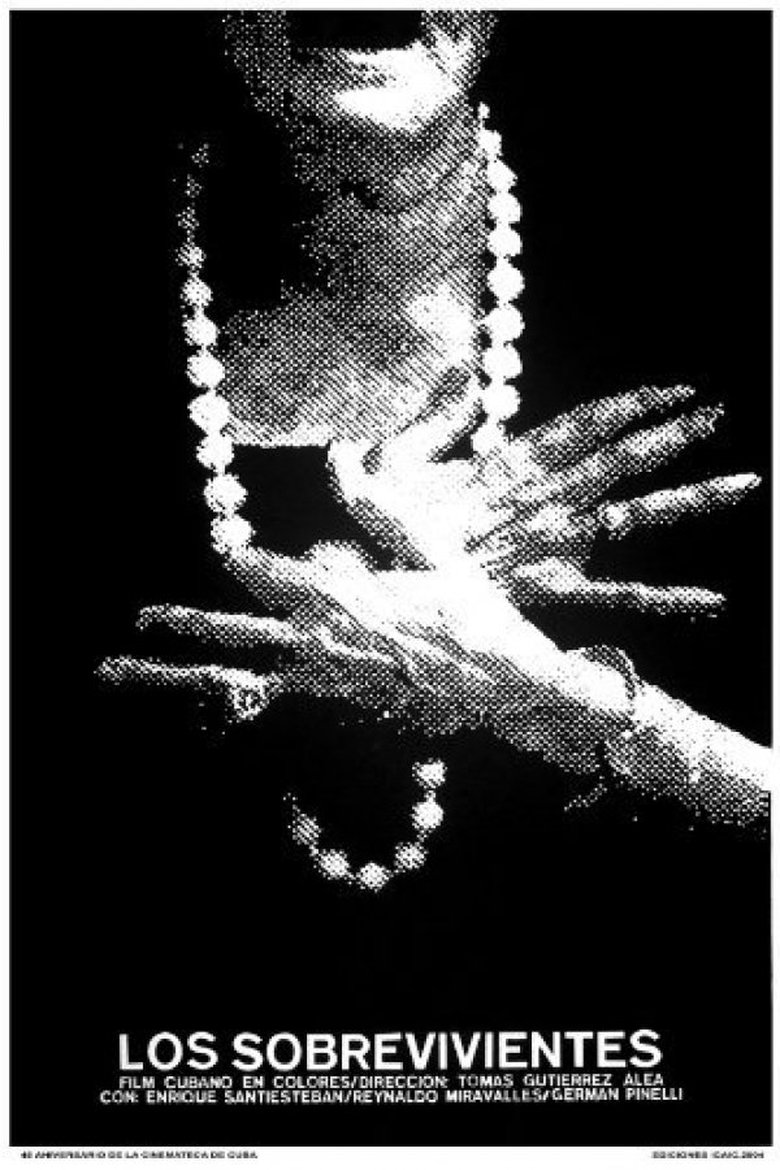
The Survivors
A bourgeois Cuban family of aristocratic origin locks itself into its mansion when the Cuban Revolution comes to power, waiting for the new regime to be overthrown. As time passes, they regress to older and older systems of political order, from capitalism to feudalism to "primitive savagery." Preserved by the Academy Film Archive in 2017.

Alice in Wondertown
A biting satire about life in contemporary Cuba. Alicia, a young drama instructor, is sent to the small town of Maravillas de Noveras, which is itself an exaggerated, but very ingenious reflection of the real Cuba. Her adventures there are almost as surreal as the ones experienced by Lewis Carroll's character, reflecting patterns of indoctrination, coercion, absolutism, and many other everyday problems in Cuban society.
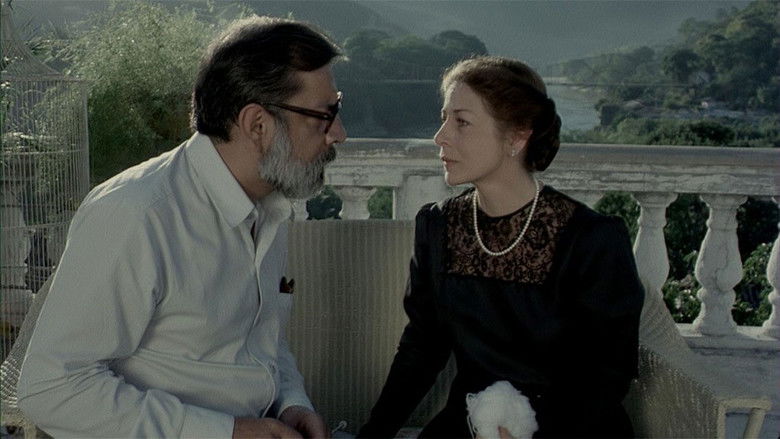
A Time to Die
A man is released from prison, and after 18 years, returns to his village. But in this village, time, in many ways, has stood still. The time served by Juan complied with the court's justice, but not with some villagers. There are some who still seek true justice.

Stories of the Revolution
A film about the Cuban Revolution told from three different perspectives.
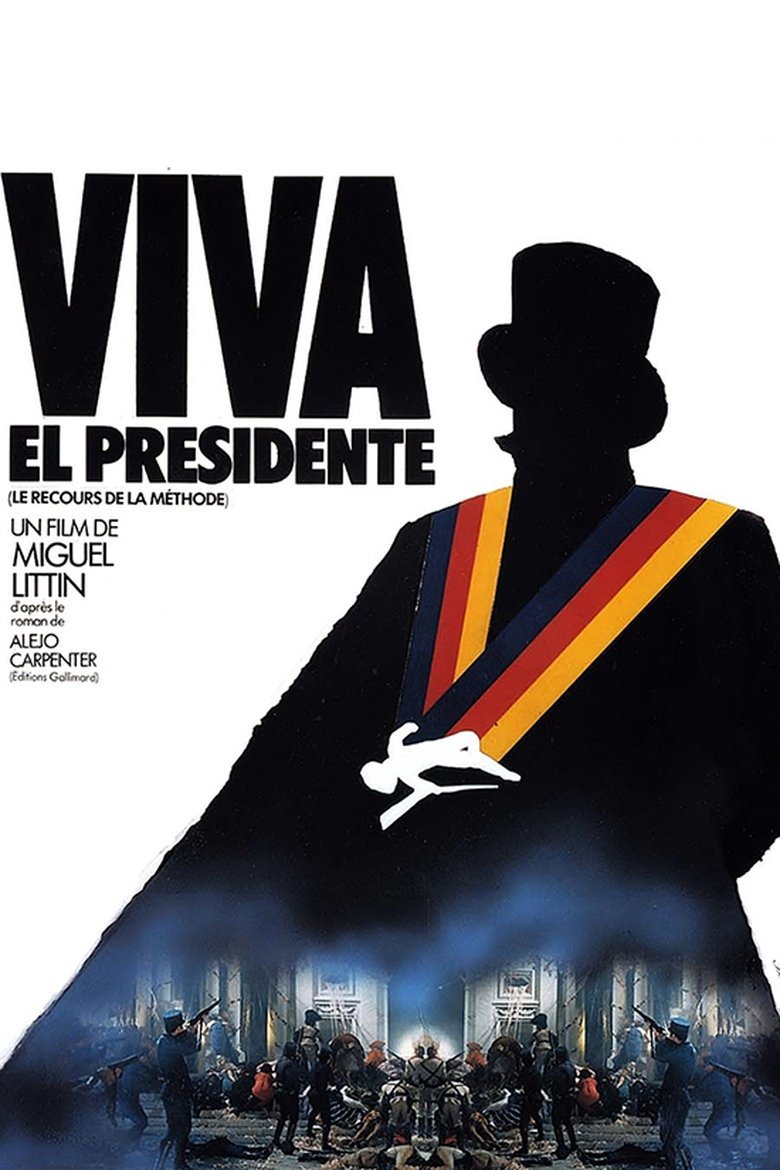
The Recourse to the Method
Set in the early 1900s, this film charts the rule of a Latin American dictator as he moves from being a charming despot to a tyrannical ruler before he is finally ousted, only to die in obscurity in Paris. Early in his regime, the resources and agricultural products his country sells command high prices, and he is a reasonably confident, even gentle, ruler who likes to take long vacations with his daughter in Paris. After World War I, with falling prices and a number of coup attempts behind him, his rule becomes quite cruel.
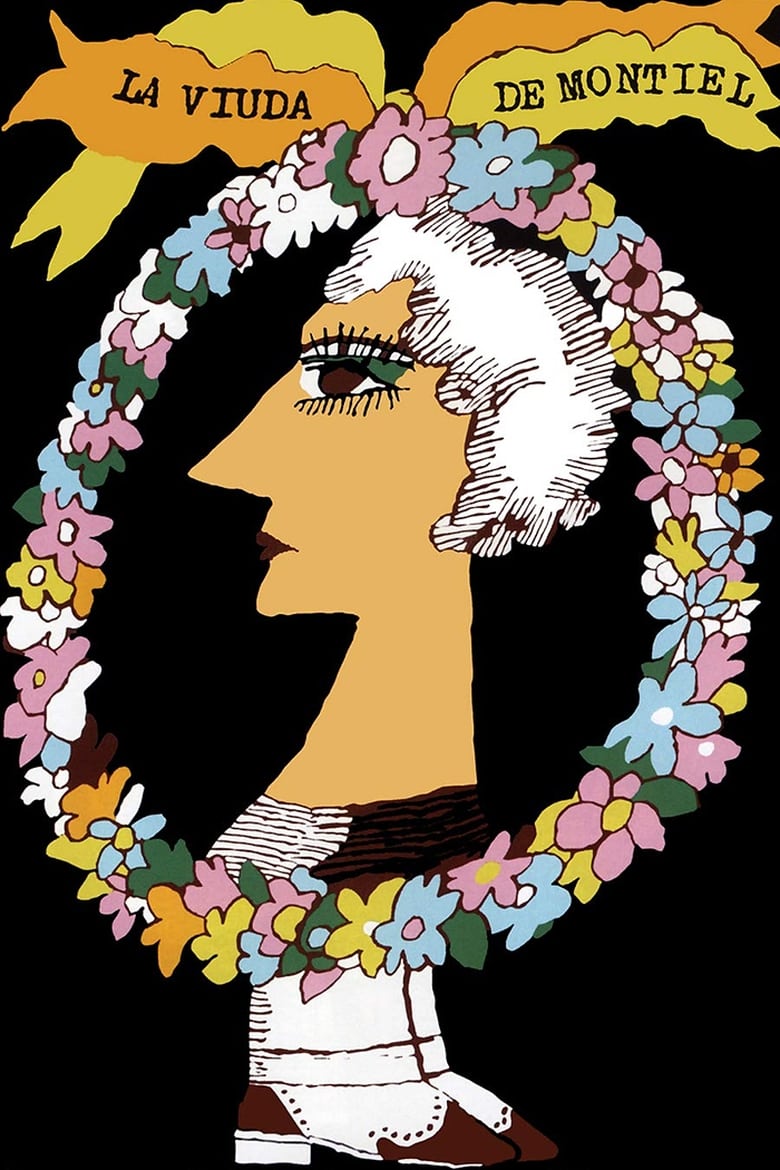
The Widow of Montiel
Mexican drama film directed by Miguel Littín. It is based on a short story of the same name by Gabriel García Marquez. It was entered into the 30th Berlin International Film Festival
Filmography
as Lino Catalá
as Don Angelito
as The Director
as Stakelum
as Casildo
as Felo
as Don Nazario, the Birdman
as Vicente Cuervo
as Priest
as Oscar
as Nuevitas
as Lorenzano Apra