
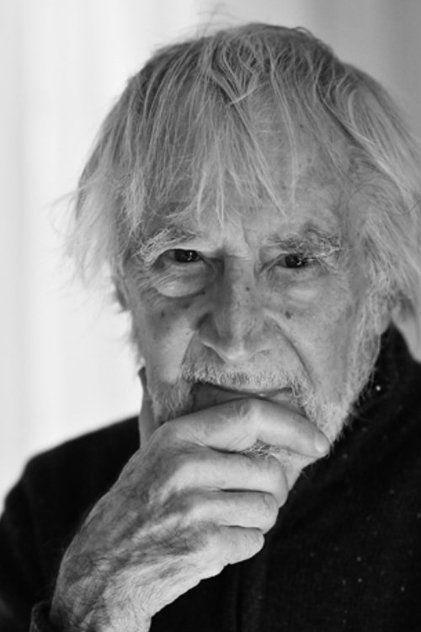
Robert Gillespie
Acting
Biography
No biography available for Robert Gillespie.
Born: November 9, 1933
Place of Birth: Lille, Nord, France
Known For
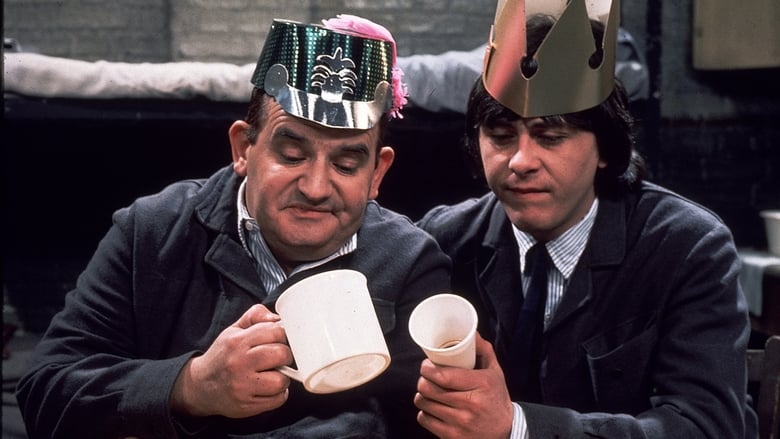
Porridge
Porridge is a British situation comedy broadcast on BBC1 from 1974 to 1977, running for three series, two Christmas specials and a feature film also titled Porridge. Written by Dick Clement and Ian La Frenais, it stars Ronnie Barker and Richard Beckinsale as two inmates at the fictional HMP Slade in Cumberland. "Doing porridge" is British slang for serving a prison sentence, porridge once being the traditional breakfast in UK prisons. The series was followed by a 1978 sequel, Going Straight, which established that Fletcher would not be going back to prison again. Porridge was voted number seven in a 2004 BBC poll of the 100 greatest British sitcoms.
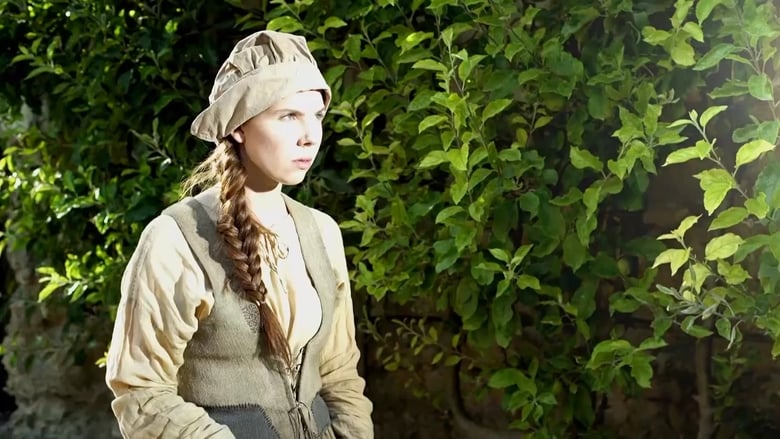
Joan of Arc
Could a nineteen-year-old girl change the course of history simply by faith? From ordinary farm girl to extraordinary hero, the life of Joan of Arc was one of conviction and courage. Fifteenth-century France was devastated by an ongoing war in which women did not fight. Yet Joan heeded the counsel of angels and transformed into a military leader, something her country needed but many feared. In this BYUtv original special, discover the stalwart spirit, military prowess, and enduring influence of Joan of Arc.
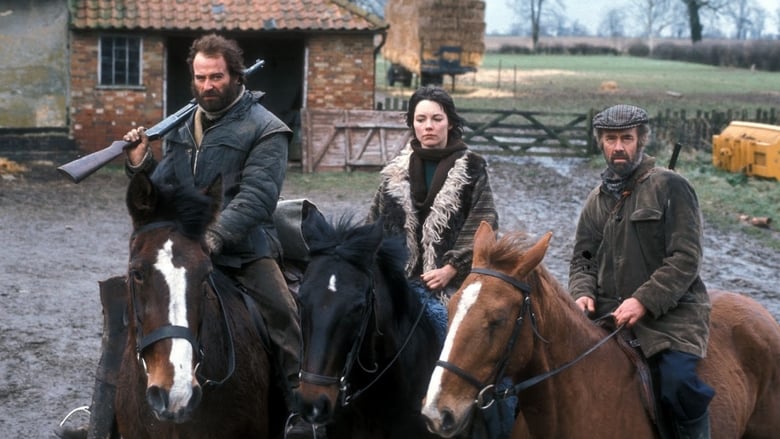
Survivors
Survivors is a British post-apocalyptic fiction television series devised by Terry Nation and produced by Terence Dudley at the BBC from 1975 to 1977. It concerns the plight of a group of people who have survived an accidentally released plague – referred to as "The Death" – that kills nearly the entire human population of the planet.

Public Eye
Public Eye is a British television series that ran from 1965 to 1975. It was produced by ABC Television for three series, and Thames Television for a further four series. The series depicted the investigations and cases handled by the unglamorous enquiry agent Frank Marker, an unmarried loner who is in his early forties when the series begins. In the words of an ABC trailer for the third series: "Marker isn't a glamorous detective and he doesn't get glamorous cases—he doesn't even get glamorous girls. What he does get is people who are in trouble—the sort of trouble you can't go to the police about, even if you are innocent."
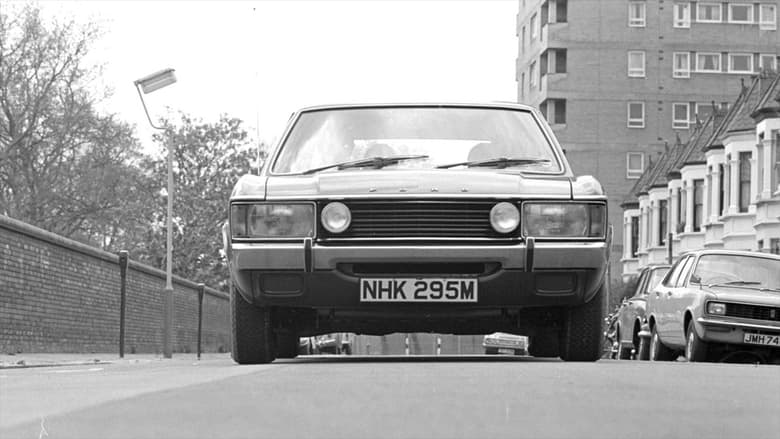
The Sweeney
Jack Regan, an unethical officer of the Flying Squad, uses unorthodox methods to pursue criminals with the help of his partner, George Carter.

The Avengers
A quirky spy show of the adventures of eccentrically suave British Agent John Steed and his predominantly female partners. Jonathan Steed - an urbane, proper gentleman spy - teams with various assistants throughout the series' run, including Dr. David Keel, Cathy Gale, Emma Peel and Tara King, to repeatedly save the world from diabolical schemes plotted by equally diabolical evil-doers (among them robots and man-eating monsters).
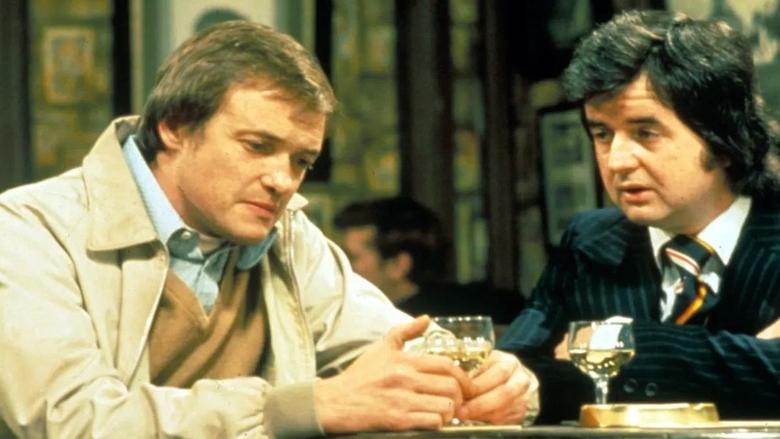
Whatever Happened to the Likely Lads?
Whatever Happened to the Likely Lads? is a British sitcom which was broadcast between 9 January 1973 and 9 April 1974 on BBC1. It was the colour sequel to the mid-1960s hit The Likely Lads. It was created and written, as was its predecessor, by Dick Clement and Ian La Frenais. There were 26 television episodes over two series; and a subsequent 45-minute Christmas special was aired on 24 December 1974. The cast were reunited in 1975 for a BBC radio adaptation of series 1, transmitted on Radio 4 from July to October that year. In 1976, a feature film spin-off was made. Around the time of its release, however, Rodney Bewes and James Bolam fell out over a misunderstanding involving the press and have not spoken since. This long-suspected situation was finally confirmed by Bewes while promoting his autobiography in 2005. Unlike Bewes, Bolam is consistently reluctant to talk about the show, and has vetoed any attempt to revive his character.
Whatever Happened to the Likely Lads?
Whatever Happened to the Likely Lads? is a British sitcom which was broadcast between 9 January 1973 and 9 April 1974 on BBC1. It was the colour sequel to the mid-1960s hit The Likely Lads. It was created and written, as was its predecessor, by Dick Clement and Ian La Frenais. There were 26 television episodes over two series; and a subsequent 45-minute Christmas special was aired on 24 December 1974. The cast were reunited in 1975 for a BBC radio adaptation of series 1, transmitted on Radio 4 from July to October that year. In 1976, a feature film spin-off was made. Around the time of its release, however, Rodney Bewes and James Bolam fell out over a misunderstanding involving the press and have not spoken since. This long-suspected situation was finally confirmed by Bewes while promoting his autobiography in 2005. Unlike Bewes, Bolam is consistently reluctant to talk about the show, and has vetoed any attempt to revive his character.

Our Day Out
When a teacher takes a group of troubled school children on a school trip to Conwy in Wales, the children understand life outside of Liverpool.
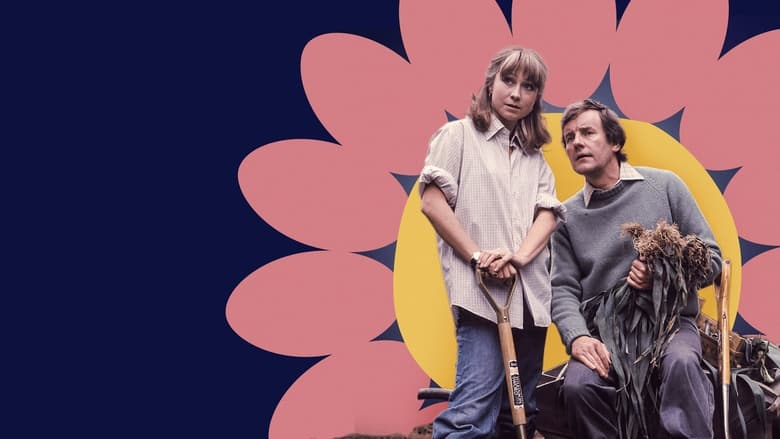
The Good Life
Tom and Barbara Good escape the rat race and pursue a self-sufficient lifestyle in Surbiton, much to the concern, frustration and sometimes envy of their neighbours Margo and Jerry Leadbetter. Entitled ‘Good Neighbors’ when shown in the USA.
Filmography
as Magistrate Warmley
as Father Matthew
as Older Cabbie
as Priest
as Mr Bard
as Alec
as Clegg
as Crombie
as Fred Batley
as Sergeant
as Sammy
as Steve Ballard
as Headmaster
as Len Lit
as Eugene Zander
as Barman
as DS Burke
as Merv
as Frank Goff
as Photographer
as John Milner
as Mr. Carter
as Steward
as Sir William Wade
as Dorothy
as Vicar
as Gasman
as Alec
as Tyler
as Police Sergeant
as Police Sgt.
as Arab Porter
as L'officier des douanes
as Doop
as French Officer
as A.A. Man (segment "Pride")
as Drummond
as Man in Lift
as Winking Patient
as Dr. Warren
as Groom
as Senator Mucus
as Mortuary Attendant (uncredited)
as Policeman
as Swiss Banker
as Manioulov
as Bromley
as Monsieur Mousquet
as Keppel
as Pierre
as The Reporter
as Lift Attendant
as Gerard
as German Soldier (uncredited)
as Matthew