
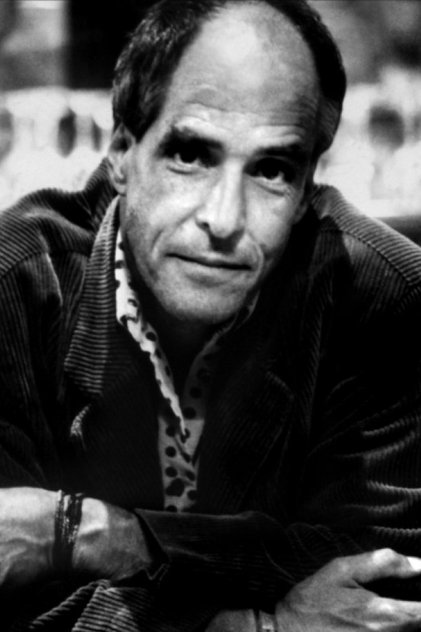
Robert Kramer
Directing
Biography
Robert Kramer (June 22, 1939 – November 10, 1999) was a left leaning American film director, screenwriter and actor. He directed 19 films between 1965 and 1999, most of them political cinema made from a left-wing point of view. His film À toute allure was entered into the 1982 Cannes Film Festival. Description above from the Wikipedia article Robert Kramer, licensed under CC-BY-SA, full list of contributors on Wikipedia.
Born: June 22, 1939
Place of Birth: New York City, New York, USA
Known For

Looking for Robert
“I talk about my 20 years of work with the filmmaker Robert Kramer, who died in 1999. It is an account of the gestures and practices of this filmmaker. A way of recalling the central place he attributed to experience to better circumvent the pitfalls of the scenario. It is also the story of a friendship that transformed me. » (Richard Copans)
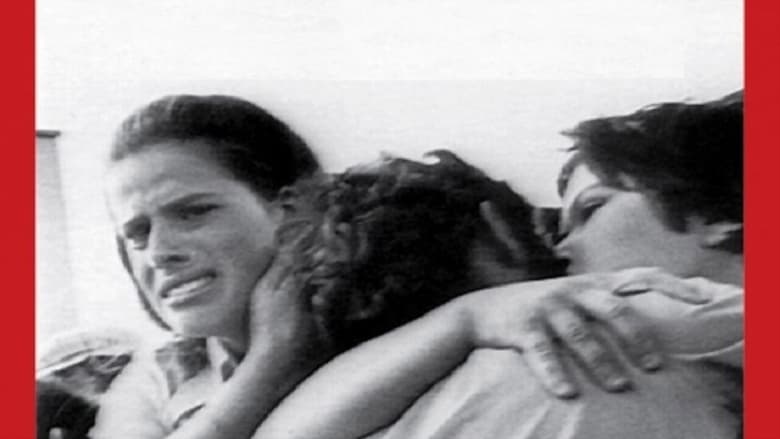
Another Country
The Portuguese Revolution (1974-75) seen through the eyes of some of the most important photographers and filmmakers that witnessed the event. Their dreams and expectations and what came out of the revolution. With outstanding historical footage.
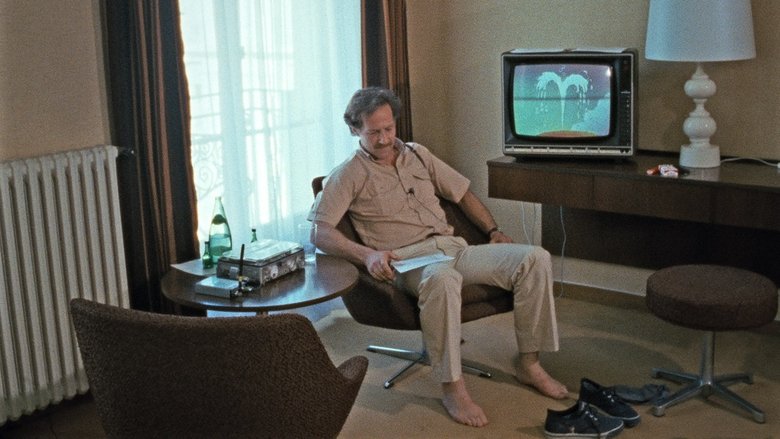
Room 666
During the 1982 Cannes Film Festival, Wim Wenders asked a number of global film directors to, one at a time, go into a hotel room, turn on the camera, and answer a simple question: "What is the future of cinema?"
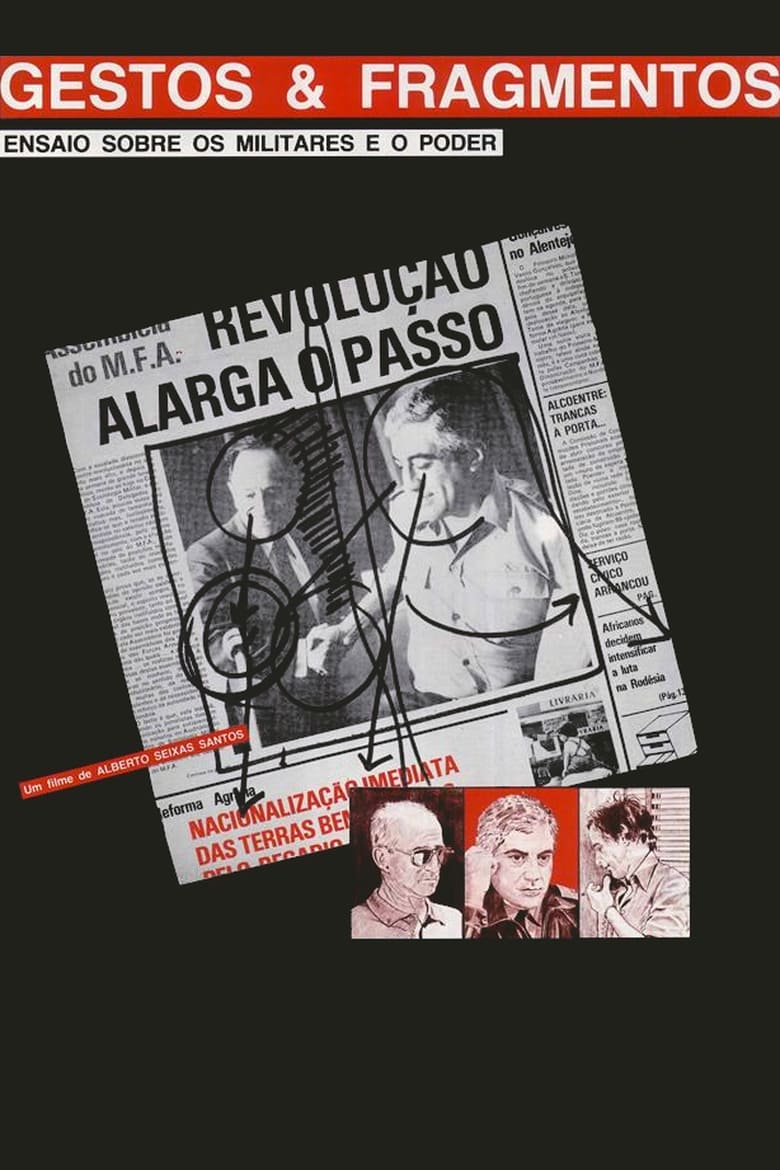
Gestures and Fragments
"Essay on the Military and the Power", a phrase that also belongs to the title of "Gestures & Fragments", sums up the spirit of the film, based on three points of view on the same theme: Otelo Saraiva de Carvalho and Eduardo Lourenço, in their own roles, and the one played by Robert Kramer, as an American journalist bent on seeking explanations for the process of the Portuguese Revolution.
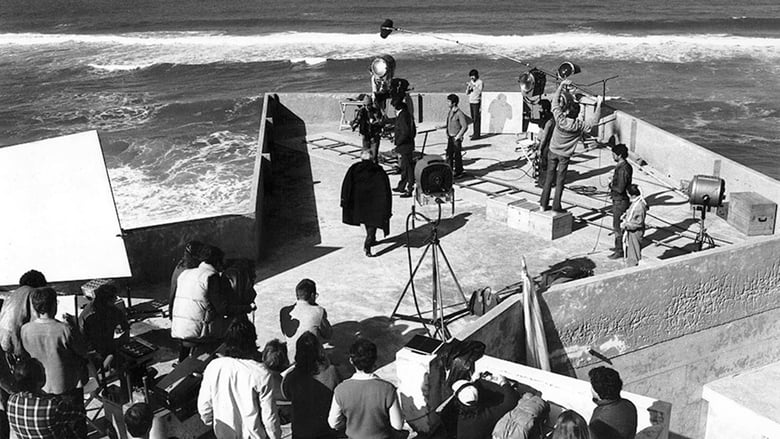
The State of Things
On location in Portugal, a film crew runs out of film while making their own version of Roger Corman's The Day the World Ended (1956). The producer is nowhere to be found and director Munro attempts to find him in hopes of being able to finish the film.
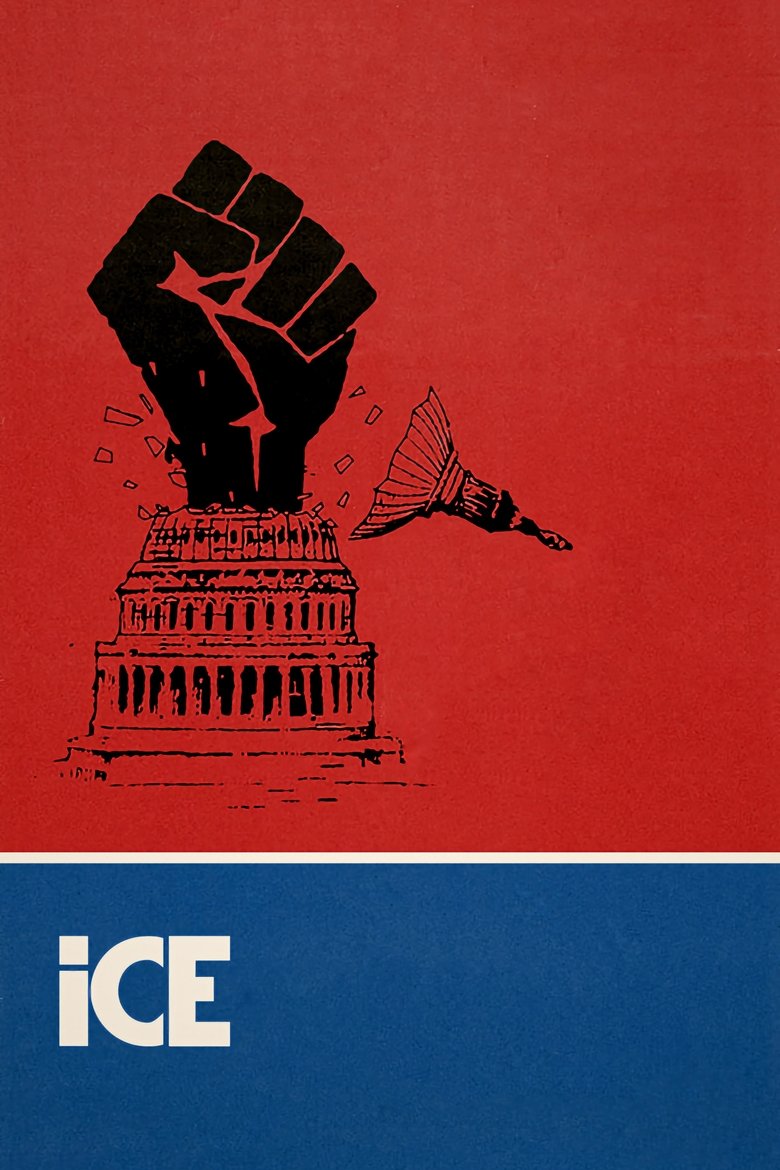
Ice
An underground revolutionary group struggles against internal strife to stage urban guerilla attacks against a fictionalized fascist regime in the United States. Interspersed throughout the narrative are rhetorical sequences that explain the philosophy of radical action and restrain the melodrama inherent in the thriller genre.

Wundkanal
An old man is kidnapped. His interrogation uncovers the biography of a mass murderer: The 80 years old man was a SS leader and responsible for the killing of thousands of people in the Soviet Union. He also "invented" an evil technique of eliminating political prisoners: the manipulated suicide. Thomas Harlan reconstructs the history of a bureaucratic murderer, he also develops a direct connection between the Nationalsocialism and the treatment of prisoners of the RAF terrorists in the Stuttgart isolation prison. Robert Kramer filmed the shooting of Harlan's Wundkanal: Notre Nazi documents a social experiment in which the children of Nazis and of victims meet a real culprit. The reality seems to be stronger that the fiction in Harlan's film. (Edition Filmmuseum)
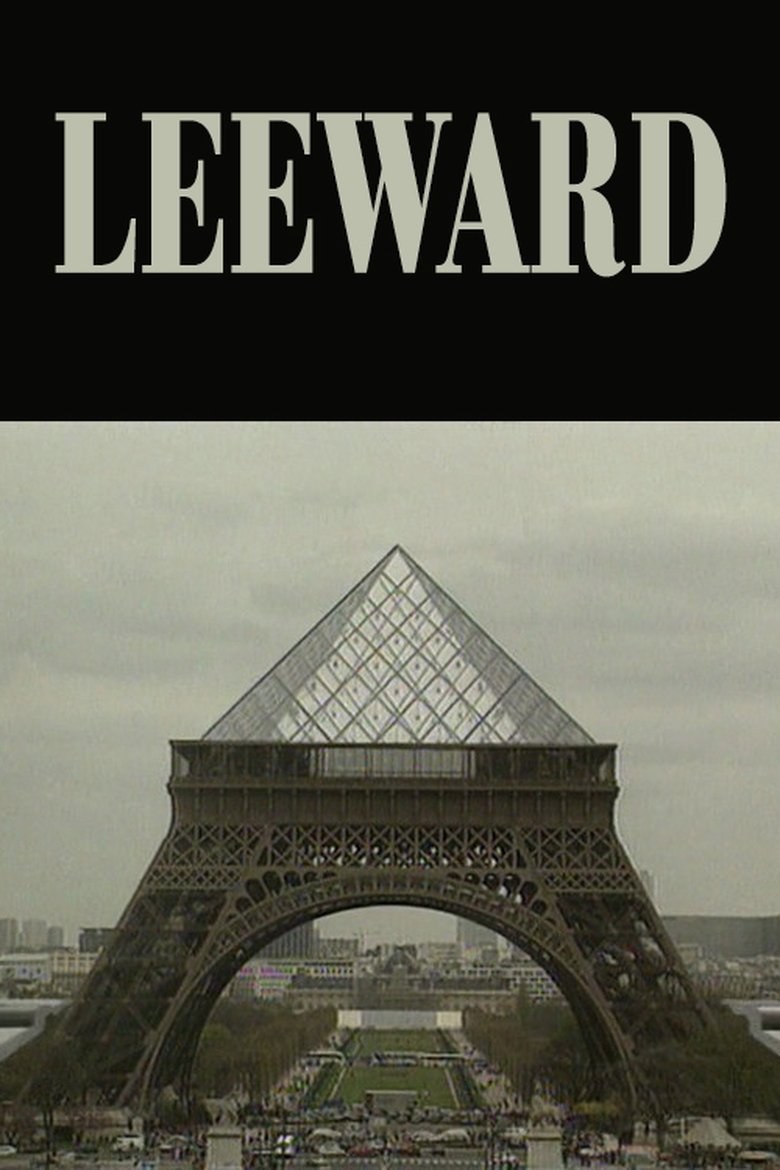
Leeward
The French Ministry of Culture commissioned films on the cultural decade "en chantiers". Robert Kramer makes one of the six short films that illustrates the cultural side of the decade Mittérand. Here we see a director of cinema in the suburbs of Caen, in her room lined with flower paper. This for art and essay cinema. There, the critic Serge Daney in a sailor's cap, for a chat by the fire. An overview of French cinema today, "Pickpocket" on television. Then back on you. The camera slides on the desk that we imagine to be Kramer's. Finally, the camera flies over Paris, slides along the facades, stops on a window, entering the skylight: "The films invite to see ... I invite you to see Jean Genet's hotel room."
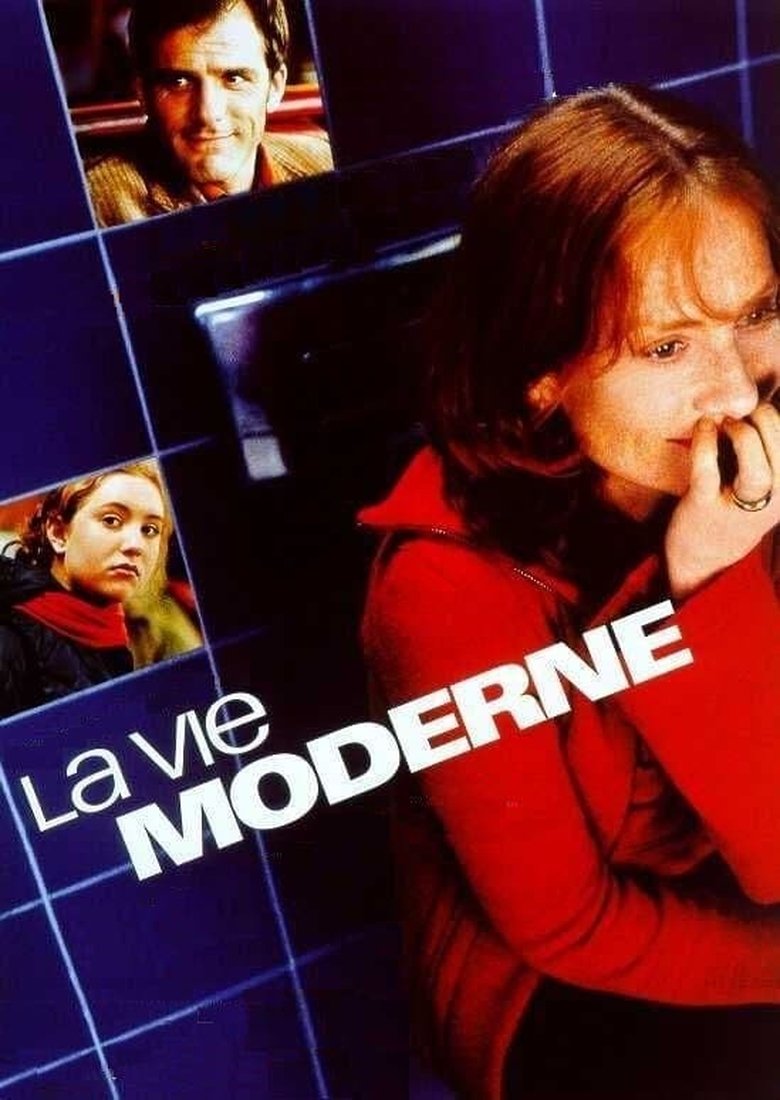
Modern Life
The lives of three people faced with an uncertain future. Marguerite, 17, is uncomfortable with her family enviroment and turns to God. Claire, who desperately wants a child, encounters again a former lover. Eva asks the unemployed Jacques, who has been left by his wife and his daughter, to find a missing friend.

Guns
The film concerns a group of disparate types who support themselves by running guns to the Arabs. On the surface, it would seem that these characters are bad guys. In fact, the guns are to be used by a resistance group who hope to continue shipping oil to the West, despite the despotic curbs imposed upon fuel shipments by their leaders.
Filmography
as Himself
as Himself
as Himself
as Peter
as Self
as Andy Hellman
as Meyers
as Félix Beauvoir
as Narrator
as Le garçon d'étage de l'hôtel
as American journalist
as Self
as Camera Operator
as Robin
as N°122
as himself
as Robert
as Mental Patient