
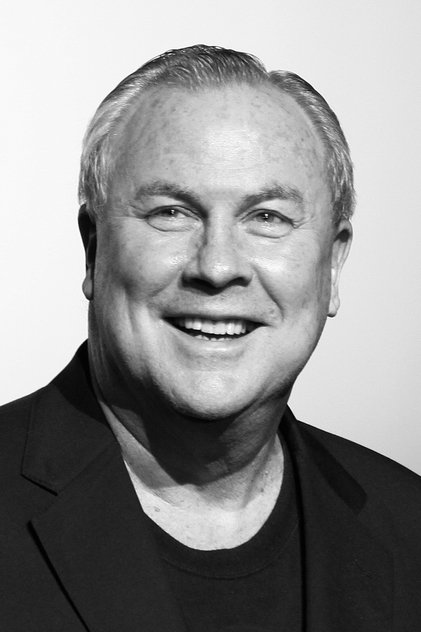
Robert Wilson
Directing
Biography
Robert Wilson is an American experimental theater stage director and playwright. Over the course of his wide-ranging career, he has also worked as a choreographer, performer, painter, sculptor, video artist, and sound and lighting designer.
Born: October 4, 1941
Place of Birth: Waco, Texas, USA
Known For
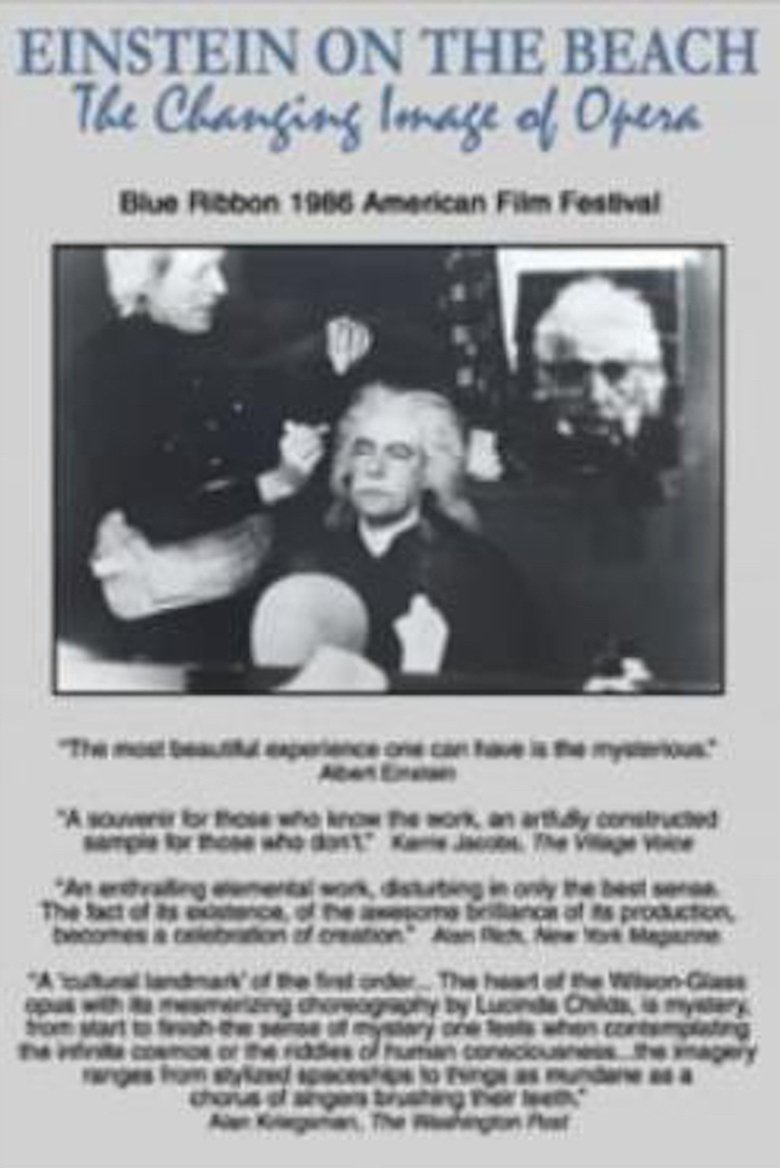
Einstein on the Beach: The Changing Image of Opera
The creative processes of avant-garde composer Philip Glass and progressive director/designer Robert Wilson are examined in this film. It documents their collaboration on this tradition breaking opera.
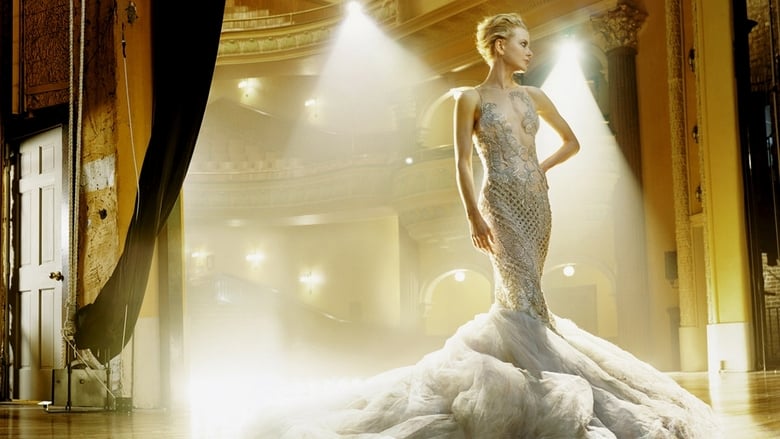
Annie Leibovitz: Life Through a Lens
An account of the professional and personal life of renowned American photographer Annie Leibovitz, from her early artistic endeavors to her international success as a photojournalist, war reporter, and pop culture chronicler.
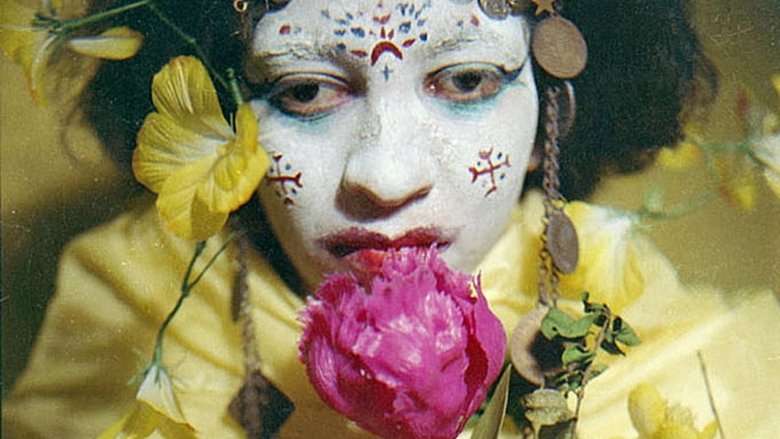
Jack Smith and the Destruction of Atlantis
In this entrancing documentary on performance artist, photographer and underground filmmaker Jack Smith, photographs and rare clips of Smith's performances and films punctuate interviews with artists, critics, friends and foes to create an engaging portrait of the artist. Widely known for his banned queer erotica film Flaming Creatures, Smith was an innovator and firebrand who influenced artists such as Andy Warhol and John Waters.
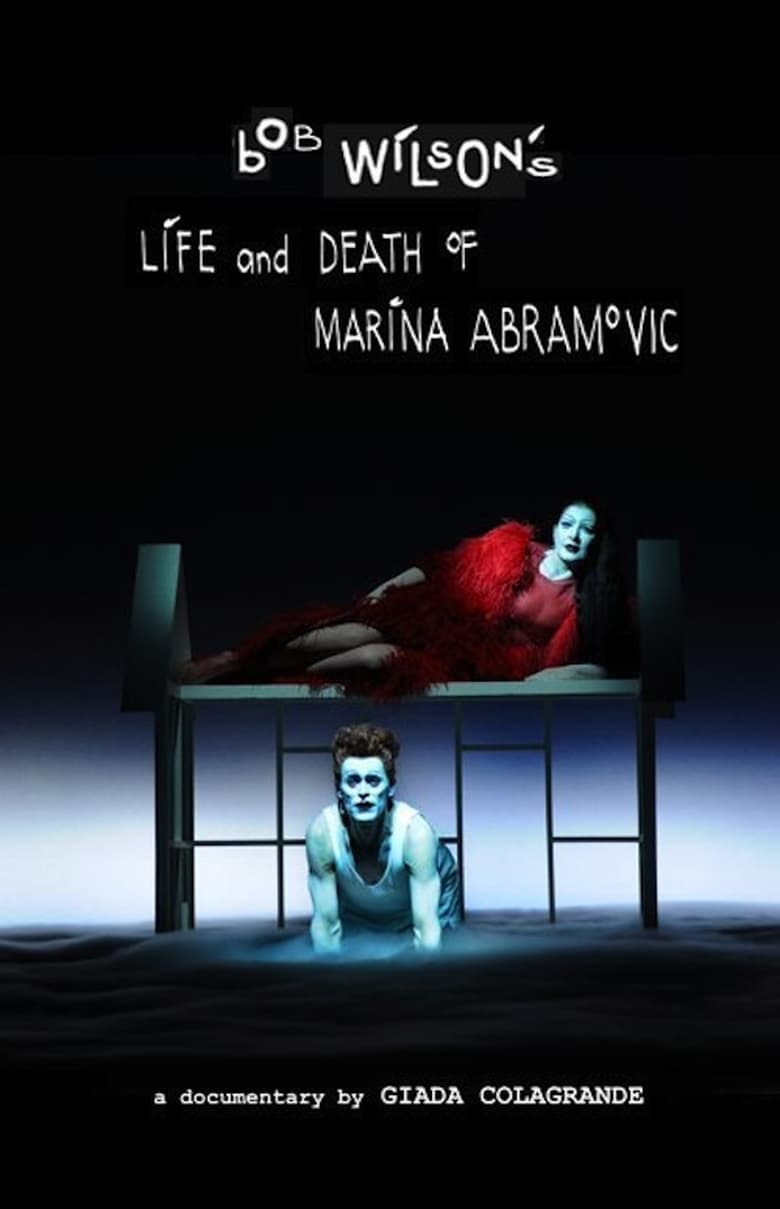
Bob Wilson's Life & Death of Marina Abramovic
This hourlong semi-documentary records the musical stage collaboration between director Robert Wilson and veteran performance artist Marina Abramovic. Also included is a wealth of background material about Abramovic's life and earlier works.
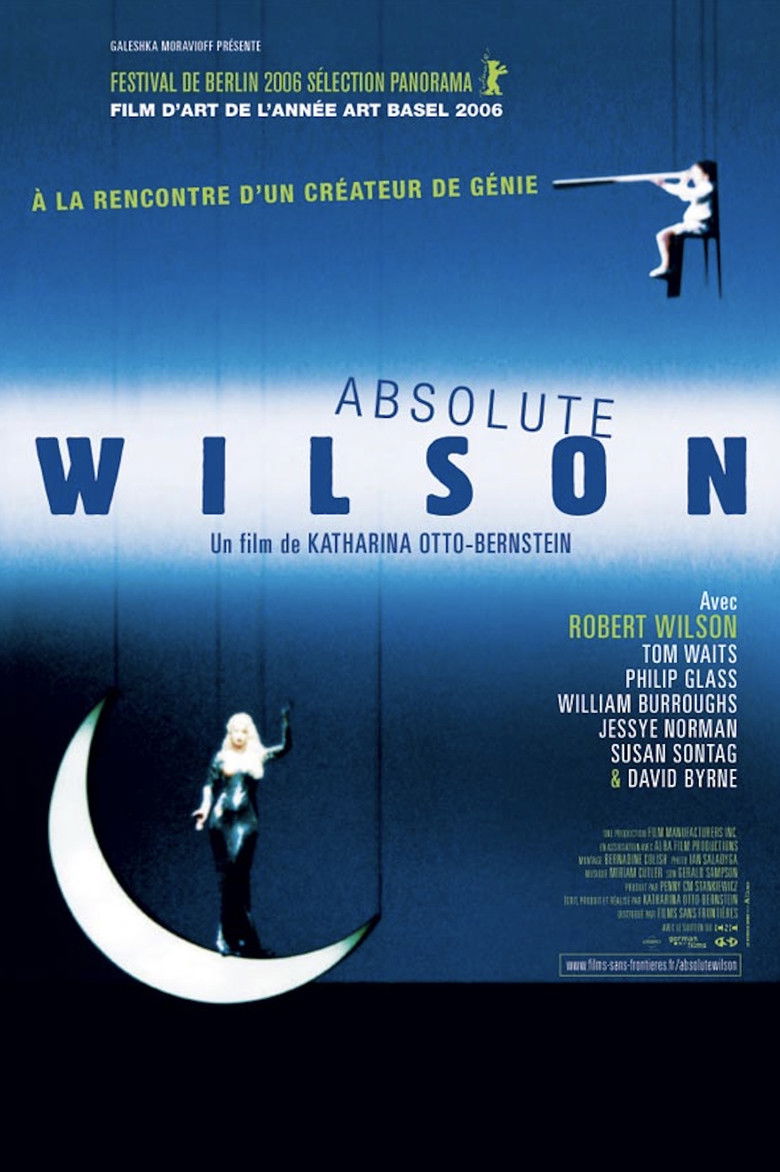
Absolute Wilson
Documentary from Katharina Otto pays homage to famed stage designer Robert Wilson, who overcame childhood learning disabilities growing up in Waco, Texas, and rose to become one of the most respected avant-garde artists in late 1960s New York. As much a tale of social injustice as a portrait of an artist, this mix of interviews and live performance is testimony to how Wilson's early challenges influenced his creative expression.
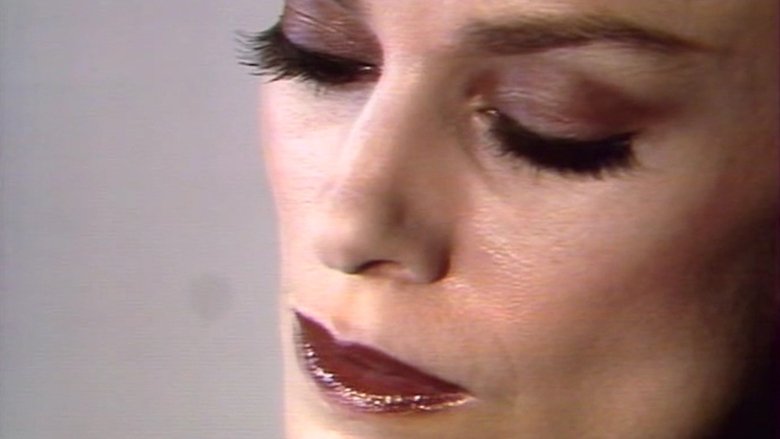
Video 50
Produced in an era before 24-hour programming cycles, Video 50 was initially used as a late night filler on TV stations in Germany, France, Belgium, and Switzerland. Random, surreal, and unexpected, Video 50 resembles the dream cycle of a dormant TV station after it conscious programming has ceased. Its structure and form anticipate the dissociated sequence of moving images we are now accustomed to encountering on YouTube and social media.
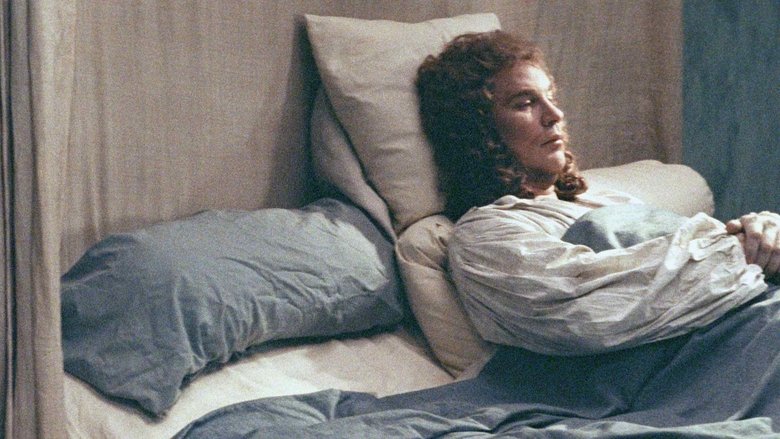
La mort de Molière
A collaboration in which Robert Wilson and Heiner Müller let Molière die, imagine his death in tableaux with text passages recited by Müller himself. "Cinema watches Death at work." Wilson's actors watch Molière die: their vigil is hard work. Müller's comment: "The poem watches a dying man at work, his name is Molière. The poem is not a film. The film watches an actor playing a dying man called Molière."

Robert Wilson: The Beauty of the Mysterious
We look back at more than half a century of mysterious artistic creation while trying to crack a unique artistic code. Why are people moved to tears when Robert “Bob” Wilson puts minimalistic petrol pumps into a production of Shakespeare’s sonnets? Why does merciless repetition change our understanding of something? Together with Tom Waits, Willem Dafoe or Marina Abramović we trace back our own experience of Bob’s art. Is it true what Philipp Glass the collaborator of the milestone piece “Einstein on the Beach” laughingly and with apparent pleasure exclaims “what does it mean? It doesn’t mean anything!”?
The Lost Paradise
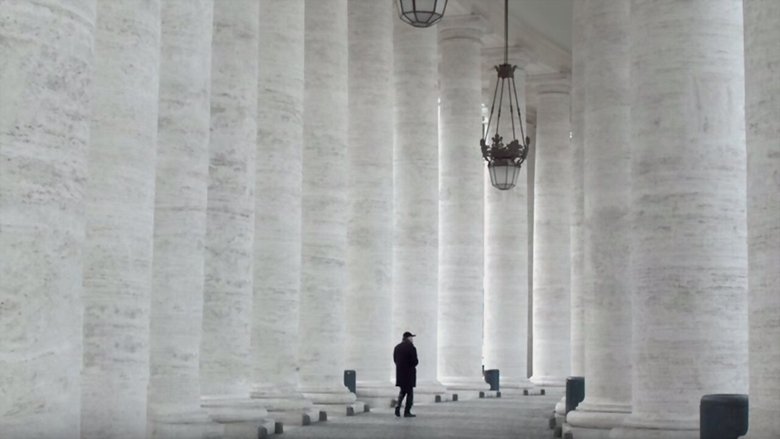
He is the most performed contemporary composer in the world. And yet he rarely ventures out in public, prefers to keep quiet about his music, feels at home in the forests of Estonia and generates therewith - perhaps involuntarily - the impression of a recluse, which is attributed to him again and again: Arvo Part. In The Lost Paradise, we follow him over a period of one year in his native Estonia, to Japan and the Vatican. The documentary is framed by the stage production of Adam's Passion, a music theater piece based on the Biblical story of the fall of Adam featuring three key works by Arvo Part. The world-renowned director Robert Wilson has brought this work to the stage in a former submarine factory in Tallinn. Tracing their creative process, the film offers rare and personal insights into the worlds of two of the most fascinating personalities in the international arts and music scene.

Robert Wilson and the Civil Wars
Robert Wilson and the Civil Wars is an in-depth documentation of Robert Wilson’s ambitious attempt to stage an epic, twelve-hour, multinational opera for the 1984 Summer Olympics. Filmmaker Howard Brookner follows the avant-garde theatre director as he confronts a hectic work schedule, funding difficulties and relentless international travel in attempt to complete his preparations. The film examines Wilson’s unique theatrical style during The Civil Wars: A Tree Is Best Measured When It Is Down, which involves the continual creation of evocative stage sets, owing to a unique juxtaposition of movement, sound, text and image. Known for his precise, painterly images Wilson’s work derives more from visual art than the orthodox literary traditions of theatre. As a result, Wilson often challenges actors to perform in a boldly minimalist style, as well as collaborating with non-actors, such as young autistic poet Christopher Knowles in Einstein on the Beach.
Filmography
as Himself
as Self
as Self - Visual Artist
as Molière
as director (himself)