
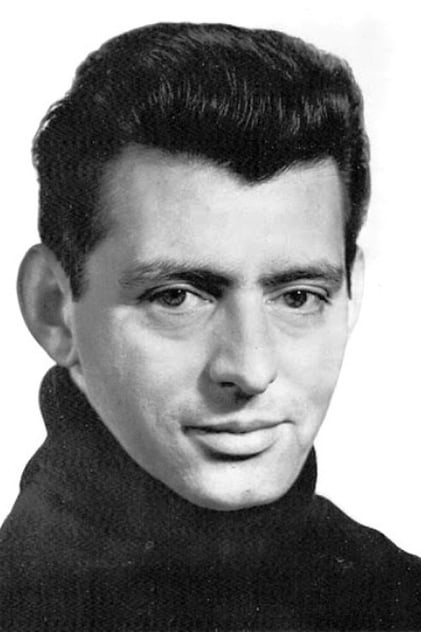
Rolf Ludwig
Acting
Biography
Rolf Ludwig (28 July 1925 – 27 March 1999) was a German actor.
Born: July 28, 1925
Place of Birth: Stockholm, Sweden
Known For
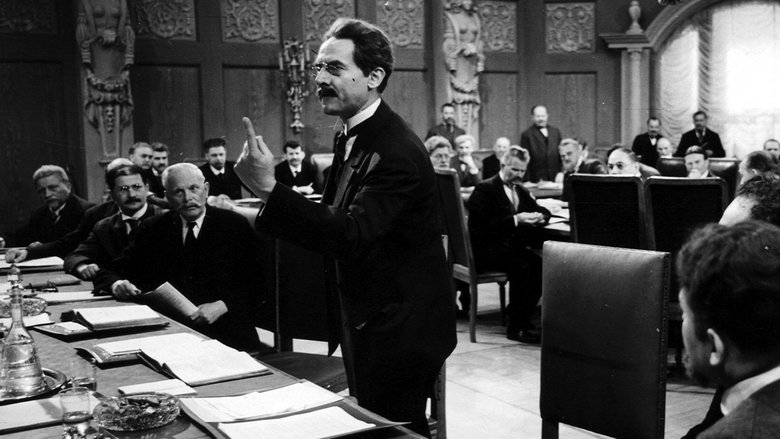
As Long as There’s Life in Me
This is part one of a two-part biopic about Karl Liebknecht. In 1914, Germany is arming itself for war. Karl Liebknecht, left-wing revolutionary Social Democrat, workers’ leader and a virulent antimilitarist, is one among 110 SPD members of Parliament who vote against approving war loans. From then on, he is considered un-German and a traitor to the fatherland, and his own party’s leadership turns against him. Despite threats, Liebknecht speaks up against the war and writes the manifesto “The Main Enemy Is at Home.” Even when he is arrested and charged with treason, he does not surrender.

Italienisches Capriccio
Biography of the comic poet Carlo Goldoni (1707-1793).

Die Grünstein-Variante
The plot revolves around three men waiting to be deported in a prison. To escape the monotony, they form chess pieces from their bread rations, with which they then play against each other. Grünstein, a Polish Jew, proves to be a real talent, because although he is a beginner, he manages to defeat even the experienced player Lodeck, a German sailor, with his "Grünstein Variant".
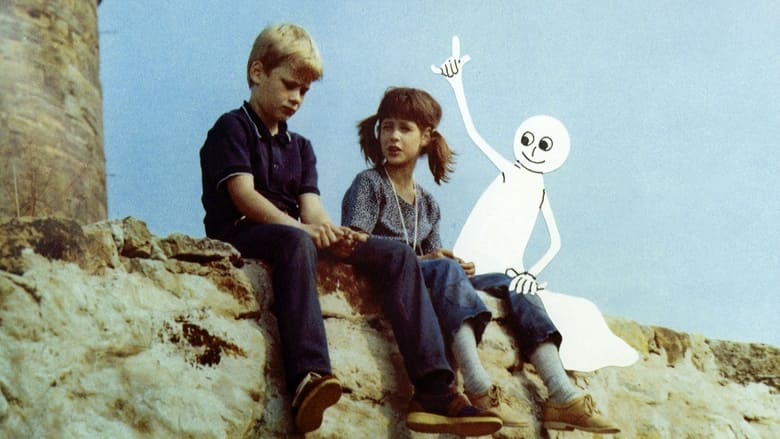
School Ghost
Carola is a mischievous girl who doesn't care much for school- except for sports and recess, of course. Without her good friend Willi to keep her on the straight and narrow, she would really be in trouble. One day at school, Carola has an idea. She invents what she calls "International Ghosts' Day" and a ghost named "Buh" to go with it. When Buh turns out to be less-than-imaginary the two decide to switch places, with Buh taking on all the schoolwork, and Carola taking the opportunity to play practical jokes on all her friends...
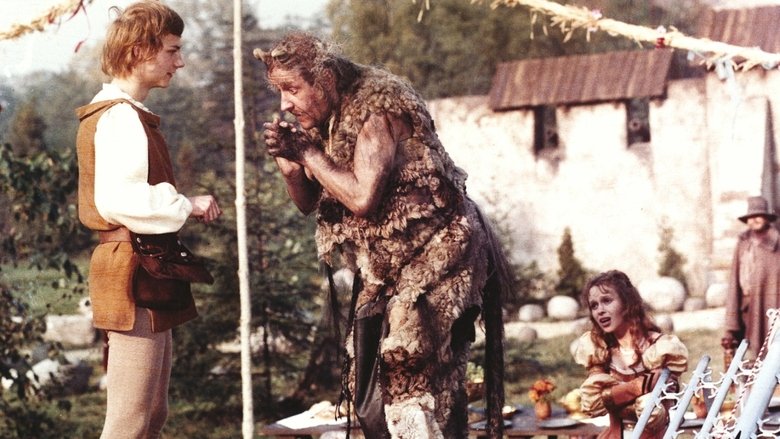
Who's Afraid of the Devil
Based on a fairy tale by the Brothers Grimm: Jakob is a poor farmer′s boy. Because of his timidity that even makes him run away from mice, he is often ridiculed by other people. Even the king is ill-disposed towards him. One day he sends Jakob to the devil to rob him of three golden hairs. This is supposed to be Jakob′s certain death. But naïve Jakob gets going and on his way even promises the oppressed subjects of the king to ask the devil for a way out of their misery.

Wer seine Frau lieb hat
The Berlin Volkseigene Betrieb (VEB) Komet is planning a company outing. Willi Redlich, member of the party committee, votes like the others: The relatives stay at home. But he doesn't dare tell his wife Susanne. So she does the work of renting the "Waldschlösschen" restaurant for him - without his knowledge. When Willi wants to book the seats, everything is fully booked and he switches to the "Sonnenburg" opposite. Meanwhile, word has gotten around among the women that they are excluded. They plan a counter-event. On the day of the excursion, both groups are sitting in their inns and the women make sure that they can still celebrate together.
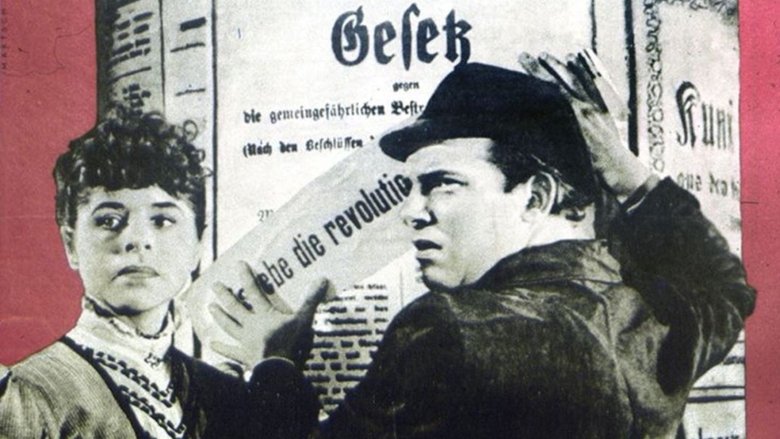
Die Unbesiegbaren
The film "Die Unbesiegbaren" covers an episode in German history, in which the Bismarck government tried to mitigate the rise of the social-democrat movement.

The Captain from Cologne
Albert Hauptmann is an out of work waiter in Cologne who is often confused with a former Captain of the Nazi Army. Albert uses this to his advantage and becomes the Director of the Montan Corporation, and a member of the West German Parliament. Herr Karjanke, the real Captain, learns of Albert’s ruse, and wants to claim his "rightful" position in Parliament. But Karjanke cannot come forward until his politicking "Doppelganger" succeeds in passing an amnesty law for war criminals. When Albert is finally brought before a judge on charges of fraud, he learns that this own amnesty law does not apply to him.
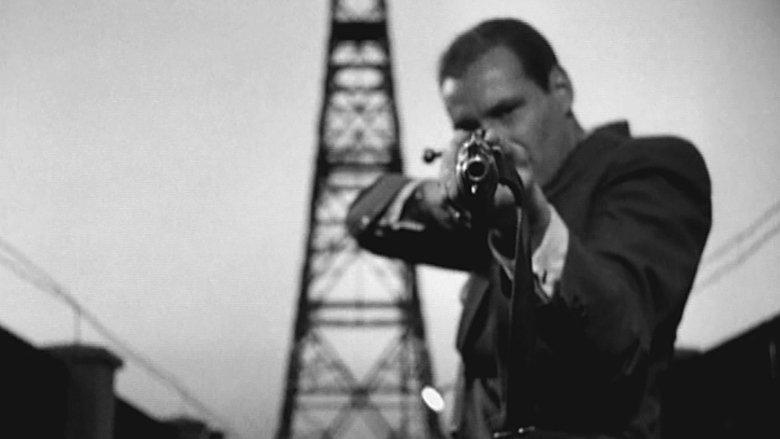
The Gleiwitz Case
To justify their invasion of Poland at the start of WWII, Nazi high command hatches a secret plan: six Polish men from an SS training camp are sent on a special mission to the town of Gleiwitz, to fake a Polish raid on Germany. The ‘provoked’ Germans will thus launch a ‘counterattack’ on Poland.
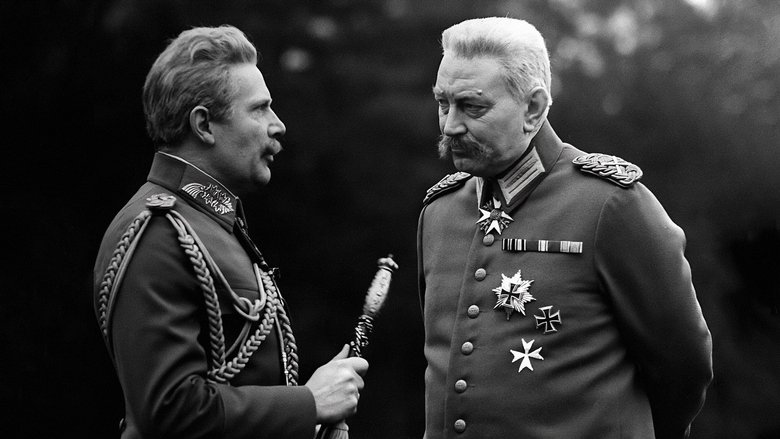
Despite It All!
October 1918: Karl Liebknecht is released from prison and Berlin workers celebrate his release. Although WWI is almost over, the German Kaiserreich in vain sends its last reserves to the slaughter. The working class is in a rebellious mood; the uprising of Kiel’s sailors against war and militarism sets off a call for revolution led by Liebknecht. On November 9, Liebknecht declares the Free Socialist Republic of Germany. But pro-Kaiser military and right wing Social Democrats oppose him.
Filmography
as Pfarrer Reichenbork
as Paul Staiger
as Onkel Peter
as Stein
as Gastwirt Paul
as Herr Walk
as Gestapobeamter
as Schleiter
as Gustav 'Arndt' Brandt
as Garstecki
as Straßenfeger
as Scarletto
as Gefängnisarzt
as Lehrer Grübler
as König
as Alfred Pommeranz
as Balaschin
as Kellner Mager
as Professor
as Hridlitschka
as Rudolf Hagedorn
as Frank-Dietrich Kummernuss
as Ewald Schulz
as Kommandeur
as Kid Kearny
as Kaspar Mai alias Eitel Friedrich Prinz von Hohenlohe-Liebenstein
as Schreiber Licht
as Hans Gastl's Father
as Vater Walcher
as Helmut Schwaneberg
as von Preuß
as Benedikt
as OS alias Martin Marten
as Carlo Gozzi
as Anton Wiesel
as Benno Brenner
as Der Soldat
as Oberleutnant Arendt
as Albert Hauptmann
as Narrator (voice)
as Cerefino
as Valtin Spatz
as Rebolledo
as Günther Hillig
as Reporter