

Rosina Pagã
Acting
Biography
Rosina Pagã, stage name of Rosina Cozollino (Itararé, July 10, 1919 - Los Angeles, February 3, 2014) was a Brazilian singer. Her sister, Elvira Pagã, was also a singer, with whom she formed a musical duo, called Irmãs Pagãs.
Born: June 10, 1919
Place of Birth: Itararé, São Paulo, Brazil
Known For
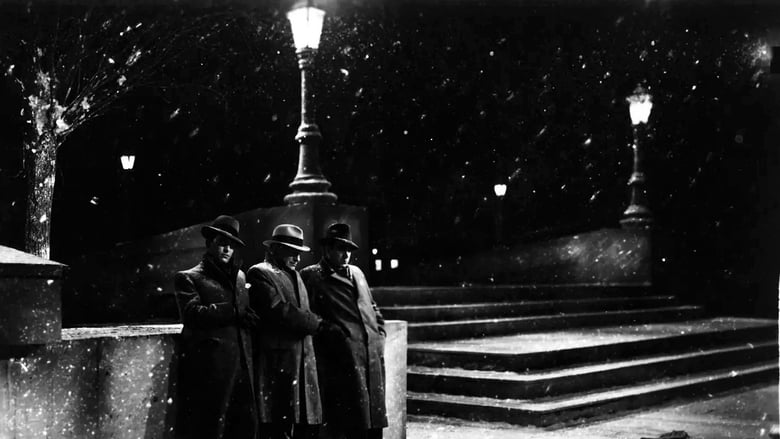
Three Argentines in Paris
Three Argentines who live in Paris and dream of returning to Buenos Aires but lack resources for the passage, find their opportunity when a landowner, a business man and his daughter arrive in Paris. In a game of rigged poker the three anchors obtain the money for the passages from the newcomers; it happens however that the employer has made an embezzlement and will go to jail if he does not return the money. The character represented by Parravicini, who is the true father of his adopted daughter, gives him the money won to solve his problem and the three remain in Paris to see them in an end with the best poetry of Romero crossing a bridge under the mist , silent, once again anchored but with the happy sadness of recovered self-esteem.

Alô Alô Carnaval
Two authors go look for a business to finance their dream musical.
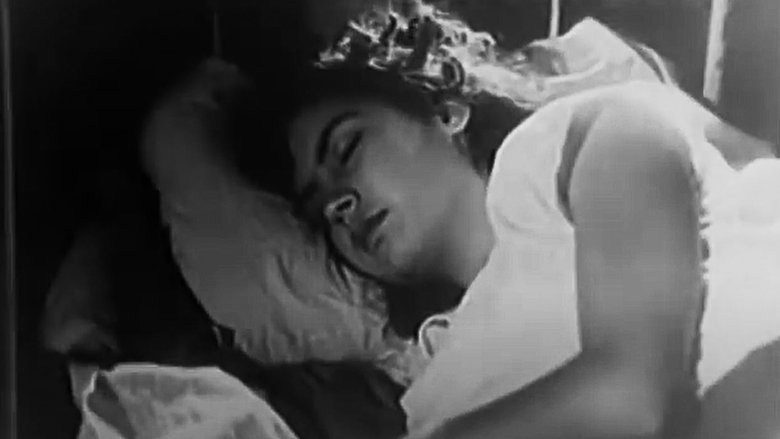
Birds Without a Nest
An orphan is sent to a reformatory where the inmates receive an extremely repressive education. While visiting the place, a teacher hears the orphan's indignant complaints about the mistreatment. Impressed, he adopts this 16-year-old girl, who at 24 graduated in Social Sciences. Now she has a name: Vitória dos Santos, and her concern is to help the girls who, like her, suffer in the city's asylums.
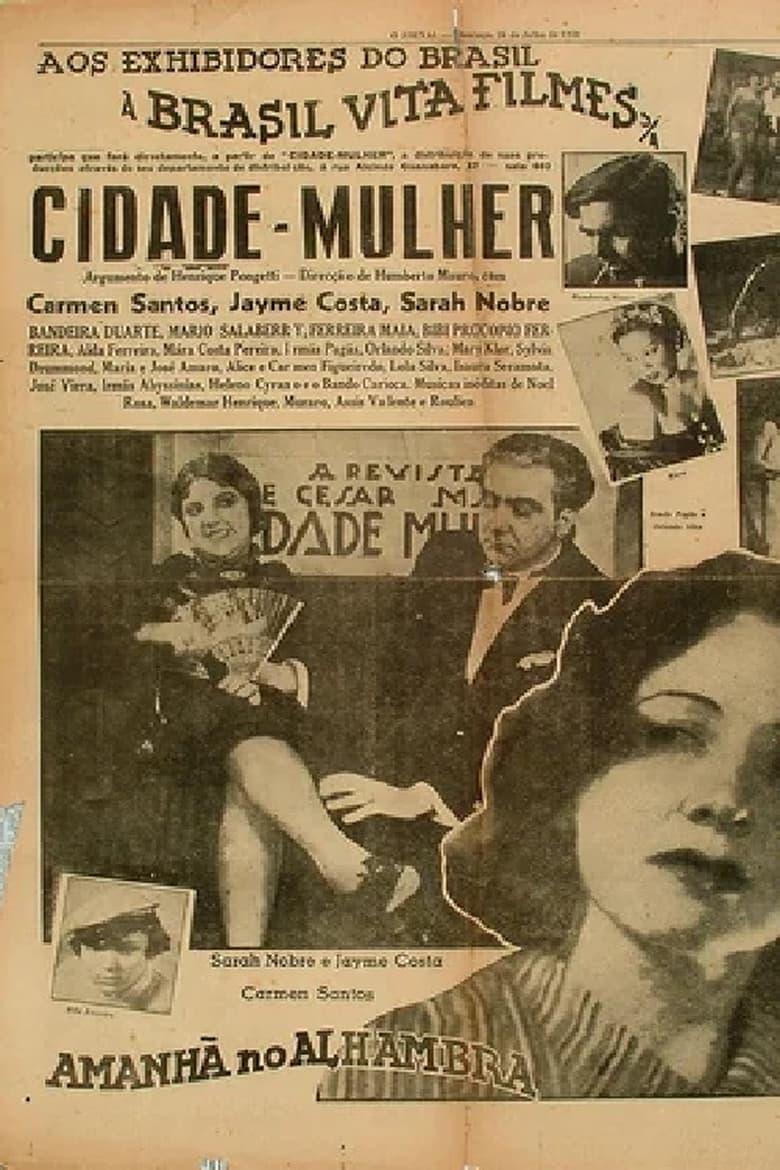
Cidade Mulher
A theater manager about to go bankrupt decides to accept help from his daughter and her boyfriend to save the family's finances, which she does with the sponsorship of a rich man.

The King's Jester
A wealthy sugar mill owner, widowed and living with his only son, suffers from profound melancholy. To alleviate his suffering, he seeks entertainment in the form of any jerk willing to lend a hand. Among the many candidates his secretary presents to fill the "position", a certain "Penguin", who along with his sister "Picolé" lives on the favela hill under the protection of a kind Portuguese shopkeeper, completely pleases the "sovereign" of sugar. With "Penguin"'s entry into the court as the sugar king's "fool", great transformations take place in the home of the wealthy misanthrope.