
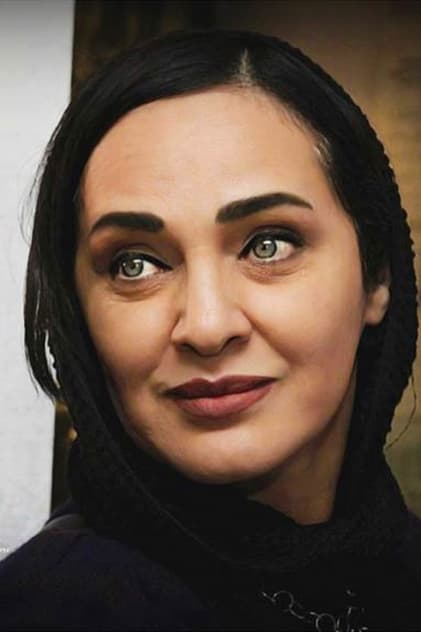
Roya Nownahali
Acting
Biography
Roya Nownahali is an actress of theater, cinema, and television who was born in 1963 in Tehran, Iran. After completing her studies, she was first featured in Khosro Sinai's "Yar dar Khaneh" movie. She won the Crystal Simorgh for Best First Role Actress in Fajr Film Festival for "The Marriage of the Blessed" directed by Mohsen Makhmalbaf. She also became famous with the role played in Mehdi Fakhimzadeh's "Sleep and Awake" television series. She has also been featured in "A Piece of Bread" by Kamal Tabrizi, "The House On Water" by Bahman Farman Ara and "Confessions of My Dangerous Mind" directed by Hooman Seyyedi.
Born: February 13, 1963
Place of Birth: Tehran, Iran
Known For

Sleep and Awake
Summary of the story: Turan, who is known as Natasha (with the spectacular performance of Roya Nonhali) and is a professional criminal, returns to Iran after many years. He started an armed robbery with Abdallah Panlang, who had a history of criminal activity and had abandoned it for many years. After a while, Abdallah's son was arrested and in an armed robbery, his son-in-law was injured by the police, and Natasha was also Abdallah. forces him to kill his wounded son-in-law...
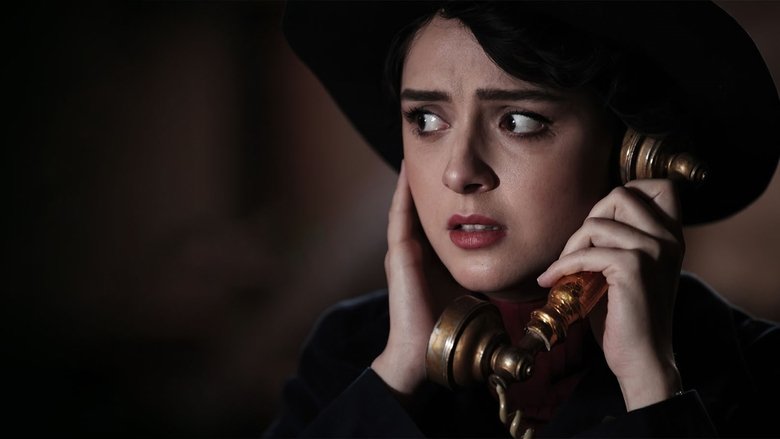
Shahrzad
A romantic historical drama set around and after the 1953 Iranian coup d'état.

Once Upon a Time in Iran
It is the story of a family on the first of September 1941, which undergoes changes during the occupation of Iran by the Allies.

A Piece of Bread
A group of youngsters participate in a race match and endure the difficult route of this race just to be hired in the Environmental Protection agency of Tehran.
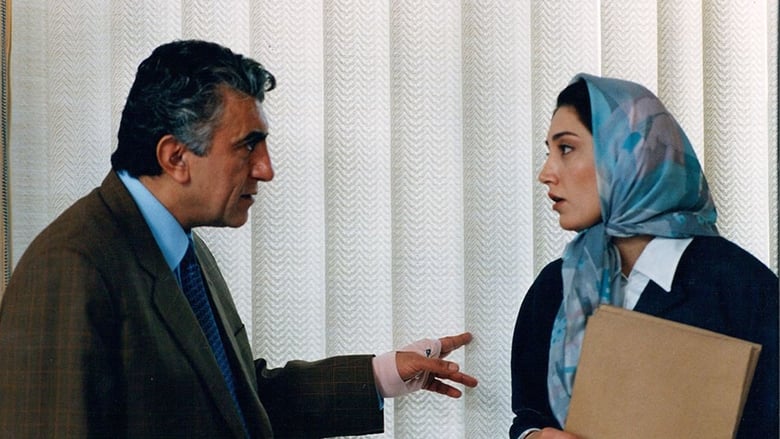
A House Built on Water
Director Bahman Farmanara's second film following a 20-year exile from his native Iran depicts the spiritual crisis of a middle-aged man. In the film's dreamlike opening scene, Dr. Reza Sepidbakht (Reza Kianian), a well-off Tehran gynecologist, thinks he runs over an angel while driving home at night with a call girl. The next morning at the hospital where he works, he is shown a comatose boy who is famous for having memorized the entire Koran. These two events cause him to rethink his cynical outlook on life and his relationships with his elderly father, wayward son, and the women he has mistreated since becoming estranged from his wife. When the boy awakens from his coma, Dr. Sepidbakht begins to look to him for answers.

Sanam
In a small valley, riders pursue and kill a man. A horse thief, so his assassins claim. But for his ten year old son Issa, the disappearance of his father causes an avalanche of problems. With the family name stigmatized, Issa is bullied by the other children in the village. While his mother fights to clear her husbands name, Issa is left to his own devices. But unexpectedly, his solitude gives birth to his freedom, his real passion, horses.

Queen of Beggars
Alborz Shams, a resident of Germany, returns to Iran for the death of his father, but in Iran everyone calls him Farhad Babaei and no one remembers him, not even his love Sara.
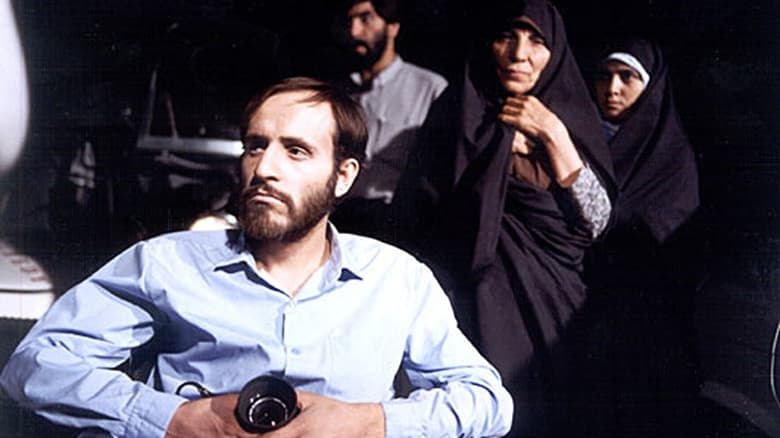
Marriage of the Blessed
Haji is severely traumatized by the war with Iraq. Back from the front, he's unable to adapt to civilian life. Despite family opposition, his fiancée stands by him as together they challenge both the authority of family and state to lead their own lives.
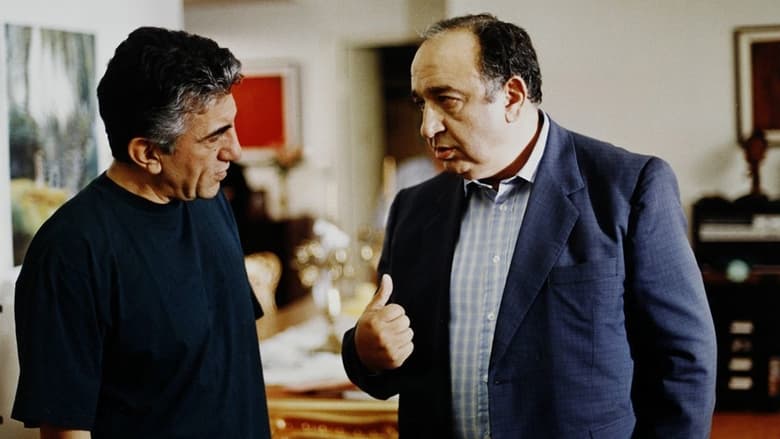
Smell of Camphor, Fragrance of Jasmine
Death surrounds Bahman, a director who hasn't made a film in 24 years (he can't get past the censors). He's working on a documentary, for Japanese TV, on Iranian burial practices. On the anniversary of his wife's death, a hitchhiker tells him a story of spousal abuse and infant mortality, he discovers that someone has been buried in his plot next to his wife, and he needs the help of his attorney, a well-connected fixer. He dreams of death, even as he investigates it for his film. His niece's husband, a well-known writer, fails to return home; he searches hospitals for an unclaimed body. His heart disease is flaring up. Is he prepared for death? Is that all that's left?
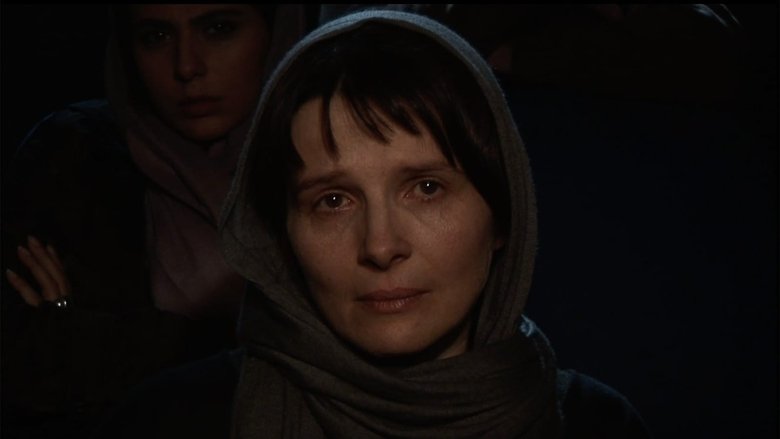
Shirin
A hundred and fourteen famous Iranian theater and cinema actresses and a French star: mute spectators at a theatrical representation of Khosrow and Shirin, a Persian poem from the twelfth century, put on stage by Kiarostami. The development of the text -- long a favorite in Persia and the Middle East -- remains invisible to the viewer of the film, the whole story is told by the faces of the women watching the show.
Filmography
as Giso
as Mehrbanoo
as Masti Ebrahimi
as La'ya
as Parinaz (Habib's Wife)
as Ziba
as Belgheys Divansalar
as Atieh
as Natasha
as Mitra
as Mrs. Mohammadi
as Sanam
as Woman Hitch-Hiker