
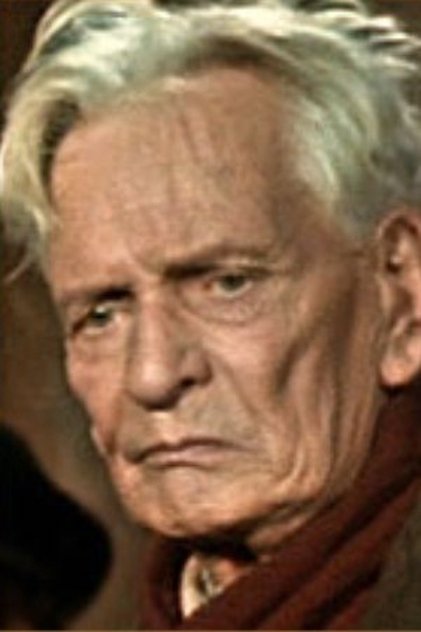
Rudolf Klix
Acting
Biography
No biography available for Rudolf Klix.
Born: March 14, 1881
Place of Birth: Berlin, Germany
Known For

Homeland
In 1885, famous New York Metropolitan Opera singer Maddalena dall' Orto is scheduled to perform at a festival in the German residence of Ilmingen. It soon becomes obvious that she is non other than Magda von Schwartze, who left the town eight years ago against her father's wishes to become a singer.

Ernst Thälmann – Son of the Working Class
This film is the first of a two-part historical and biographical portrait of the communist politician and anti-fascist Ernst Thälmann. In early November 1918, Ernst Thälmann is an unwilling soldier serving on the western front. As the revolutionary movement at home is threatened by the betrayal of the Social Democrats and fissures in the working class, Thälmann calls on his fellow soldiers to put down their weapons and unite with the workers in the communist struggle at home. Thälmann’s qualms about which side he is fighting on continue, but when the local police attempt to prevent a shipment of provisions and supplies from reaching the people in Petrograd, he intervenes and the ship is unloaded. With this moment of clarity, Thälmann continues to follow his political convictions and joins the workers at the Hamburg uprising in October 1923.

Kein Hüsung
Mecklenburg, 19th century. For generations, the Brand family of farmers has worked a piece of land as tenants of the baron, who owns almost all of the village's land. The baron himself comes from a family of farmers who became rich through corruption and were ennobled. He is the absolute potentate, no one dares to contradict him, he takes what he wants and stops at nothing in his excesses. At the same time, he is the center of petty bourgeois, bigoted social life. Johann, the stable boy, wants to marry Mariken Brand and asks the baron for a piece of land so that he can build a life of his own. But the lord is harsh, not only refusing him the land, but also increasing the rent. Johann rebels, trying to rouse the farmers in the village from their lethargy—in vain. Only when Mariken dies does the mood change. A peasant uprising breaks out, and Johann kills the baron.
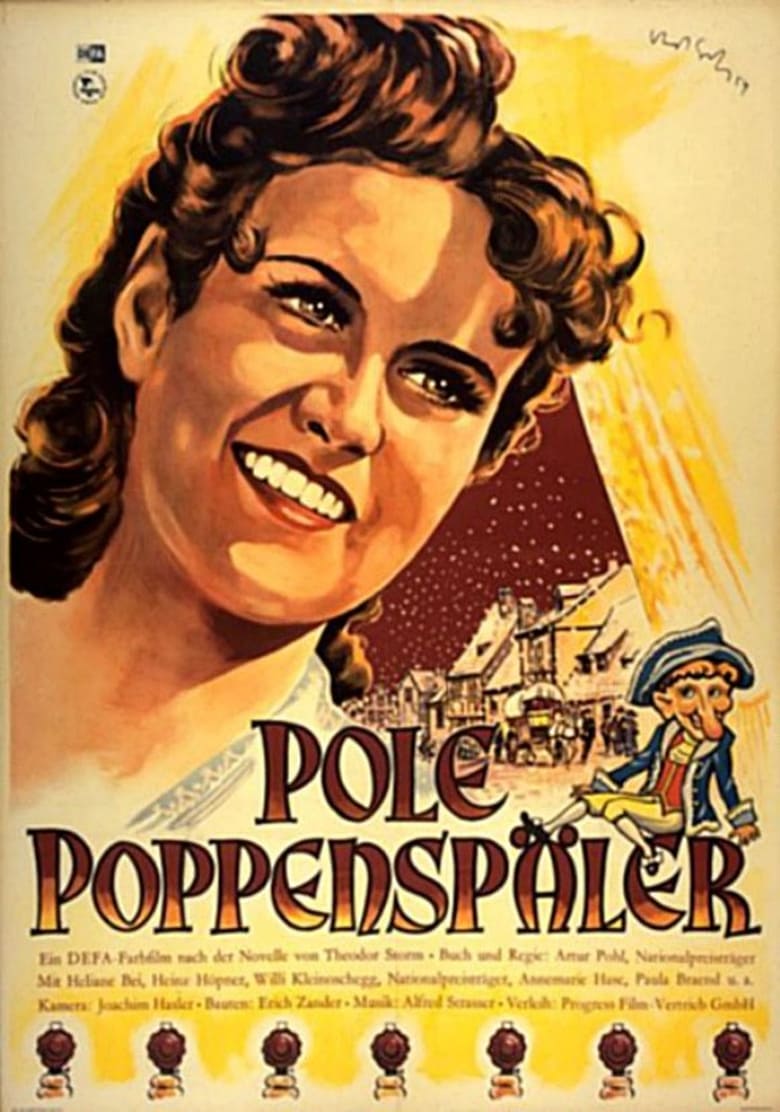
Pole Poppenspäler
On his travels, Paul, a journeyman from northern Germany, runs into a childhood friend, Lisei, a puppeteer's daughter. They fall in love and get married. Together with Lisei's father, the young couple moves to Paul's hometown. Although Paul himself is accepted - even respected - by the stuck-up and snooty citizens, the young woman is rejected by the town dwellers, who are imbued with class arrogance. Paul stands up for his wife but the scorn and abuse heaped on her weigh heavily upon him.

The Boy in Blue
A man searches for a cursed emerald belonging to his ancestor. Lost film, minor fragments survive

Geheimakten Solvay
In the Werra valley near the border is one of the five soda factories of the GDR that once belonged to the powerful Solvay group. After the war, they moved the headquarters from Berneburg to Frankfurt, but some people loyal to the groups bosses remained to sabotage the production in the now nationally owned factory.
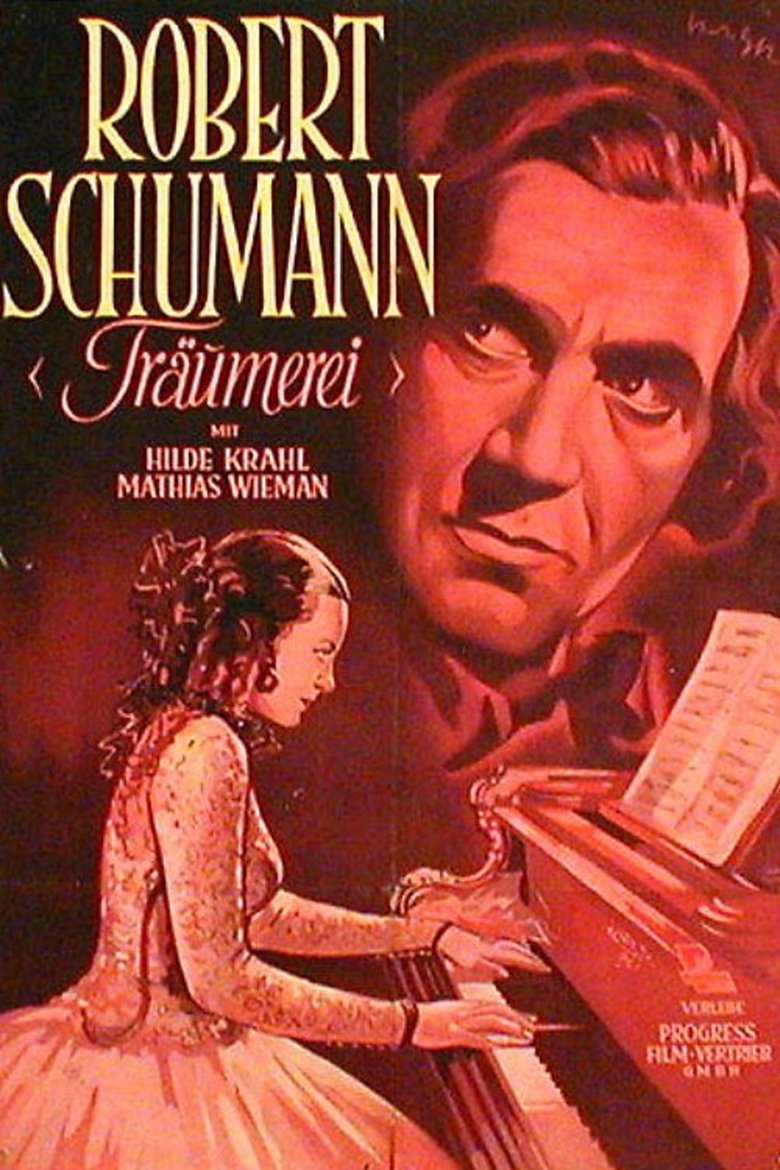
Träumerei
A musical film based on biographical facts about Clara Wieck's love for composer Robert Schumann (1810-1856), her marriage against her will, Schumann's triumph, and his tragic end due to mental illness. The film is beautiful and entertaining, full of noble spirit and beautiful words about art and love, which only conflict in a theoretical context; not least thanks to its solid cast, this film is quite serious and far from kitsch. Completed in 1944, during World War II, the film was rejected by the Nazi leadership, but was eventually released and enjoyed success with an audience already weary of war.
Filmography
as Vater Brand
as Willbrandt
as Hauptbuchhalter Treusch
as Würdenträger am Königshof
as Honoratio der Residenzhauptstadt
as Bobby