
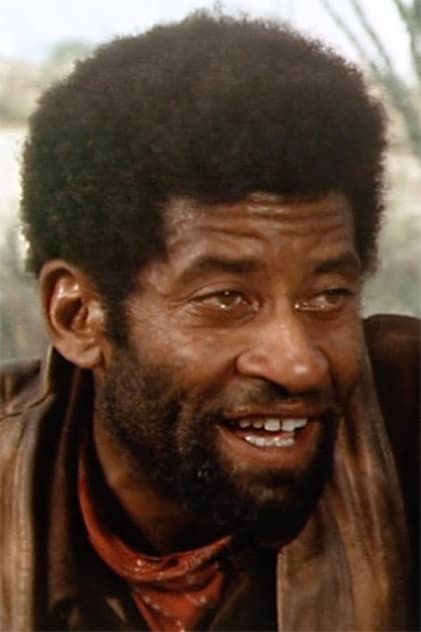
Rupert Crosse
Acting
Biography
Rupert Crosse (November 29, 1927 – March 5, 1973) was an American actor. He received an Academy Award nomination for Best Supporting Actor for his role in The Reivers (1969), which made him the first African American nominee in the category.
Born: November 29, 1927
Place of Birth: New York City, New York, USA
Known For
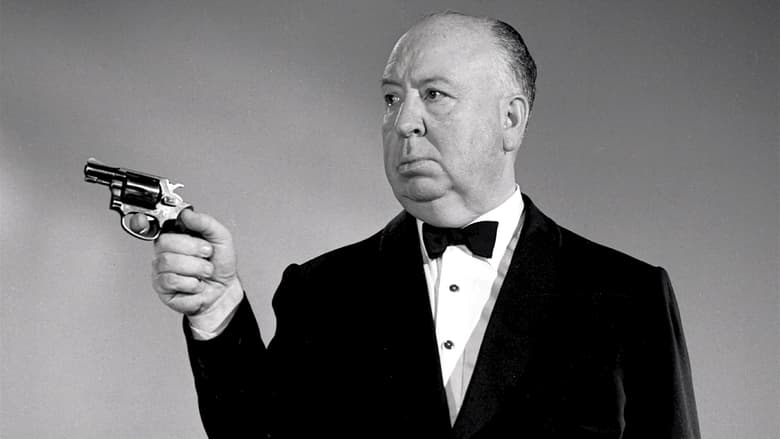
The Alfred Hitchcock Hour
A continuation of the anthology series “Alfred Hitchcock Presents”, hosted by the master of suspense and featuring thrillers and mysteries.

Bonanza
The High-Sierra adventures of Ben Cartwright and his sons as they run and defend their ranch while helping the surrounding community.
Have Gun, Will Travel
Have Gun – Will Travel is an American Western television series that aired on CBS from 1957 through 1963. It was rated number three or number four in the Nielsen ratings every year of its first four seasons. It was one of the few television shows to spawn a successful radio version. The radio series debuted November 23, 1958. The television show is presently shown on the Encore-Western channel. Have Gun – Will Travel was created by Sam Rolfe and Herb Meadow and produced by Frank Pierson, Don Ingalls, Robert Sparks, and Julian Claman. There were 225 episodes of the TV series, 24 written by Gene Roddenberry. Other contributors included Bruce Geller, Harry Julian Fink, Don Brinkley and Irving Wallace. Andrew McLaglen directed 101 episodes and 19 were directed by series star Richard Boone.
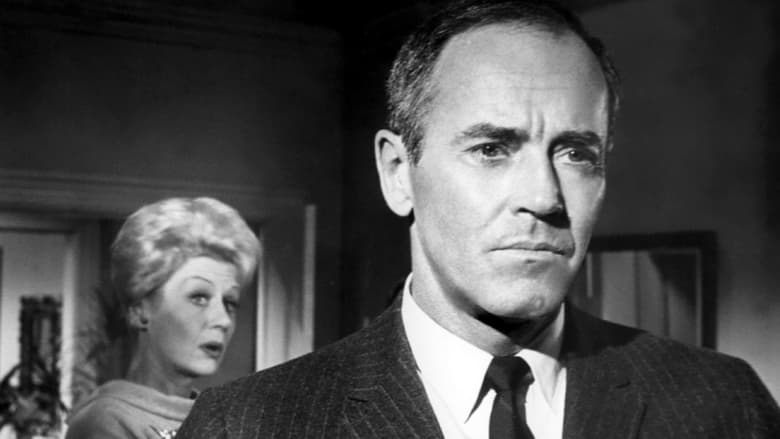
The Best Man
The other party is in disarray. Five men vie for the party nomination for president. No one has a majority as the first ballot closes and the front-runners begin to decide how badly they want the job.
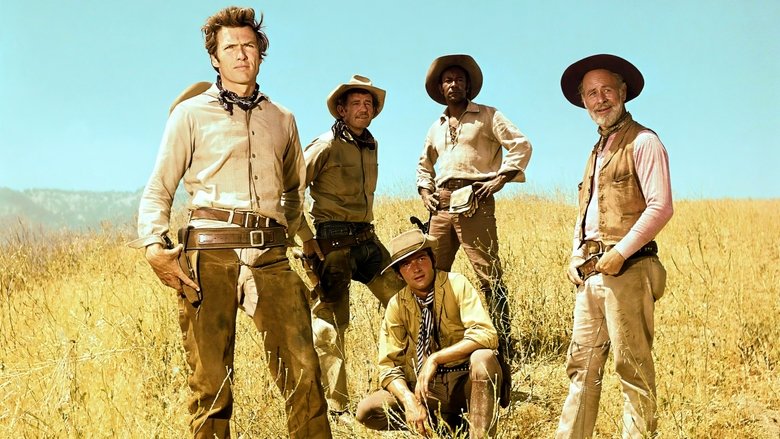
Rawhide
The tale of trail boss Gil Favor and his trusty foreman Rowdy Yates as they drives cattle across the old west. Along the way they meet up with adventure and drama.
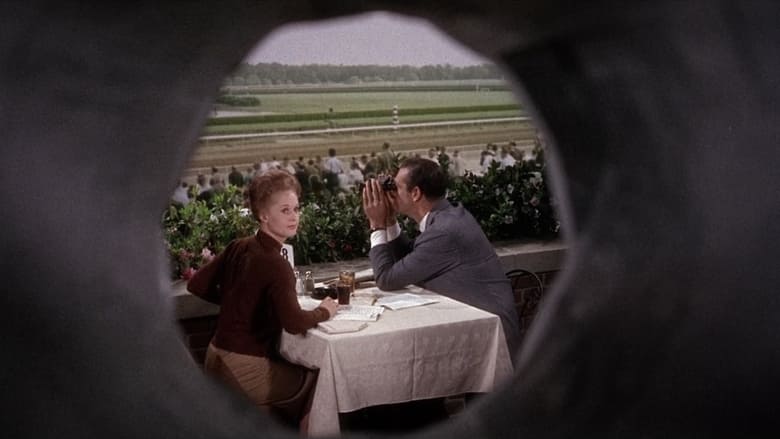
Marnie
Marnie is a beautiful but emotionally withdrawn thief, stealing from employers before disappearing under new identities. When her new boss, Mark Rutland, discovers her secret, his fascination turns to obsession, and he blackmails her into marriage, convinced he can cure her. But as he probes deeper into Marnie’s fractured mind, long-buried fears and compulsions begin to surface.

The Man from U.N.C.L.E.
Agents Napoleon Solo and Illya Kuryakin work for a secret intelligence service working under the auspices of the U.N. Their immediate superior is Mr. Waverly. Together they operate out of a secret base beneath the streets of New York City, and accesses through several cover business such as Del Floria's Tailor Shop and the Masque Club. This secret intelligence service is called U.N.C.L.E. United Network Command for Law and Enforcement.
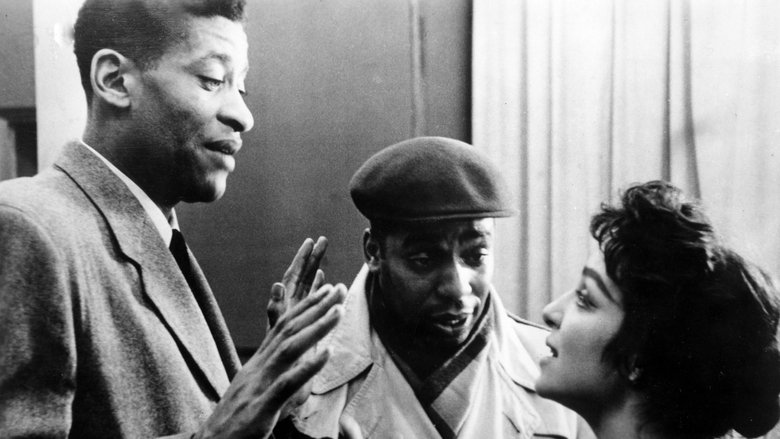
Shadows
The relationship between Lelia, a light-skinned black woman, and Tony, a white man is put in jeopardy when Tony meets Lelia’s darker-skinned jazz singer brother, Hugh, and discovers that her racial heritage is not what he thought it was.
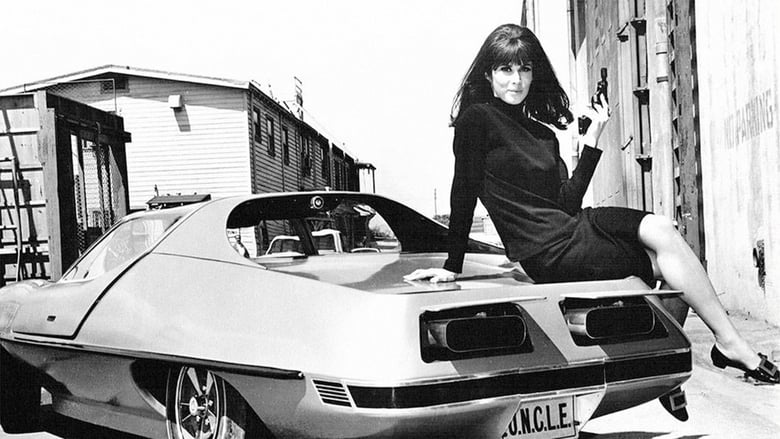
The Girl from U.N.C.L.E.
The Girl from U.N.C.L.E. is an American spy-fi TV series that aired on NBC for one season from September 16, 1966 to April 11, 1967. The series was a spin-off from The Man from U.N.C.L.E. and used the same theme music composed by Jerry Goldsmith, which was rearranged into a slightly different, harder-edged arrangement by Dave Grusin.
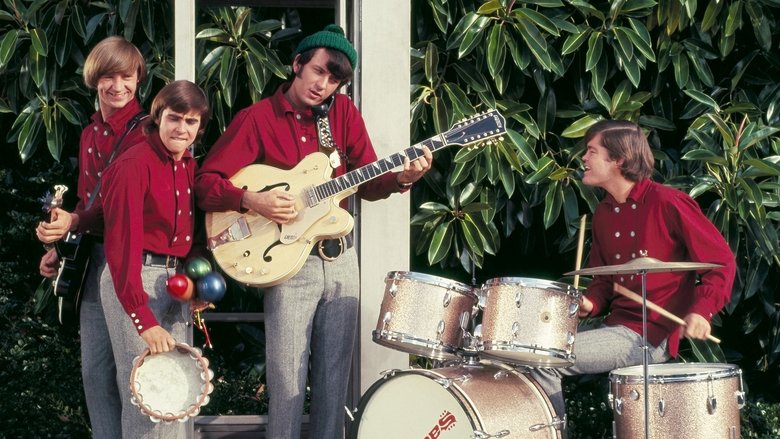
The Monkees
Micky, Mike, Peter, and Davy are four young men in mid-1960s LA, members of a struggling country-folk-rock band looking for their big break amid madcap encounters with a variety of people straight out of TV and movie central casting, with full knowledge that their existence is part of a weekly television series.
Filmography
as Det. George Robinson
as Ned McCaslin
as Felix E. LeBlanc
as Prince
as Indian Joe
as Tchelba
as Hobo
as Gen. Molte Nobuk (uncredited)
as Nobuk
as Office Worker (uncredited)
as Reporter (uncredited)
as Jailer's Assistant (uncredited)
as William Still
as Paul Mackey
as Baby Jackson
as George Parker
as Rupert
as Davis
as A Trooper