
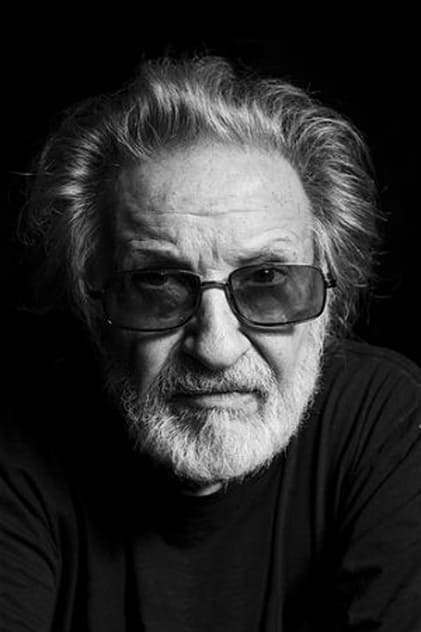
Ruy Guerra
Directing
Biography
Ruy Alexandre Guerra Coelho Pereira (born August 22, 1931) is a Portuguese-Brazilian film director, screenwriter, film editor, and actor. Guerra was born a Portuguese citizen in Lourenço Marques (today Maputo) in Mozambique, when it was still Portuguese colony. Guerra studied at IDHEC film school in Paris from 1952. In 1958 he started his career as an assistant director in several French films. Later on he immigrated to Brazil, where he directed his first feature film, Os Cafajestes (1962).
Born: August 22, 1931
Place of Birth: Maputo, Moçambique
Known For
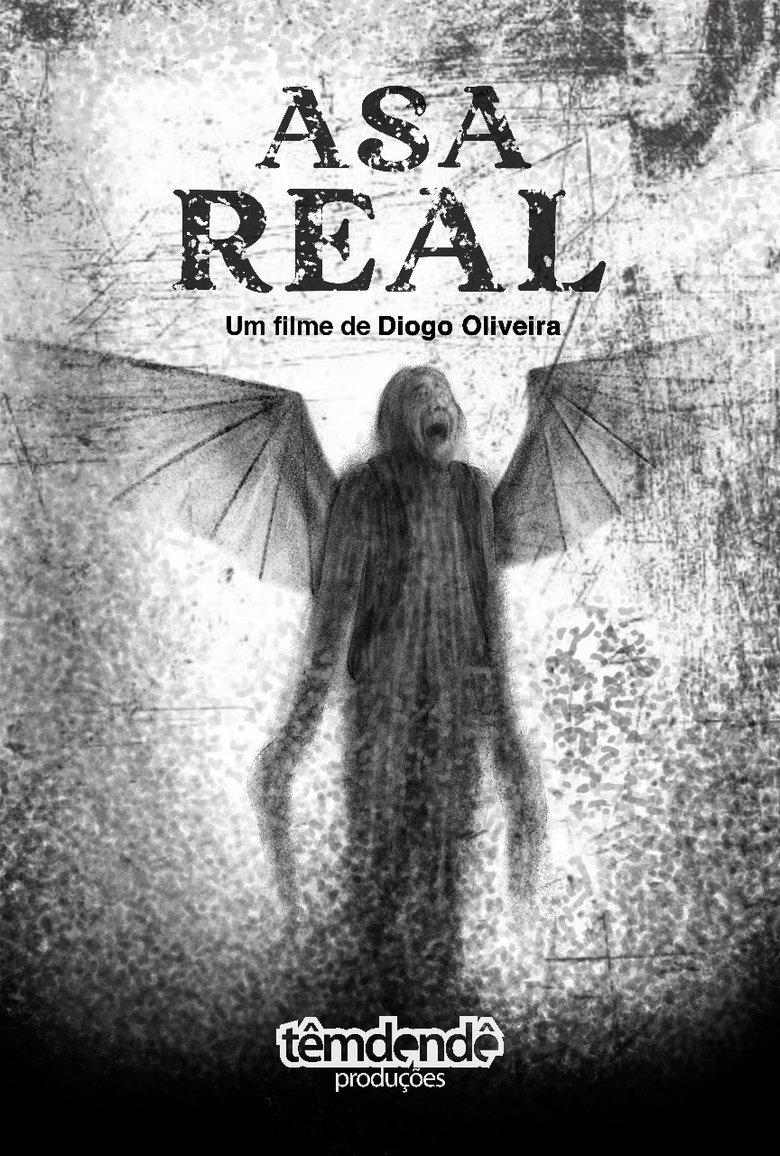
Asa Real
A woman with a dream: to fly. During a frenetic search for the final widget for her gadget, pursuers will try to stop her.
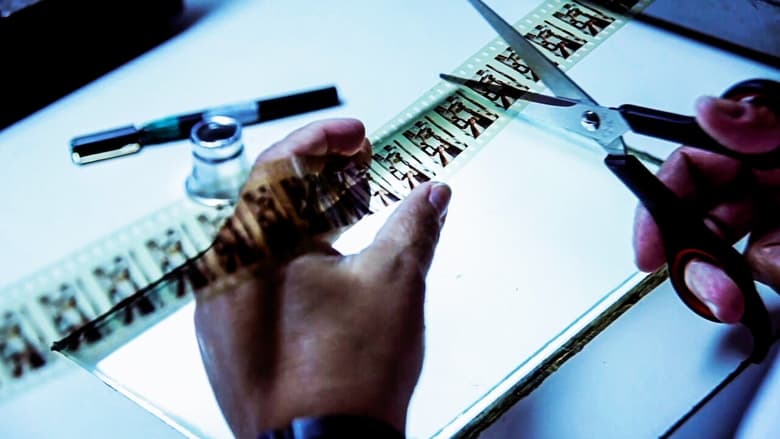
About Cinema
An abandoned tumbledown theater in the outback of Paraíba state is the initial setting of a film about cinema, which explores the testimonials of the novelist and playwright Ariano Suassuna and other filmmakers such as Ruy Guerra, Julio Bressane, Ken Loach, Andrzej Wajda, Karim Ainouz, José Padilha, Hector Babenco, Vilmos Zsigmond, Béla Tarr, Gus Van Sant and Jia Zhangke. They all respond to two basic questions: why do they make movies and why do they serve the seventh art. The filmmakers share their thoughts about time, narrative, rhythm, light, movement, the meaning of tragedy, the audience‘s desires and the boundaries with other forms of art.
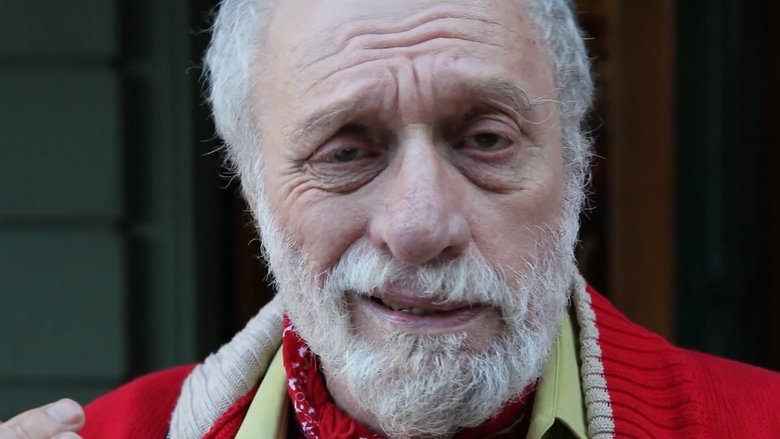
Peréio, Eu Te Odeio!
23 years in the making, “Pereio, Eu Te Odeio!” is a documentary on legendary Brazilian actor Paulo Cesar Pereio, an irreverent and controversial artist and public figure, as told by the testimonies of friends, family, and society members who hate him.

Chico: Brazilian Artist
Chico Buarque is a constant presence in Brazil's art scene and makes up its citizen's popular culture. This wealth in music, poems, theater and novels has been created over the last 50 years and in this film Chico Buarque converses about his memories, shows, daily life, work methods, creative process, in summary all his trajectory. The musician’s search for his German brother, whom he never got to meet, serves as one of the axis for the narrative.
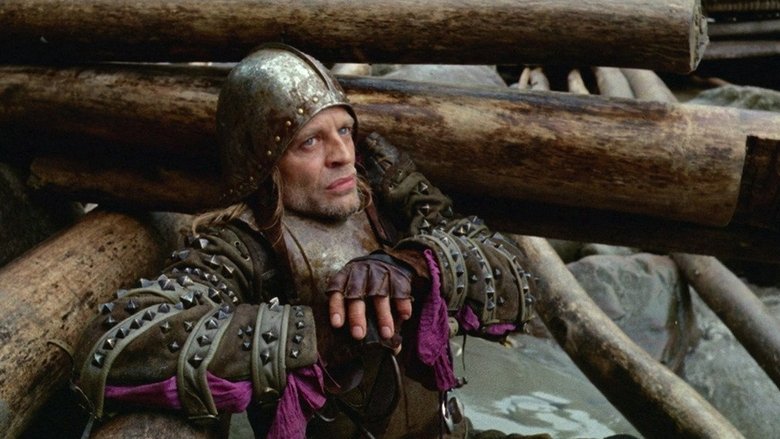
Aguirre, the Wrath of God
A few decades after the destruction of the Inca Empire, a Spanish expedition led by the infamous Aguirre leaves the mountains of Peru and goes down the Amazon River in search of the lost city of El Dorado. When great difficulties arise, Aguirre’s men start to wonder whether their quest will lead them to prosperity or certain death.

The Man Who Killed John Wayne
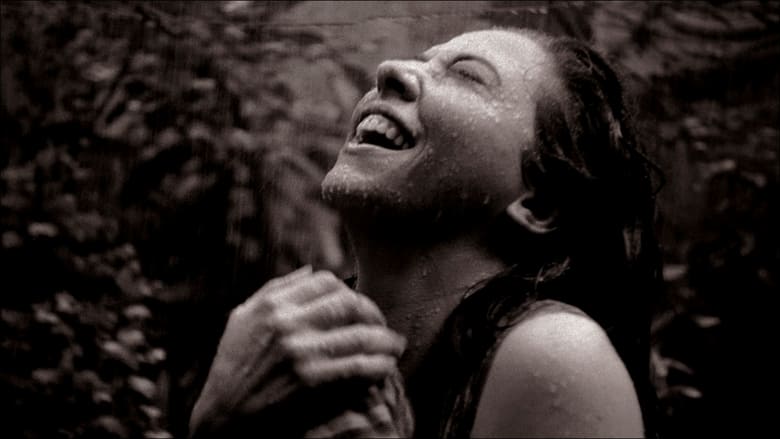
Cinema Novo
A deep investigation, in the way of a poetic essay, on one of the main Latin American movements in cinema, analyzed via the thoughts of its main authors, who invented, in the early 1960s, a new way of making movies in Brazil, with a political attitude, always near to people's problems, that combined art and revolution.
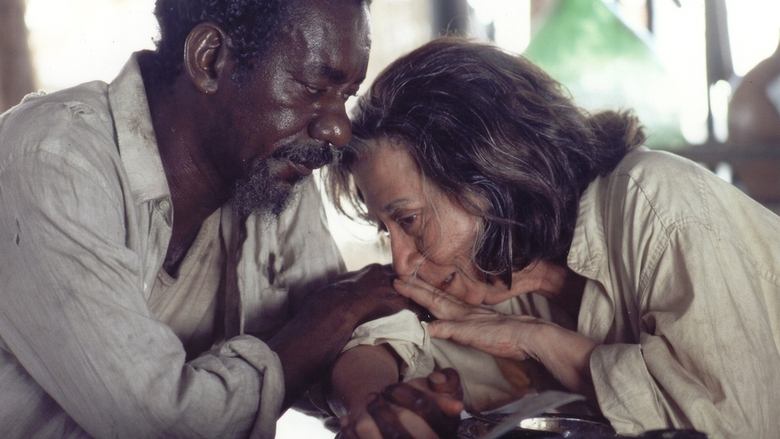
The House of Sand
A woman is taken along with her mother in 1910 to a far-away desert by her husband, and after his passing, is forced to spend the next 59 years of her life hopelessly trying to escape it.
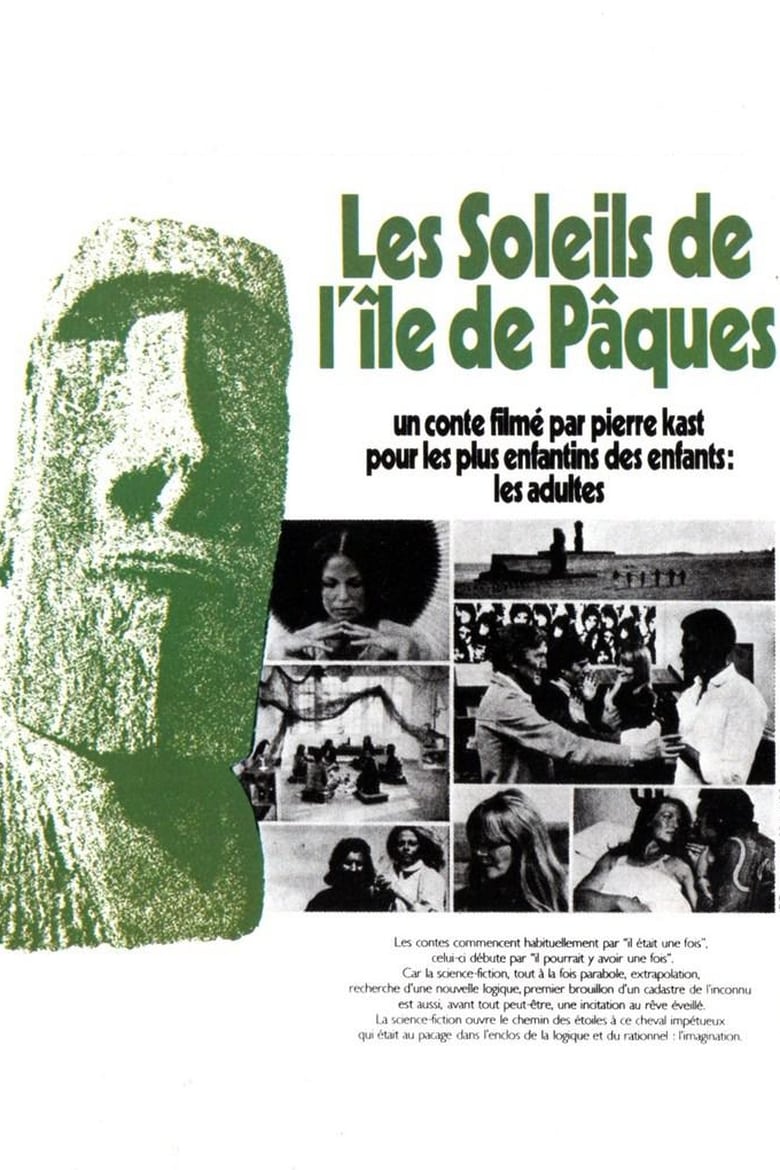
The Suns of Easter Island
Six people find a mysterious mark in the center of their left hand and all independently go to Easter Island in hopes to uncover the mystery.

A Linguagem do Cinema
A 10-part documentary about 10 Brazilian filmmakers: Linduarte Noronha, Jorge Furtado, Ruy Guerra, Murilo Salles, Paulo Caldas, Walter Salles & Daniela Thomas, David Neves, Julio Bressane, Ana Carolina and Carlos Reichenbach.
Filmography
as Self (archive footage)
as Self
as Self
as Self - Filmmaker (archive footage)
as Self
as Self
as Self
as Vasco de Sá
as Self
as Don Pedro de Ursúa
as Miguel