
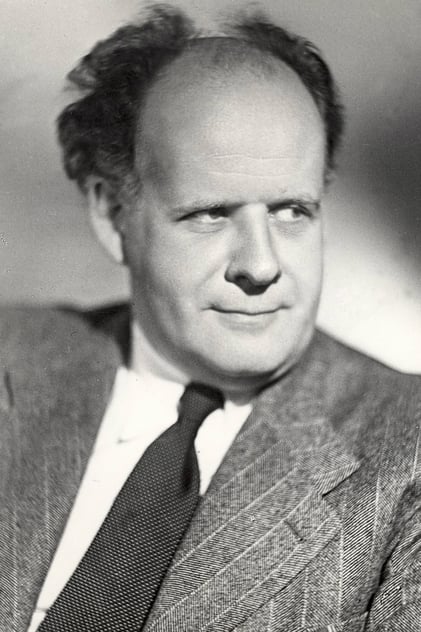
Sergei Eisenstein
Directing
Biography
Sergei Mikhailovich Eisenstein was a pioneering Soviet Russian film director and film theorist, often considered to be the "Father of Montage." He is noted in particular for his silent films Strike (1924), Battleship Potemkin (1925) and October (1927), as well as the historical epics Alexander Nevsky (1938) and Ivan the Terrible (1944, 1958). His work profoundly influenced early filmmakers owing to his innovative use of and writings about montage.
Born: January 23, 1898
Place of Birth: Riga, Russian Empire
Known For
Our Cinema

Sergei Eisenstein: Autobiography
A free film adaptation of the director's memoirs. In form, this is the "stream of consciousness" that attracted Sergei Eisenstein after getting acquainted with the experiments of James Joyce. The outer outline of the film is a long foreign trip of the director, which began in 1929, during which he recalls his past life and considers creative ideas. The film is constructed as a free alternation of reality, dreams, and fantasies. The material for it is fragments from the films of Sergei Eisenstein and his fellow contemporaries, documentary footage depicting the director and his time. The wide coverage of the faces and events reflected in the film shows the special role of Sergei Eisenstein in the culture of the twentieth century…

Battleship Potemkin
A dramatized account of a great Russian naval mutiny and a resultant public demonstration, showing support, which brought on a police massacre.
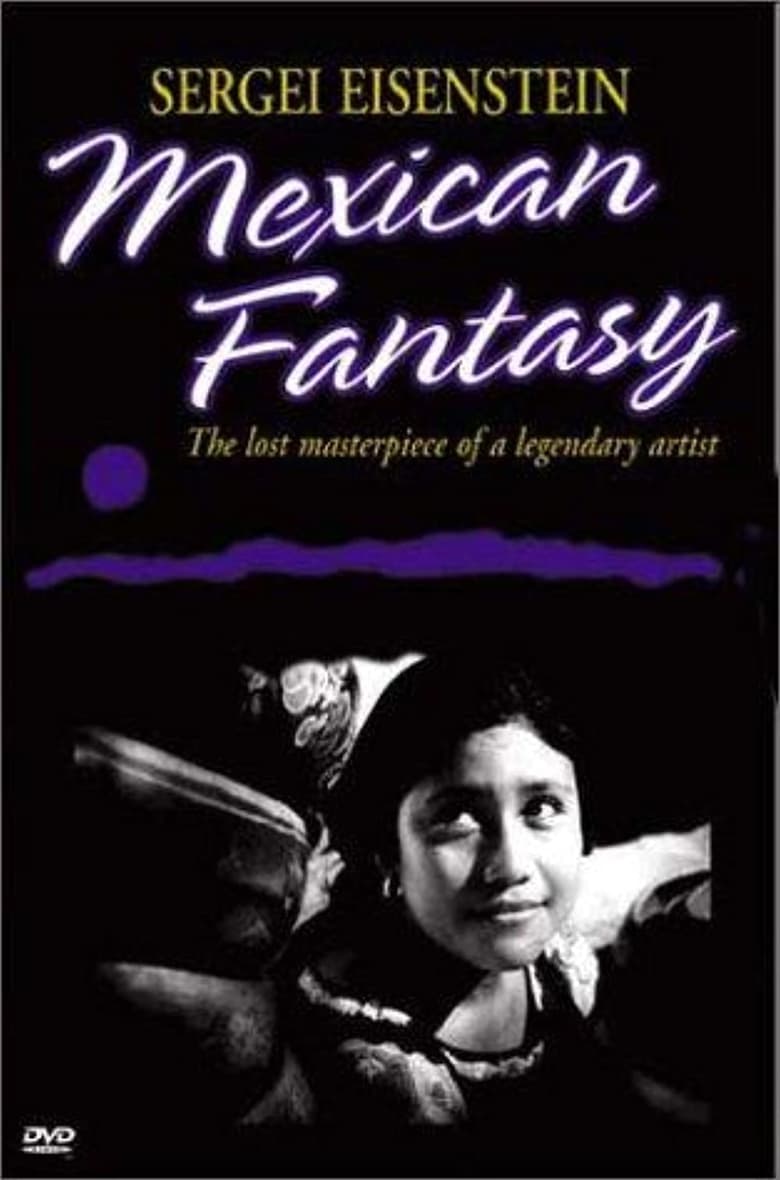
Sergei Eisenstein: Mexican Fantasy
Eisenstein shot 50 hours of footage on location in Mexico in 1931 and 32 for what would have become ¡Que viva México!, but was not able to finish the film. Following two wildly different reconstruction attempts in 1939 (Marie Seton's 'Time in the Sun') and 1979 (Grigori Alexandrov's '¡Que viva México!') Kovalov has here compiled another hypothetical version of what Eisenstein's film might have been.
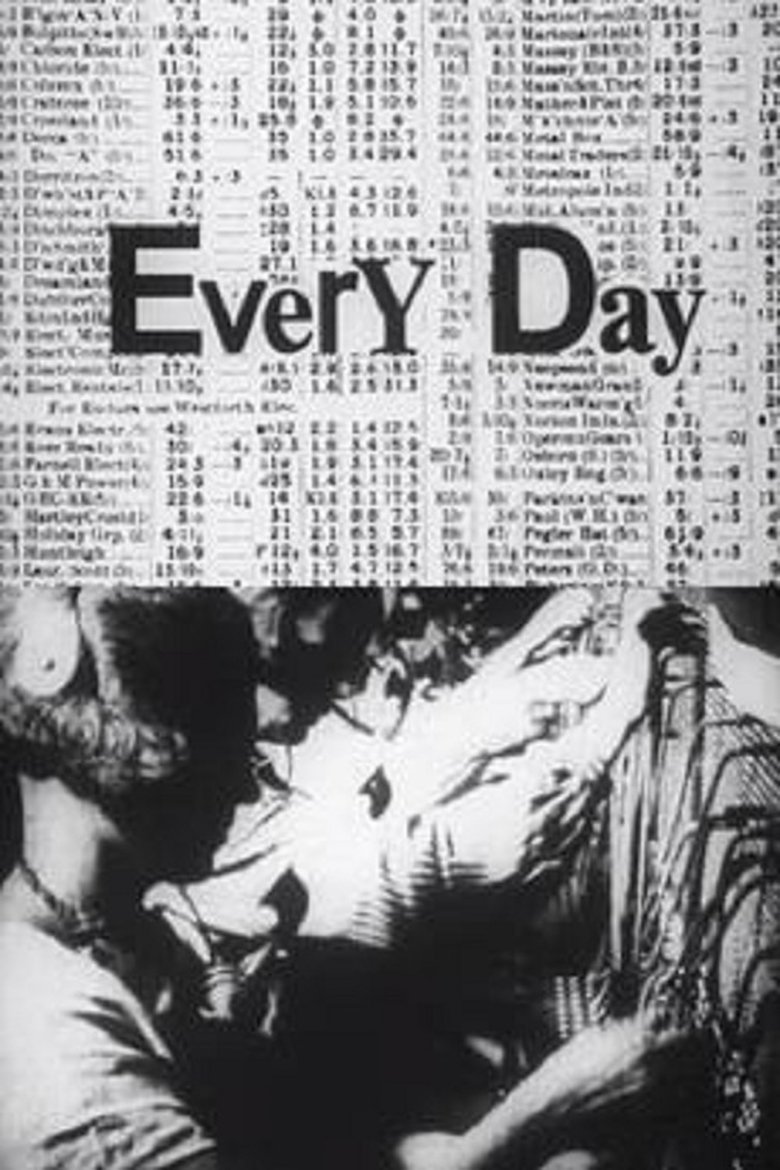
Every Day
Experimental documentary focusing on a day in the life of city workers, featuring montage sequences and repetition to emphasise the monotony of routine office work.
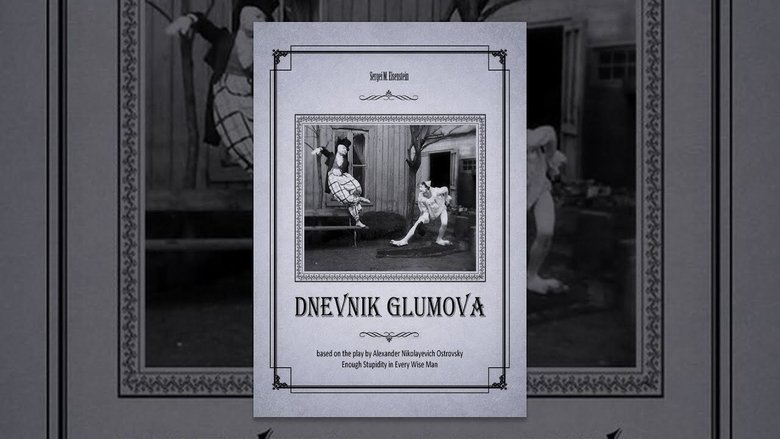
Glumov's Diary
Filmic insert to Eisenstein's modernized, free adaptation of Ostrovskiy's 19th-century Russian stage play, "The Wise Man" ("Na vsyakogo mudretsa dovolno prostoty"). The anti-hero Glumov tries to escape exposure in the midst of acrobatics, derring-do, and farcical clowning. Several members of Eisenstein's troupe at the legendary "Proletkult" stage theatre in Moscow briefly appear in this little film.
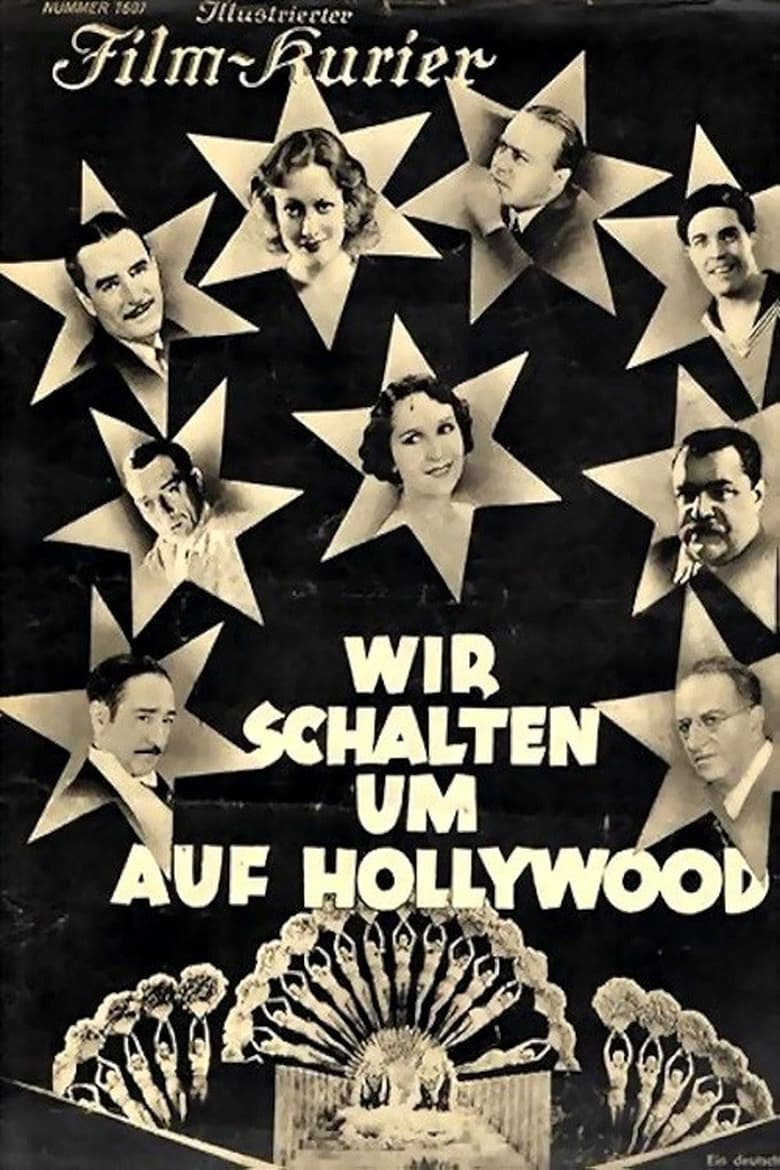
We’re Switching to Hollywood
A German reporter visits Hollywood and is escorted through the MGM Studio by a German nobleman, who is working there as an extra. They meet and speak to several actors, primarily Buster Keaton, John Gilbert, Joan Crawford and Heinrich George. Then they meet Adolphe Menjou, who rehearses a long scene in German. A final scene shows stars arriving at a film premiere, including Jean Harlow, Norma Shearer and Wallace Beery.
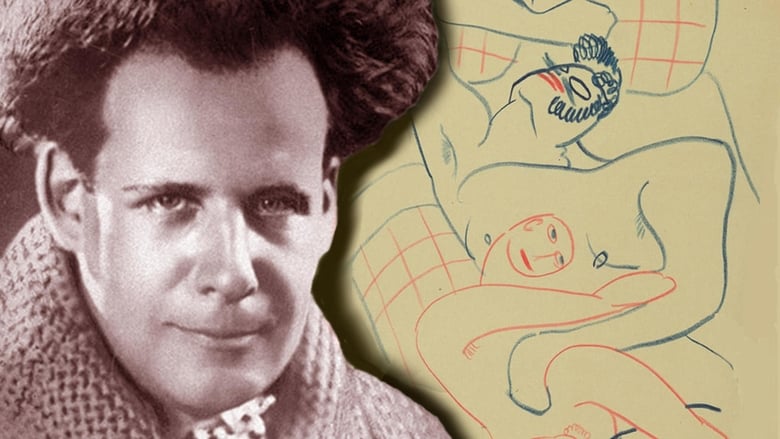
Sergei/Sir Gay
As a teenager, Sergei Eisenstein signed his drawings with "Sir Gay". Mark Rappaport sees clear signs of his sexual preferences throughout the Russian’s film oeuvre. Numerous asides illustrate how Hollywood productions likewise frequently played with nods and winks and typical motifs from gay culture.
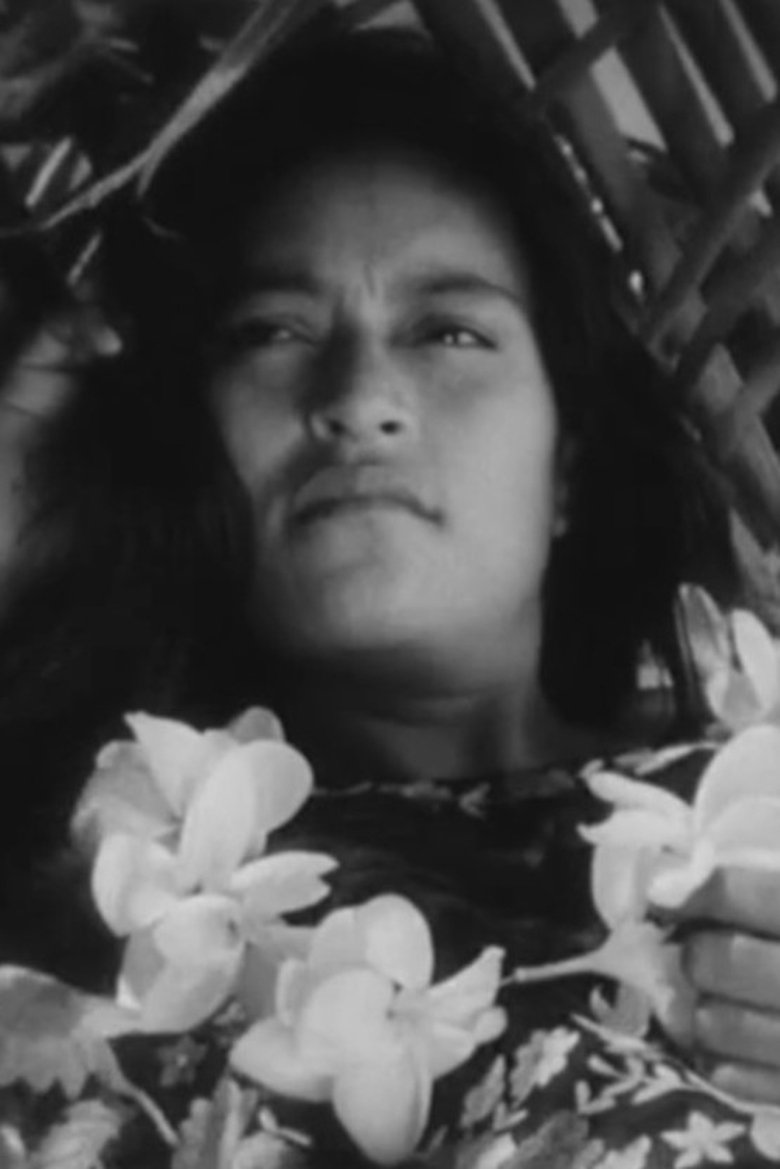
Eisenstein in Mexico
The story of Russian director Sergei M. Eisenstein in Mexico trying to film his unfinished ¡Que Viva Mexico! - Da zdravstvuyet Meksika! (1979).

The Marriage of Greta Garbo and Sergei Eiseinstein
What could have happened – what should have happened – if two giants in film history, like Greta Garbo and Sergei Michajlovič Eisenstein, could have declared their love for each other? The world's most famous actress, an honorary Russian citizen of cinema for her many performances; the world's most radical director, who could have immortalized her face in one of his famous close-ups? Sphinx Garbo did not want to be alone: she just wanted to marry the great Sergei. Perhaps she could have played Trotsky or Pancho Villa in one of his films. Perhaps their friends Charlie Chaplin, Walt Disney and Josef von Sternberg would have approved their love. Maybe they could have had a child together. Maybe all this could still have happened, in a Mark Rappaport film.
Filmography
as Self (archive footage)
as Himself
as Self (archive footage)
as Self (archive footage)
as С.Эйзенштейн
as (archive footage)
as Self
as Self (uncredited)
as Policeman
as Odessa Citizen
as Sergei Eisenstein