
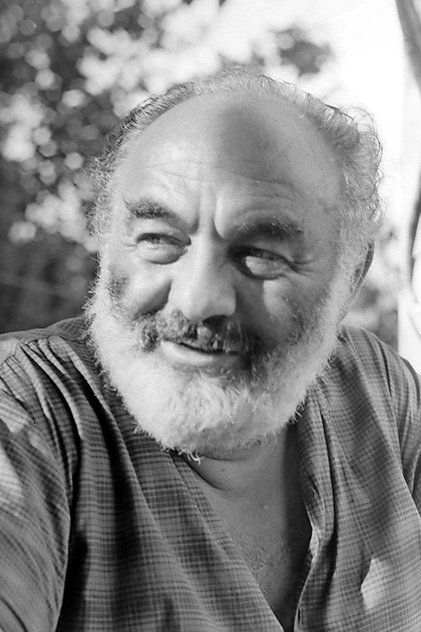
Sergei Parajanov
Directing
Biography
Sergei Parajanov (Armenian: Սերգեյ Փարաջանով; Russian: Серге́й Ио́сифович Параджа́нов; Georgian: სერგო ფარაჯანოვი; Ukrainian: Сергій Йо́сипович Параджа́нов; sometimes spelled Paradzhanov or Paradjanov; January 9, 1924 – July 20, 1990) was a Soviet film director and artist of Armenian descent who made significant contributions to Soviet cinematography through Ukrainian, Georgian, and Armenian cinema. One of the representatives of the Ukrainian poetic cinema movement. He pioneered the collage genre in Ukrainian visual arts, which he created on the basis of conceptualism, although during his lifetime these works remained underground and only appeared in exhibitions after the artist's death.
Born: January 9, 1924
Place of Birth: Tiflis, Georgian SSR, Transcaucasian SFSR, USSR
Known For

Parajanov. A Ticket to Eternity
Documentary about the life of Sergei Parajanov, a prominent Soviet-era filmmaker who was active in Ukraine, Georgia and Armenia and was persecuted by the communist government for his views on the pretext of his homosexuality, which was a crime in the USSR. The centerpiece of this documentary is Shadows of Forgotten Ancestors, a 1965 movie directed by Parajanov, that awakened the Ukrainian national consciousness which had been suppressed by decades of Soviet rule.

Sergei Parajanov. A Visit
In November 1988, director Anatoly Syrykh met with Sergei Parajanov in Tbilisi to make a documentary about him. However, Parajanov was clearly not in the mood to talk about his art. As a compromise, Syrykh offers to talk about the artist and time. The tired, offended director of "Shadows of Forgotten Ancestors" forbids Syrykh to film him. He agrees only to speak, recalling the most unpleasant moments of his life.
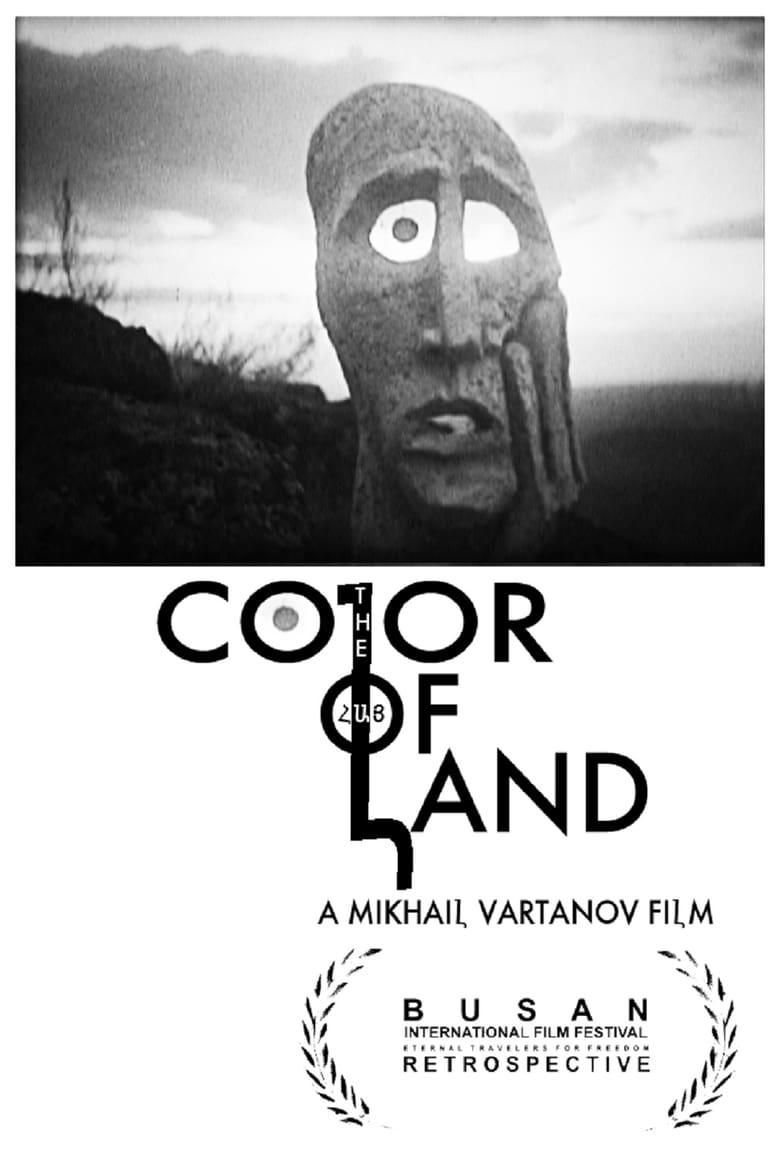
The Color of Armenian Land
In his wordless debut film, Mikhail Vartanov presents the ancient and modern art of Armenia through the post-impressionist painter Martiros Saryan’s silent commentary of gestures. Biblical landscapes, the ruins of temples, frescos, cross-stones, contemporary sculptures of Tchakmakchian (Chakmakchyan), the first appearance on film of iconic modernist painter Minas and his paintings, as well as the world famous behind-the-scenes episodes of Sergei Parajanov’s landmark "The Color of Pomegranates (Sayat Nova)." The film had its first public screening at one of the world’s largest and prestigious cinematic events, the Busan International Film Festival, 43 years after it was made.
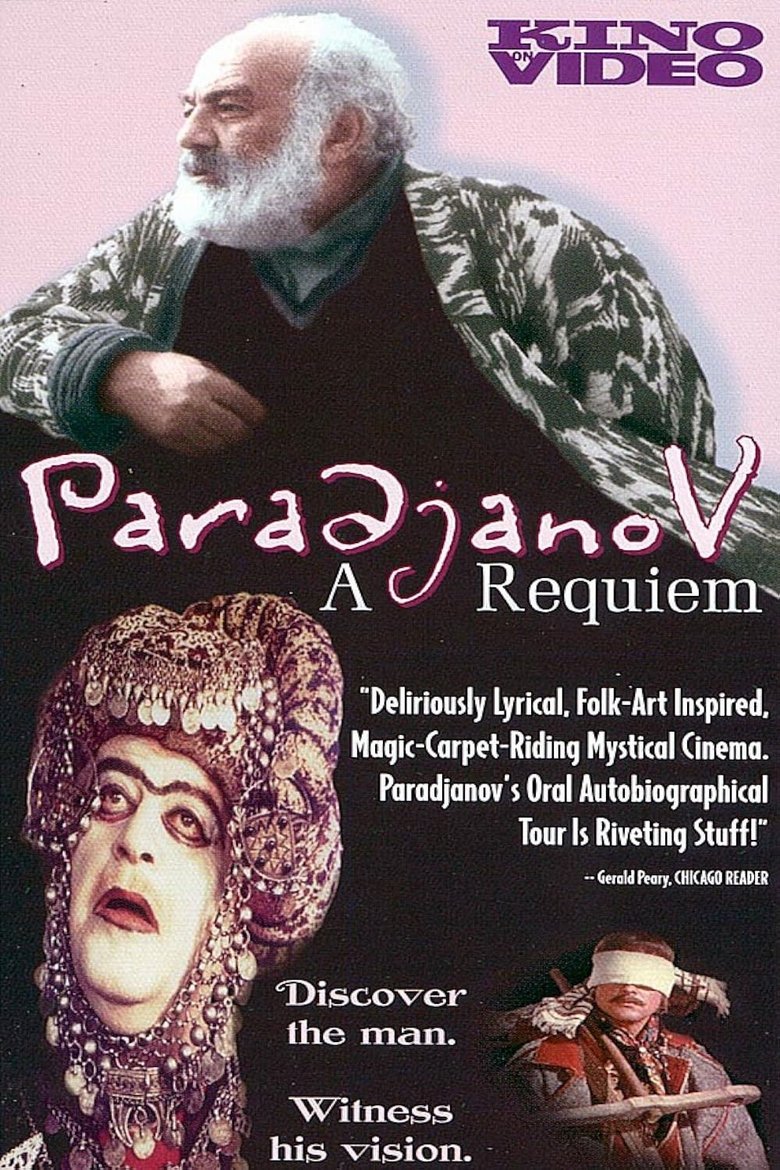
Paradjanov: A Requiem
An absorbing portrait of one of the most colorful and revered figures in world cinema, 'Paradjanov: A Requiem' offers an affectionate and insightful look at the tumultuous career of the late Sergei Paradjanov; artist, dissident, romantic and iconoclast.

Sergei Parajanov: The Rebel
This documentary is not a straightforward portrait of Armenian film director Sergei Paradjanov's life, but rather a fluid celebration of his talent and creativity. Focusing on the collages he produced during his years in prison, and featuring interviews with the director himself, Cazals' film demonstrates the scope of Paradjanov's artistic vision, lovingly commemorating this rebel of art cinema.
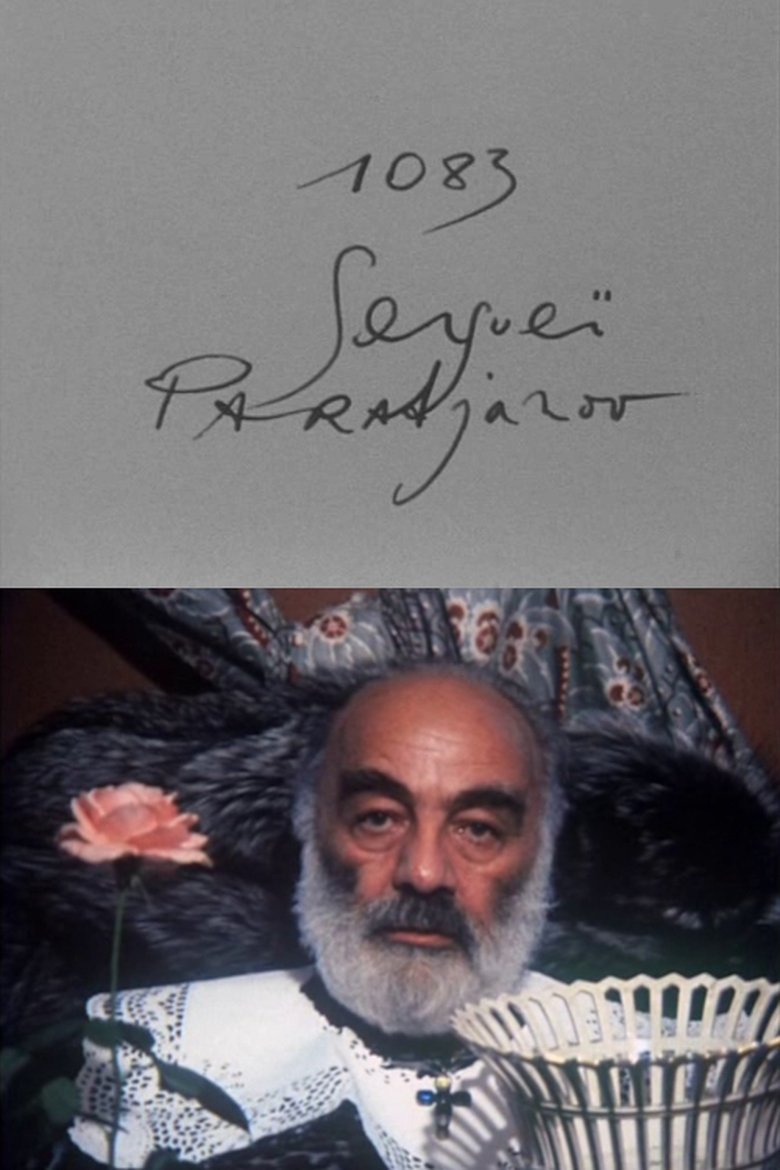
Cinématon n°1083: Sergueï Paradjanov
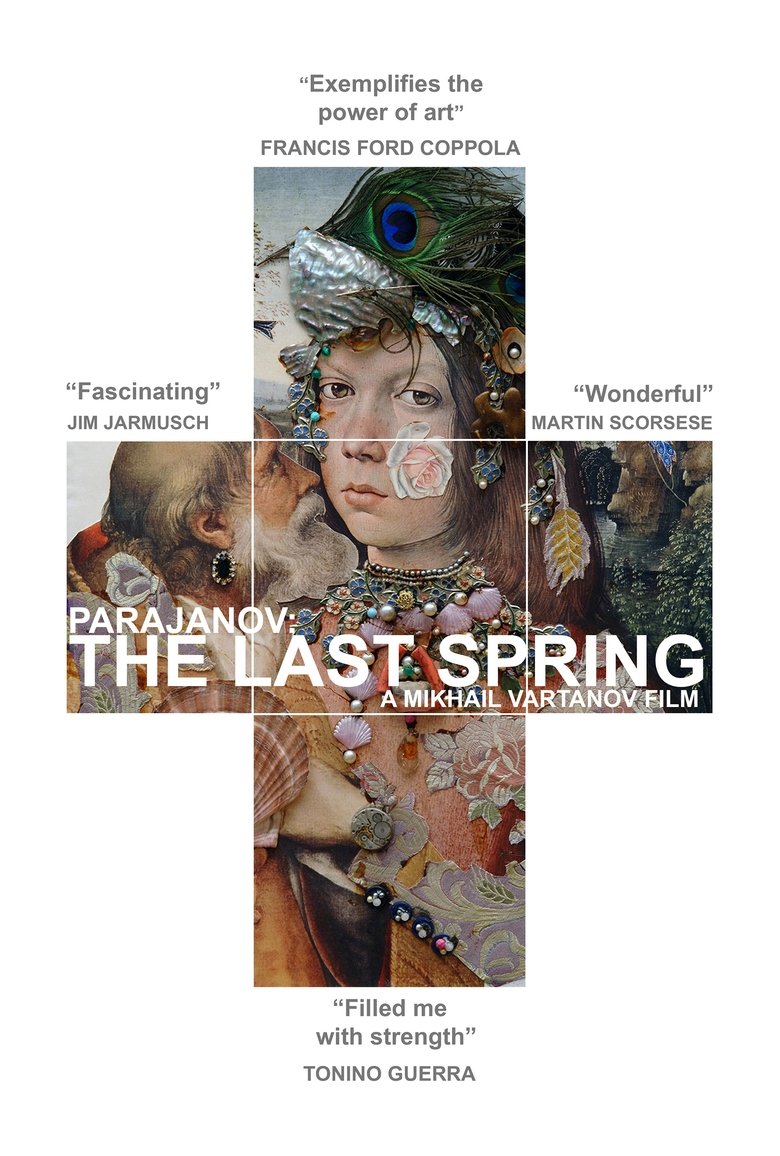
Parajanov: The Last Spring
Made in wartime and edited in candlelight, Vartanov's rarely-seen masterpiece tells about his friendship with the genius Parajanov who was imprisoned by KGB "at the height of his fame ". Vartanov resurrects the riveting scenes from his banned 1969 film The Color of Armenian Land, where Paradjanov concocts the chef-d'oeuvre The Color of Pomegranates - widely regarded as one of the greatest films of all time - then reveals the shocking request Parajanov sent him in unpublished 1974 letters from Ukrainian prisons. Vartanov's camera documents Parajanov's staggering last day at work in 1990 during the making of the unfinished Confession - which survives in The Last Spring - as Parajanov comments on this cherished autobiographical film. The foremost achievement of The Last Spring, emphasized by critics, is Vartanov's exquisite wordless montage that "evoked the very soul" of Parajanov and earned the praise of many of cinema's greatest masters, such as Martin Scorsese and Francis Ford Coppola.
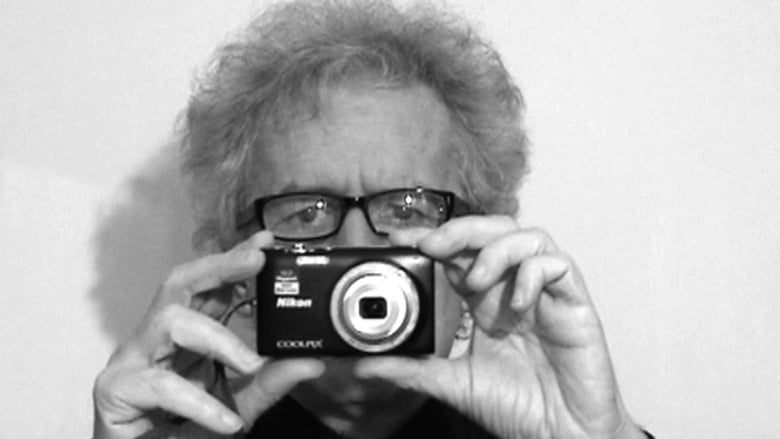
Cinématon
Cinématon is a 156-hour long experimental film by French director Gérard Courant. It was the longest film ever released until 2011. Composed over 36 years from 1978 until 2006, it consists of a series of over 2,821 silent vignettes (cinématons), each 3 minutes and 25 seconds long, of various celebrities, artists, journalists and friends of the director, each doing whatever they want for the allotted time. Subjects of the film include directors Barbet Schroeder, Nagisa Oshima, Volker Schlöndorff, Ken Loach, Benjamin Cuq, Youssef Chahine, Wim Wenders, Joseph Losey, Jean-Luc Godard, Samuel Fuller and Terry Gilliam, chess grandmaster Joël Lautier, and actors Roberto Benigni, Stéphane Audran, Julie Delpy and Lesley Chatterley. Gilliam is featured eating a 100-franc note, while Fuller smokes a cigar. Courant's favourite subject was a 7-month-old baby. The film was screened in its then-entirety in Avignon in November 2009 and was screened in Redondo Beach, CA on April 9, 2010.

Islands
A bunch of stories, portraits and images about people of amazing destinies, including Parajanov and Tarkovsky, merging into a non-traditional and polemic image of Armenia.
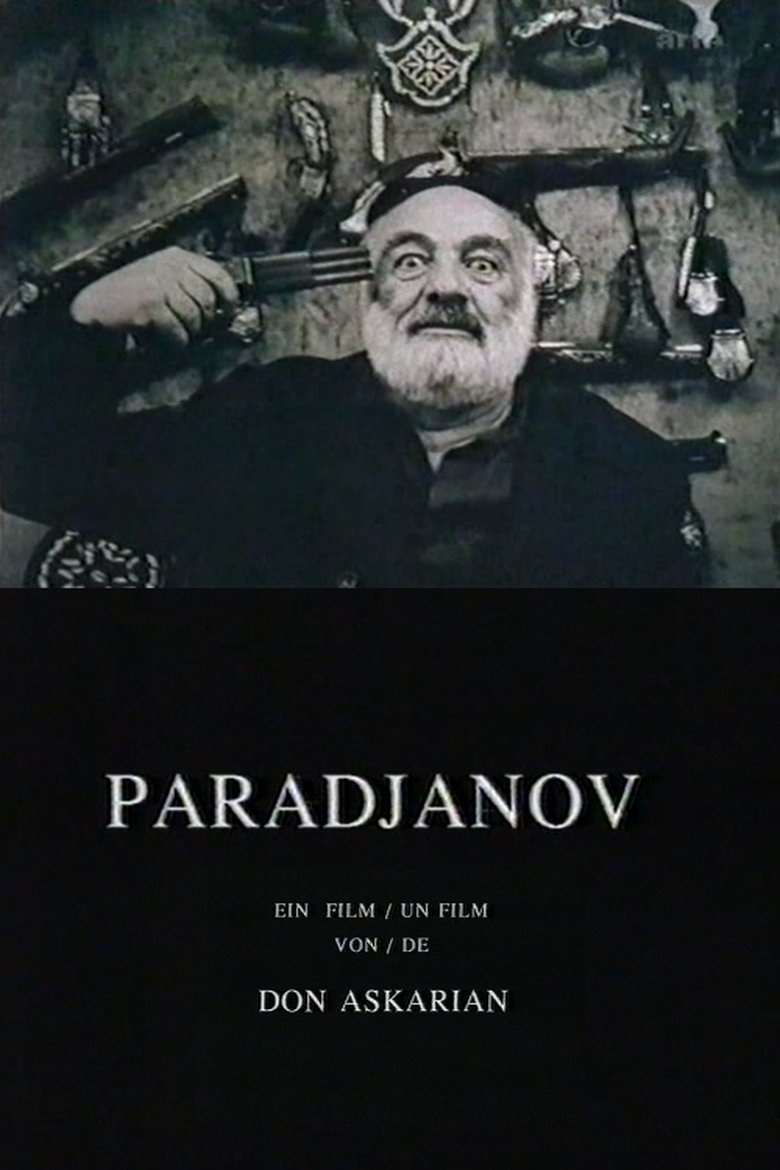
Paradjanov
“Drawing on archival footage, fragments of interviews, and scenes from his films, this newly constructed portrait of Sergey Paradjanov was composed by the highly accomplished Armenian director Don Askarian (Komitas, Avetik). According to the director's synopsis: "The year is 1989. The place is the film festival in Rotterdam. Farewell at the Hilton Hotel. And Paradjanov says, ‘Help me make Confession’. I answer, ‘As a child of two fathers, the film will be born a bastard’."
Filmography
as Self (archive footage)
as Self (archival footage, voice)
as Self
as himself
as Interviewee
as Himself (archive footage)
as Self (archive footage)
as Himsef (archival footage)
as Self (archival footage, voice)
as Himself
as Himself
as Cinéaste
as Himself (archive footage)
as N°1083
as Himself
as Self (archive footage)