

Shû Nakajima
Acting
Biography
No biography available for Shû Nakajima.
Born: April 18, 1948
Known For

Dreams
Eight visually rich vignettes drawn from Kurosawa’s own dreams—fox weddings and vanished orchards, a soldier’s ghosts, a walk through Van Gogh’s canvases, nuclear nightmares, and a water-mill utopia—meditate on childhood, art, mortality, and humanity’s uneasy bond with nature.
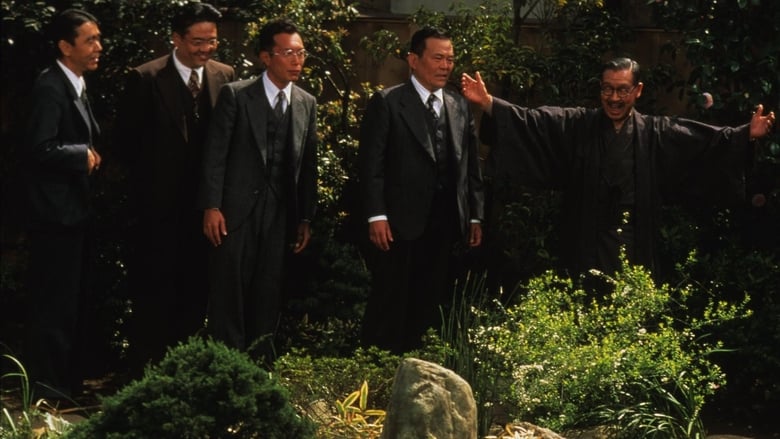
Madadayo
In postwar Tokyo, beloved writer-professor Hyakken Uchida retires and is buoyed through hardship by the fierce devotion of his former students, who honor him each year with a raucous “Not yet!” birthday toast. Told in warm, gently comic vignettes, Kurosawa’s farewell celebrates aging, friendship, and the sustaining ritual of teacher and pupils refusing to say goodbye.
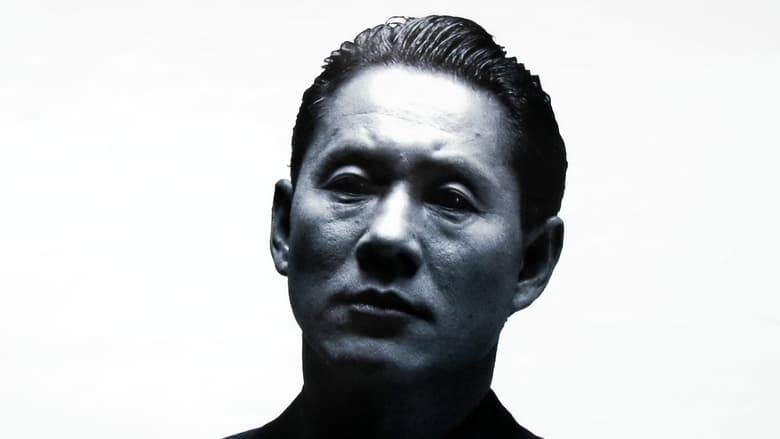
Violent Cop
A detective breaks all rules of ethical conduct while investigating a colleague’s involvement in drug pushing and Yakuza activities.
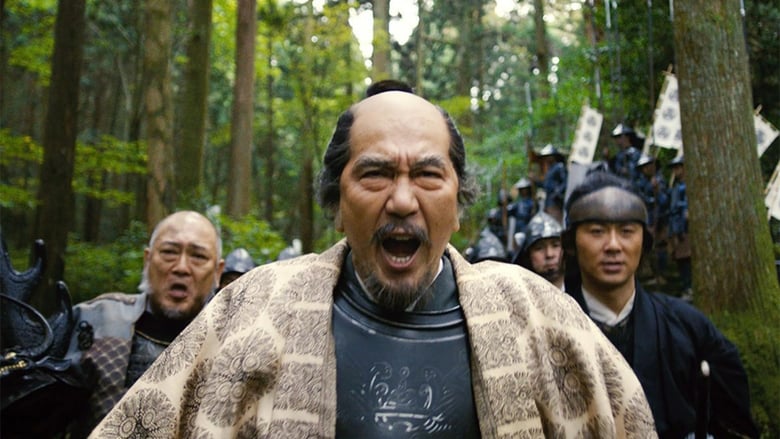
Sekigahara
The background to and depiction of a watershed battle in Japanese history, at Sekigahara in 1600, when Tokugawa Ieyasu's Army of the East defeated the Army of the West of Ishida Mitsunari. The story includes the intrigues and shifting loyalties of the various retainers, family members, and samurai.
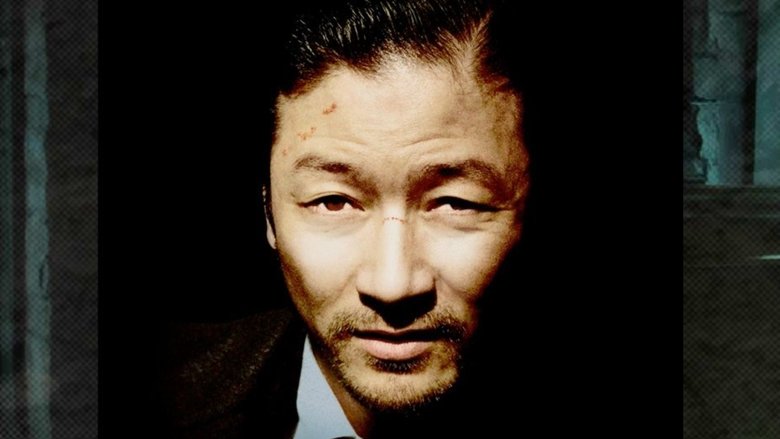
The Long Goodbye
Tamotsu is suspected of murdering his actress wife Shizuka Harada. He flees to Taiwan and commits suicide. Tamotsu’s friend Banji Masuzawa works as a private detective, and has doubts about Tamotsu’s death, but the case is covered up by powerful media mogul Heizo Harada.
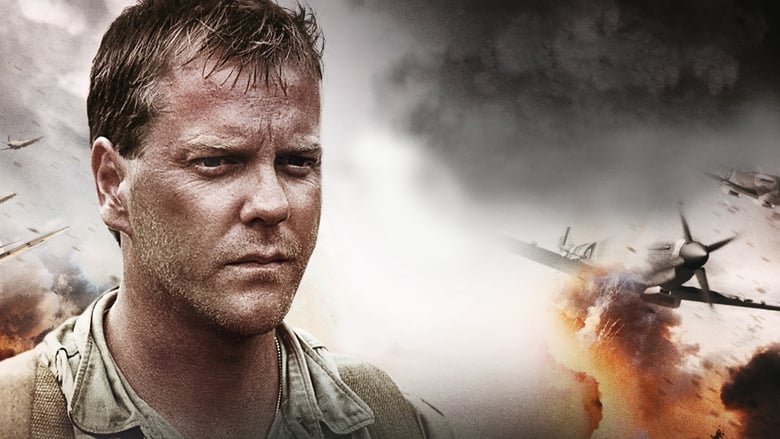
To End All Wars
Based on a real-life story, this drama focuses on a small group of Allied soldiers in Burma who are held captive by the Japanese. Capt. Ernest Gordon, Lt. Jim Reardon and Maj. Ian Campbell are among the military officers kept imprisoned and routinely beaten and deprived of food. While Campbell wants to rebel and attempt an escape, Gordon tries to take a more stoic approach, an attitude that proves to be surprisingly resonant.
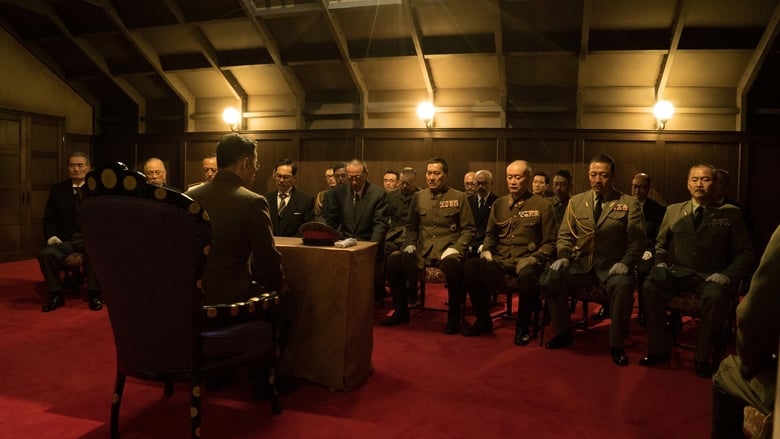
The Emperor in August
In July 1945, during the end of World War II, Japan is forced to accept the Potsdam Declaration. A cabinet meeting has continued through days and nights, but a decision cannot be made. The U.S. drops atomic bombs on the cities of Hiroshima and Nagasaki, Japan. General Korechika Anami is torn over making the proper decision and the Emperor of Japan worries about his people. Prime Minister Kantaro Suzuki leads the cabinet meeting, while Chief Secretary Hisatsune Sakomizu can't do anything, but watch the meeting. At this time, Major Kenji Hatanaka and other young commissioned officers, who are against Japan surrendering, move to occupy the palace and a radio broadcasting station. The radio station is set to broadcast Emperor Hirohito reading out the Imperial Rescript on the Termination of the War.
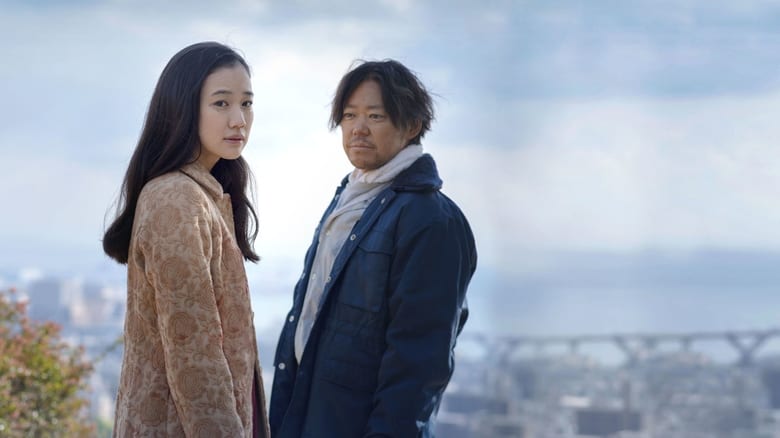
Birds Without Names
An unstable young woman pines for the ex-boyfriend who nearly beat her to death – and who has mysteriously disappeared.
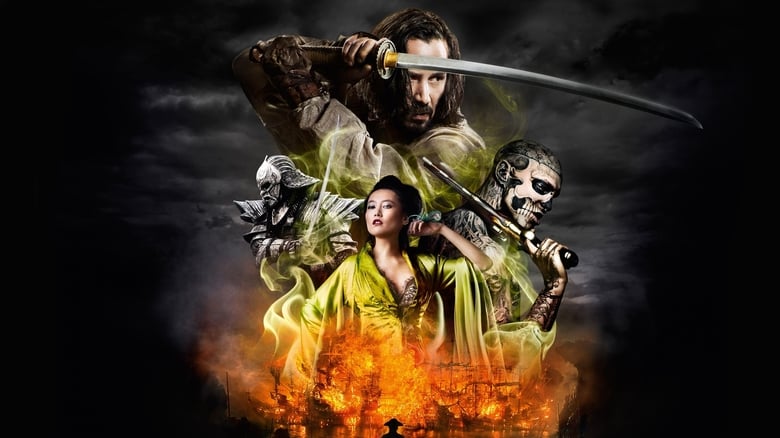
47 Ronin
Kai—an outcast—joins Oishi, the leader of 47 outcast samurai. Together they seek vengeance upon the treacherous overlord who killed their master and banished their kind. To restore honour to their homeland, the warriors embark upon a quest that challenges them with a series of trials that would destroy ordinary warriors.
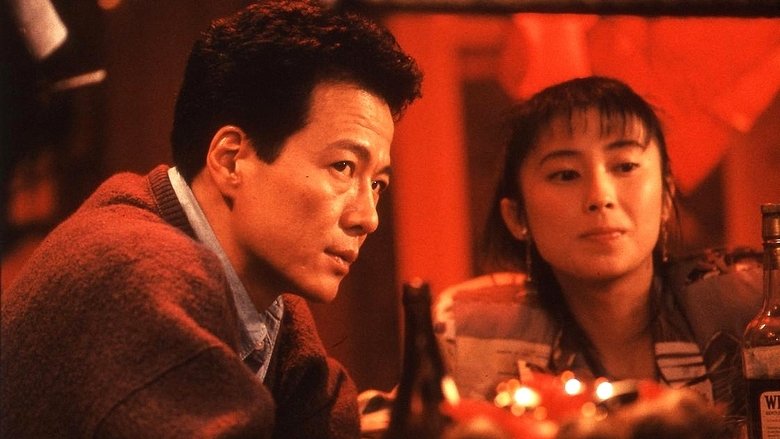
Orchids Under the Moon
Jinpachi Nezu who lost both his wife and daughter during a feud against the yakuza 10 years ago while he was an accountant for their organization. One day he comes across a young idol and rescues her from being kidnapped by the yakuza.
Filmography
as Kunieda
as Serubicchi
as General Hideki Tojo
as Homeless Man Ohno
as Bartender
as Horibe
as Nagatomo
as Member of Climbing Team
as Nightclub Employee