
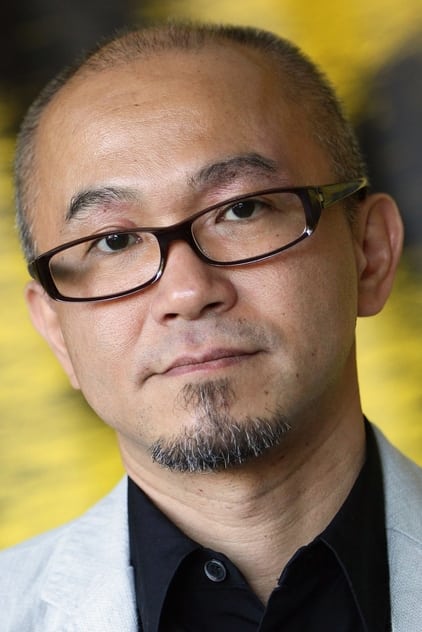
Shinji Aoyama
Directing
Biography
Shinji Aoyama (July 13, 1964 - March 25, 2022) was a Japanese film director, screenwriter, composer, film critic, and novelist. He graduated from Rikkyo University. He won two awards at the 2000 Cannes Film Festival for his film Eureka.
Born: July 13, 1964
Place of Birth: Kitakyushu, Fukuoka, Japan
Known For
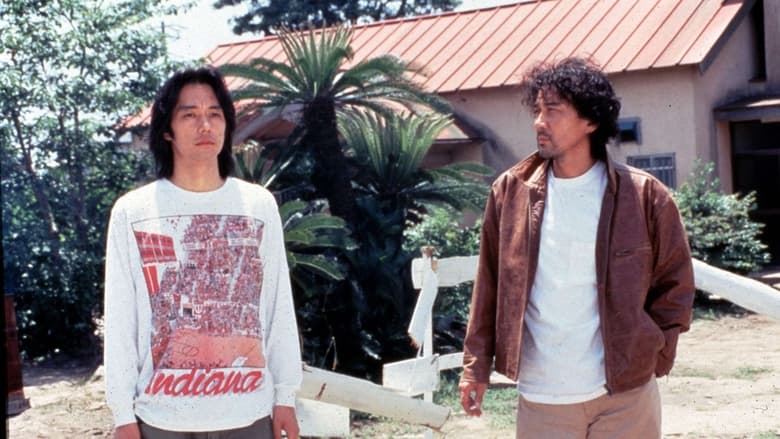
License to Live
Yutaka was fourteen years old when he was run over by a car and fell into a coma. Now, ten years later, he wakes up and realizes that his family is not intact anymore: father, mother and sister live at different places. Yutaka decides to re-open the pony farm that his family once ran.
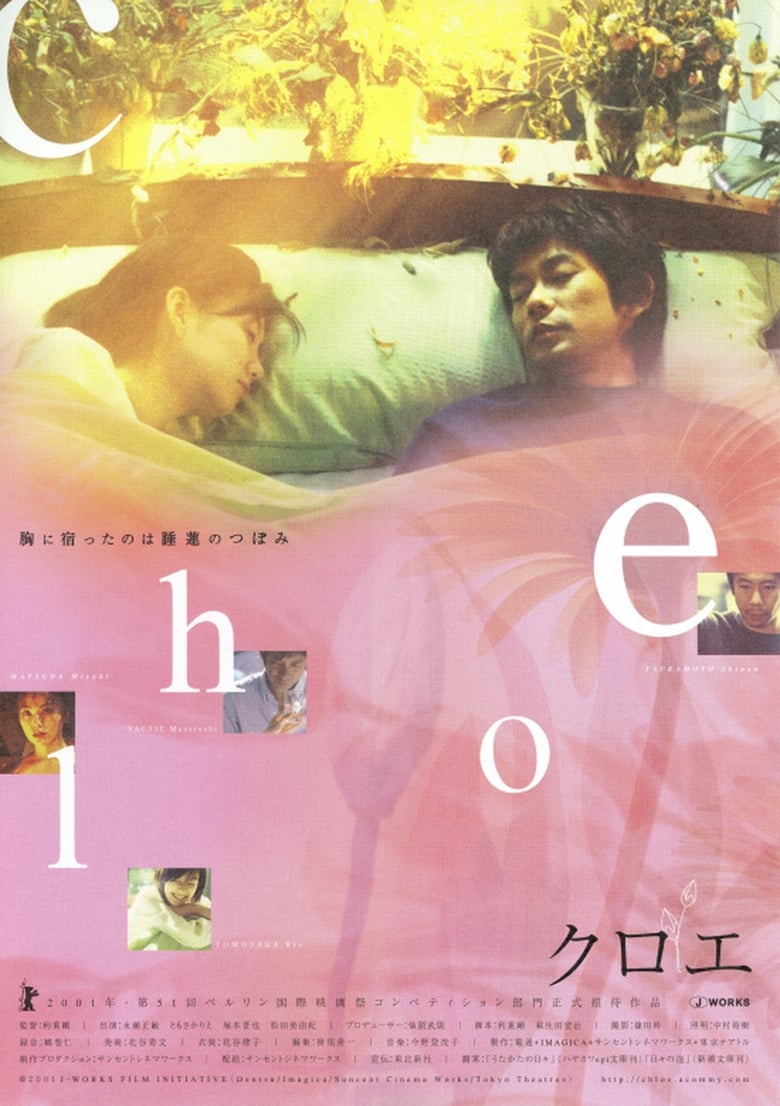
Chloe
Kotaro and Kuroe marry almost immediately in a Christian ceremony and move into an apartment. Life is completely joyous until, one day, Kuroe falls ill.
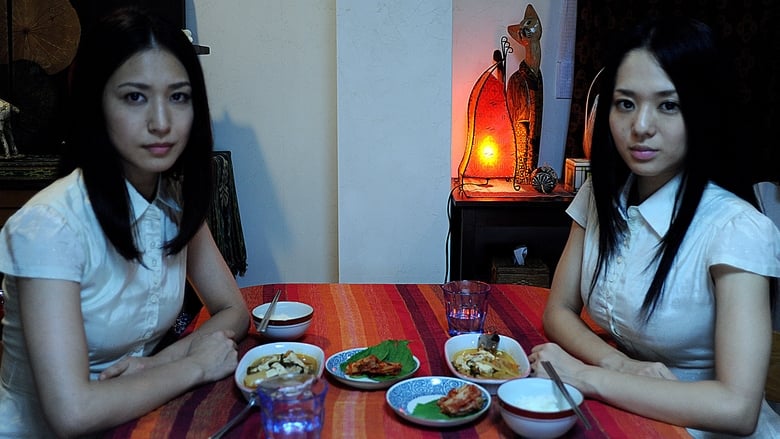
Three☆Points
Three stories, depicted in three different styles, unfold in three locations: "Kyoto", a lyrical improvised drama based on documentar y footage following local rappers, which is blended with fiction; "Okinawa", a documentary about intriguing characters who Yamamoto met by chance; and " Tokyo", an otherworldly love story about a man dealing with loss who drifts through life, and a woman who pretends to be his deceased wife.
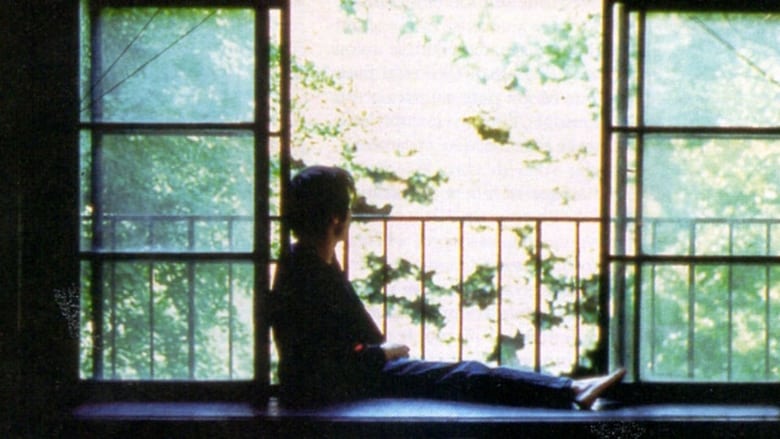
Barren Illusion
In a near future where allergies have become an epidemic, music producer Haru half-heartedly dates post office clerk and mail thief Michi. He searches for violent ways to reactivate his life, she dreams of escaping abroad; both volunteer to test a new drug which may provide a cure.
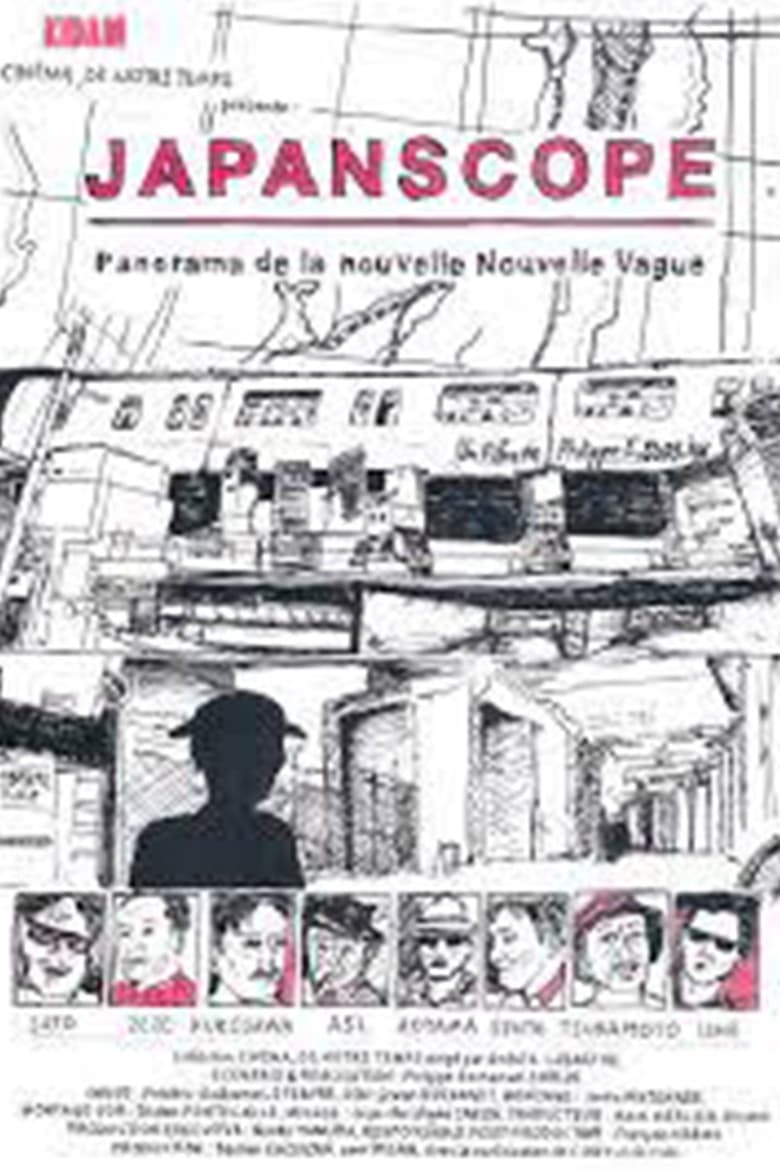
Japanscope, panorama de la nouvelle Nouvelle Vague
A “Cinéma, de notre temps” series episode directed by french filmmaker Philippe-Emmanuel Sorlin, originally aired 16 June 2015.
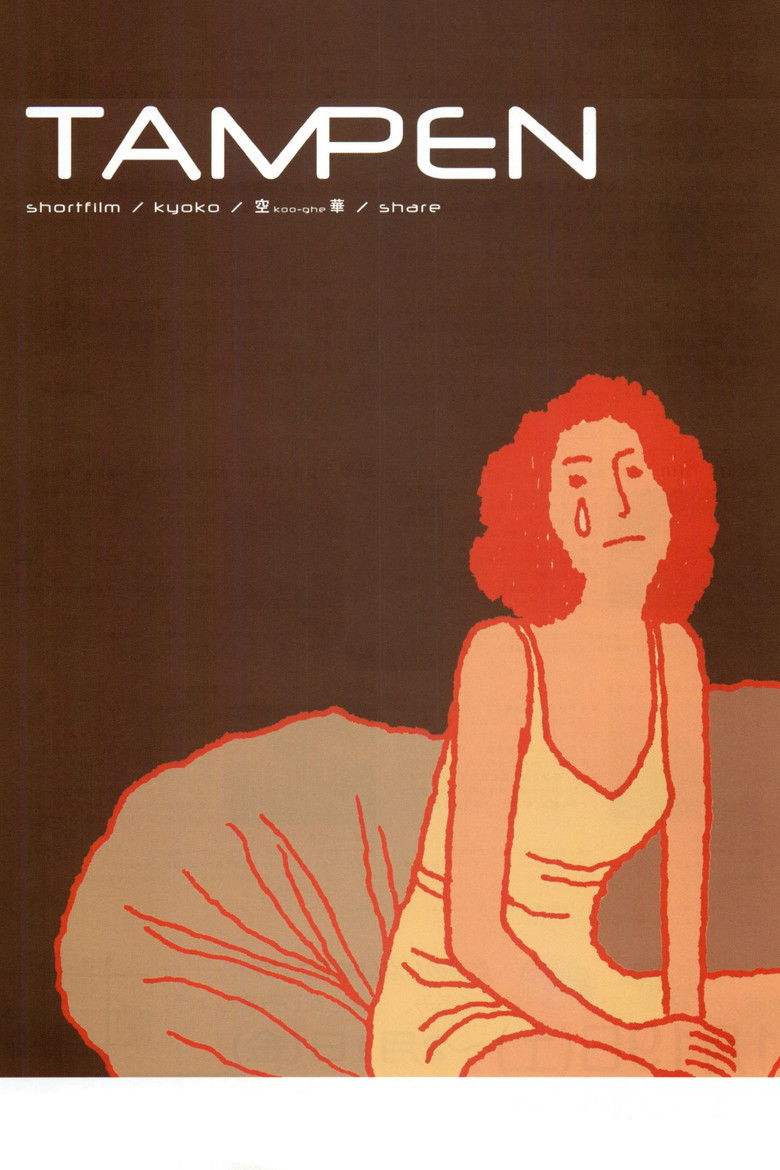
Tampen
Four short films produced without a director

Kijû Yoshida: What Is a Filmmaker?
An overview of the life and work of legendary Japanese filmmaker Kijû Yoshida, a notable figure of the Japanese New Wave.
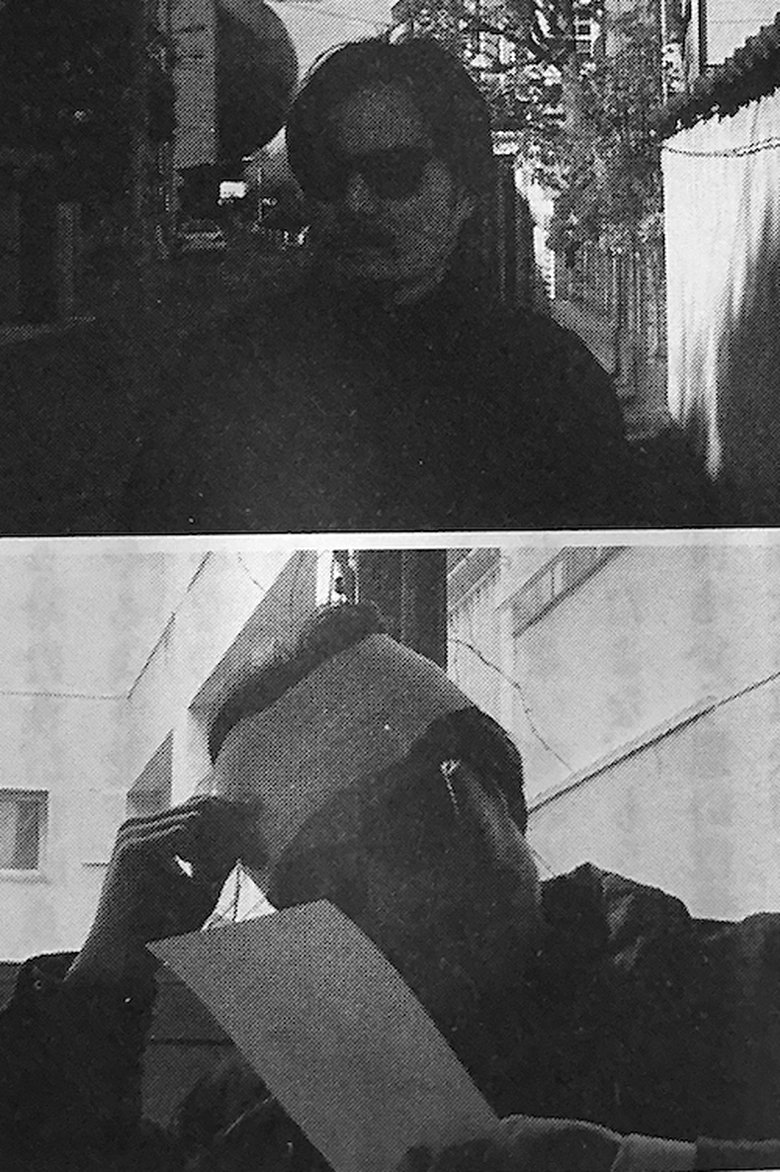
The Detective Who Can Say No
Shinji Aoyama’s short film follows an unlikely pair of detectives—played by Susumu Terajima and filmmaker Kiyoshi Kurosawa—as they navigate a quirky case with deadpan seriousness. Mixing parody with genre tropes, the film riffs on the idea of “The Detective Who Can Say No,” echoing the satirical spirit of its title while playfully undermining the conventions of Japanese cop dramas. Made for the omnibus film "Deka Matsuri"
Filmography
as Man
as Kitano
as Fascist
as man in pub