
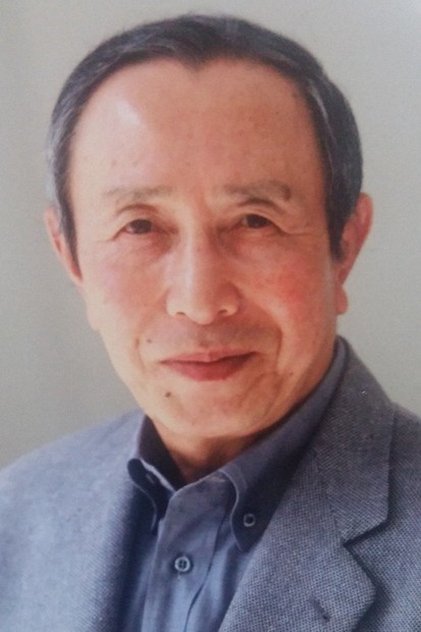
Shinjirō Ehara
Acting
Biography
No biography available for Shinjirō Ehara.
Born: October 12, 1936
Place of Birth: Kyoto, Kyoto, Japan
Known For
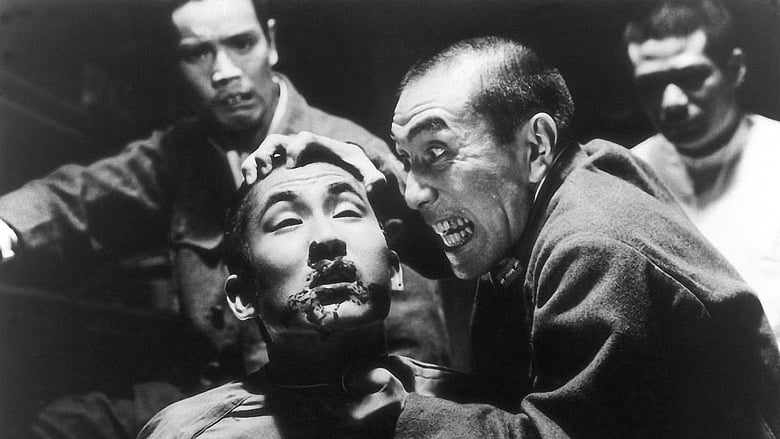
Tale of Army Brutality
Director Jun'ya Satô's debut film focuses on the inhuman training of recruits, the brutal drill system that reigned in the Japanese army during World War II, where in the first two years of training, ordinary people were turned into inhuman killers. For his first film, the director was awarded the Blue Ribbon Awards in the Debutant of the Year nomination.
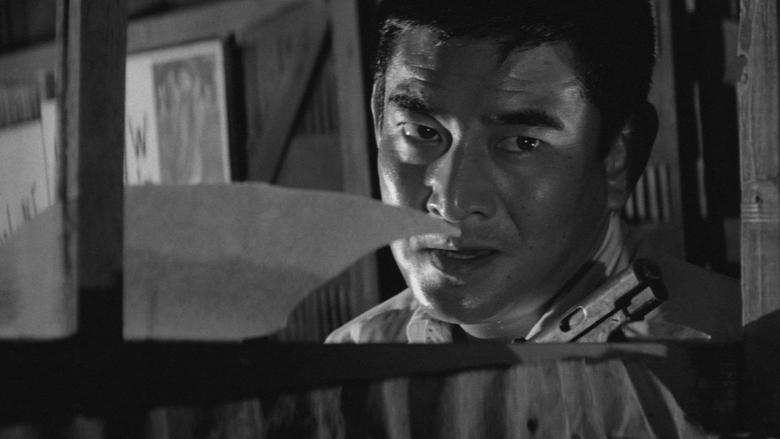
Wolves, Pigs & Men
Sabu and his pals hold a pauper's funeral for Sabu's mother. His brother Jiro arrives home, fresh out of jail, and Sabu pointedly states that Jiro is not invited. Jiro meanwhile is planning a big job - steal 40 million in cash and drugs, and he invites Sabu and gang to act as decoys, for 50,000 each. The sting is a success, but the double-crossing starts almost immediately. Sabu discovers how little of the take they were promised and hides the stash. Jiro and his slimy partner pressure the kids to fess up. Meanwhile, their respectable elder brother Ichiro is being leaned on by the town's big boss, whose money it was.
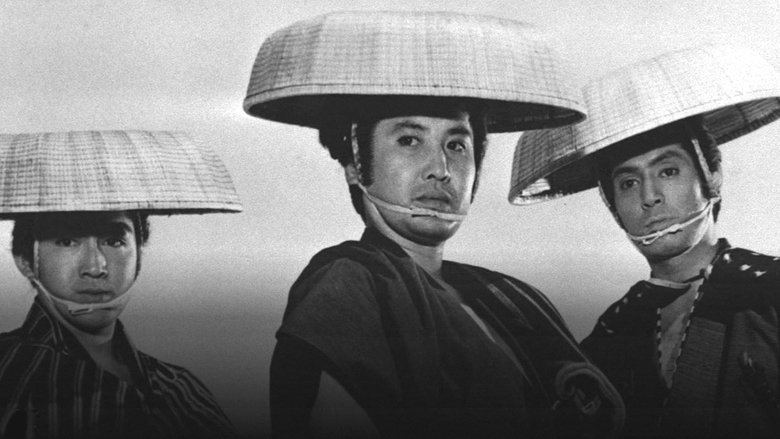
Three Yakuza
A tale of three Yakuza gamblers who traveled Japan during the samurai era living by their wits and sword skills. Told in 3 separate vignettes, each part tells the story of a different drifter’s life. Part 1: A man is on the run after killing two Hasshu Officials to avenge his Boss. He must make a life or death decision as he is asked to protect a gang from attack. Part 2: A pair of gamblers chased out of a crooked game must fight not only their pursuers, but the ghosts of their pasts as well. Part 3: A wanderer who wants to live according to the Yakuza Code, but is not sure that he can do so when asked to save a town from an evil official.
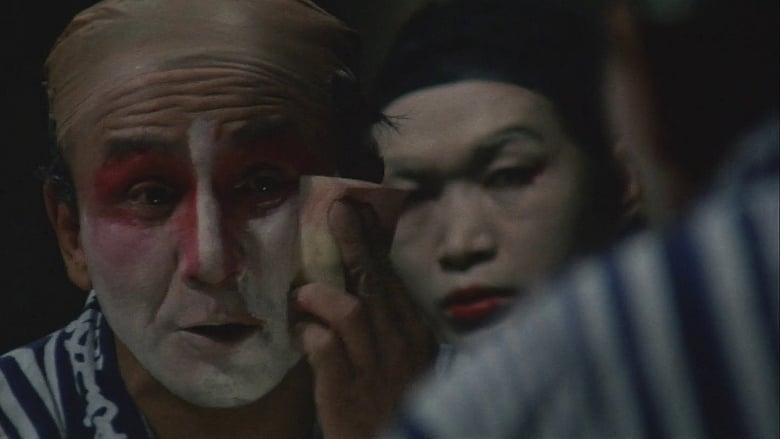
Under the Flag of the Rising Sun
A war widow determined to clear the name of her disgraced husband, who was court-martialed for desertion and executed. Official records have been destroyed, and the ministry that distributes benefits continues to deny her a pension. Twenty-six years after the war, she seeks out four survivors of her husband's garrison. Each tells a dramatically different story about her husband's conduct, but she is determined to learn the truth.
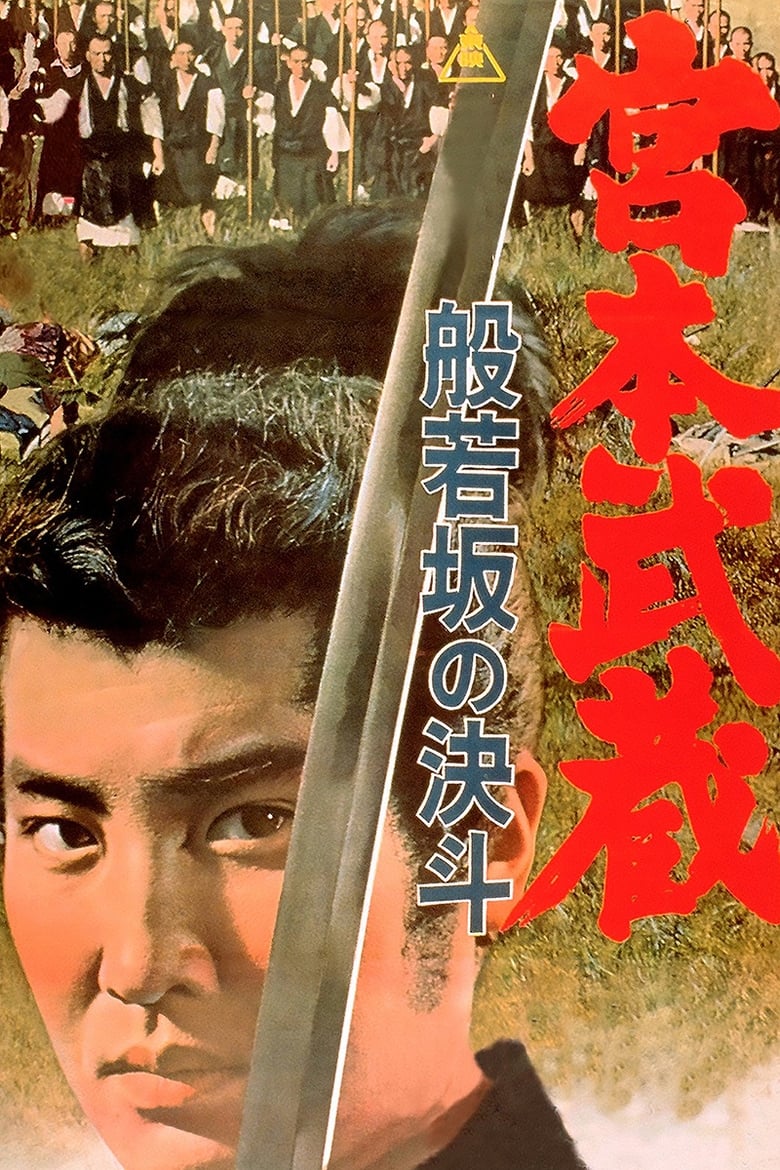
Miyamoto Musashi: Showdown at Hannyazaka Heights
The remake of Yoshikawa's novel continues with the second installment in which Takezo, soon to be Miyamoto Musashi, emerges from the Himeji Castle after three years of intense contemplation and philosophical study and starting on his epic quest to complete his skill in the Way.
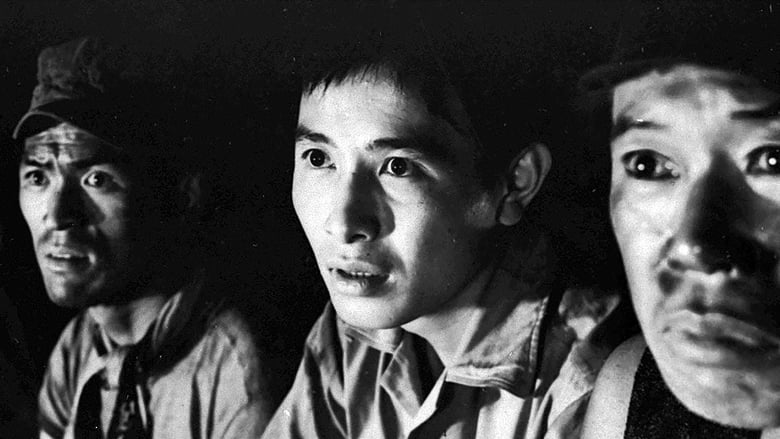
The Eleventh Hour
Based on a 1956 television feature on Japan’s national network, NHK, this is one of Uchida’s rarest films. A socially conscious drama with a contemporary backdrop, Dotanba focuses on the attempts to rescue a group of trapped miners. The title is a figure of speech — (essentially “last minute” or “eleventh hour”) — that refers to a situation of peril. The film boasts a script co-written by Uchida and Akira Kurosawa’s frequent screenwriter, Shinobu Hashimoto, and stars Kurosawa’s frequent star Takashi Shimura.
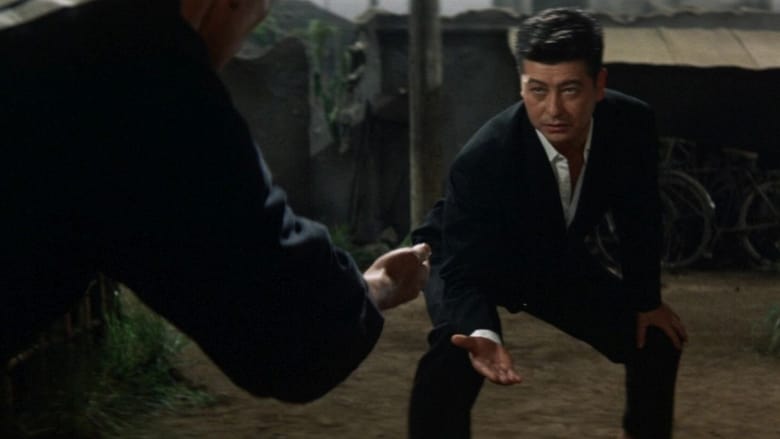
Brutal Tales of Chivalry
After World War II, their town was a pile of rubble. Gennosuke, the second generation boss of the Kamizu Group was upholding yakuza chivalry by keeping black-market and illegal items out of their open-air market. Taking advantage of the mess, Iwasa and his gang take hold of goods from the US military, black-market and controlled items in order to become the most powerful group in Enko area.
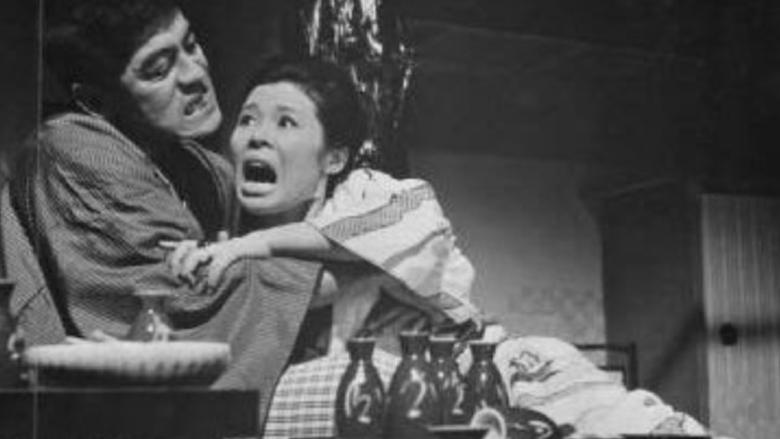
Tale of Japanese Burglars
Gisuke Hayashida is an illegal dentist during the day and a burglar by night. One night during a burglary he witnesses a train derailment. Some communists are found guilty of causing the incident, but he knows it wasn't them. He can save innocent people but for that he must confess his own crime.
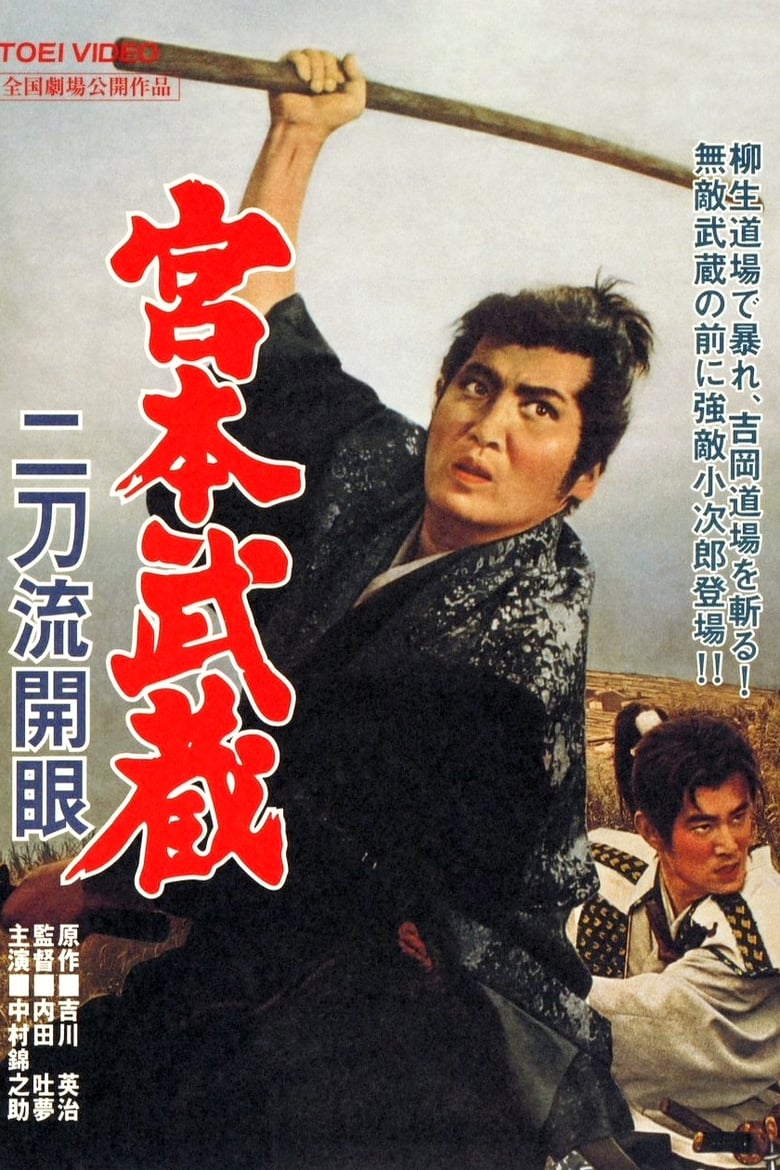
Miyamoto Musashi: Birth of Two Sword Style
In the third installment of Yoshikawa's novel Musashi, things continue from the 2nd film at the end of battle, where Miyamoto continues on a mission of learning; with the introduction of his arch-rival Sasaki Kojiro; and lastly the large cast of characters rendezvouses for a fateful finale.

Miyamoto Musashi IV: The Duel at Ichijo-ji Temple
In the fourth installment, Musashi's potentially greatest opponent Kojiro jumps in and out of the story at the oddest and most coincidental moments. As his great love Otsu has succumbed to madness. Musashi then sets off to beat the functionaries of a treacherous clan in an arranged duel. 73 against one. Boastful Kojiro watches, secure in the knowledge that only he is a worthy opponent.
Filmography
as Narrator (voice)
as Taizo Fujioka
as Inspector Sakeshima
as Kajiwara Kagetoki
as Haiyama
as Lt. Goto
as Shimpachi Ikuta
as Haiyama
as Haiyama
as Junichi Konno
as Shuichi
as Kiyo
as Takashi Yamashita
as Baba Kurakichi
as Mizuhara
as Lieutenant Kuribayashi
as Yan
as Osaka
as Seijuro Yoshioka
as Morikawa
as Yanagisawa
as Yoshioka Seijuro
as Tadayoshi Yazaki
as Shibiku-Shosuke Yasutaka Hori
as Ebina
as Seijuro Yoshioka
as Kojiro
as Ichiro Kawasaki
as Kenji Yoshioka
as Takao Yashiro
as 'Band'
as Shinkichi Sakurai
as Kenichi Takeda
as Yoshiyuki
as Bathyscaphe Senkichi
as Yamaguchi
as Kantaro Hayakawa