
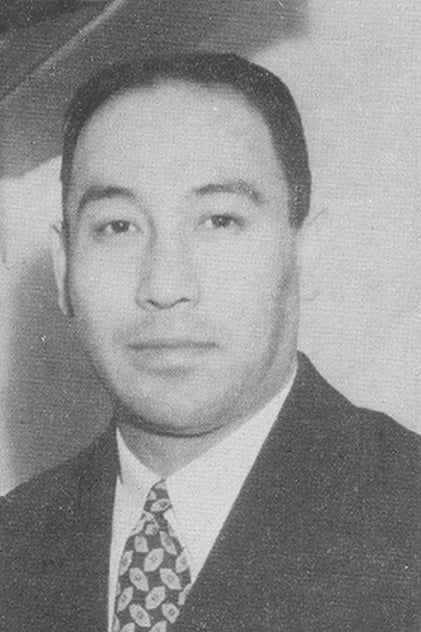
Shōroku Onoe II
Acting
Biography
No biography available for Shōroku Onoe II.
Born: March 28, 1913
Known For
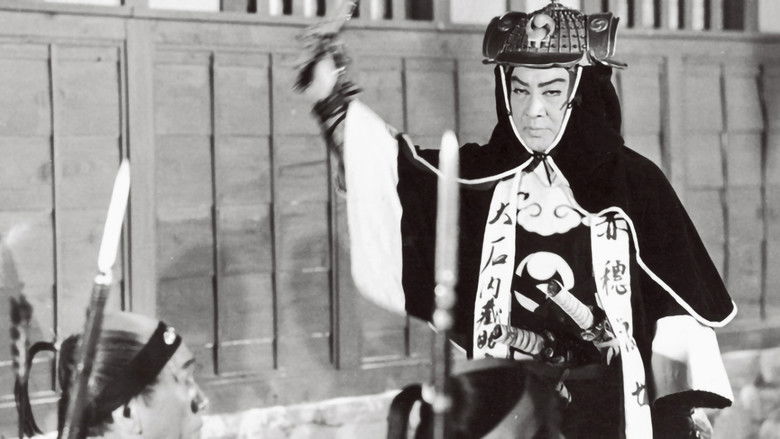
Akō Rōshi
"Ako Roshi" is a group of 47 former retainers of Lord Asano. Lord Asano was forced to commit suicide after attempting to kill Lord Kira. Once the retainers hear about their Lord's death, they sacrifice their lives to regain the honor of their former master.
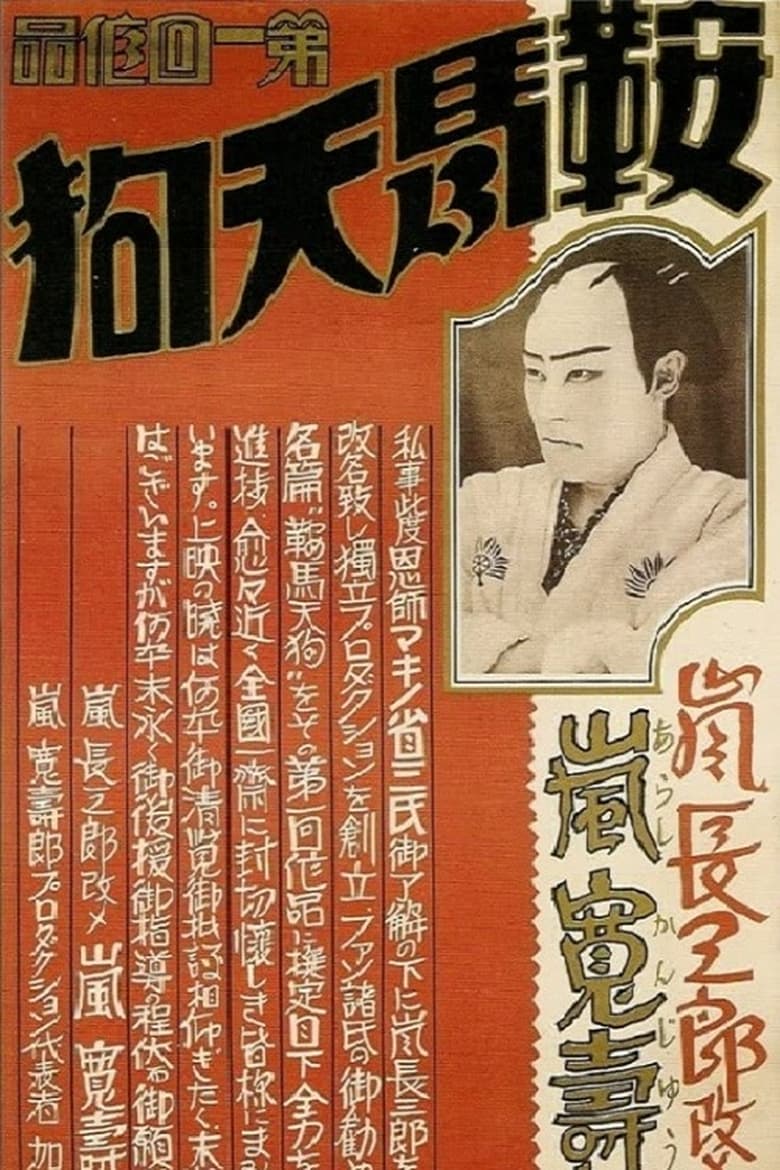
Kurama Tengu
Kurama Tengu is a 1928 black and white Japanese silent film with benshi accompaniment directed by Teppei Yamaguchi. It is a film which is a part of the series depicting the bold and daring hero Kurama Tengu. The popular series comprises numerous films based on the original novel written by Jiro Osaragi, but those featuring Kanjuro Arashi are considered to be the most valuable. Of note is the last scene in which the main character takes on numerous foes with a sword in each hand.
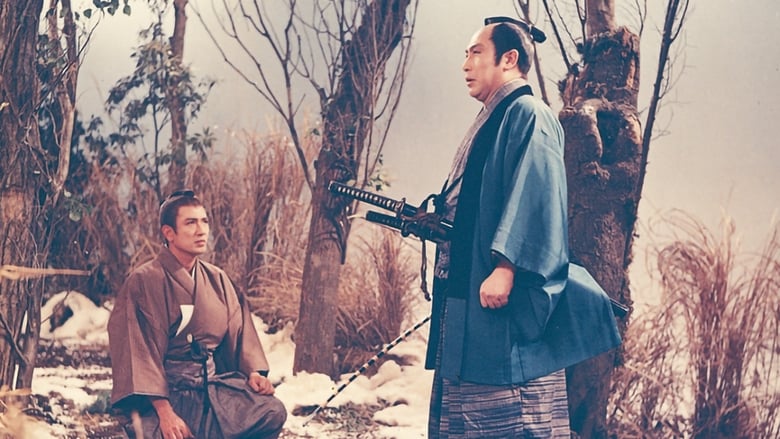
Life of a Flower
The story chronicles the life of Ii Naosuke.
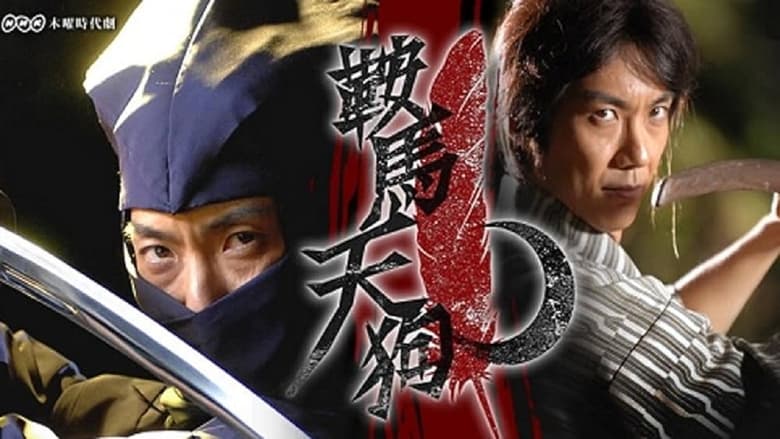
The Frightful Era of Kurama Tengu
The Frightful Era of Kurama Tengu is a 1928 black and white Japanese silent film with benshi accompaniment directed by Teppei Yamaguchi. It is part of the Kurama Tengu series and features the battle between the title character, Kurama Tengu, and his impostor. The last scene, featuring sword fights of exhilarating speed, is one reason this series was very popular, especially with children.
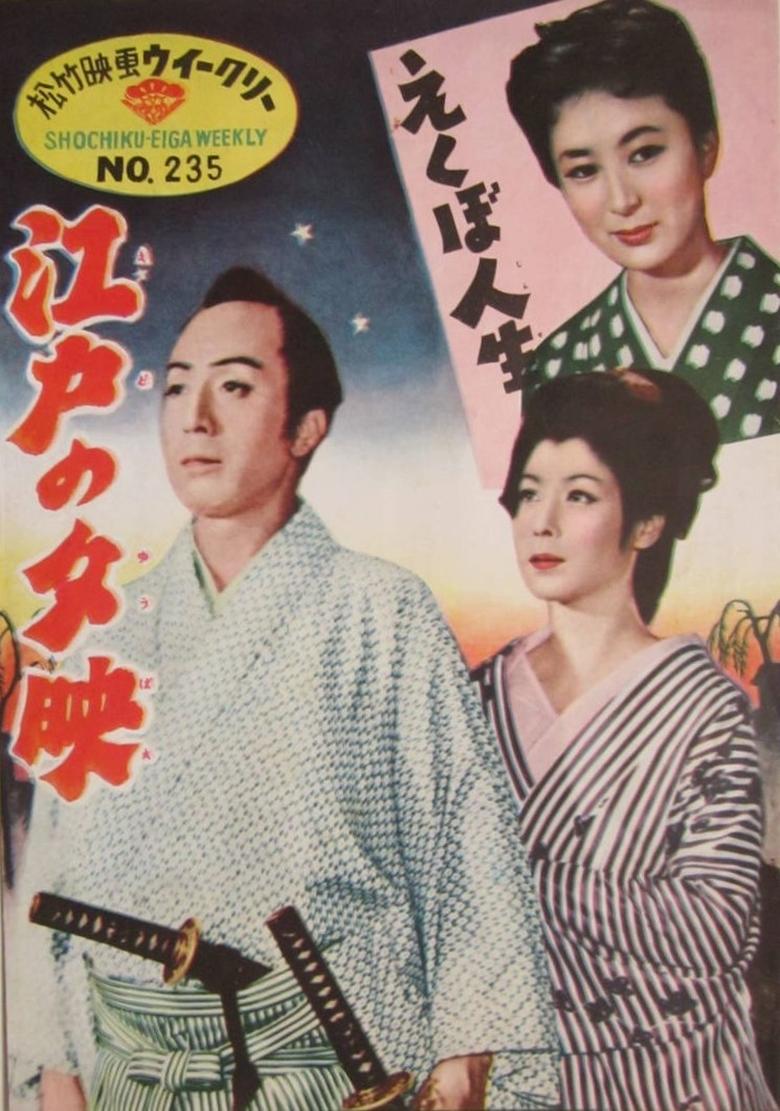
Edo no yubae
In the fourth year of Keio (1868), defeated retainers sought to restore the Tokugawa shogunate with the help of Enomoto Takeaki's navy. Honda Koroiku was one of them. He discreetly handed a departure note to his fiancée, Otosei, the daughter of Matsudaira Soebe, and left Edo. Otosei's cousin and Koroiku's friend, Domae Daikichi, was once a brave warrior of the shogunate army. However, he had since fallen into a life of debauchery in Yanagibashi and was rumored to be involved with a geisha named Orikki.
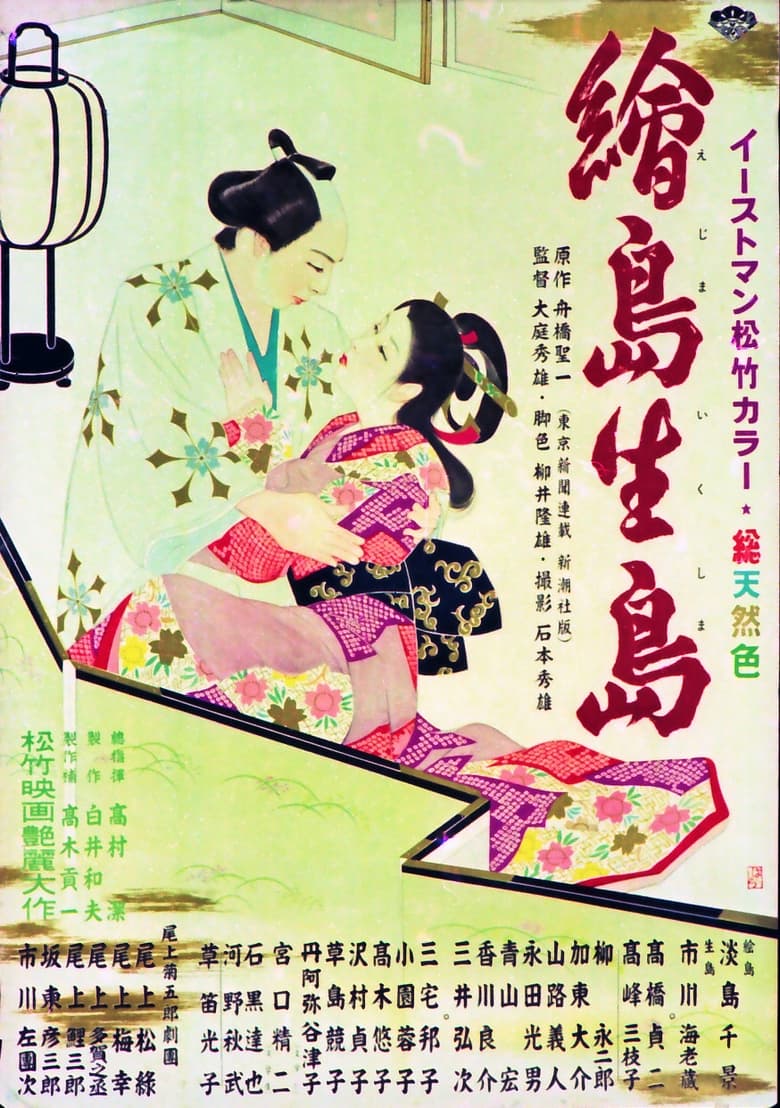
Ejima and Ikushima
This period film is inspired by one of the most notorious scandals to have taken place in Edo-period Japan. The heroine, Ejima, was a lady of the Ooku, the harem of Edo Castle in which the Shogun’s mother, wife and concubines resided, forbidden from contact with any other man except in the presence of the Shogun. The institution played a key role in the Byzantine world of Japanese court politics during the Edo era. In 1714, Lady Ejima was sent to pay her respects at a Buddhist temple in the city, and chose to pay an unauthorised visit to the kabuki theatre – a violation of protocol that was to have tragic consequences.

Guntō nanban-sen
1950 Japanese movie
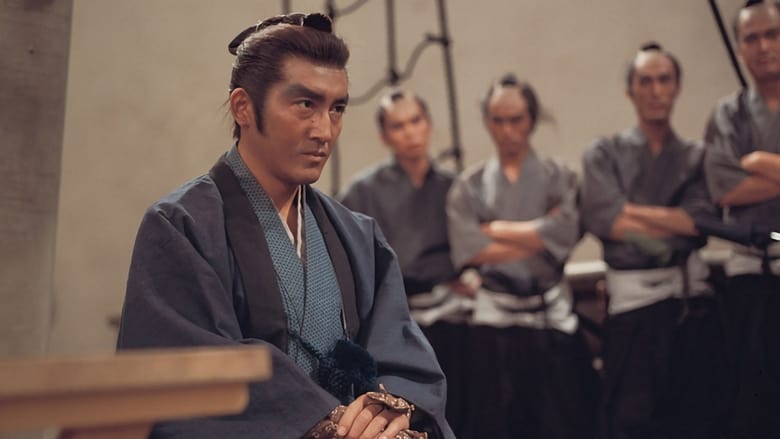
Katsu Kaishu
Katsu Kaishū deals with end of the Edo period. Based on Kan Shimozawa's novels "Katsu Kaishū "
Filmography
as Katsu Kokichi (Kaishu's Father)
as Arai Hakuseki
as Ii Naosuke
as 市川団十郎
as 堂前大吉
as Chôshichi of Hayabusa