
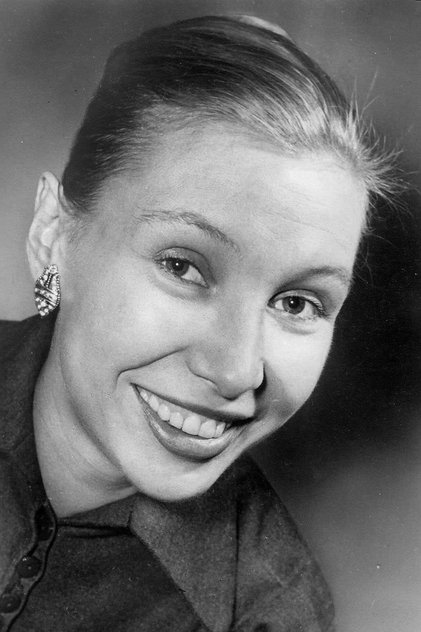
Silvia Monfort
Acting
Biography
Silvia Monfort (born Silvia Favre-Bertin; 6 June 1923, Paris–30 March 1991, Paris) was a French actress and theatre director. Daughter of the sculptor Charles Favre-Bertin and wife of Pierre Gruneberg. She was named Knight of the Legion of Honor in 1973, Officer of Arts and Letters in 1979 and then Commander of Arts and Letters in 1983. She is buried in the Père Lachaise cemetery. Description above from the Wikipedia article Silvia Monfort, licensed under CC-BY-SA,full list of contributors on Wikipedia.
Born: June 7, 1923
Place of Birth: Paris, France
Known For
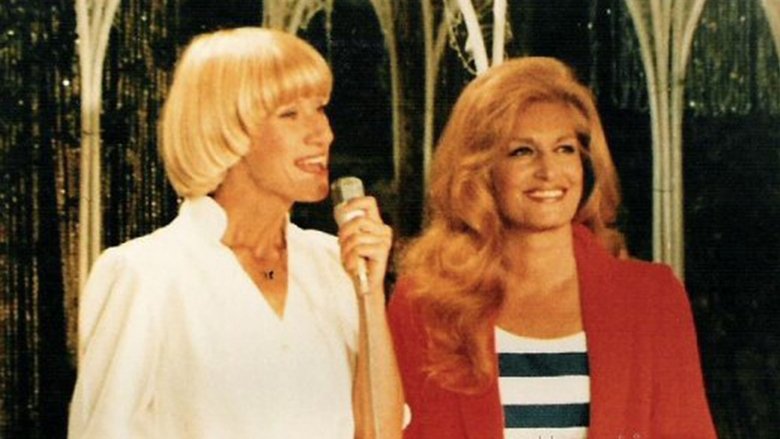
Midi Première
Midi Première is a French variety show presented by Danièle Gilbert, directed by Jacques Pierre and broadcast from January 6, 1975 until January 1, 1982 on TF1. The program was generally broadcast between 12:15 p.m. and 12:55 p.m., then giving way to the 1:00 p.m. TV news. However, the broadcast schedule could change, depending on the guests, and the setting where the recording of the program was shot. Certain performances by artists who have become cult like the one where Ringo jostles with a demonstrator in interpretation (1977), that of Dalida with the title There is always a song with the soundtrack that does not start, twice, at the right speed (1978), Claude François and his Clodettes, who, in the provinces, are unable to join "the set" in order to interpret his song, the latter being taken by the crowd of delirious fans (summer 1977) . The group Supertramp performed there with the title "Dreamer" on March 8, 1975.

Apostrophes
Apostrophes was a live, weekly, literary, prime-time, talk show on French television created and hosted by Bernard Pivot. It ran for fifteen years (724 episodes) from January 10, 1975, to June 22, 1990, and was one of the most watched shows on French television (around 6 million regular viewers). It was broadcast on Friday nights on the channel France 2 (which was called "Antenne 2" from 1975 to 1992). The hourlong show was devoted to books, authors and literature. The format varied between one-on-one interviews with a single author and open discussions between four or five authors.
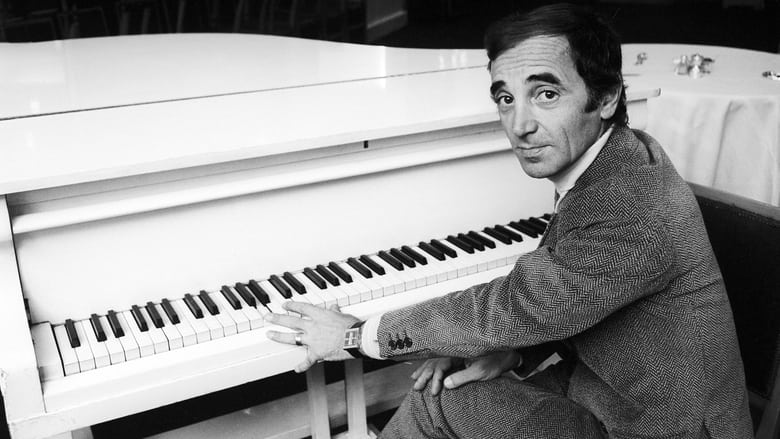
À bout portant
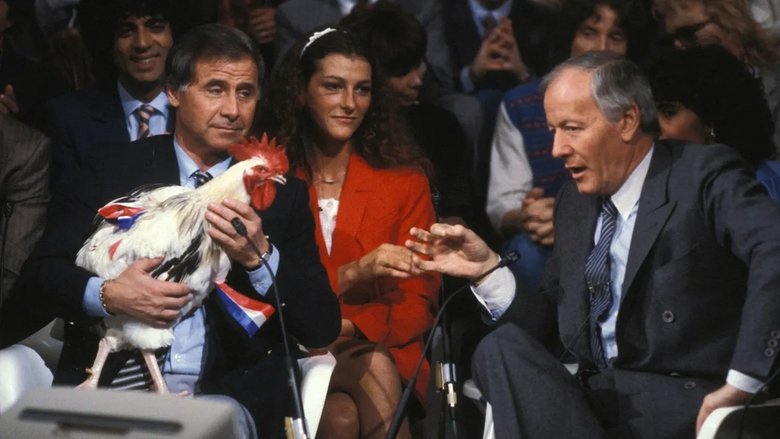
Le Grand Échiquier
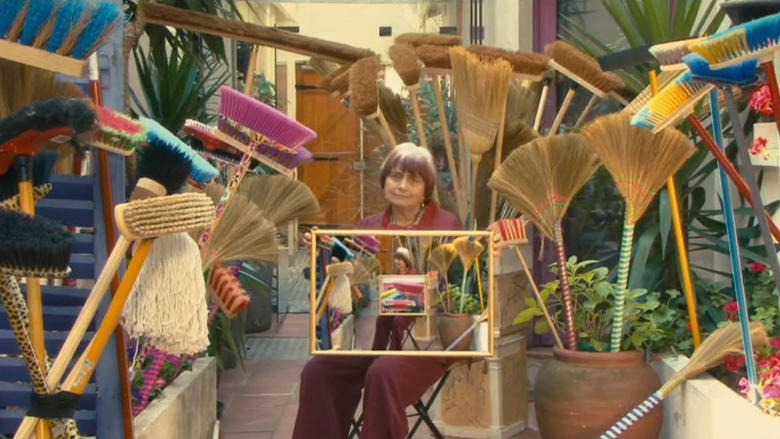
The Beaches of Agnès
Filmmaking icon Agnès Varda, the award-winning director regarded by many as the grandmother of the French new wave, turns the camera on herself with this unique autobiographical documentary. Composed of film excerpts and elaborate dramatic re-creations, Varda's self-portrait recounts the highs and lows of her professional career, the many friendships that affected her life and her longtime marriage to cinematic giant Jacques Demy.
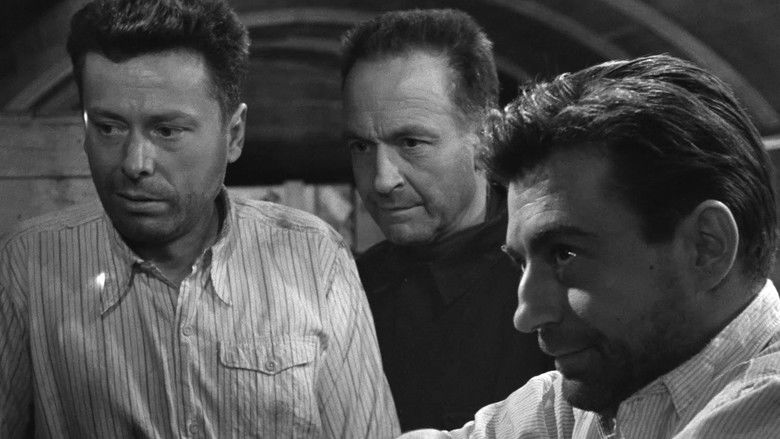
The Fugitives
During the Second World War, in 1943, two French prisoners, François and Michel, escape from Stalag B377 in northern Germany near the Baltic Sea. They meet another escaped compatriot, Pierre, who has donned the uniform of a German officer and joins them. Their goal: to reach neutral Sweden. To get there, they'll have to walk part of the way, then take a train to the coast and, from there, find a way to cross the sea to the shores of Sweden.
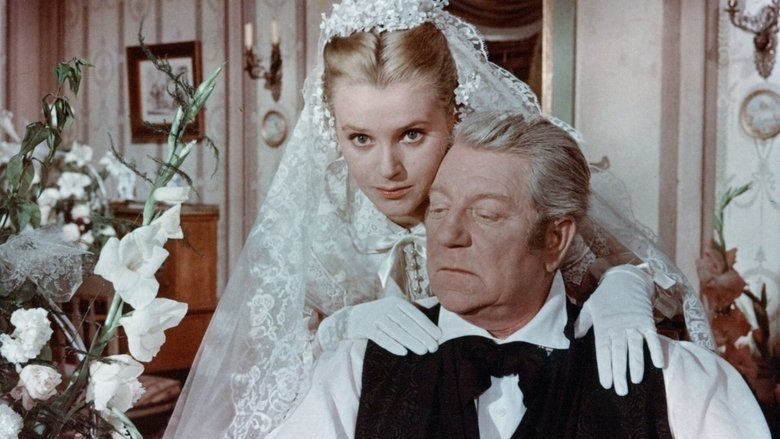
Les Misérables
In 19th century France, Jean Valjean, a man imprisoned for stealing bread, must flee a relentless policeman named Javert. The pursuit consumes both men's lives, and soon Valjean finds himself in the midst of the student revolutions in France.

The Secret of Mayerling
On the morning of January 30, 1889, the Archduke Rodolphe de Habsbourg and his mistress Marie Vetsera were found dead. The remains of Rodolphe are discreetly repatriated to Hofburg, while that of Mary is hastily thrown into the depths of a tomb.
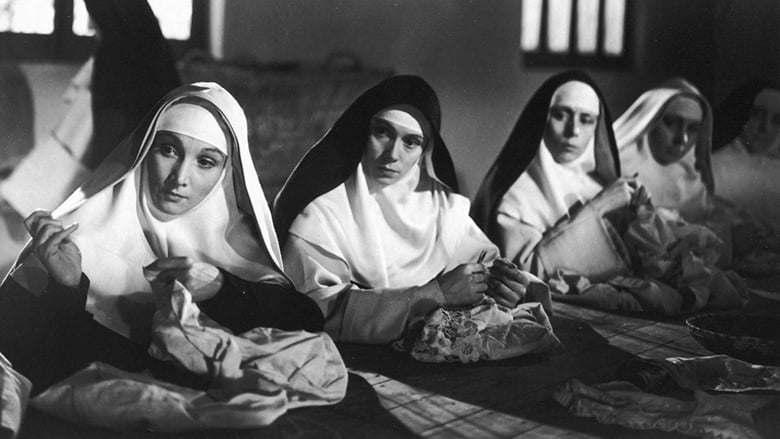
Angels of Sin
A well-off young woman decides to become a nun, joining a convent that rehabilitates female prisoners. Through their program, she meets a woman named Thérèse who refuses any help because she says she was innocent of the crime she was convicted for. After being released from prison, Thérèse murders the actual perpetrator of the crime and comes to seek sanctuary in the convent.
La Pointe Courte
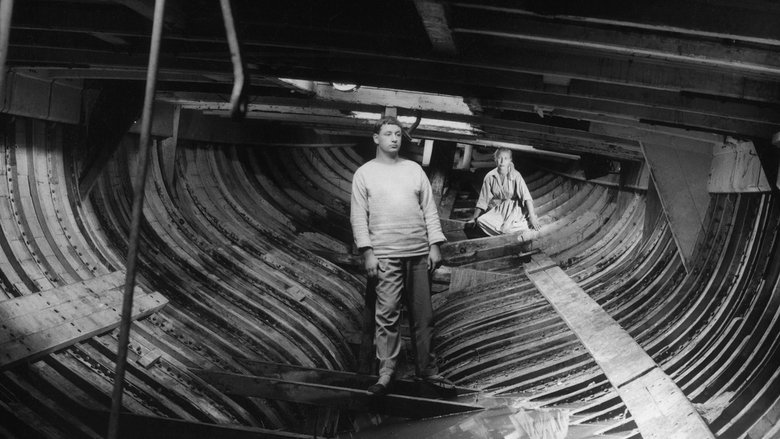
A penetrating study of a marriage on the rocks, set against the backdrop of a small Mediterranean fishing village. Both a stylized depiction of the complicated relationship between a married couple and a documentary-like look at the daily struggles of the inhabitants of Sète in the South of France.
Filmography
as Self (archive footage)
as Self
as Self
as Self
as Mamichou
as Self
as Regan
as Sphinx
as Myrtille
as Simone
as Gilberte Dumas, secrétaire de direction (segment "La Femme seule")
as Yoko
as Self
as Éponine Thénardier
as Self
as Catherine Loubet
as Huguette Laurent-Maréchal
as Her
as Wanda, une déportée polonaise
as L'archiduchesse Stéphanie
as Édith de Berg
as Anaïs Arnold
as Agnès