
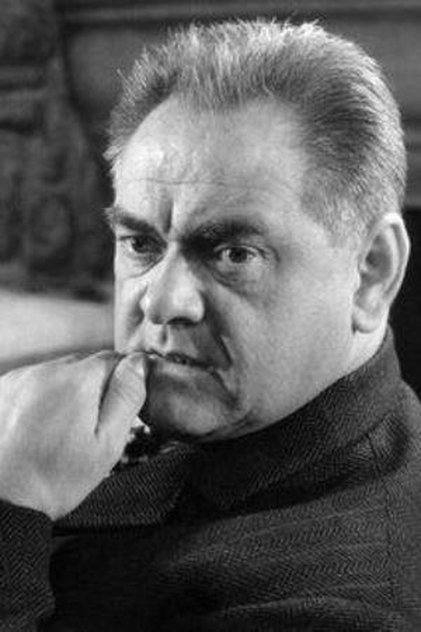
Sándor Deák
Acting
Biography
No biography available for Sándor Deák.
Born: December 4, 1909
Place of Birth: Brassó, Hungary, Austria-Hungary [now Brasov, Romania]
Known For

Yesterday
October, 1956. Colonel lieutenant Szabó sends a platoon with the mission of calming the people demonstrating in the town. The platoon is lined up under the command of Lieutenant Csendes and the soldiers aim at the demonstrators. Szusza Kis changes sides, and Csendes is unable to shoot at his childhood mate. They withdraw.
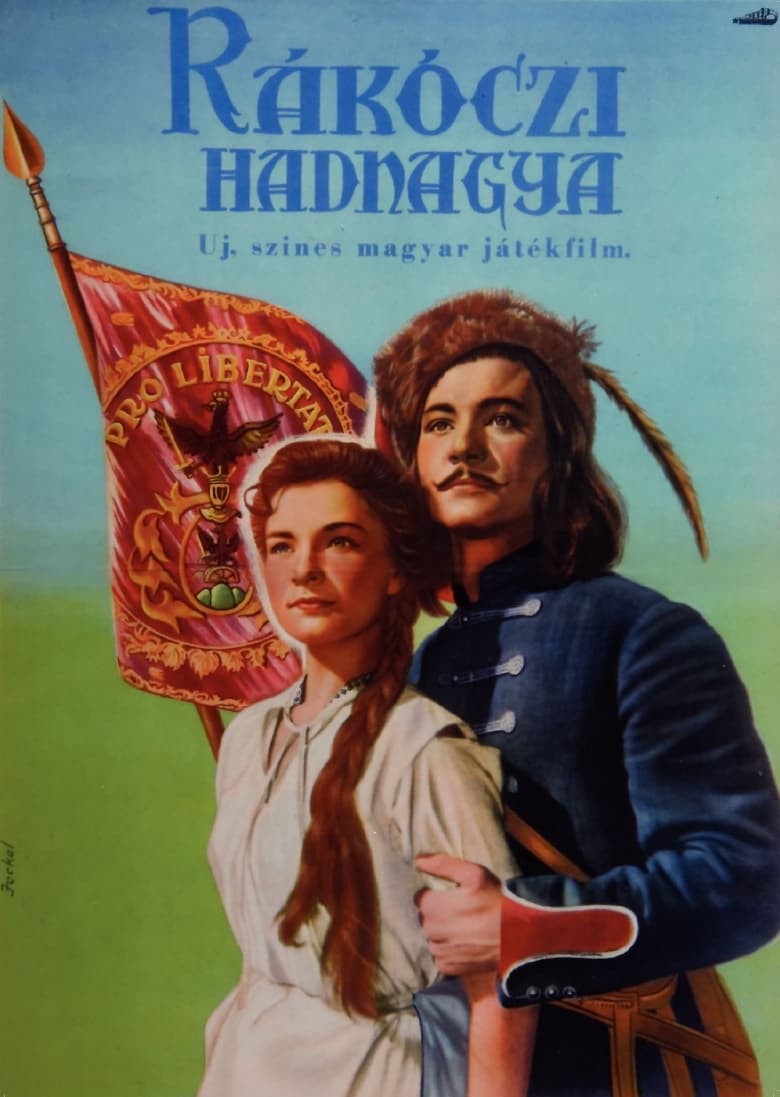
Rákóczi's Lieutenant
1708 János Bornemissza became the master of stras of Blind Bottyán from a raiding Kuruk. His weapon is driven by patriotism and love for Anna Bíró, the most beautiful girl in réthe. The captured Count Starhemberg takes the Labanc general to the Prince himself, and thus becomes Rákóczi's lieutenant. In the meantime, Réthe falls into the hands of a Laban for treason, and Anna is sent to the stocks. Suhajda, the lecherous hajdú, now thinks he can get the girl for himself. Anna sends a message to John with her brother, and at the call of the prisoners, Rákóczi's army marches. They encounter the enemy along the Váh. The Kuruks celebrate their victory with the wedding of Anna and János.
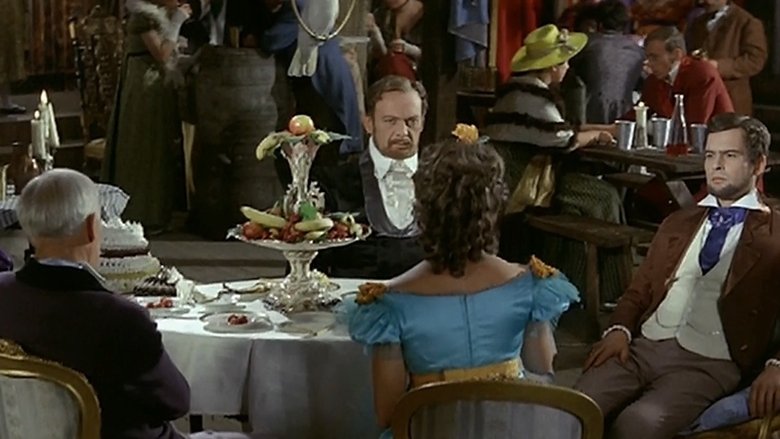
A Hungarian Nabob
On the novel by Mór Jókai. The first half of the XVIII century. Several decades of life of a noble family Karpati.
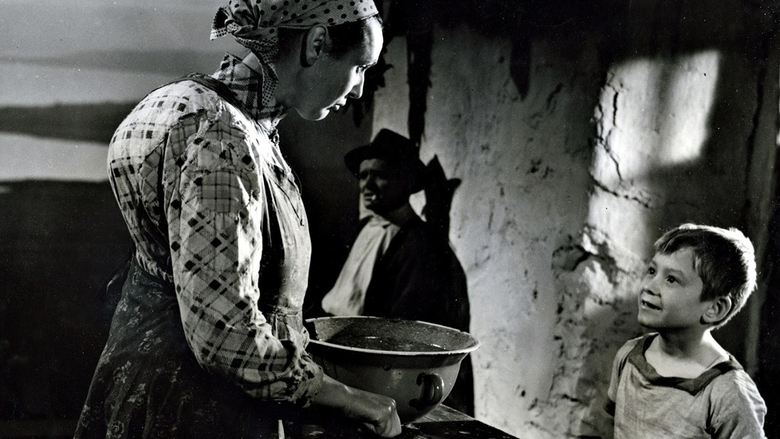
The House Under the Rocks
Three people – a returned prisoner of war, his beautiful second wife, and the possessive, hunchbacked spinster who is his sister-in-law by his first marriage – are isolated in a little house under an extinct volcano, where each strives for personal happiness but is suffocated by their dependence on the others.
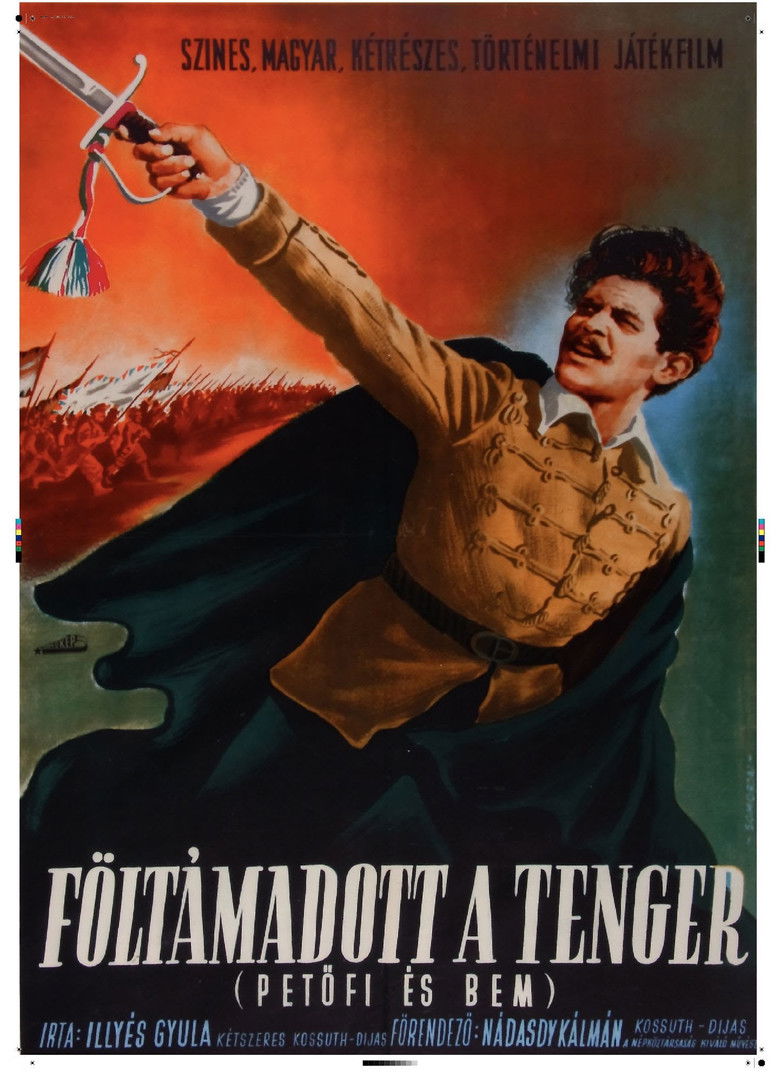
The Sea has Risen
March 15, 1848; the revolution breaks out in the town of Pest. Yet at café Pilvax, in among he revolutionary youth, there is the informer of the imperial court as well. Hearing the news of the attack led by Jellasics, the inhabitants of the villages pour into the national army, and Hajdú Gyurka also escapes from his landlord. Petőfi is there at the camp of the revolutionaries, raising them to enthusiasm with his poetry.
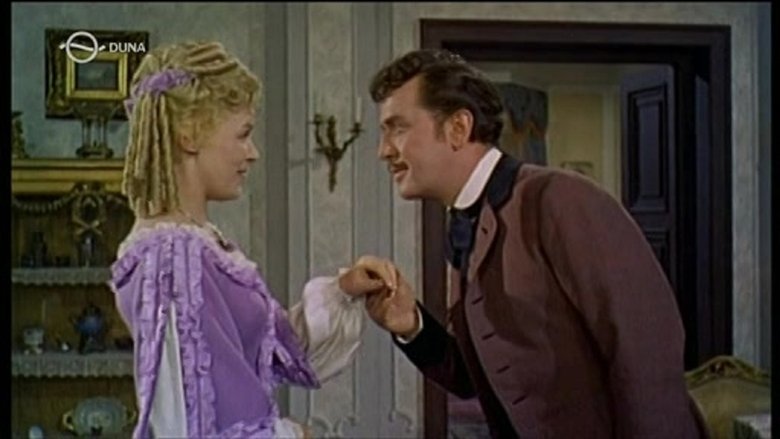
Fatia Negra
The old, sickly Demeter Lapussa is a tyrant in the family. He forces his granddaughter, the beautiful Henriette, to marry baron Hátszegi, although the girl loves the penniless Vámhidy Szilárd. The two lovers attempt to commit suicide, then are torn away from each other.

Extinguished Flames
1790, the county of Szerém. József Hajnóczy, a democrat and a reformer is deprived of his position as vice-steward of the county because he is not born a nobleman.
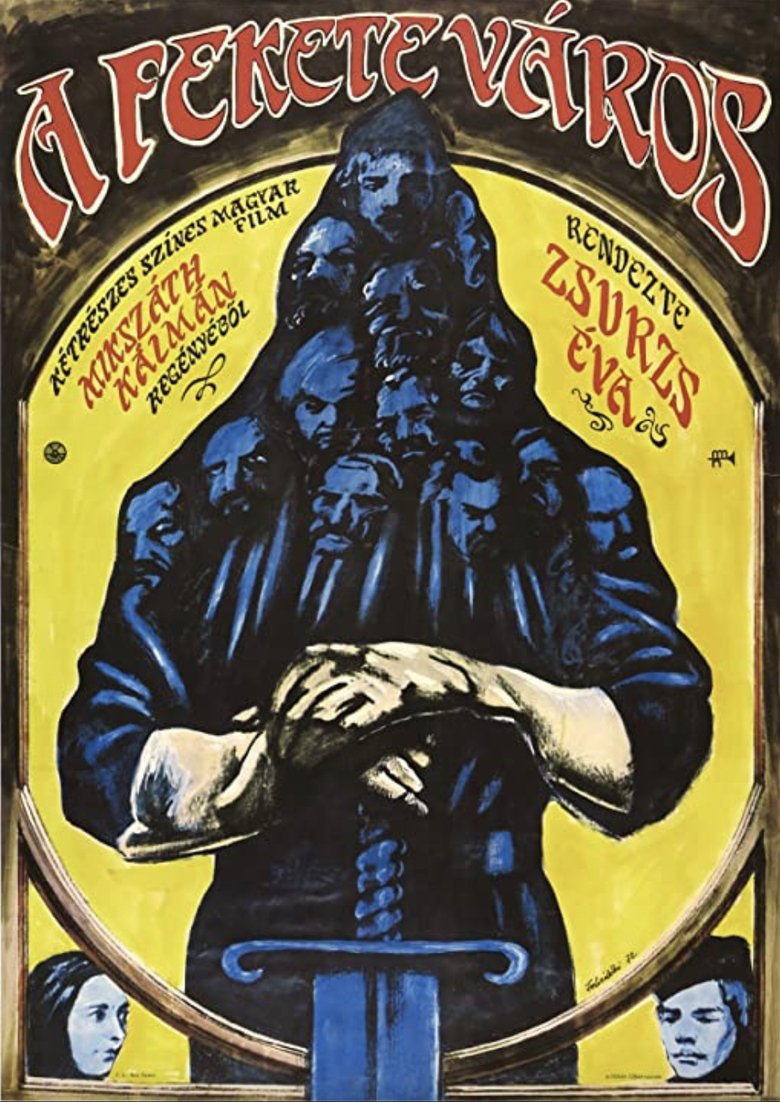
The Black City
Feature film version of the 1971 series. On the eve of the 18th century, County Vicecomes Görgey Pál broods alone in his manor while the town of Leutschau celebrates New Year’s with lead‐casting omens and a disastrous hunt that sparks a bitter feud. As Görgey fights for his honor and life, and the townspeople defend their Saxon privileges, their mutual blind ambition prevents them from seeing the rising light of Rákóczi’s coming rebellion.
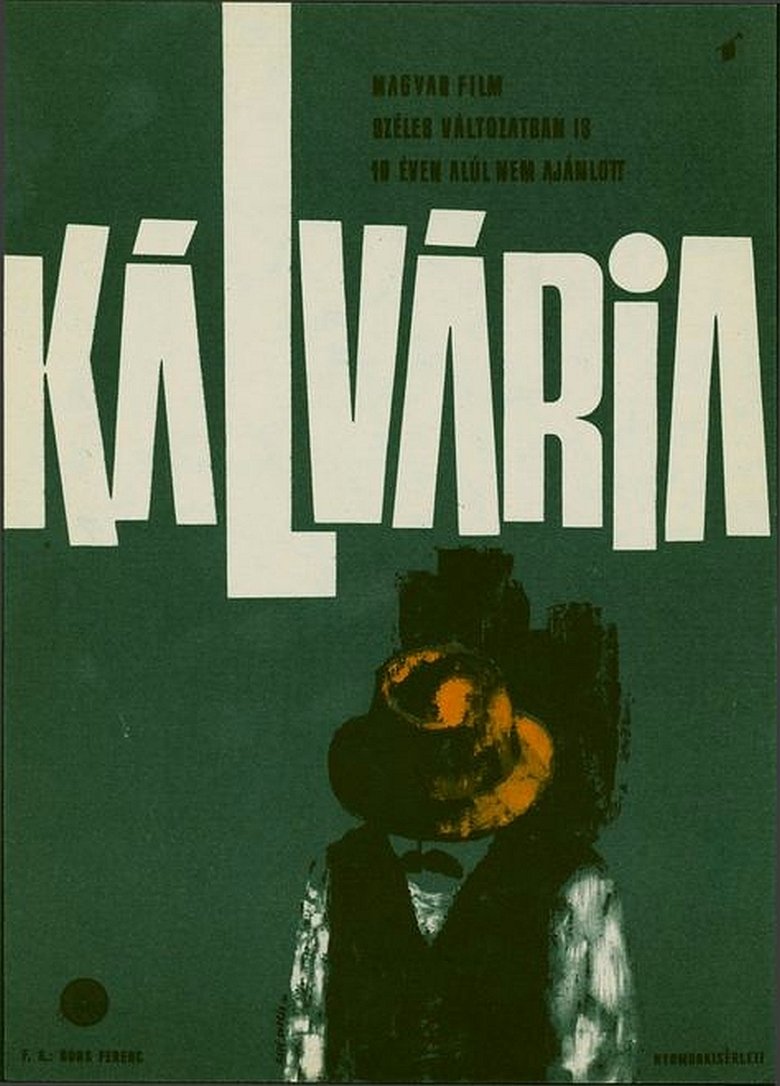
Calvary
Following his wedding, Feri left the co-operative and is now working on the land of his father-in-law. Tóth is extremely wilful and thrifty, working from early morning to late night, pushing his family as well.
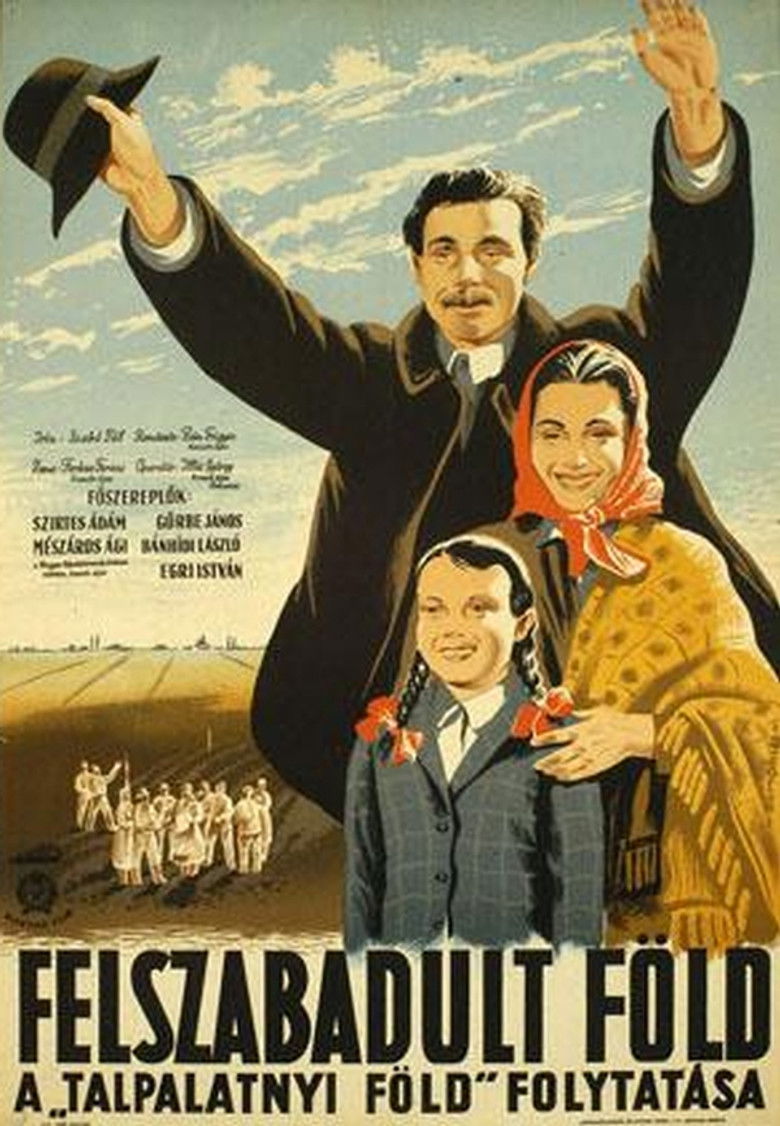
Liberated Land
Jóska has become a Communist in the Csillag prison in Szeged. In the meantime, Gábor successfully talks people in Jóska's native village out of joining the German-led Hungarian army.
Filmography
as Zátonyi
as Bíró
as Barabás
as Onuc
as Manager
as Diredy
as The judge
as Gerencser
as II. Rákóczi Ferenc
as Lukács
as Községi tanácselnök
as Ignác Ható
as Dallos
as Account keeper