
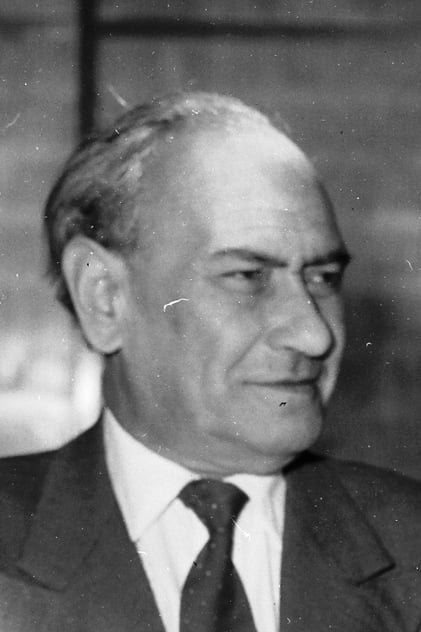
Sándor Kőmíves
Acting
Biography
No biography available for Sándor Kőmíves.
Born: December 23, 1940
Place of Birth: Budapest, Hungary
Known For

Scurvy

Two Nights of Maria

The Smugglers
In the thirties, the poor living by the Romanian-Hungarian border were forced to smuggle if they wanted to survive. Mihály, a Hungarian peasant, kills a border guard while fleeing. He is fed up with smuggling and wants to put an end to it, yet he needs money to get a job, so he embarks on another turn.

Gül Baba
Student Gábor and cigarette-smoking student Mujkó sneak into the Buda rose garden of baba Gül and fall in love with Leila, the daughter of baba Gül, who is bathing there and is destined to be the 33rd wife of Ali Basa. The guard captures the student and death awaits him and his companions.
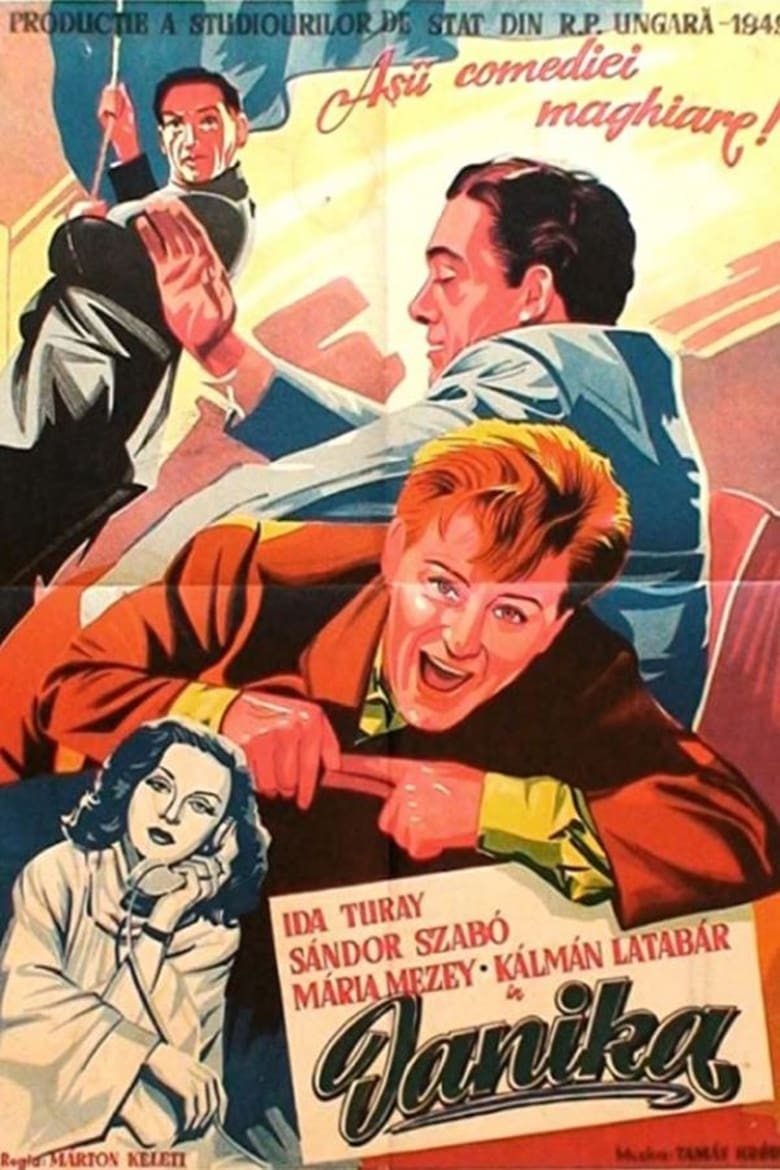
Janika
After a 15-year absence, the famous actress' expatriate husband returns to Hungary to settle their divorce. The actress is rehearsing the role of a young boy back home when her husband walks in. Seeing the little boy, the husband thinks that Janika is his child, but the actress fails to inform him of the mistake.

Late Season
Kerekes believes he is wanted by the police when his friends play a practical joke in this unusual comedy drama. He returns to his hometown where he was accused of turning a Jewish druggist and the druggist's wife over to the Nazis. With his friends following him, Kerekes tries to find out what became of the couple after they were deported. After being subjected to a mock trial by his friends - and found guilty - Kerekes becomes despondent and attempts to kill himself. Flashbacks and hallucinations are employed to tell this story that occurs during the Eichmann trial. Both the film and Antal Pager gained some unwanted publicity when a Variety article from April 23rd, 1967 accused Pager of being a Nazi collaborator for his role in an anti-Semitic film during World War II.

The Upthrown Stone
An aspiring film student is denied a scholarship to the state-funded university when his father is thrown in jail. The man had stopped a train in order to facilitate the union between two old friends. The son then takes a job as a land surveyor and meets a Greek man who works towards the collective benefits of the peasants. The man is killed in a peasant uprising prompted by a bureaucratic boondoggle. The surveyor looks after the man's widow as his emerging political and social awareness leads him take a stand against government injustice. Another incident, in which gypsies are rounded up by state hygiene workers, further galvanizes the man's beliefs. He photographs the incident, and his work allows him to be accepted into the school from which he was previously denied admission.
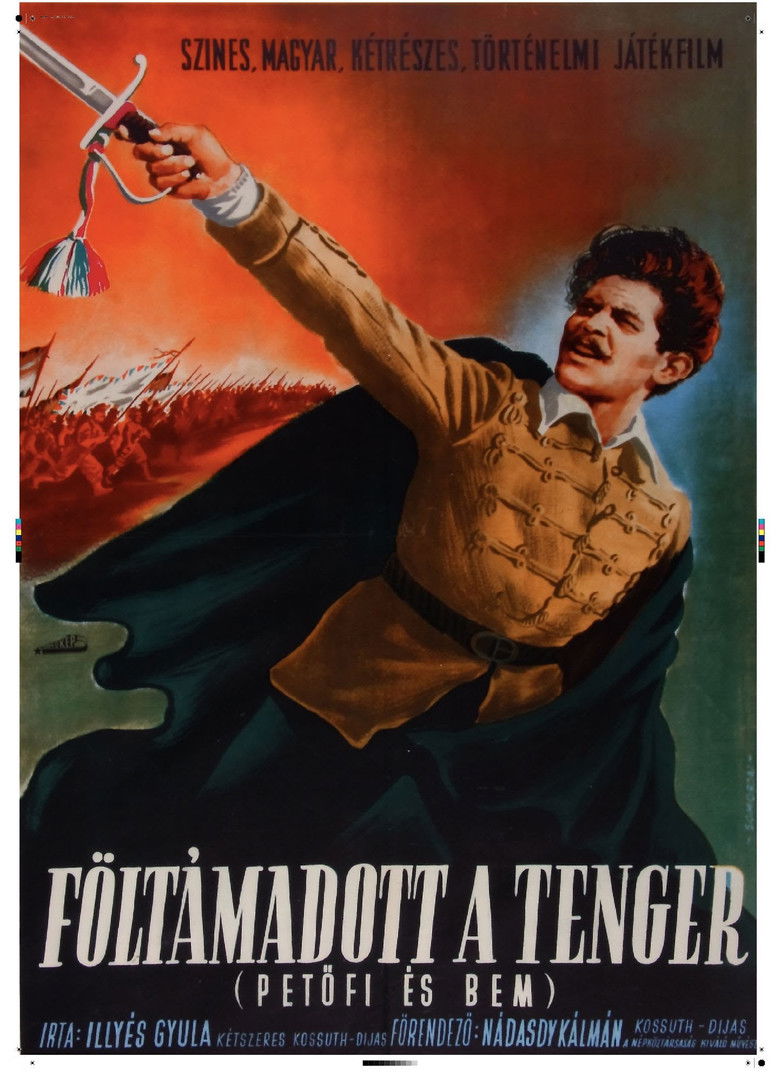
The Sea has Risen
March 15, 1848; the revolution breaks out in the town of Pest. Yet at café Pilvax, in among he revolutionary youth, there is the informer of the imperial court as well. Hearing the news of the attack led by Jellasics, the inhabitants of the villages pour into the national army, and Hajdú Gyurka also escapes from his landlord. Petőfi is there at the camp of the revolutionaries, raising them to enthusiasm with his poetry.
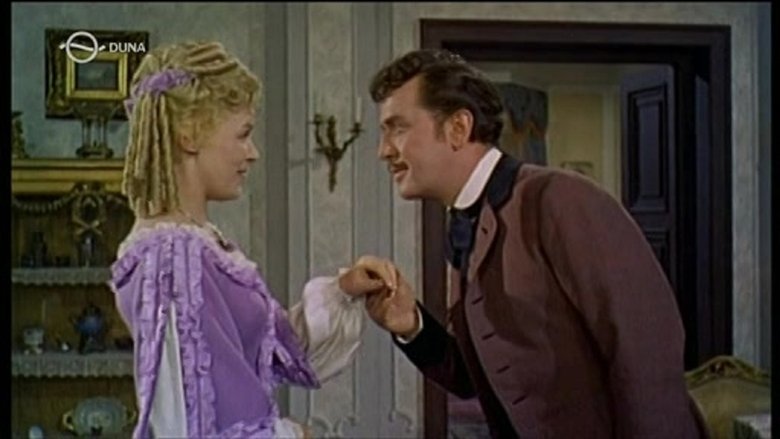
Fatia Negra
The old, sickly Demeter Lapussa is a tyrant in the family. He forces his granddaughter, the beautiful Henriette, to marry baron Hátszegi, although the girl loves the penniless Vámhidy Szilárd. The two lovers attempt to commit suicide, then are torn away from each other.

Fűszer és csemege
Filmography
as Kovács
as Kovács
as Timur
as Sámán apa
as Uncle Géza
as Lauffer
as Professor
as Doctor
as János Varga
as Doctor
as Ambrus István
as Narrátor (voice)
as Balogh
as Móga
as Jóna (as Kõmüves Sándor)
as Kõmüves Sándor
as Csutora
as Vilmos bácsi
as Gül Baba