
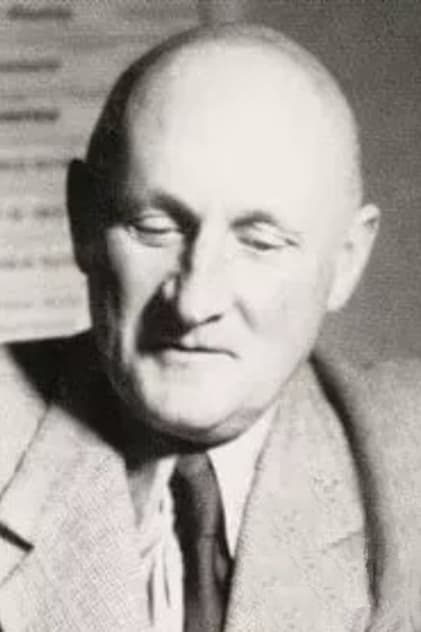
Stanislav Langer
Acting
Biography
No biography available for Stanislav Langer.
Born: April 20, 1887
Place of Birth: Zahrádka Mladotova, Austria-Hungary [now Czech Republic]
Known For
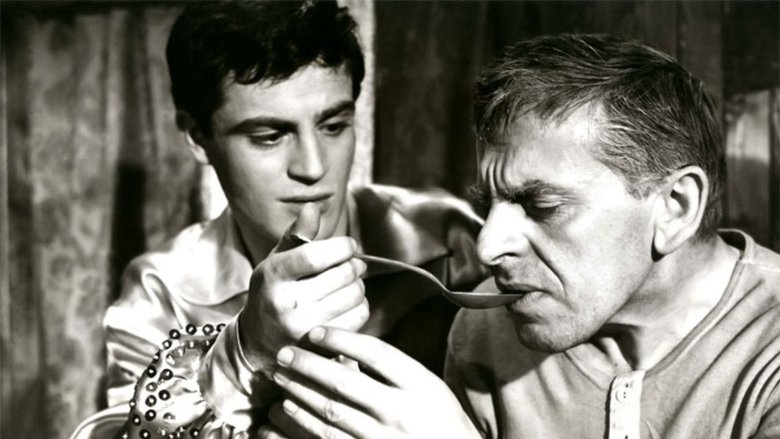
People From Caravans
Story about the people around the circus and the unfortunate love of a young man an acrobat. Before the dispute escalates so much that, according to the old clown, Vincek ends up with a noose on his back and Lotyš in a bass, fate intervenes and the young acrobat is called up to the war, where he serves with the dragoons. After serving his time and being released into civilian life, he sets out to find the National with his beloved Nina. However, she has not been with the circus for almost a whole year. Her parents took her away and Vincek, to the chagrin of his friends and the principal, decides to go looking for her. After a long journey, he finds his beloved in the Russian Kuznecki circus, but she has changed a lot during the years of separation. A simple girl in love has turned into a calculating, ambitious woman who desires money above all. But Vincek doesn't have you.

Čintamani & podvodník
Two short stories by Karel Čintamani a ptáci An avid collector of carpets, MUDr. Vitásek discovers a unique piece in Mrs. Severýnová's junk shop - a Persian carpet with a pattern of birds. As a connoisseur, he knows that there are only three of these carpets in existence and they are all owned by different monarchs. Severyn has no idea how rare it is, but the carpet is not for sale. It was saved by the wealthy widow Zanelli, who travels all over the world and rarely visits Prague. Vitásek confides in his lawyer friend Bimbal and with his help tries to retrieve the rare piece. Tales of a marriage fraudster The police headquarters is on high alert as marriage frauds proliferate. The hallmark of the culprit is violin playing and gold teeth. Inspector Pigeon of the train service eventually apprehends the fraudster, Vincent Plichta. The serious criminal doesn't resist arrest, he just bills the costs and goes to serve his sentence. After a while, marriage fraud is reported again.
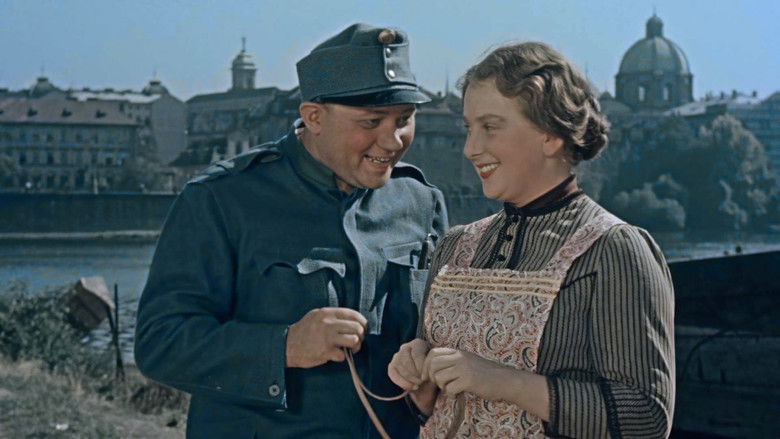
The Good Soldier Švejk
Good-natured and garrulous, Schweik becomes the Austrian army's most loyal Czech soldier when he is called up on the outbreak of World War I -- although his bumbling attempts to get to the front serve only to prevent him from reaching it. Playing cards and getting drunk, he uses all his cunning and genial subterfuge to deal with the police, clergy, and officers who chivy him toward battle.
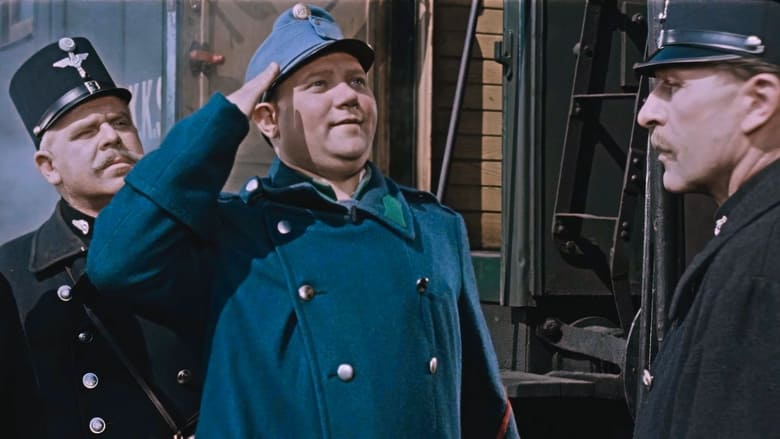
I Dutifully Report
A comedy based on the novel of Jaroslav Hašek's The Good Soldier Svejk happens during the World War I. I Dutifully Report: In the introduction to the second part of the film adaptation of Hašek's novel The Good Soldier Švějk presents his main character Josef Švejk. With the distinctive traditional Czech cartoon character of a soldier Svejk, this time you meet on the way to the front and eventually right in the firing line. You can look at his famous train events, and also probably the most famous episode of the novel, Švejk's Budějovice anabasis. Don't miss the scene with the secretly bought cognac, the episode with Svejk as a fake Russian prisoner of war, including the court scene, and the scene in which lieutenant Dub is caught in a brothel. Despite the criticism, Steklý's adaptation is undoubtedly the most famous and memorable at present.
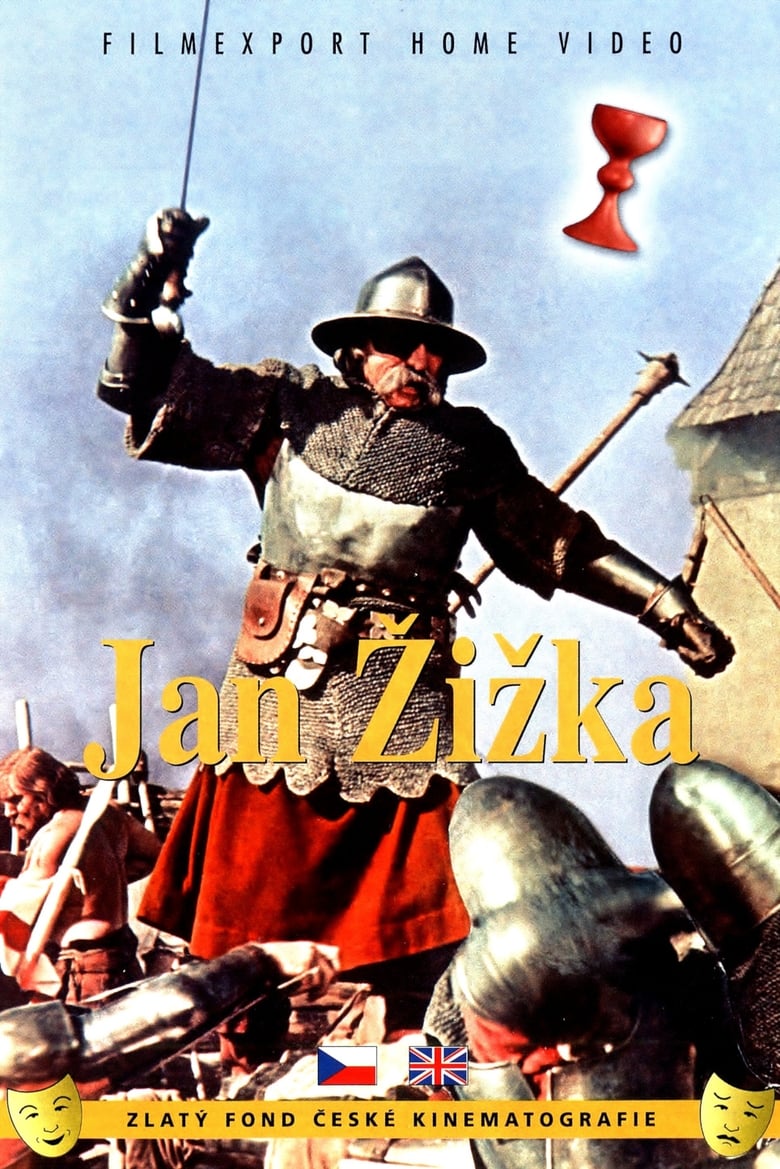
Jan Žižka
The second part of the revolutionary Hussite trilogy takes place in the years 1419-1420.

Strakonický dudák
The story of the piper Švanda, who went abroad for money and fame, but whose love for his homeland ultimately wins.
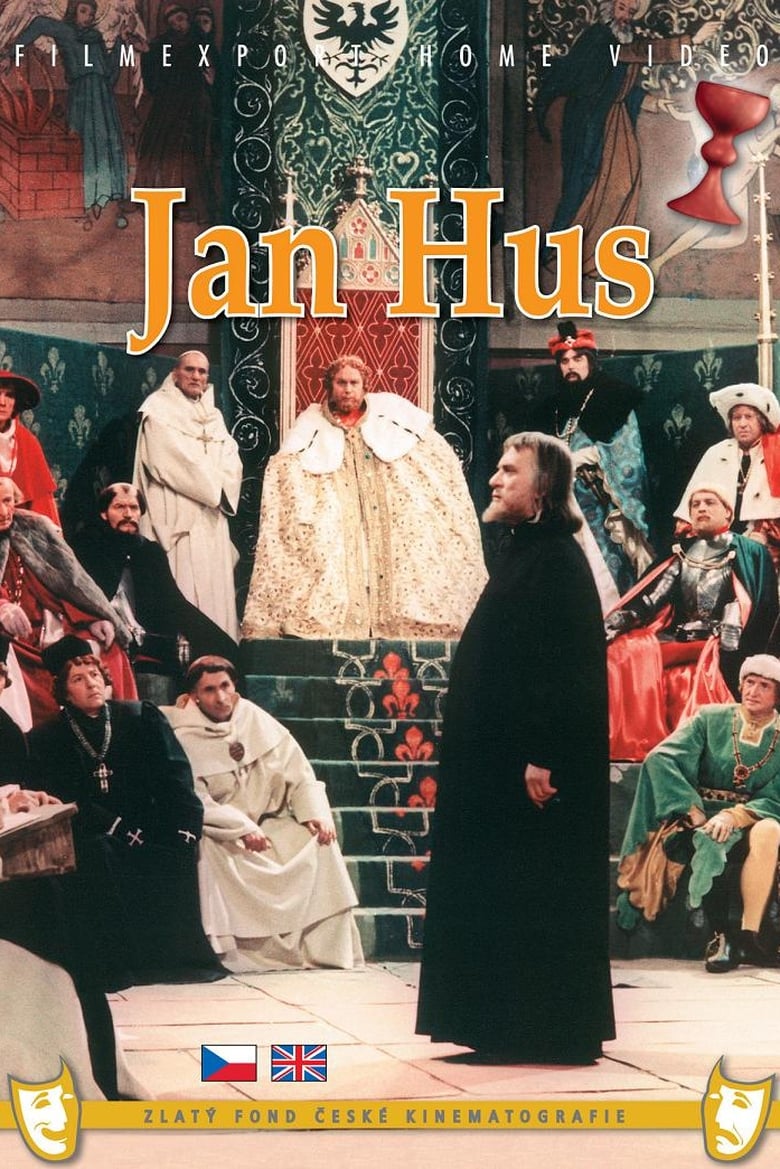
Jan Hus
The first part of the "Hussite Revolutionary Trilogy", completed with Jan Žižka (1955) and Proti všem (Against All Odds, 1957). The film captures the period from May 1412 to the summer of 1415, a turbulent time in the Czech Kingdom, during which there were protests in Prague against the sale of "omnipotent indulgences" whose sale throughout the kingdom was announced by Pope John XXIII. The ideological leader of this movement is the preacher Master Jan Hus, whose words, calling for the elimination of church abuses, are listened to in the Bethlehem Chapel by thousands of ordinary Praguers, Czech lords and Queen Sophie, wife of the Czech King Wenceslas IV.
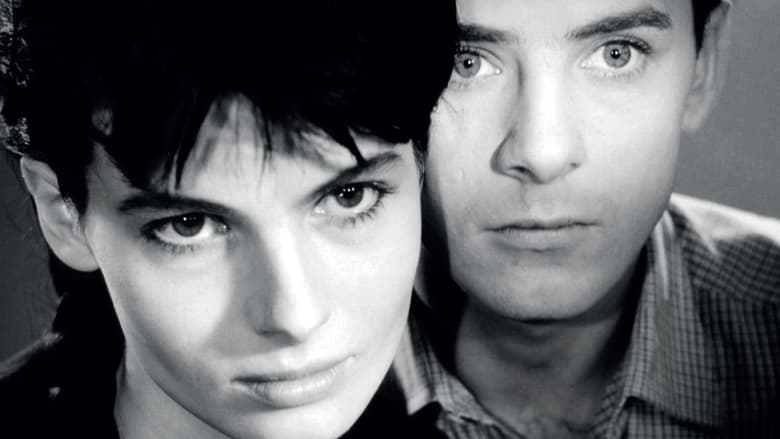
Romeo, Juliet and Darkness
Pavel, a young student living in Prague in 1942, hides a Jewish girl in his apartment building's attic. Amidst the brutality of the occupying German army, love blossoms between the two. He is her only link to the outside world. Then the two are discovered by Pavel's mother, who forces the residents of the apartment building to decide whether Hana can remain.
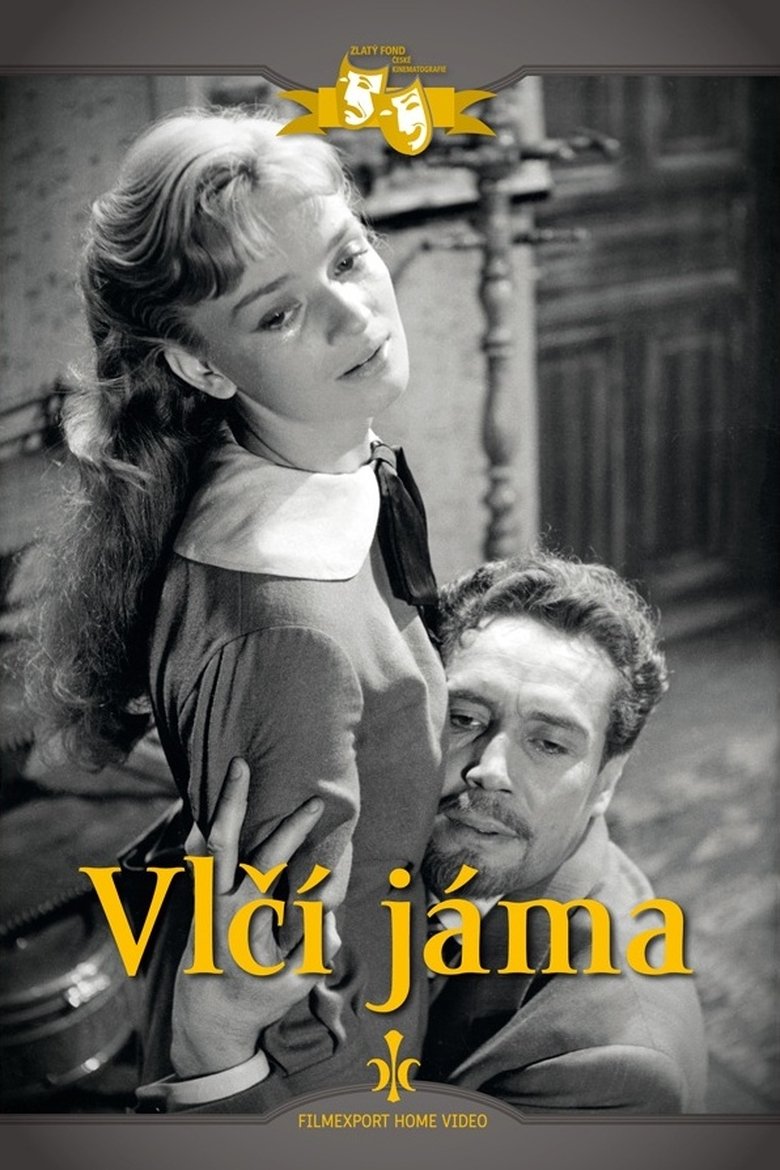
Wolf Trap
The title of this highly-regarded Czech drama translates as Wolf Trap. Set in the 1920s, the story revolves around an ambitious young provincial politician (Miroslav Dolozai) who enters into a marriage of convenience with a smotheringly possessive -- and much older -- woman (Jirina Sejbavola). Hoping to temporarily escape his overbearing wife's clutches, the husband strikes up a friendship with her young ward (Jana Brejchova). The relationship blossoms into a deep abiding love, but the jellyfish husband can't bring himself to declare his ardor to the girl. Even after the death of the wife, the husband hasn't the intestinal fortitude to admit his passion, and the results are bleak indeed for the unfortunate ward. Director Jiri Weiss does a masterful job staging his story of frustration and denial against a backdrop of post-WWI bourgeois banality.

Of Things Supernatural
An anthology of three absurd, ironic tales inspired by Čapek’s “Tales from One Pocket” and “Fables and Side Stories,” each showing uncanny forces disrupting ordinary lives: in Krejčík’s “Glorie,” a gentle clerk is haunted by a sudden halo; the other two segments by Mach and Makovec similarly blend everyday routines with ironic, supernatural twists.
Filmography
as přísedící
as investigator
as Nápoveda
as Professor
as (segment "Glorie")
as Officer in Court
as Alderman
as kardinál
as Vinohrady Police Commissioner
as Monsignor
as psychiatr na klinice