

Stefan Lisewski
Acting
Biography
No biography available for Stefan Lisewski.
Born: July 6, 1933
Place of Birth: Tczew, Poland
Known For
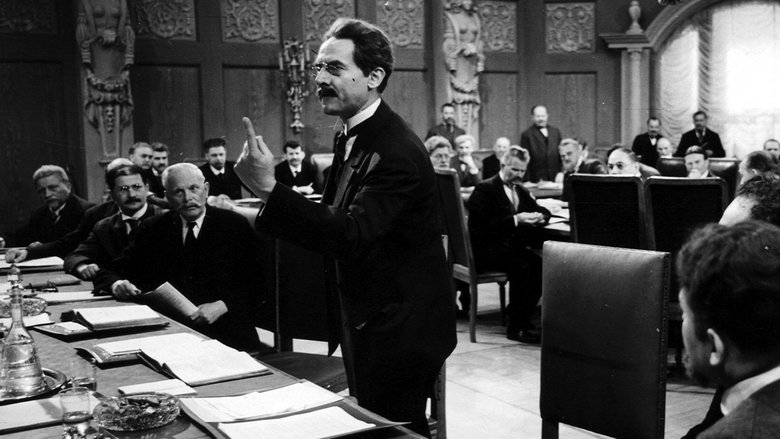
As Long as There’s Life in Me
This is part one of a two-part biopic about Karl Liebknecht. In 1914, Germany is arming itself for war. Karl Liebknecht, left-wing revolutionary Social Democrat, workers’ leader and a virulent antimilitarist, is one among 110 SPD members of Parliament who vote against approving war loans. From then on, he is considered un-German and a traitor to the fatherland, and his own party’s leadership turns against him. Despite threats, Liebknecht speaks up against the war and writes the manifesto “The Main Enemy Is at Home.” Even when he is arrested and charged with treason, he does not surrender.

Susanne and the Magic Ring
The twelve-year old Susanne is a dreamer and feels misunderstood by her classmates. She pours out her heart to an old lock keeper, who understands her well. He gives her a ring, which has the ability to help its owner. Susanne believes greatly in its magic power. Some wishes actually come true but others fail.
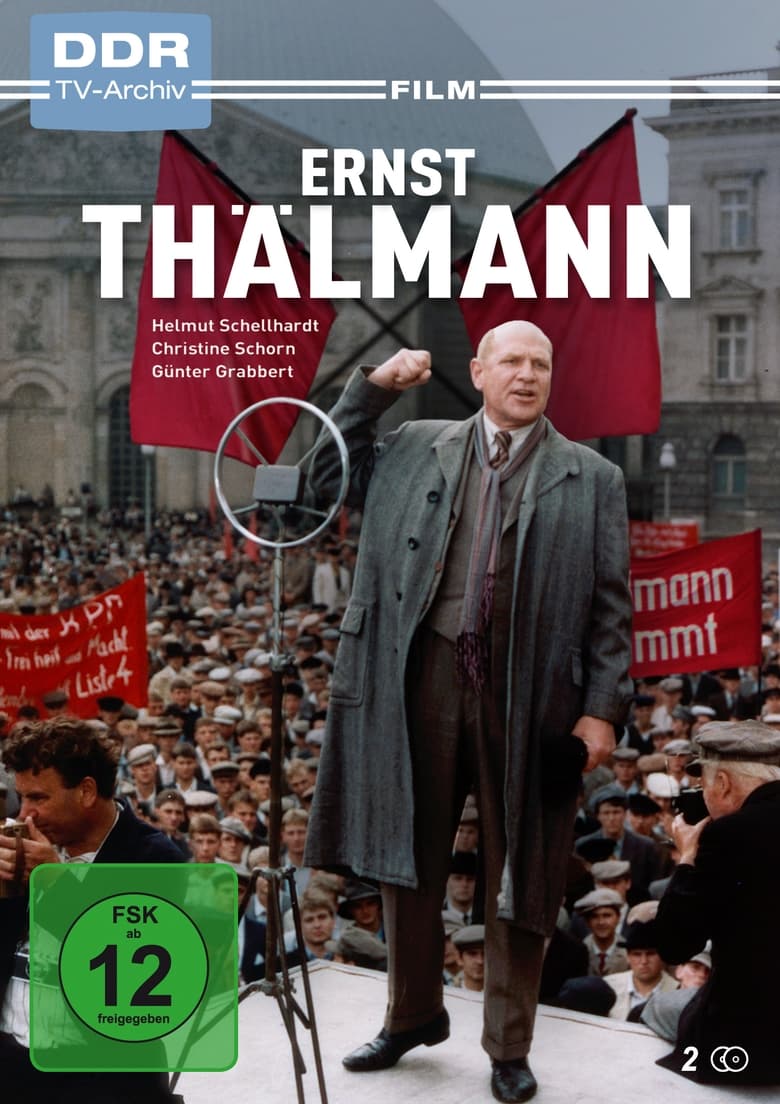
Ernst Thälmann
This elaborate two-part television film features a section from the life of communist worker leader Ernst Thälmann. It begins with the bloody riots on May 1, 1929 in Berlin, in which police officers shot at demonstrating workers, and ends with February 7, 1933, when Thälmann appeared as a speaker at the illegal meeting of the Central Committee of the Communist Party of Germany in goat neck. This period was marked by the struggle of the Communists against the ever stronger National Socialists and the rise of Adolf Hitler.
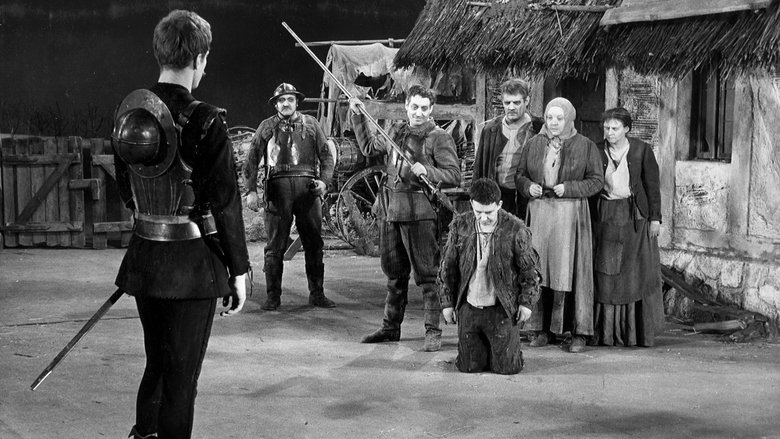
Mother Courage and Her Children
During the Thirty Years' War, the camp-follower Anna Fierling, called "Mother Courage", travels the length and breadth of Europe with her covered wagon. She does not care if it's Catholics or Protestants she trades with as long as business thrives. She loses her three children as a result of the war: bold and spirited Eilif, sincere and upright Swiss Cheese and mute Katrin, who saves the children of Halle by beating a drum on a farmstead roof In wartime, the Fierling children's virtues prove to be deadly. Yet, Mother Courage, remains incorrigible. She will not have anyone "spoil the war" for her and so sets out once more after the soldiers with her wagon.

Spuk im Hochhaus
200 years ago, innkeepers Jette and August Deibelschmidt led a rapacious life. Out of greed, they repeatedly got their guests drunk in order to steal from them. When police commissioner Friedrich Wilhelm Licht tried to put them out of action, the house caught fire and all three died. In his last words, he curses the pair of thieves, saying that they will not find peace until they have done seven good deeds after 200 years.

Carnations in Aspic
A commercial artist with a lisp chooses silence, unexpectedly propelling his career. His perceived innovation leads to rapid advancement in an ad agency. Mueller-Stahl shines in this biting critique of East German workplace culture.

The Sailor's Song
A film about the historical uprising of the seamen in Kiel: During the Russian October Revolution of 1917, German and Russian soldiers start to solidarize with each other. By disarming the officers, machinist Henne Lonke and stoker Jens Kasten prevent the attack on a Russian freighter. When German admiralty gives out orders for operation "Nibelungen", which would lead the German fleet into a suicidal attack against England and quell the revolutionary spirit, seamen and soldiers from different political backgrounds unite in protest.
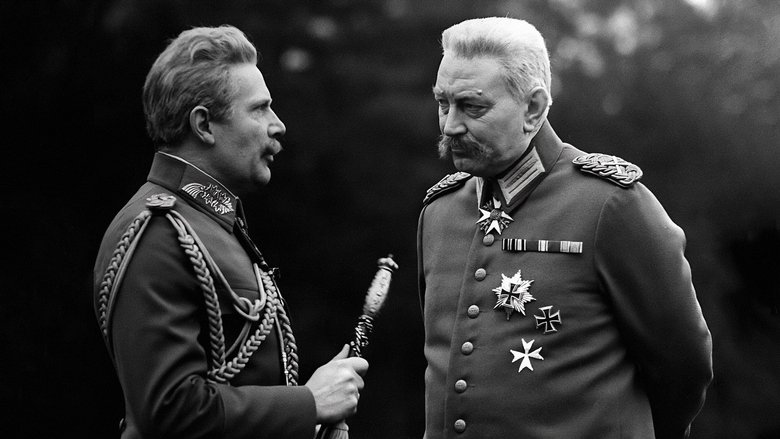
Despite It All!
October 1918: Karl Liebknecht is released from prison and Berlin workers celebrate his release. Although WWI is almost over, the German Kaiserreich in vain sends its last reserves to the slaughter. The working class is in a rebellious mood; the uprising of Kiel’s sailors against war and militarism sets off a call for revolution led by Liebknecht. On November 9, Liebknecht declares the Free Socialist Republic of Germany. But pro-Kaiser military and right wing Social Democrats oppose him.
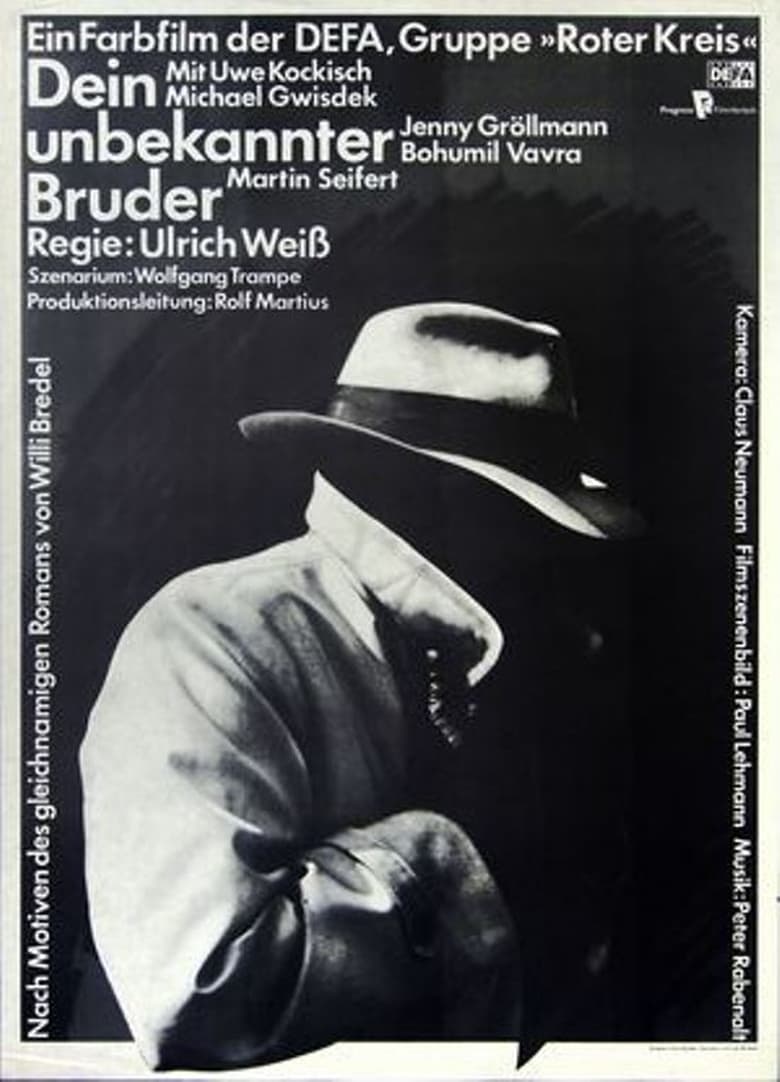
Your Unknown Brother
A communist is released from prison in 1935 Hamburg. He tries to link up with the Party again, but is unsure as to who he can trust, and has difficulty adjusting to life in Nazi Germany.

Polizeiruf 110
Polizeiruf 110 is a long-running German language detective television series. The first episode was broadcast 27 June 1971 in the German Democratic Republic, and after the dissolution of Fernsehen der DDR the series was picked up by ARD. It was originally created as a counterpart to the West German series Tatort, and quickly became a public favorite.
Filmography
as Schramm
as Hausmeister Kegel
as Kaplan Rogalla
as Riese Otto
as Ernst
as Herbert Bumke
as Johann van Beethoven
as Texaner
as Herausgeber
as Vater Ledermann
as Leibwächter Inna
as Vater
as Stadtrat Otto Bommel
as Vogler
as Kapitän Wolfgang Hasse
as Krüger
as Hermann Zieske
as Hauptmann Helmut Wendland
as Ten Eyck
as Hauptmann
as Lothar Rieger
as Horst Lettwitz
as Erwin Reinhardt
as Richard Stefan
as Werner Gutjahr
as Steve
as Ernst Schiemann
as Edy
as Jupp König