
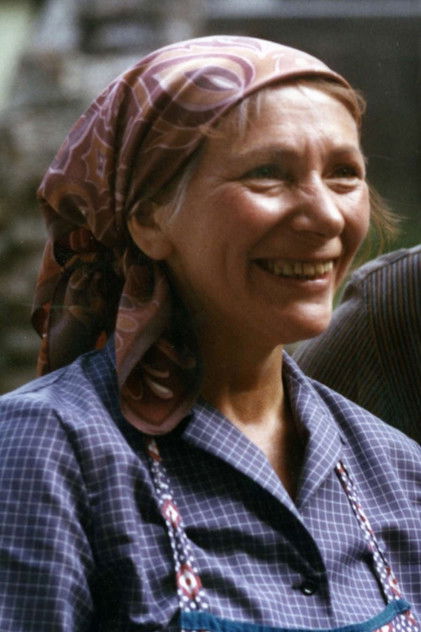
Stefania Iwińska
Acting
Biography
No biography available for Stefania Iwińska.
Born: February 16, 1928
Place of Birth: Warszawa, mazowieckie, Polska
Known For
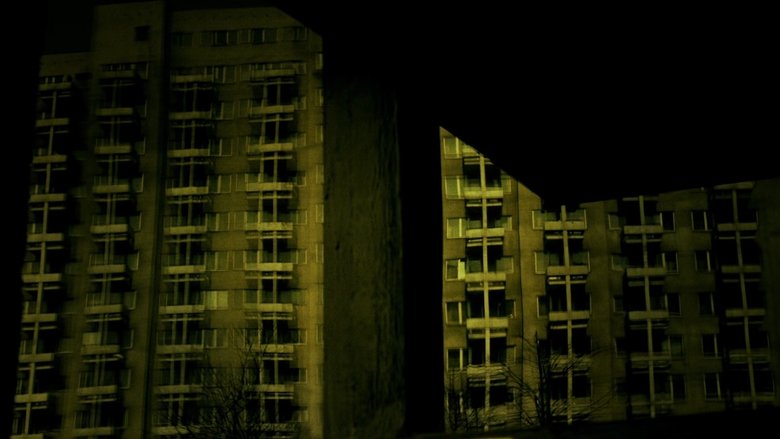
Dekalog
Dekalog (pronounced [dɛˈkalɔk]) is a 1989 Polish drama television miniseries directed by Krzysztof Kieślowski and co-written by Kieślowski with Krzysztof Piesiewicz, with music by Zbigniew Preisner. It consists of ten one-hour films, inspired by the decalogue of the Ten Commandments for thematic inspiration and an overarching structure, grapple deftly with complex moral and existential questions concerning life, death, love, hate, truth, and the passage of time. Each installment explores characters facing one or several moral or ethical dilemmas as they reside in an austere housing project in 1980s Poland, whose lives become subtly intertwined as they face emotional dilemmas that are at once deeply personal and universally human.
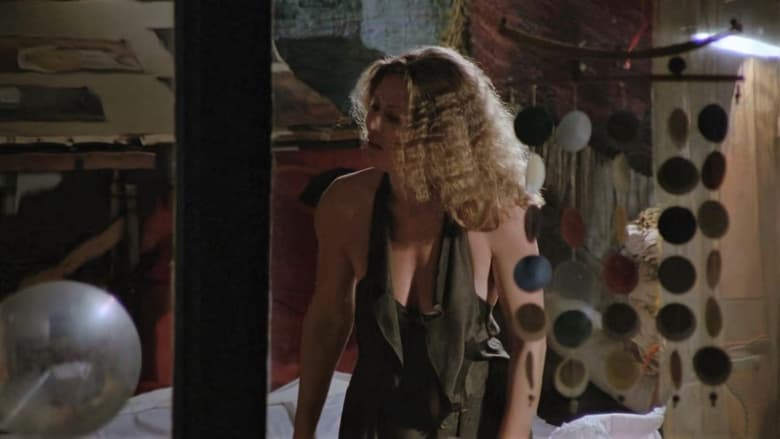
Decalogue VI
A teenage postal worker, Tomek, routinely spies on his older neighbor Magda, a sexually liberated artist who lives in the apartment across the courtyard from his. As their private worlds merge, fascination turns to obsession, and the line between love and curiosity becomes violently blurred.
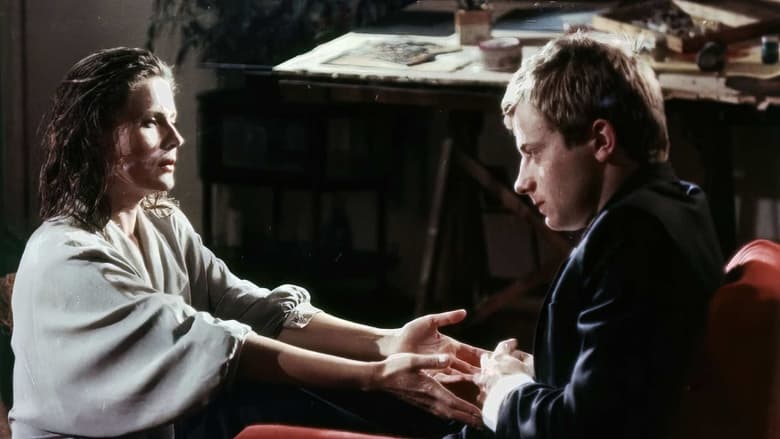
A Short Film About Love
19-year-old Tomek whiles away his lonely life by spying on his opposite neighbour Magda through binoculars. She's an artist in her mid-thirties, and appears to have everything - not least a constant stream of men at her beck and call. But when the two finally meet, they discover that they have a lot more in common than appeared at first sight...
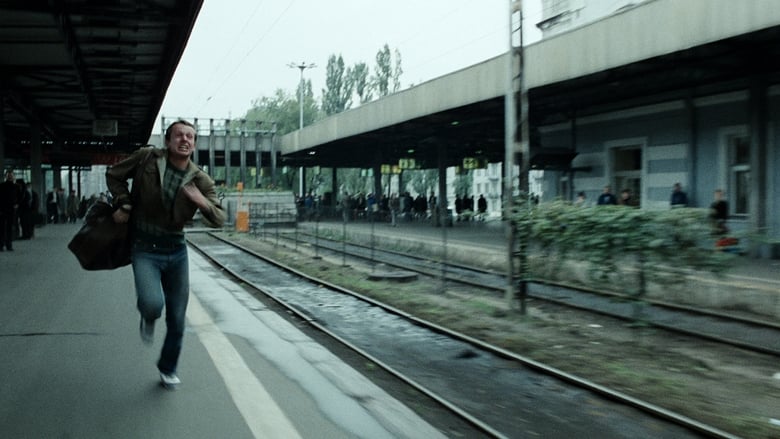
Blind Chance
Witek runs after a train. Three variations follow on how such a seemingly banal incident could influence the rest of Witek's life.
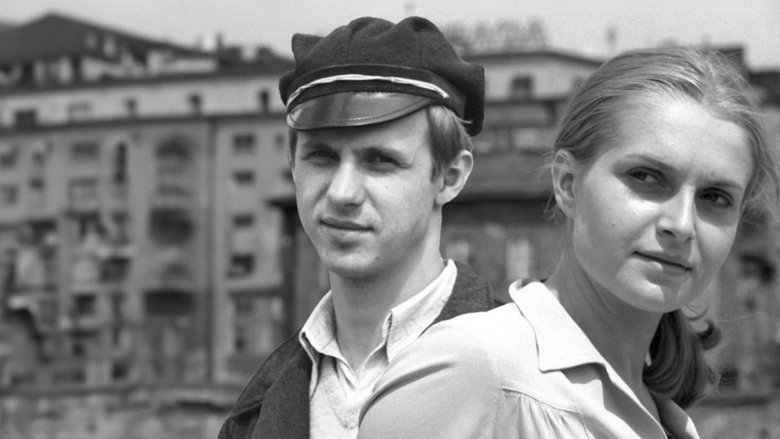
Dom
The story of the residents of a tenement house on Złota Street in Warsaw from 1945 to 1980.
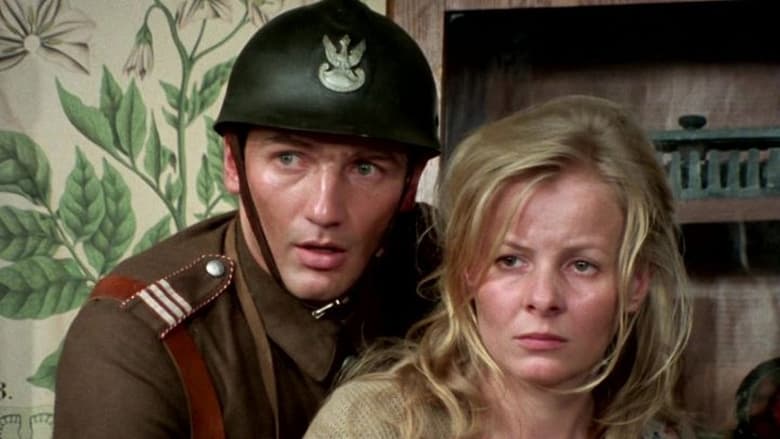
Polskie drogi
An epic, multi-threaded story about the fate of Poles during World War II. "Czas pogardy" was shown primarily from the perspective of two main characters - Lieutenant Władysław Niwiński and Leon Kuraś - a petty crook, but not without heroic traits. The authors of the series sought to show, in particular, everyday life under Nazi occupation in Poland.
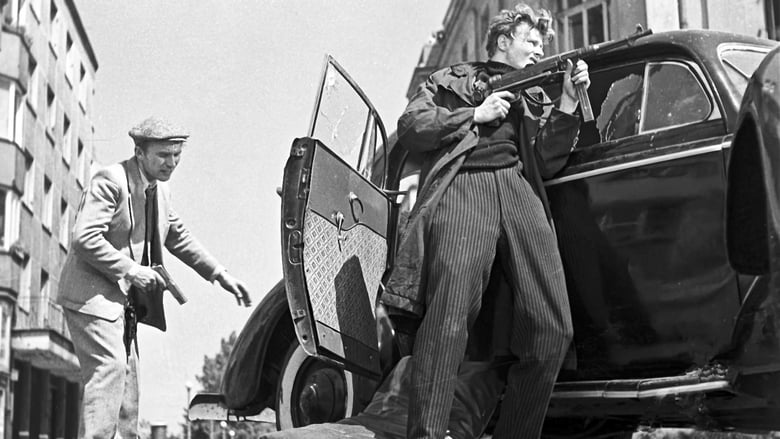
The Attempt
Set in the occupied Warsaw, the film tells the story of the mission carried out by the student underground resistance group to execute the hated SS General Franz Kutchera.
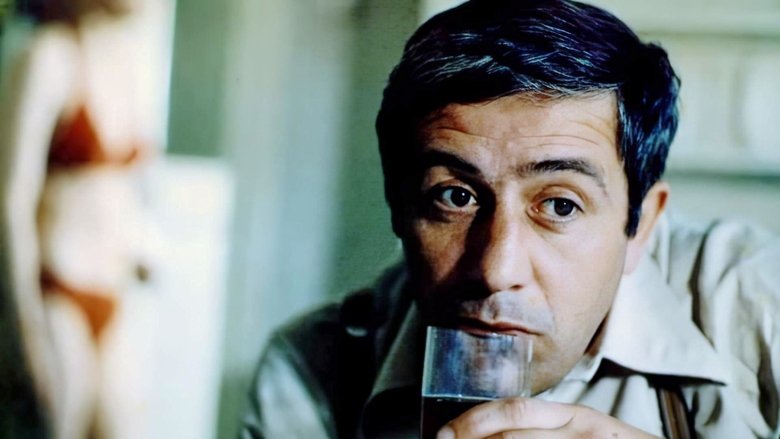
Without Anesthesia
A famous Polish journalist presents a problem for the powers-that-be when he displays his full political skill and knowledge on a television show featuring questions and answers on a world conference by a panel of journalists. His enemies take away his privileges when he is away. The shock of being "unwanted" parallels a deeper disappointment in his private life: his wife has an affair with a jealous young rival, and after 15 years of marriage and two daughters wants a divorce. She offers no explanations as he tries to untie these problems himself. All the moves he makes are the wrong ones. He takes on drinking heavily with students eager to attend his seminar after discovering the class has been canceled. The journalist, once suave and commanding, is reduced to silence.
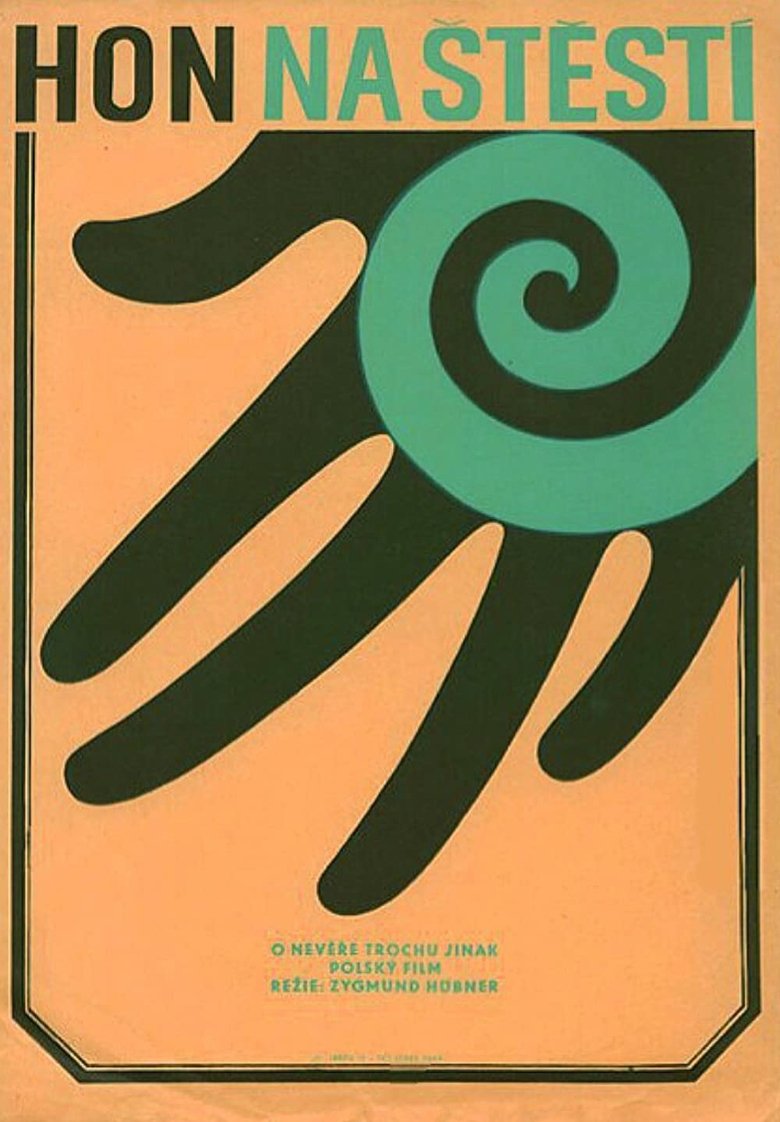
Chase
A seamstress who leads a stable life falls in love with her daughter's teacher.
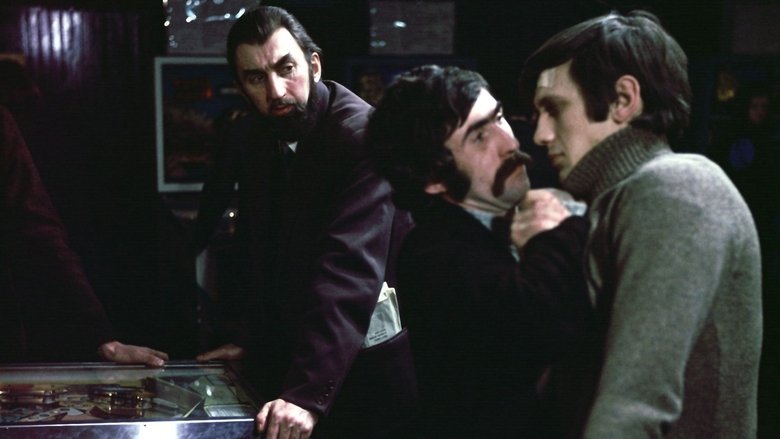
A Slip-Up
A young man strikes up an ill-fated romance with a married woman.
Filmography
as Godmother
as Tomek's Maid
as Grandmother
as Magda's mother
as Opposition Activist (2)
as Internowana
as Hanka's Mother
as Józefina Popiołkowa
as Józefa
as chłopka
as Amelia Brygierowa, koleżanka matki Elżbiety
as Janitor
as Bus Passenger (uncredited)
as Neighbour
as Nurse (uncredited)