

Sue Lyon
Acting
Biography
Sue Lyon was an American screen and television actress. She joined the entertainment industry as a model at the age of 13, and later rose to prominence and won a Golden Globe for playing the title role in the film Lolita (1962). Her other notable film appearances included The Night of the Iguana (1964), 7 Women (1966), Tony Rome (1967), and Evel Knievel (1971).
Born: July 10, 1946
Place of Birth: Davenport, Iowa, USA
Known For
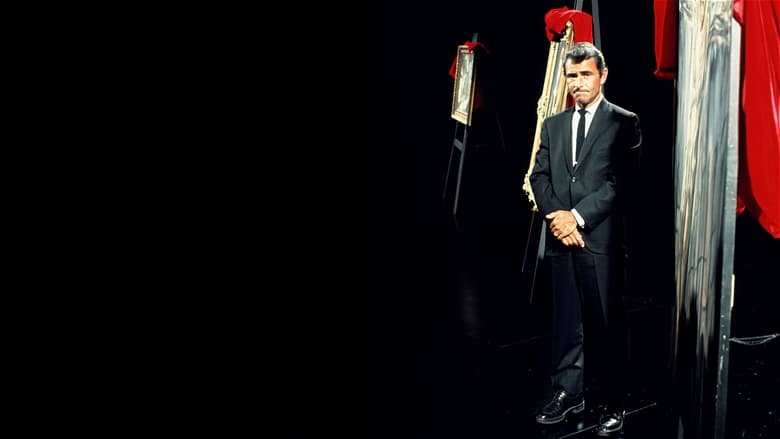
Night Gallery
Rod Serling narrates an anthology of fantasy, horror and sci-fi stories from a set resembling a macabre museum. A chilling work of art serves as the connective link between the stories.
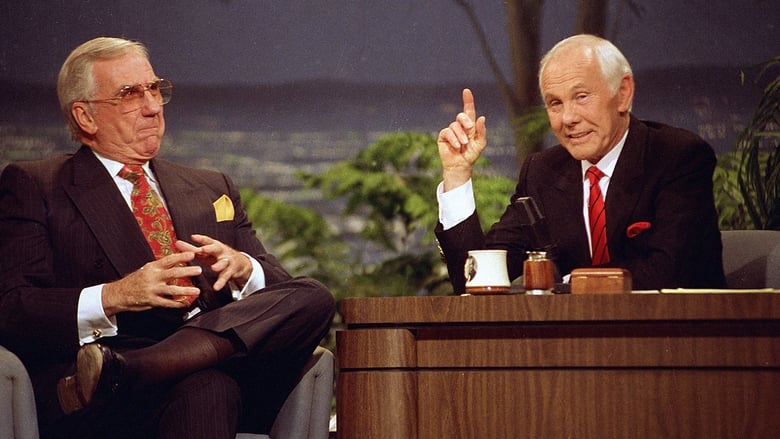
The Tonight Show Starring Johnny Carson
The Tonight Show Starring Johnny Carson is a talk show hosted by Johnny Carson under The Tonight Show franchise from 1962 to 1992. It originally aired during late-night. For its first ten years, Carson's Tonight Show was based in New York City with occasional trips to Burbank, California; in May 1972, the show moved permanently to Burbank, California. In 2002, The Tonight Show Starring Johnny Carson was ranked #12 on TV Guide's 50 Greatest TV Shows of All Time.

Lolita
Humbert Humbert is a middle-aged British novelist who is both appalled by and attracted to the vulgarity of American culture. When he comes to stay at the boarding house run by Charlotte Haze, he soon becomes obsessed with Lolita, the woman's teenaged daughter.
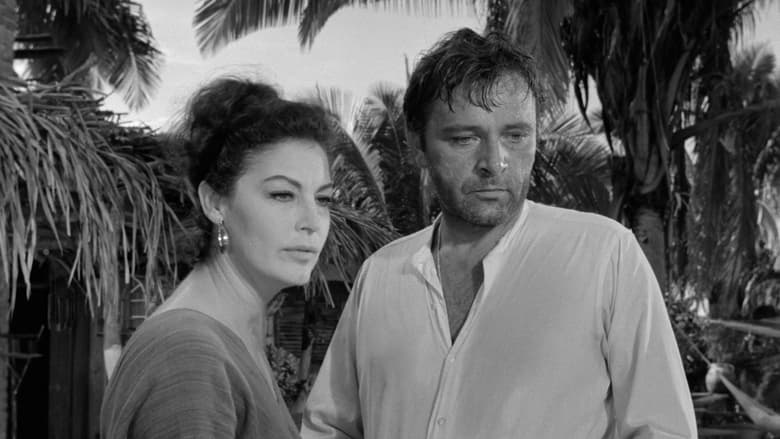
The Night of the Iguana
A defrocked Episcopal clergyman leads a bus-load of middle-aged Baptist women on a tour of the Mexican coast and comes to terms with the failure haunting his life.
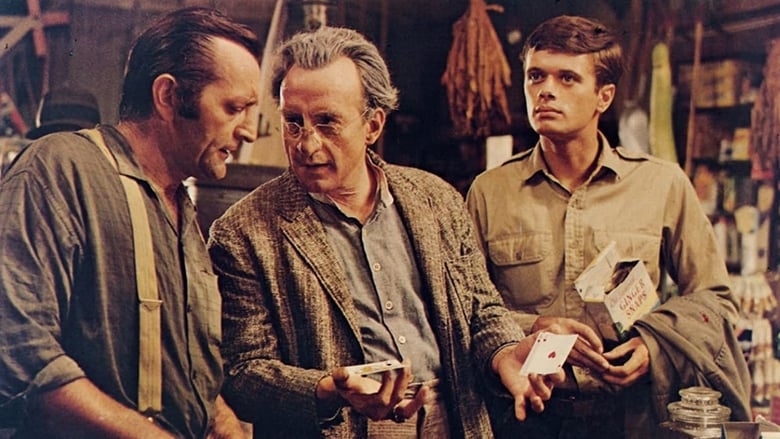
The Flim-Flam Man
Mordecai Jones, a silver-tongued swindler and self-proclaimed “M.B.S., C.S., D.D.—Master of Back-Stabbing, Cork-Screwing and Double-Dealing,” has made a career out of charming and cheating his way through life. Played with devilish charm by George C. Scott, Jones takes on a new protégé in Curley, a wide-eyed Army deserter eager for direction. Together, they crisscross the backroads of the rural South, pulling off a string of homespun cons while staying one step ahead of a relentless local sheriff. Along the way, Curley falls for Bonnie Lee Packard, a rebellious heiress who joins their misadventures. But as the scams grow riskier, Curley begins to wonder whether a life of flimflam is worth the price. With its colorful characters, offbeat humor, and standout performance by Scott, The Flim-Flam Man is a rollicking Southern caper about cons, conscience, and unlikely camaraderie.
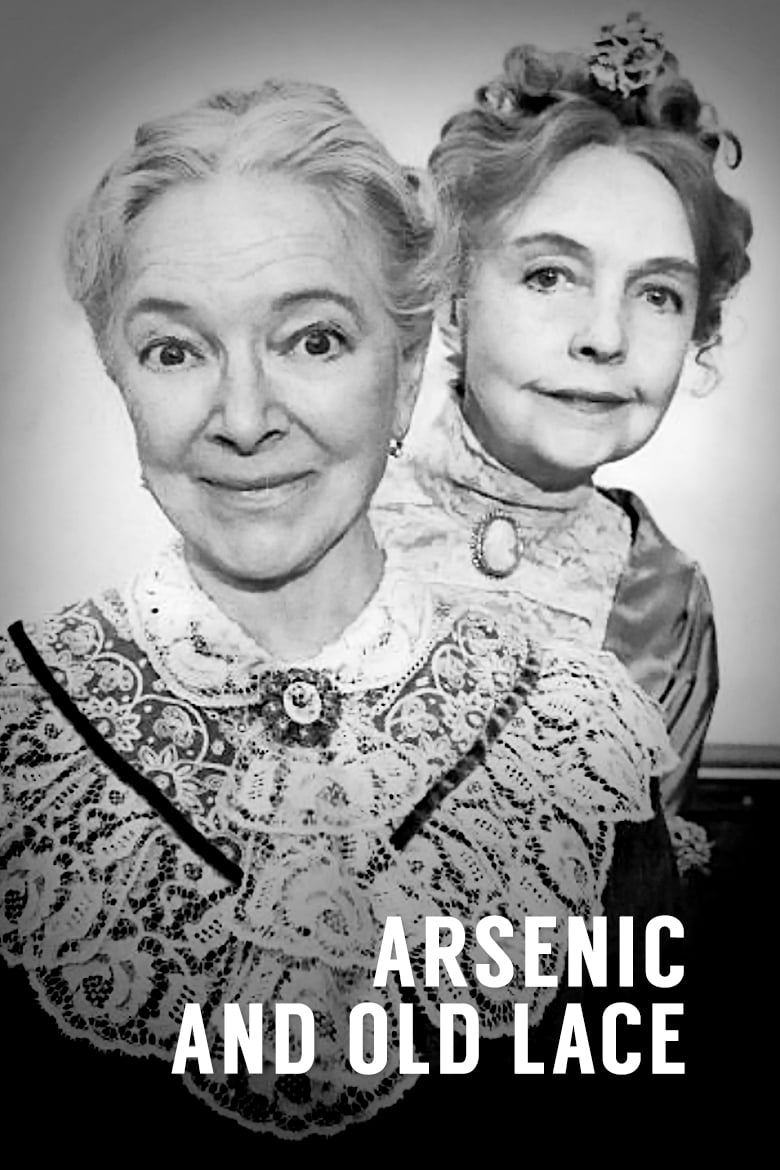
Arsenic and Old Lace
A drama critic learns on his wedding day that his beloved maiden aunts are homicidal maniacs, and that insanity runs in his family.

The Bob Hope Show
The Bob Hope Show hosted by Bob Hope, debuted on April 9, 1950. During the 1952-1953 season, NBC rotated with other variety shows in a Sunday night block known as "The Colgate Comedy Hour" (Sept. 1950 to Dec. 1955). Also known as, "The Chevy Show with Bob Hope." When the first special debuted in October of 1950 it was the most expensive television program made up to that point - costing an astronomical $1,500 a minute to produce. Bob Hope had his own television show and radio show at the same time. For the next three seasons, The Bob Hope Show was broadcast once a month on Tuesday nights, giving Milton Berle a week off. Bob ended his radio show in April, 1956. Bob Hope also had another show by a similar name, "The Bob Hope Show (All Star Revue)". In addition, he performed in "Specials" for many years. It is the longest running variety program in television's history with a record of 45 years of televised entertainment.
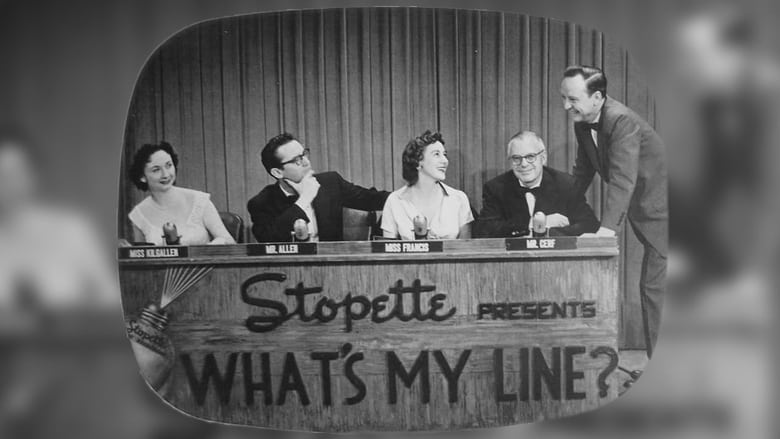
What's My Line?
Four panelists must determine guests' occupations - and, in the case of famous guests, while blindfolded, their identity - by asking only "yes" or "no" questions.
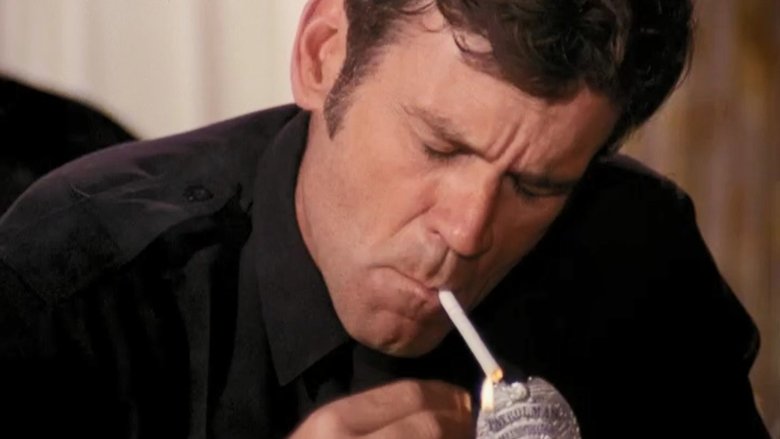
Police Story
Police Story is an anthology television crime drama. The show was the brainchild of author and former policeman Joseph Wambaugh and represented a major step forward in the realistic depiction of police work and violence on network TV. Although it was an anthology, there were certain things that all episodes had in common; for instance, the main character in each episode was a police officer. The setting was always Los Angeles and the characters always worked for some branch of the LAPD. Notwithstanding the anthology format, there were recurring characters. Scott Brady appeared in more than a dozen episodes as "Vinnie," a former cop who, upon retirement, had opened a bar catering to police officers, and who acted as a sort of Greek chorus during the run of the series, commenting on the characters and plots.
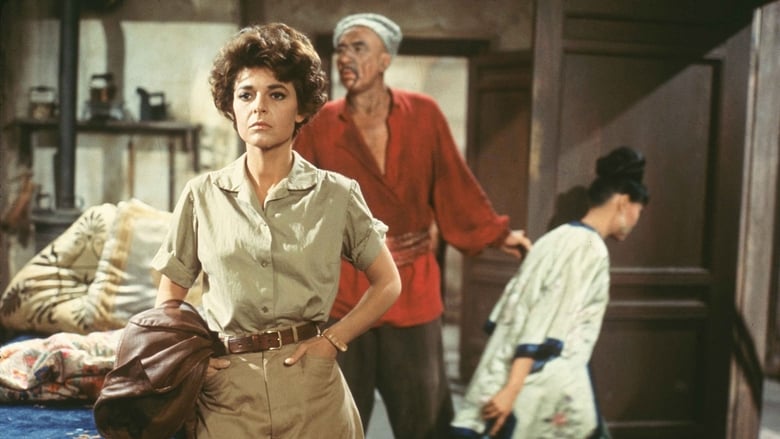
7 Women
In a mission in China in 1935, a group of women are preyed on by Mongolian bandits, led by Warlord chief Tunga Khan.
Filmography
as Self (archive footage)
as Self - 'Lolita' premiere (archive footage) (uncredited)
as ABC Newswoman
as Lynn
as Darlene DeLong
as Jill Nolan
as Wendy Sutherland
as Sylvia Boran
as Kim Denne
as Burnsey
as Ana Vernia
as Angela
as Linda
as Betsy (segment "Miss Lovecraft Sent Me")
as Laura
as Barbara
as Elaine Harper
as Myra Polsen
as Diana Pines
as Bonnie Lee Packard
as Emma Clark
as Charlotte Goodall
as Self
as Dolores "Lolita" Haze
as Blonde with Valentine Card (uncredited)
as Laurie
as Self
as Self