
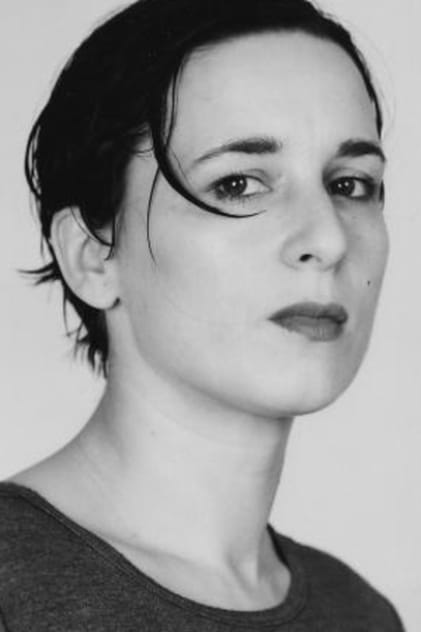
Susanne Sachße
Acting
Biography
Susanne Sachße is a German producer, director, screenwriter and actress.
Born: September 3, 1965
Known For

Gefangen im Analkerker
[Trapped in the Anal Dungeon] A dirty, rotten dump in Berlin. Men have sex with men. Next to overloaded piss urinals hairy hunks pump each other with dicks and fists. Once a stall is occupied, the next best bloke gets a load of piss in his face. This comfort station has a secret: A mean lavatory assistant guards this dungeon. A trap door is the entrance to a basement maze. There is no escape from the dark fucking alleys, only you survive a big load by pumping hard dicks. Lupus also experiences in this vault full of dripping sperm one ass workout after the other to the final climax his big hole really enjoys. Follow us onto the dark alleys into the hot Berlin underground...
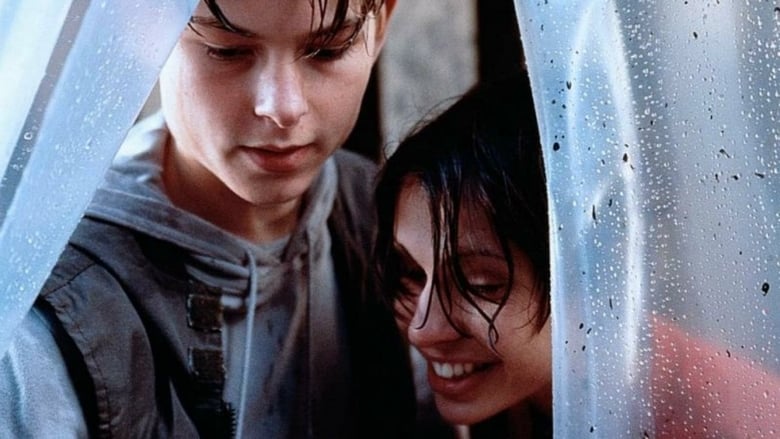
alaska.de
A female teenager witnesses a murder in a desolate high density housing area on the outskirts of Berlin and is henceforth in danger.

No Place to Go
Flanders, a famous female author, travels in 1989 after the fall of the Berlin wall into the German capital. She is deeply depressed by the events because she saw the communist state as a very good thing that has now ended. In the joy of these days she finds no one to understand her, so she has to travel back to Munich. After meeting several people, known and unknown, it seems as if there will be no way to go.
No Place to Go
Flanders, a famous female author, travels in 1989 after the fall of the Berlin wall into the German capital. She is deeply depressed by the events because she saw the communist state as a very good thing that has now ended. In the joy of these days she finds no one to understand her, so she has to travel back to Munich. After meeting several people, known and unknown, it seems as if there will be no way to go.
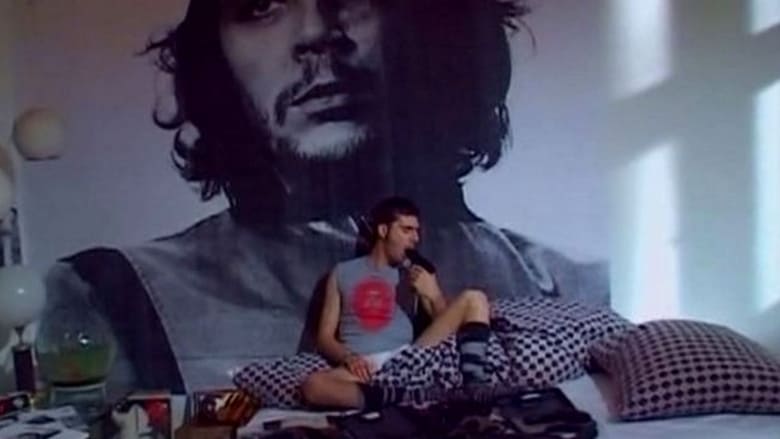
The Raspberry Reich
Gudrun has modeled her amateur German terrorist group after the 1970s Red Army Faction (Baader-Meinhof Gang). She attempts to imitate her heroes by kidnapping the son of a wealthy industrialist and hopes to negotiate leftist demands from the father. When Gudrun’s not spouting leftist verses (including during a hilariously brilliant fuck session), she’s trying to convince her all-male gang to abandon their heterosexuality, which she believes is the result of mass delusion.
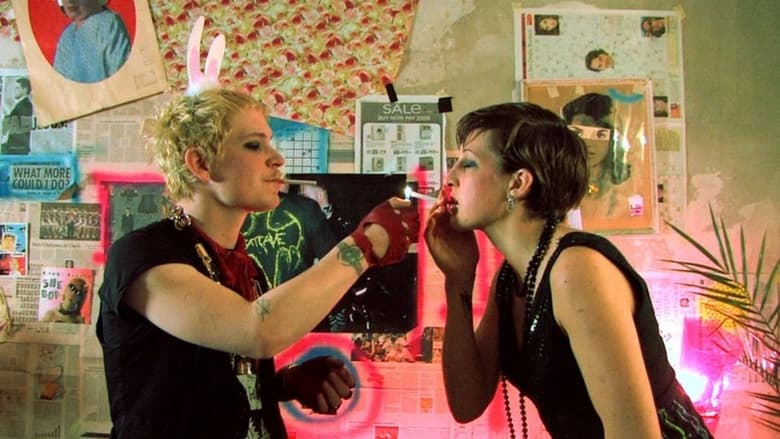
Saturn Returns
Lucy, a privileged North American in contemporary Berlin, living a life of post Punk hedonism, roams the streets with her best friend, Derek. Together they use the city like a playground, a stage, and a never ending party. Into their lives enters Galia, a young Israeli woman carrying the promise of a better, cleaner way of living. A tribute to Punk underground films turns into a melodrama in "Saturn Returns", mirroring Lucy and Galia's modulating states of mind. Our and their look into each other's life and culture, becomes an investigation of empty facades. The film was constructed by both improvised and pre-scripted scenes, as required by the nature of each scene.

Pierrot Lunaire
Invited by the conductor Premil Petrovic to stage Arnold Schoenberg’s Pierrot Lunaire, a musical theater work from 1912 based on the poems of Albert Giraud, LaBruce transposed a strange and tragic episode of true crime onto the composition. Complementing the original atonal score is a narrative about a trans man who is outed by his girlfriend’s father and forbidden from seeing the young woman again. Crestfallen, the protagonist decides to prove the fact of his manhood by castrating a taxi driver and then revealing his newly transplanted member to the two of them. This story, which for LaBruce “serves as a kind of allegory for all gender radicals and outcasts driven to extremes by the disapproval and hostility of the dominant order,” is rendered in a visual style that nods to the era of Schoenberg’s melodrama. LaBruce cheekily appropriates the formal vocabulary of silent cinema with black-and-white photography, irises, and intertitles like “A cock, a cock, my kingdom for a cock!”

The Advocate for Fagdom
The Advocate for Fagdom unites the puzzle pieces one by one. Testimonies are combined with rare archive images. Art galeries present movie extracts that are succeeded by images shot on location. And the other way round. Writers, film makers, art galeries owners, actors and actresses, photographers, producers, friends and loved ones all join in a game of interpretation, analysis or simple anecdotes. John Waters, Bruce Benderson, Harmony Korine, Gus Van Sant, Richard Kern, Rick Castro and others deliver their impressions, theories and confessions. Everything blends into the fascinating portrait of a singular person blessed with singular talents. A complex personality at war not with a system but all systems. The portrait of a man constantly moving between his punk attitude and extreme sensibility.
Otto; or, Up with Dead People
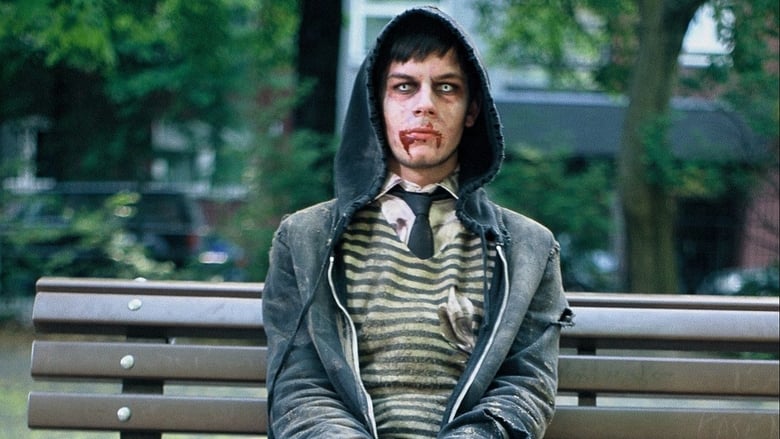
A young zombie named Otto appears on a remote highway. He has no idea where he came from or where he is going. After hitching a ride to Berlin and nesting in an abandoned amusement park, he begins to explore the city. Soon he is discovered by underground filmmaker Medea Yarn, who begins to make a documentary about him with the support of her girlfriend, Hella Bent, and her brother Adolf, who operates the camera. Meanwhile, Medea is still trying to finish Up with Dead People, the epic political-porno-zombie movie that she has been working on for years. She convinces its star, Fritz Fritze, to allow the vulnerable Otto to stay in his guest bedroom. When Otto discovers that he has a wallet that contains information about his past, before he was dead, he begins to remember details about his ex-boyfriend, Rudolf. He arranges to meet him at the schoolyard where they met, with devastating results.
Angst
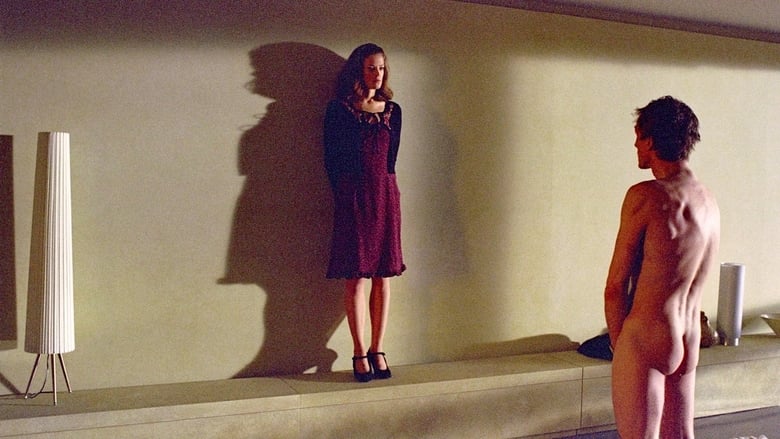
Oskar Roehler's drama Der Alte Affe Angst (Angst) is about the dissolution of a couple. Robert (Andre Hennicke) and Marie (Marie Baumer) have little in common other than their sex life. Since Robert is going through a bout with impotency, they are having a very rocky time. Robert learns that his father, whom he is estranged from, has died. This disturbs Robert so much that he visits a prostitute, and is able to engage in sex with her. Marie discovers the infidelity, and the prostitute has a surprise of her own. Angst was screened at the 2003 Berlin Film Festival.
Filmography
as “Japanese” Woman / Curator
as Ayn Rand
as Big Mother
as Doctor Julia Feifer
as Pierrot Lunaire
as Self
as Theda Lange
as Joan Genova
as Hella Bent / Lascivious Ballet Dancer #2
as Silvia Stein
as (segment "Martina") (as Susanne Sachsse)
as Gudrun (as Susanne Sachsse)
as Naked woman
as Sabine's mother
as Publisher
as Annett York
as Heidi Kopka