
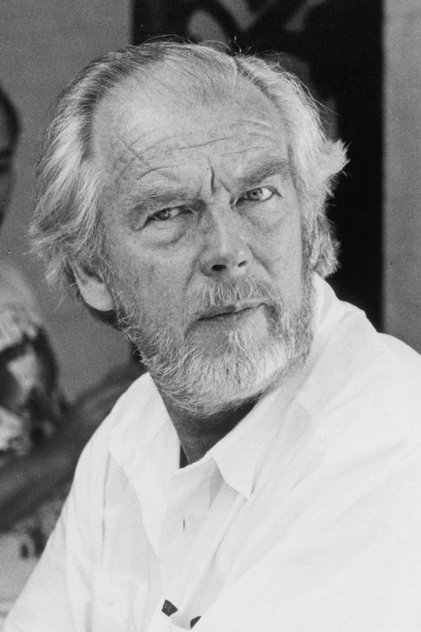
Sven Nykvist
Camera
Biography
Sven Vilhem Nykvist (3 December 1922 – 20 September 2006) was a Swedish cinematographer. He worked on over 120 films, but is known especially for his work with director Ingmar Bergman. He won Academy Awards for his work on two Bergman films, Cries and Whispers (Viskningar och rop) in 1973 and Fanny and Alexander (Fanny och Alexander) in 1983, and the Independent Spirit Award for Best Cinematography for The Unbearable Lightness of Being. His work is generally noted for its naturalism and simplicity. He is considered by many to be one of the greatest cinematographers of all time. In 2003, Nykvist was judged one of history's ten most influential cinematographers in a survey conducted by the International Cinematographers Guild.
Born: December 3, 1922
Place of Birth: Moheda, Kronobergs län, Sweden
Known For
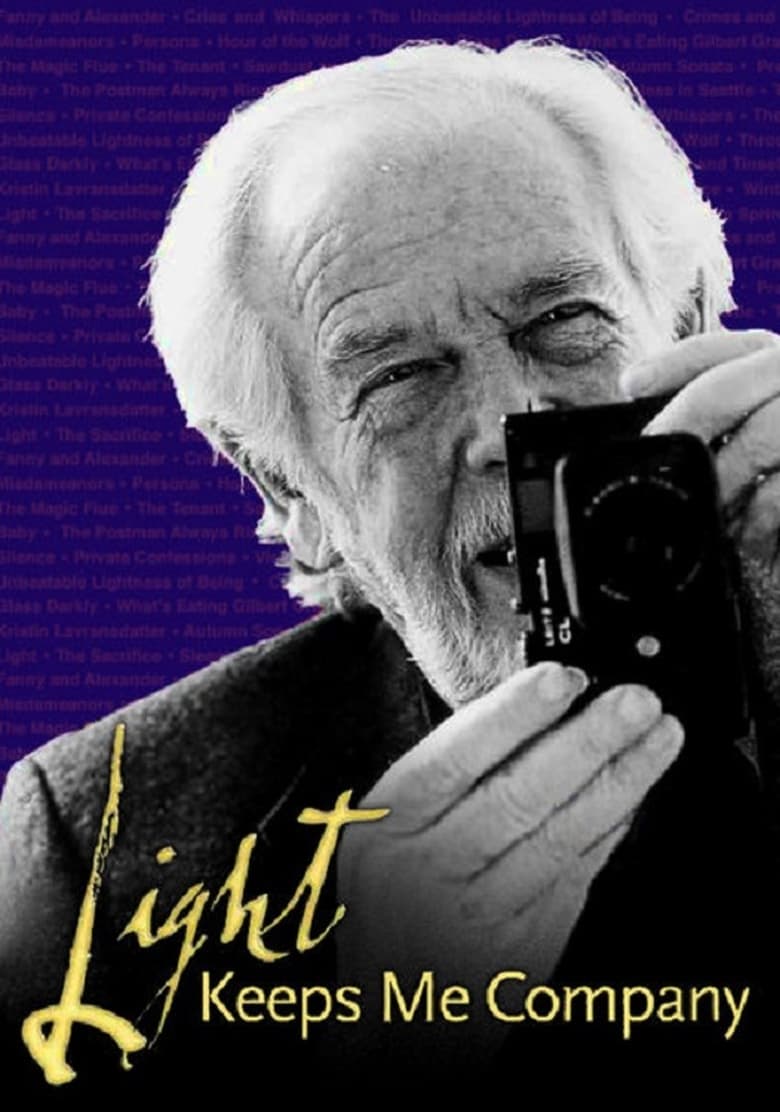
Light Keeps Me Company
Carl-Gustaf Nykvist's documentary about his father, Sven Nykvist. The film is based on Sven's memoirs with Sven himself as narrator. A journey to the place of birth, Moheda, constitutes the hub of the film and during the journey friends and memories emerge. Written by Fredrik Klasson

Directed by Andrei Tarkovsky
This documentary offers a rare glimpse of the legendary Soviet filmmaker, Andrei Tarkosvky, at work. Tarkovsky made only seven films in his brief, but brilliant, career; Michal Leszczylowski's respectful movie chronicles him at work on his last film, The Sacrifice. Offering insight into Tarkovsky's working methods and transcendental aesthetics, the movie is a compelling account of the difficulties of film production. In the case of an uncompromising and visionary filmmaker like Tarkovsky, the practical problems of filmmaking are only magnified, as cast and crew struggle to realize the ambitious concepts in Tarkovsky's mind.
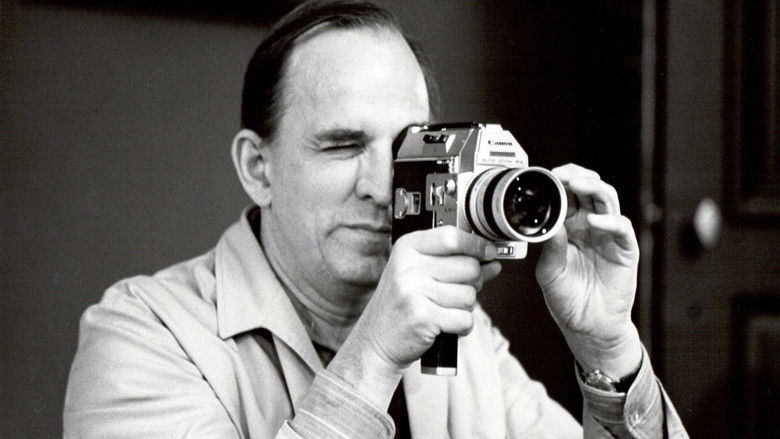
Ingmar Bergman Makes a Movie
The year is 1961 and Ingmar Bergman is making a movie. While planted on the scene as apprentice to Bergman, Vilgot Sjöman (director, I Am Curious–Yellow, 1967), suggests to Swedish Television that they take the opportunity to record with the acclaimed director. In August, Sjöman and the television crew begin to capture what would become a comprehensive five-part documentary on the making of Winter Light, offering views of script development, set construction and lighting, rehearsals and editing, as well as intimate conversations with Bergman and members of his cast and crew. Footage from the film’s Swedish premiere delivers immediate audience reactions and the critics’ reviews the following day.
The Magic Flute
The Queen of the Night enlists a handsome prince named Tamino to rescue her beautiful kidnapped daughter, Princess Pamina, in this screen adaptation of the beloved Mozart opera. Aided by the lovelorn bird hunter Papageno and a magical flute that holds the power to change the hearts of men, young Tamino embarks on a quest for true love, leading to the evil Sarastro's temple where Pamina is held captive.
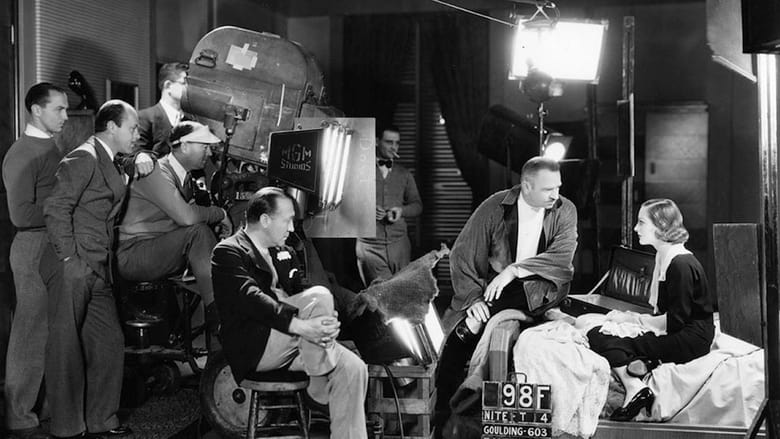
Visions of Light
Cameramen and women discuss the craft and art of cinematography and of the "DP" (the director of photography), illustrating their points with clips from 100 films, from Birth of a Nation to Do the Right Thing. Themes: the DP tells people where to look; changes in movies (the arrival of sound, color, and wide screens) required creative responses from DPs; and, these artisans constantly invent new equipment and try new things, with wonderful results. The narration takes us through the identifiable studio styles of the 30s, the emergence of noir, the New York look, and the impact of Europeans. Citizen Kane, The Conformist, and Gordon Willis get special attention.
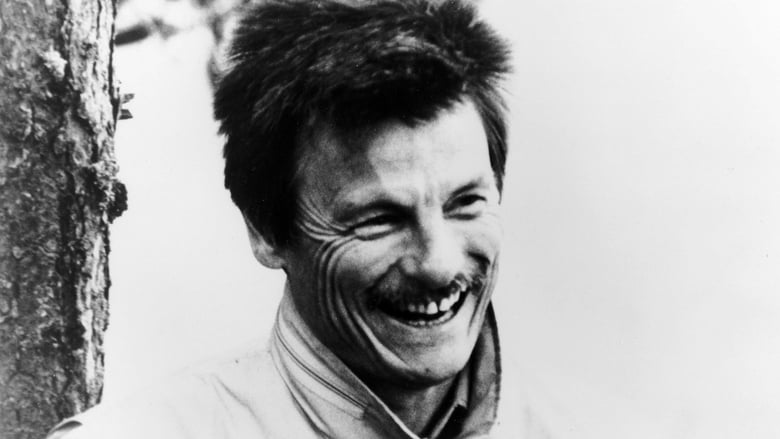
One Day in the Life of Andrei Arsenevich
Chris Marker’s portrait of Russian filmmaker Andrei Tarkovsky documents the director at work on his final film, The Sacrifice, during the last year of his life. Interweaving behind-the-scenes footage with excerpts from Tarkovsky’s earlier works, Marker crafts a moving reflection on the artist’s vision, methods, and enduring legacy.
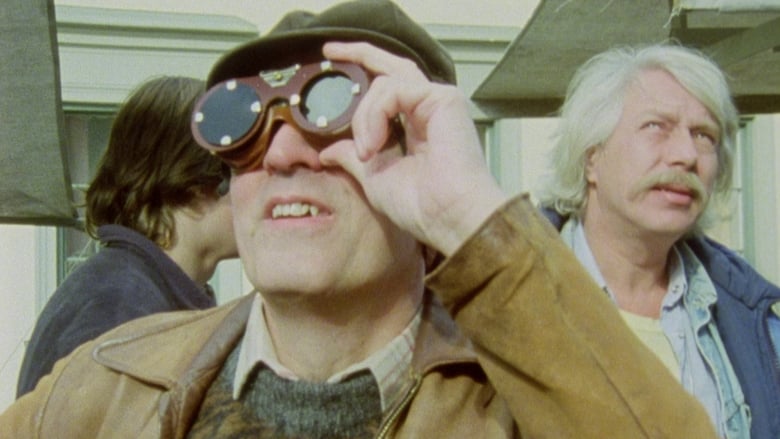
The Making of Fanny and Alexander
Shot during the making of Fanny and Alexander, this feature-length documentary presents extended behind-the-scenes material from rehearsals and filming sessions, with Bergman at work staging scenes and directing performances. The film focuses on the practical process of production, including collaboration with the principal cast and key crew members such as cinematographer Sven Nykvist and on-set documentarian Arne Carlsson.
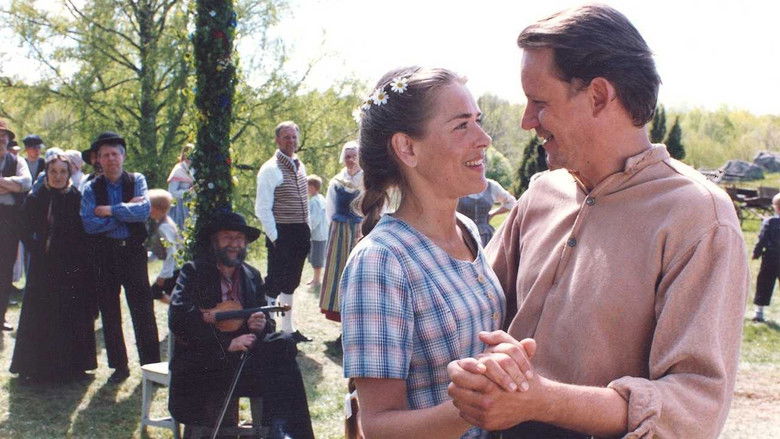
The Ox
In desperation brought on by near-starvation, Helge Roos kills his master's ox to feed his wife and baby daughter, setting off a devastating and unexpected chain of events.
Lumière & Company
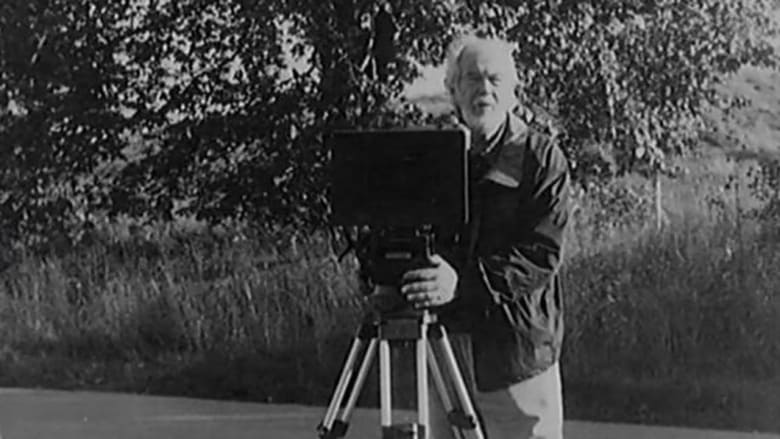
40 international directors were asked to make a short film using the original Cinematographe invented by the Lumière Brothers, working under conditions similar to those of 1895. There were three rules: (1) The film could be no longer than 52 seconds, (2) no synchronized sound was permitted, and (3) no more than three takes.
… But Film Is My Mistress
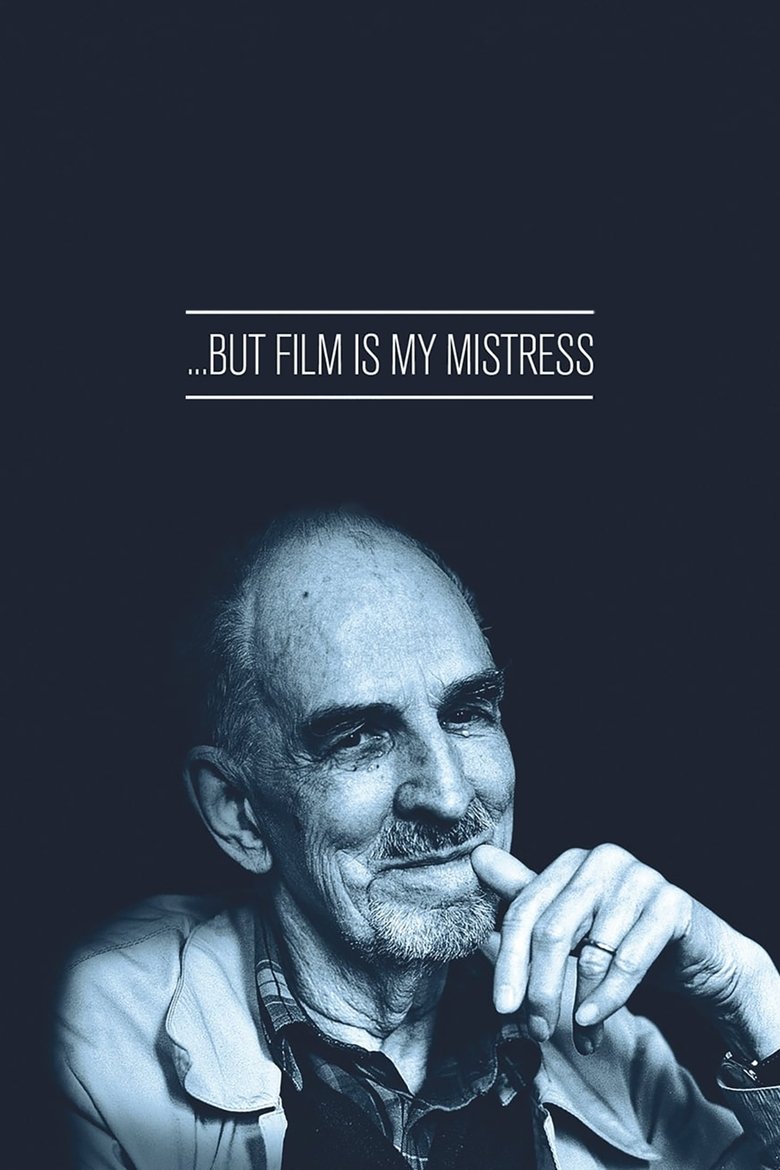
Guided by Liv Ullmann and with commentaries from a number of prominent filmmakers for whom Bergman is and remains an important influence - such as Woody Allen, Olivier Assayas, Bernardo Bertolucci, Arnaud Desplechin, John Sayles, Martin Scorsese and Lars von Trier, the film provides a vivid portrait of the artist who in each new project found a challenge for himself and for the people he worked with - both actors and colleagues behind the camera.
Filmography
as Self
as Self
as Self
as Self - Cinematographer of 'Offret' (uncredited)
as (segment "Liv Ullman")
as Self
as Self
as Shop Owner (voice) (uncredited)
as Self
as Self
as Self
as Man in Audience (uncredited)
as Self
as Self
as Self