
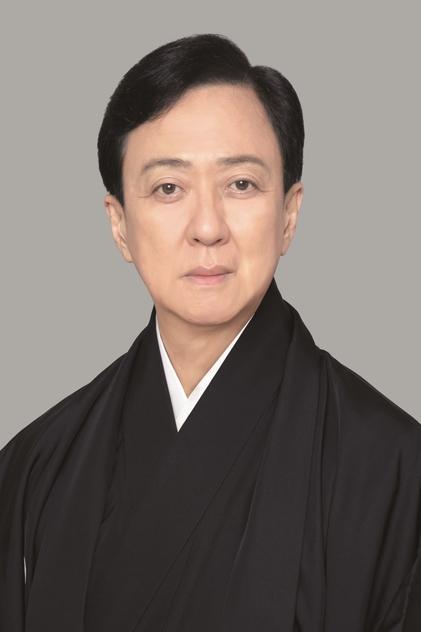
Tamasaburō Bandō V
Acting
Biography
Kabuki actor, and the most popular and celebrated onnagata (an actor specializing in female roles) currently on stage. He has also acted in a handful of films. Born in 1950, Shin'ichi Morita was adopted by Morita Kan'ya XIV, and made his first appearance on stage at the age of seven, under the name Bandō Kinoji. At a shūmei (naming ceremony) in 1964 he became the fifth to take the name Bandō Tamasaburō; his adoptive father had been the fourth. In 1993, he directed the film Yearning, which was entered into the 43rd Berlin International Film Festival
Born: April 25, 1950
Place of Birth: Tokyo, Tokyo, Japan
Known For
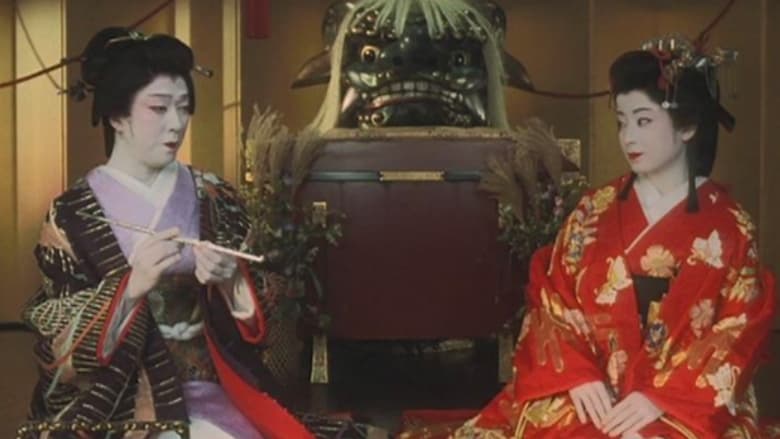
The Tale of Himeji Castle
A young samurai dares to approach a castle mistress as he searches for an escaped falcon, a crime punishable by death, but escapes with his life. He is forced to return to the castle by the dying light, but the mistress has become fascinated with him...
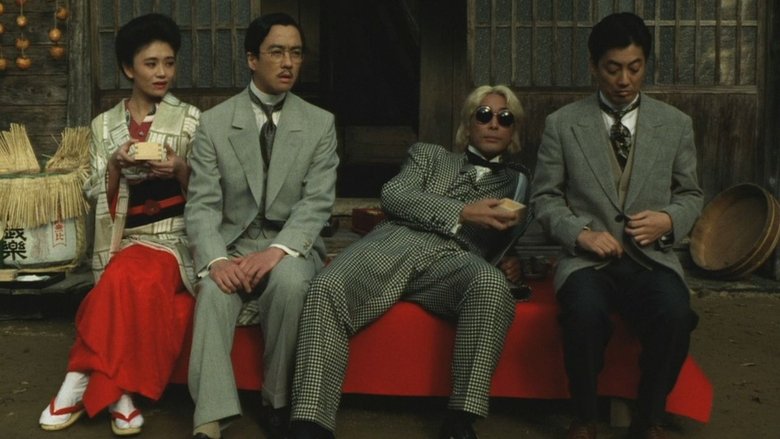
Yumeji
Following the life of Japanese artist and poet Yumeji Takehisa through the imagining of an encounter with a beautiful widow with a dark past.

Nastazja
Andrzej Wajda's Japanese-language film based on the last chapter of Dostoevsky's Idiot, in which Prince Myshkin and Rogozhin return to the past in a conversation over the dead body of Nastassya Filippovna. Bando Tamasaburo, regarded as one of the most outstanding female impersonators in Japanese theater, plays the dual role of Myshkin and Nastassya.
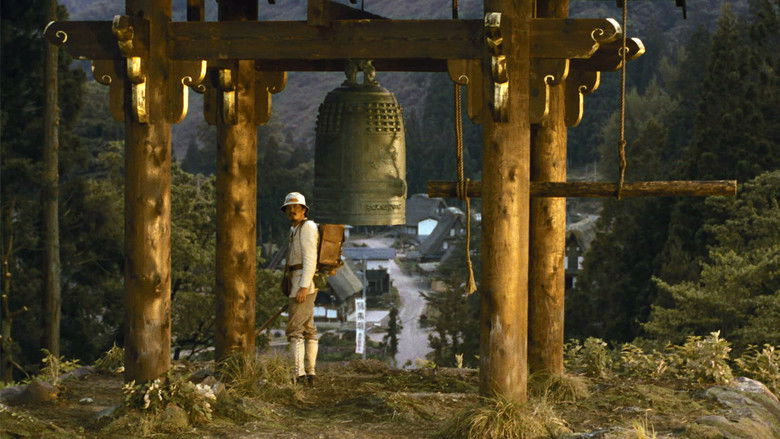
Demon Pond
When a lone traveler stumbles upon a remote, drought-stricken village, he finds himself engulfed in a whirlpool of myth, mystery, and magic: in a nearby pond reside spirits who hold the fate of the town’s inhabitants, including lovers Akira and Yuri, in their hands.
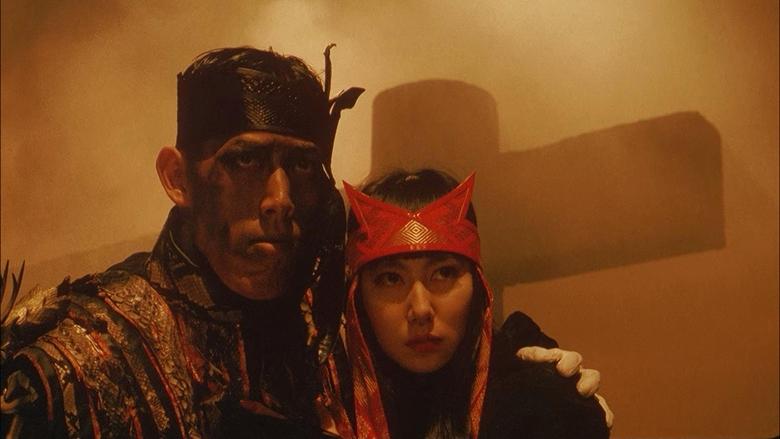
Tokyo: The Last Megalopolis
A demonic reincarnation of a Japanese general from the 10th century appears in the early 20th century Tokyo with a mission to destroy the blooming city.

Ume Goyomi
The main story concerns the rivalry between Adakichi and Yonehachi, two geisha of the Fukagawa district of Edo, for the love of the handsome and gentle Tanjirô. This situation gives rise to a number of highly entertaining scenes when, for example, in a fit of jealous rage Yonehachi tramples on the brand new haori coat that Adakichi has just presented to Tanjirô, or when, by way of revenge, Adakichi manages to beat Yonehachi over the head with a geta clog in an amusing parody from the famous highlight from "Kagamiyama Kokyô no Nishikie".
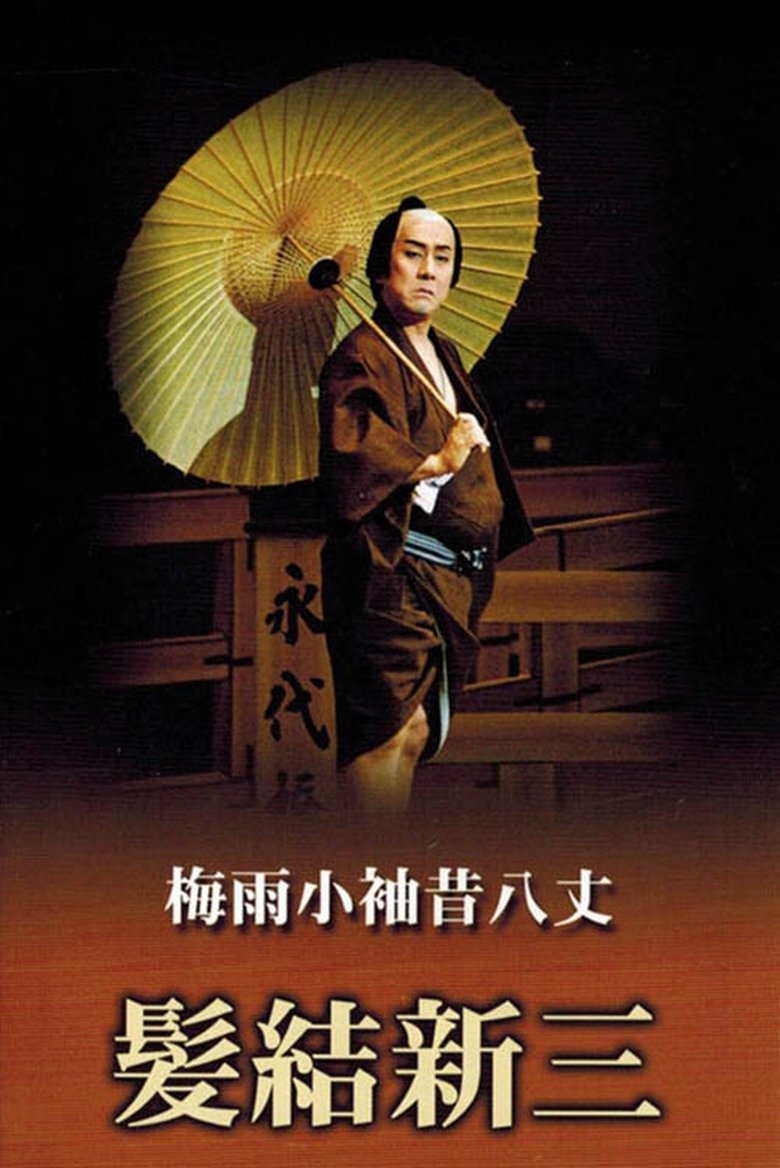
Masterpieces of Kabuki Theater: Shinza the Barber
This Sewamono, written by Kawatake Mokuami, is commonly called "Kamiyui shinza" from the name of its hero. Shinza has enticed Chushichi, the Shirakoya clerk, to aid him in kidnapping Okuma, daughter of the Shirakoya's owner. Shinza sent back Yatagoro Genshichi, the gang leader who came to negotiate with him, but the landlord Chobe who comes to see Shinza is more than Shinza can cope with, and Shinza decides to release Okuma in exchange for 30 ryo in cash. But Chobe talks Shinza down and cheats him out of 15 ryo and half of a large bonito. Later, Genshichi ambushes Shinza and kills him to avenge the humiliation he suffered because of Shinza. Usually this work is performed from the 'Shirakoya misesaki' scene in which Shinza persuades Chushichi to join his plot, to the 'Fukagawa emmadobashi' scene in which Genshichi takes his revenge on Shinza.
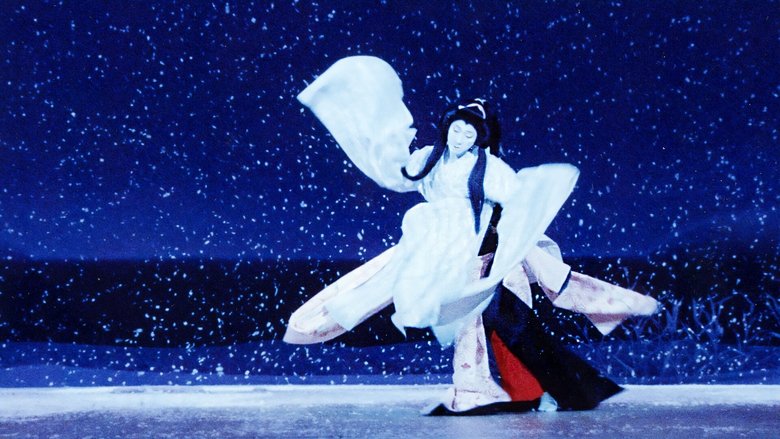
The Written Face
In Japanese theater, women's roles are traditionally played by men. The man playing the woman's role, the Onnagata, does not imitate the woman, as in the West, but tries to capture her significance. He need not stick close to his model, but draws far more from his own identity - a shift of value takes place, which is nonetheless not a step beyond. THE WRITTEN FACE is an attempt to offer an insight into the Japanese Kabuki star Tamasaburo Bando, one of the last defenders of this ancient and disappearing performing tradition.
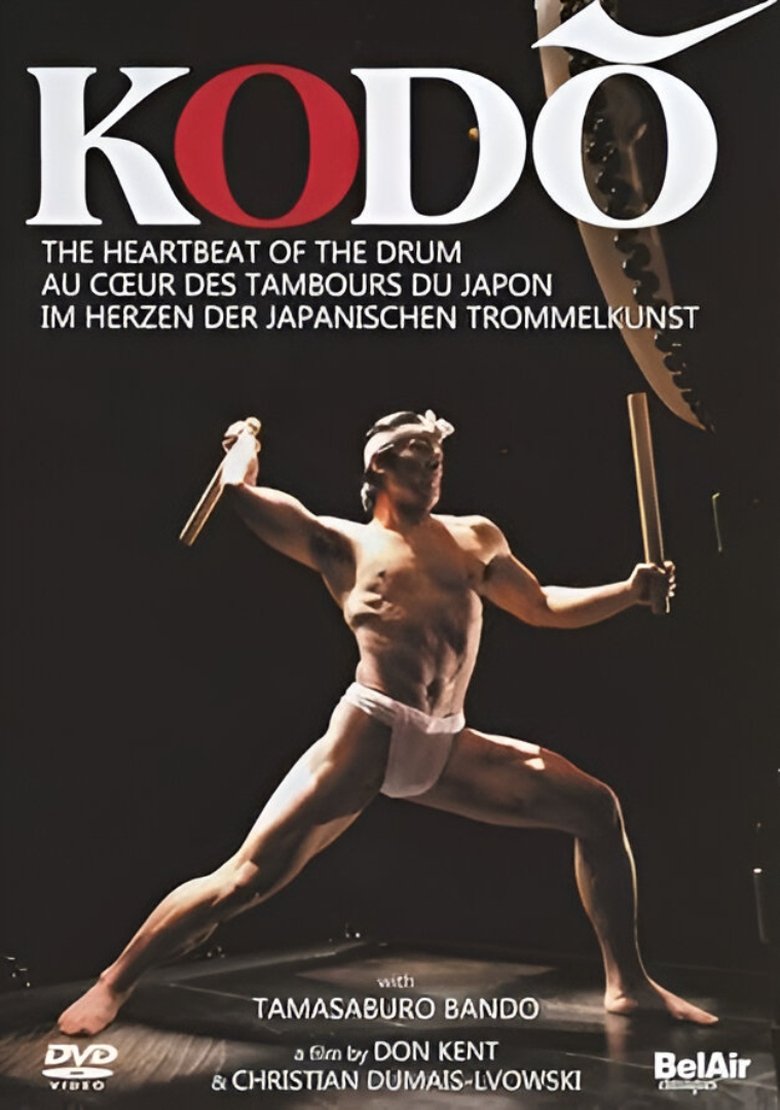
Kodō: The Heartbeat of the Drum
KODO – THE HEARTBEAT OF THE DRUM takes us deep into the world of Japan’s famed KODO company of percussionists and its school on the island of Sado. As the seasons go by we share the lives of teenagers who for two years commit themselves totally to the fulfilment of their dream: that of becoming a fully-fledged member of the KODO troupe. The only one of its kind in the world, this is a school that teaches not just an art form, but an entire way of life. The artistic director of the KODO ensemble is Tamasaburo Bando, the famous kabuki actor/dancer and Living National Treasure.
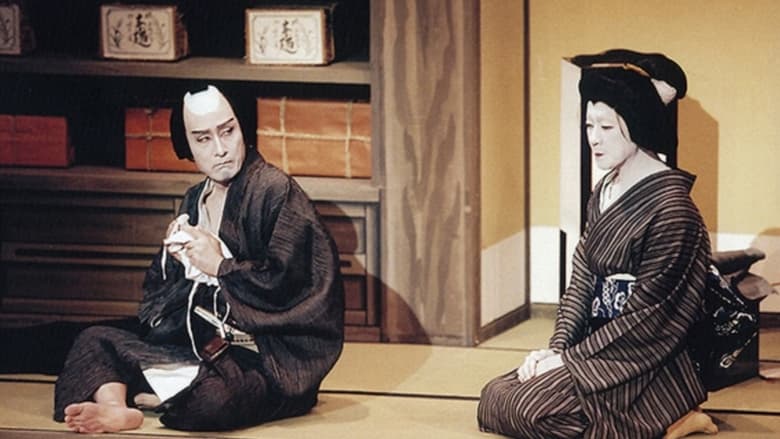
Cinema Kabuki Ghost Story: Peony Lantern
Kabuki performance of the story “Peony Lantern”.
Filmography
as Self
as Prince Myshkin / Nastasya Filippovna
as Onshu Inamura
as Kyoka Izumi
as Yuri / Princess Shirayuki