
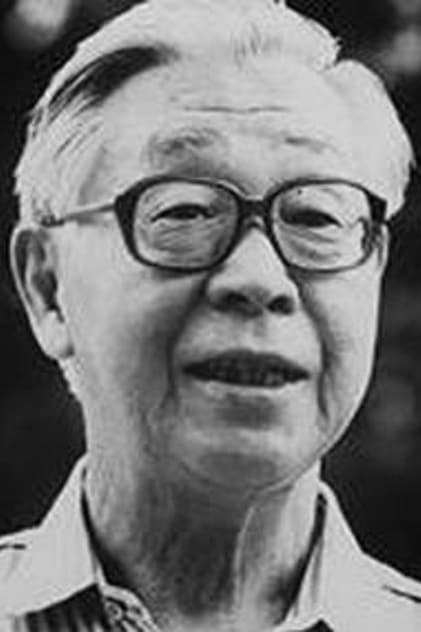
Tatsuo Matsumura
Acting
Biography
Tatsuo Matsumura (松村 達雄 Matsumura Tatsuo, 18 December 1914 – 18 June 2005) was a Japanese actor. He appeared in more than seventy films from 1960 to 2004 and performed in several editions of the film series Otoko wa Tsurai yo.
Born: December 18, 1914
Place of Birth: Yokohama, Kanagawa, Japan
Known For
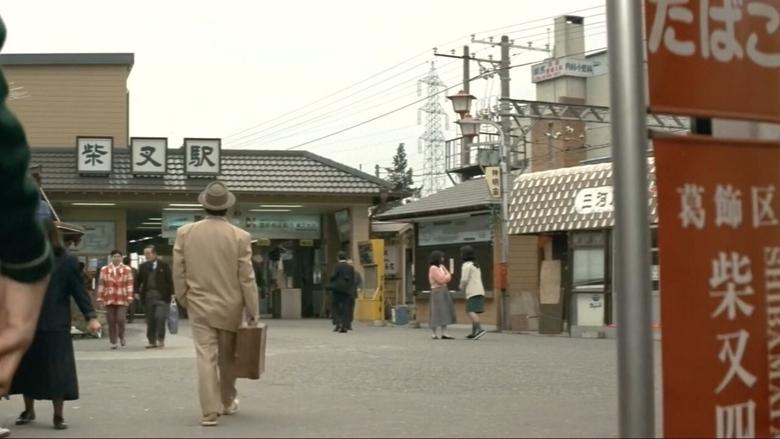
Tora-san Plays Daddy
A playboy-gambler friend of Tora-san’s dies and, abandoned by his mother, his little boy suddenly turns up in Shibamata. Searching for the boy’s mother, Tora-san meets a cosmetics saleslady and the three become a surrogate family, with Tora-san as “daddy”.
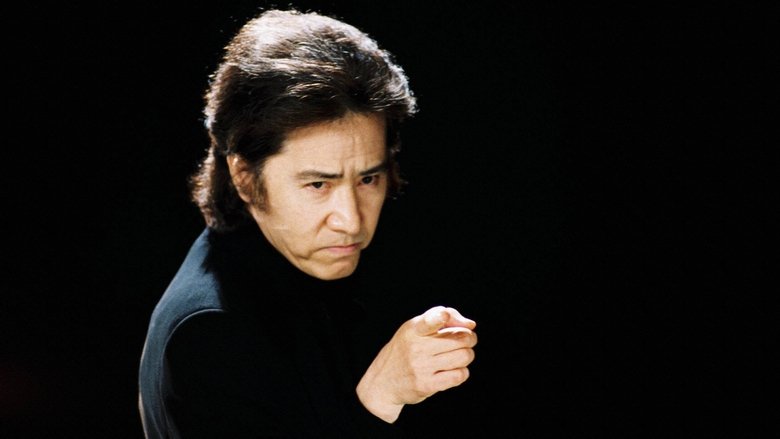
Furuhata Ninzaburo
Furuhata Ninzaburō is a Japanese television series that ran periodically on Fuji Television from 1994 until its final episodes in 2006. It was written by Japanese playwright Kōki Mitani and is often referred to as the Japanese version of Columbo. The series is a police detective drama starring actor Masakazu Tamura as Furuhata Ninzaburo and Masahiko Nishimura as his stereotypically bumbling sidekick, Shintaro Imaizumi. The program aired weekly and featured a guest villain each time, usually a famous talent in Japan. Pop-stars like SMAP, television hosts like Sanma Akashiya and even sports figures like Ichiro Suzuki have been featured on this program. It was one of the most popular television dramas in the history of Japanese television, having spawned several seasons and TV specials.
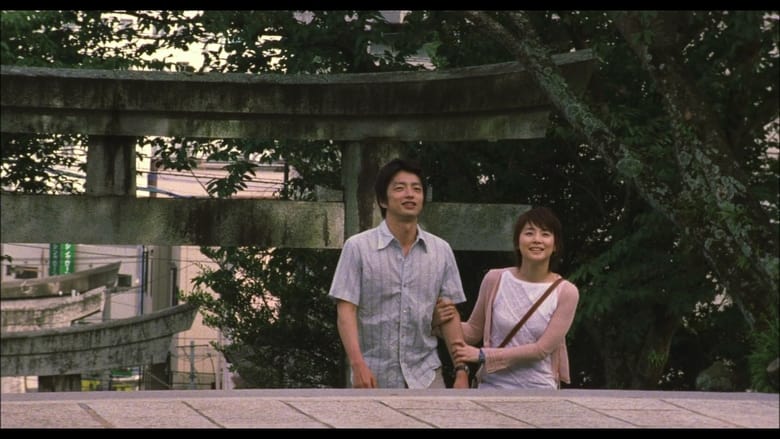
Milk White
Takayuki (Takao Osawa) is an elementary school teacher in Tokyo. He is seized with Behçet's syndrome, and will gradually lose his sight. He resigns from his job and leaves his girlfriend, Yoko (Yuriko Ishida) to return to his hometown, Nagasaki, where his mother lives. Takayuki spends his days strolling around Nagasaki, to imprint familiar scenes on his memory. Yoko visits him and insists on staying. Takayuki has major concerns for her future, and his own life. He drives her away, for her own good. After days of affliction, the two reunite. The story leads to an emotive conclusion, the end of his spiritual journey.

Bakeneko: A Vengeful Spirit
Nabeshima Naoshige murders his lord, Ryuzoji Takafusa, seeking to gain power and steal his Lord’s wife. To avoid her fate, Lady Takafusa drowns herself along with her cat in a nearby marsh. A decade later, Naoshige’s efforts to steal another woman trigger a curse on him when she also commits suicide at the same marsh — forcing him to suffer the consequences of his past actions.

Tora-san, the Matchmaker
Tora-san helps out a runaway bride.
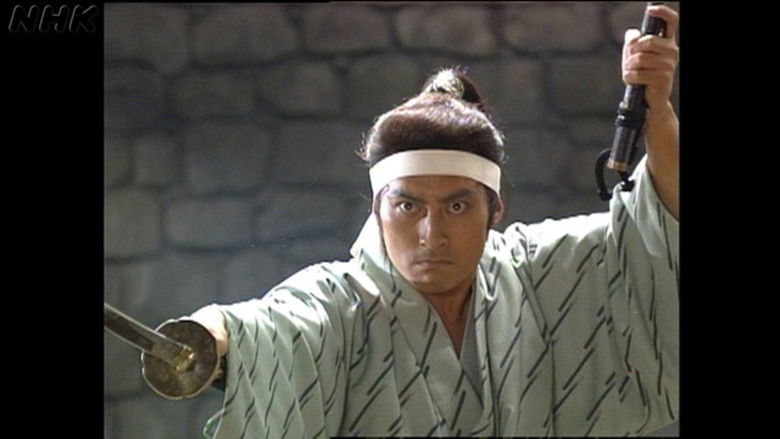
Ganryujima: Kojiro and Musashi
In the 16th Year of Keityo (1611), the lord of Ogura Castle in Kyushu admitted Sasaki Kojiro's because of his great sword techniques. However, a group within the feudal clan which supported to use guns considered Kojiro an obstacle in their goals and has the well-known ronin, Miyamoto Musashi, fight him. Now because of political gain and greed, two honorable men are to fight to the death on Ganryu Island.
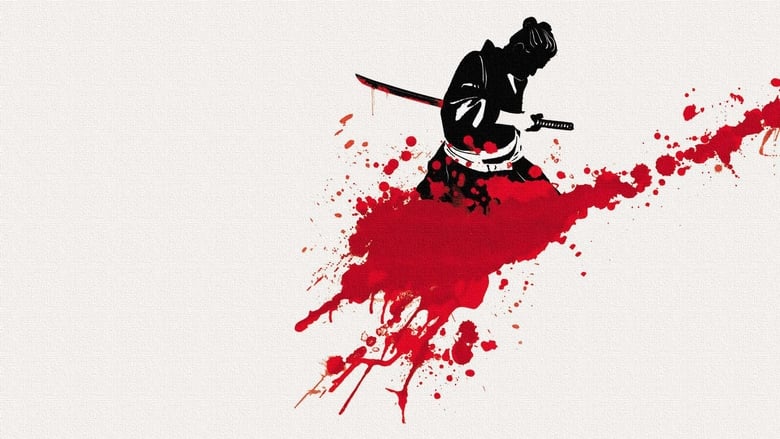
Harakiri
Down-on-his-luck veteran Tsugumo Hanshirō enters the courtyard of the prosperous House of Iyi. Unemployed, and with no family, he hopes to find a place to commit seppuku—and a worthy second to deliver the coup de grâce in his suicide ritual. The senior counselor for the Iyi clan questions the ronin’s resolve and integrity, suspecting Hanshirō of seeking charity rather than an honorable end. What follows is a pair of interlocking stories which lay bare the difference between honor and respect, and promises to examine the legendary foundations of the Samurai code.
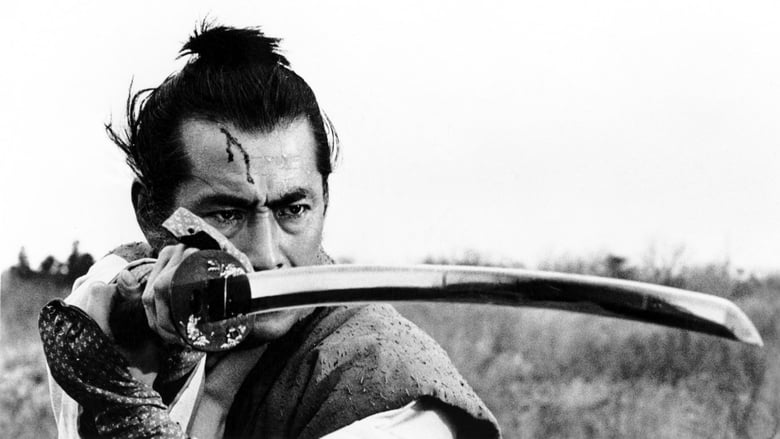
Samurai Rebellion
The mother of a feudal lord's only heir is kidnapped away from her husband by the lord. The husband and his samurai father must decide whether to accept the unjust decision, or risk death to get her back.
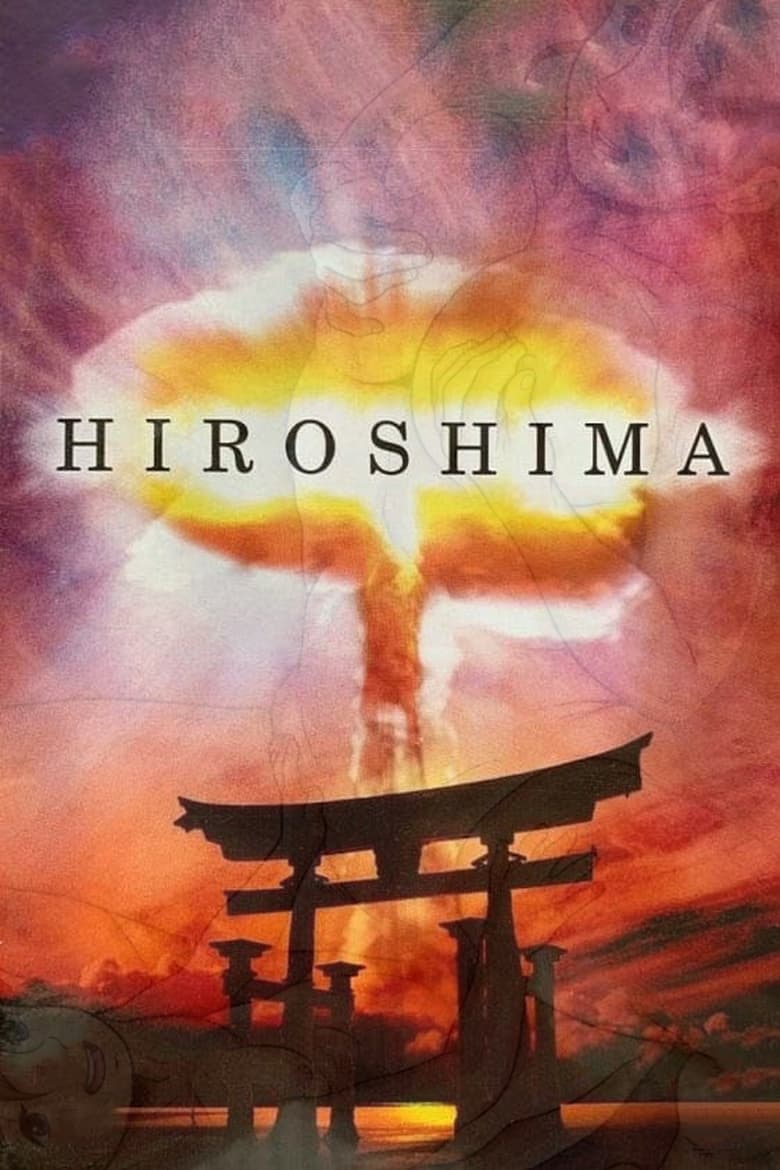
Hiroshima
Hiroshima is a 1995 Japanese / Canadian film directed by Koreyoshi Kurahara and Roger Spottiswoode about the decision-making processes that led to the dropping of the atomic bombs by the United States on the Japanese cities of Hiroshima and Nagasaki toward the end of World War II. Except as actors, no Americans took part in the production. The three-hour film was made for television and evidently had no theatrical release, but is available on DVD for home viewing. A combination of dramatisation, historical footage, and eyewitness interviews, the film alternates between documentary footage and the dramatic recreations. Both the dramatisations and most of the original footage are presented as sepia-toned images, serving to blur the distinction between them. The languages are English and Japanese, with subtitles, and the actors are largely Canadian and Japanese.
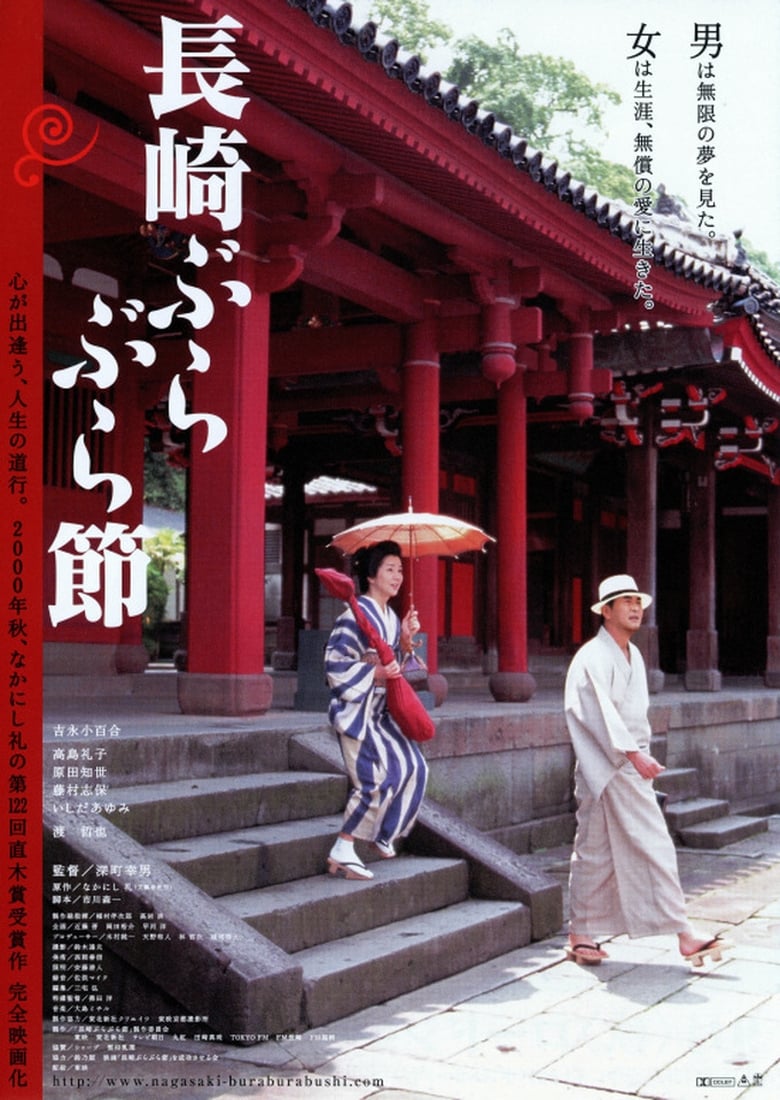
It Is a Long Walk
Screen icon Sayuri Yoshinaga stars in this historical melodrama about geishas in the southern city of Nagasaki set during the 1920s. Though she was sold to a geisha house at a young age, Aihara (Yoshinaga) has since become a master samisen player and woman of great elegance. Though not especially rich, she doles out money to street kids, in particular, a pretty young flower vendor named Oyuki, who becomes Aihara's godchild of sorts. Yet when a geisha (Reiko Takashima) from a rival red-light district insults Aihara and her brethren, she fights back. Soon an all-out geisha war looms. Dapper businessman and amateur scholar Tojiro Koga (Tetsuya Watari) appears on the scene and defuses tempers -- suggesting that difference be settled through a competition of artistic abilities. Smitten with her talent and mature beauty, Koga invites Aihara to record Nagasaki folk songs before they disappear forever
Filmography
as Seiji Agata
as Jii Sekkyo-Bushi
as Seiichiro Hirasawa
as Kaito Urabé
as Prime Minister Kantaro Suzuki
as Yahê Horibe
as Prof. Hyakken Uchida
as Miyamoto Muninosuke
as Jinsaku Kiyohara
as Kikuta
as Principal
as the Professor
as Yukio Azuma
as the Rendaiji Priest
as Masao Harayama
as Hayashi
as Reikichi
as Chinese herbal doctor Koan
as Kuruma
as Ryuzo Kuruma
as Tatsuzō
as Uncle
as Doctor Yamashita
as Kyota Watanaka
as Tsuyama Mataemon
as Chief Detective Kasahara
as Tahe
as Lord Masakata Matsudaira
as Hikonosuke Isono
as Dr. Akira Makino (uncredited)
as Dr. Makino
as Executive Tsuzawa
as Editor Ikeda
as Doctor