
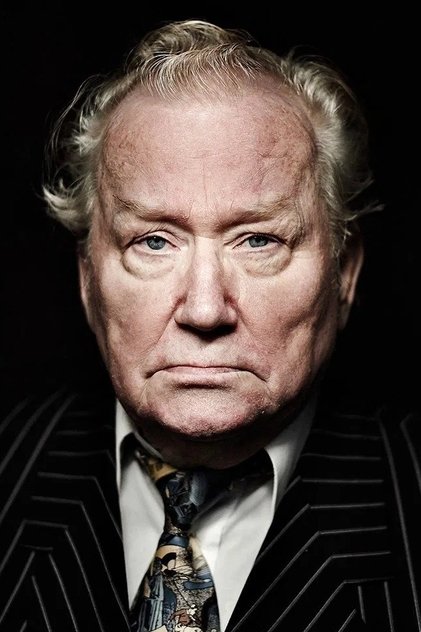
Tõnu Aav
Acting
Biography
Tõnu Aav (January 21, 1939 – August 14, 2019) was an Estonian stage, film, TV, and radio actor. Aav was born in Tallinn and graduated from the Estonian Academy of Music and Theatre in 1961. From 1961 he performed at the Estonian Drama Theatre in Tallinn. He played in dozens of films and twenty screenplays and also recorded a number of radio play and audio CDs (including Uncle Remus stories and Alice in Wonderland) as well as a recurring role as Feliks Viss on the ETV dramatic series Õnne 13. From 1965 until 1974 Aav was married to actress Irja Aav (née Pilvet). The couple had two sons, music producer and conductor Lauri Aav and prop maker Ardi Aav.
Born: January 21, 1939
Place of Birth: Tallinn, Harju County, Estonia
Known For
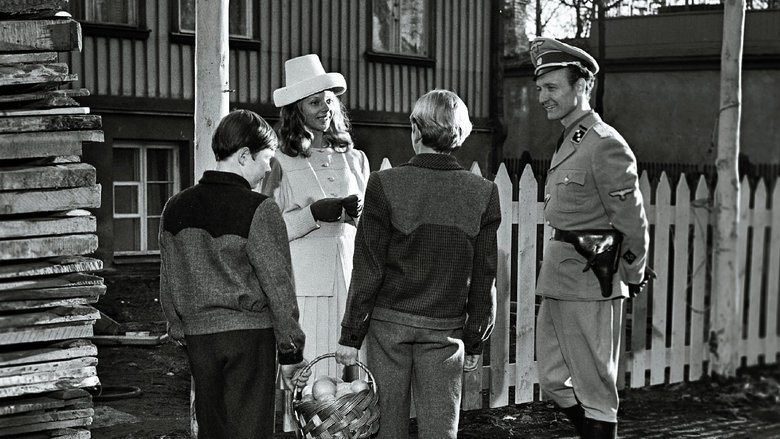
Fire in the Night
Ülo and Olev think the German occupation is humiliating and the soldiers are arrogant. But even among Estonians there are people who cannot be trusted - this can have fatal consequences. Witty schoolboys find out that Mr Velirand, who has moved in the apartment that once belonged to their teacher, is a henchman of Fascists. The boys make up their minds to give people warning about the provocator, even if the rebellion is risky and their opponent superior, as it had been in the St George's Night Uprising in 1343.

Liberation: The Fire Bulge
The "Fiery Arc" tells of a grandiose battle on the Kursk Bulge in the summer of 1943. Here was the largest tank battle in the history of World War II. Along with the personal fate of the heroes, the film shows battle scenes, the activities of headquarters and intelligence, those who worked at the front and in the rear.
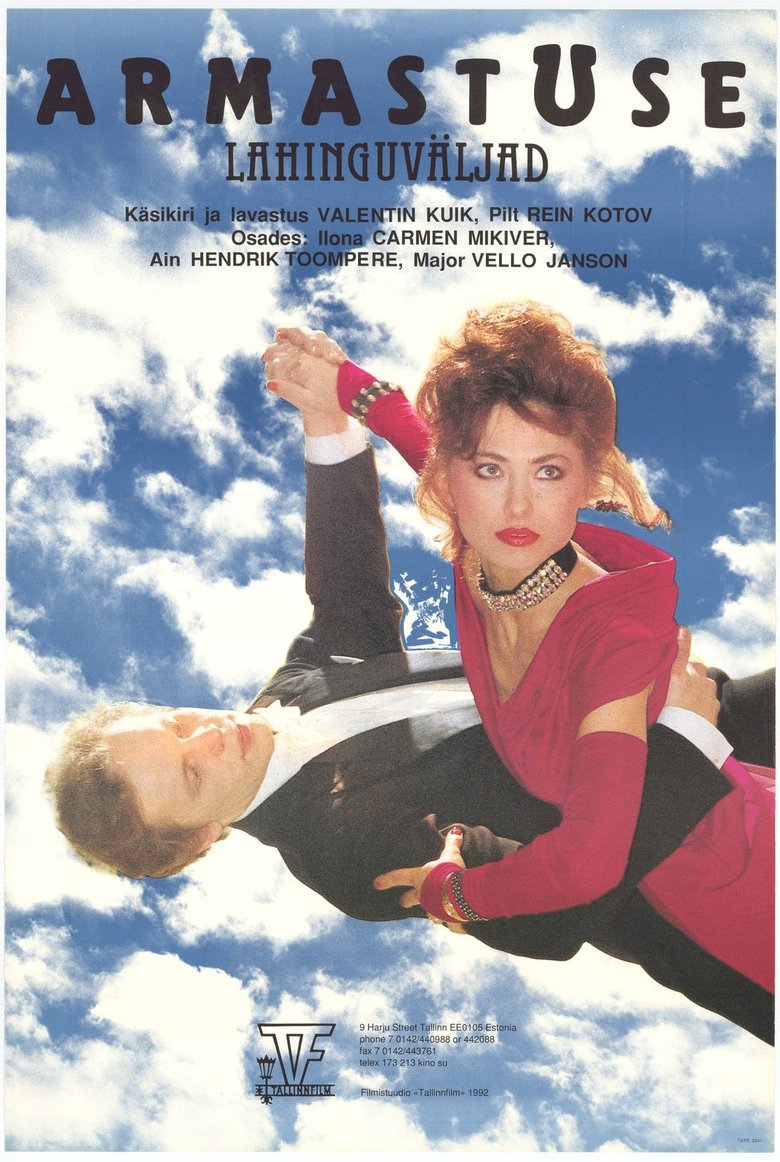
Armastuse lahinguväljad
When the doorbell rang late night during the Soviet times, if was often the sign of military recruitment. The chain of events in the film begins from the fatal ring at the door, putting the marriage of a young photographer and his beautiful wife to the test. Being afraid of the army, the young family try to escape the situation. However, they are drifting away from freedom.

Lurich
Georg Lurich was a world-famous Estonian professional wrestler in the early 1900-s who became a legend already in his lifetime. He was called not only the world's best technique-wrestler but he was also a sports-philosopher, health and temperance activist, an efficient sports manager, a talent in acting, writing and chess, a "world's citizen" who spoke more than ten languages and an athlete with enormous popularity. At least 14 wrestling clubs in Europe and USA carried his name. This film is an unpretentious attempt to recall that unique man, the first world-famous Estonian.
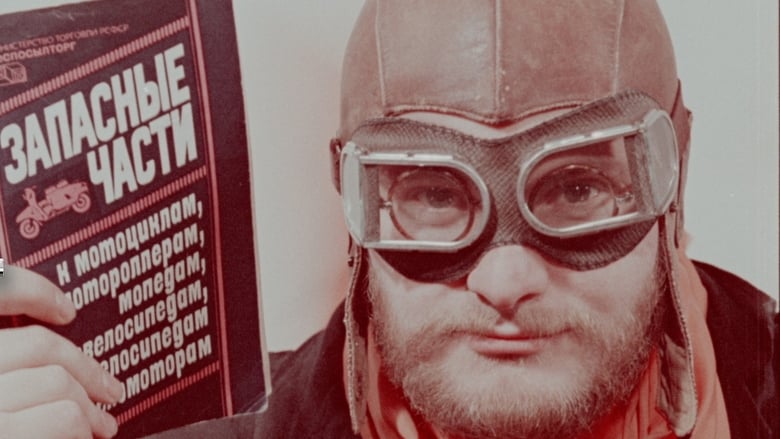
The Gold Spinners
The Gold Spinners is a story about the birth, glory, and disappearance of a peculiar, invisible, and mighty business empire, the film studio Eesti Reklaamfilm, the only company producing commercials in the Soviet Union.

Revenge Office
A group of women create an organization named "Kättemaksukontor" to fight for the rights of women and help solve murder mysteries for the police.
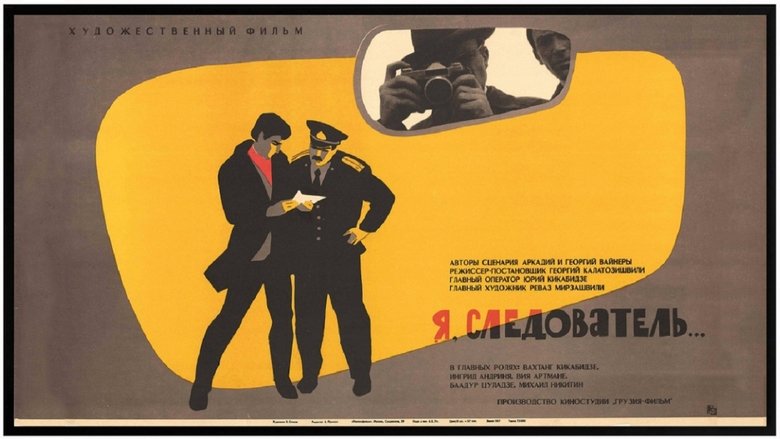
I, The Investigator
A seriously injured young man was found on a Georgian military road. Investigator Georgy Mikeladze finds out that the victim - the navigator of the Tallinn Shipping Company - was rolling in his new Volga on vacation days. The investigator goes to the criminal and, having connected employees of the Riga criminal investigation department to the case, arrests the robber.

The Firewater
At the end of the 1920-s the Finnish government proclaimed dry law which lasted 12 years. Estonian bootleggers living on the neighboring coast of the Gulf of Finland profited from prohibition......
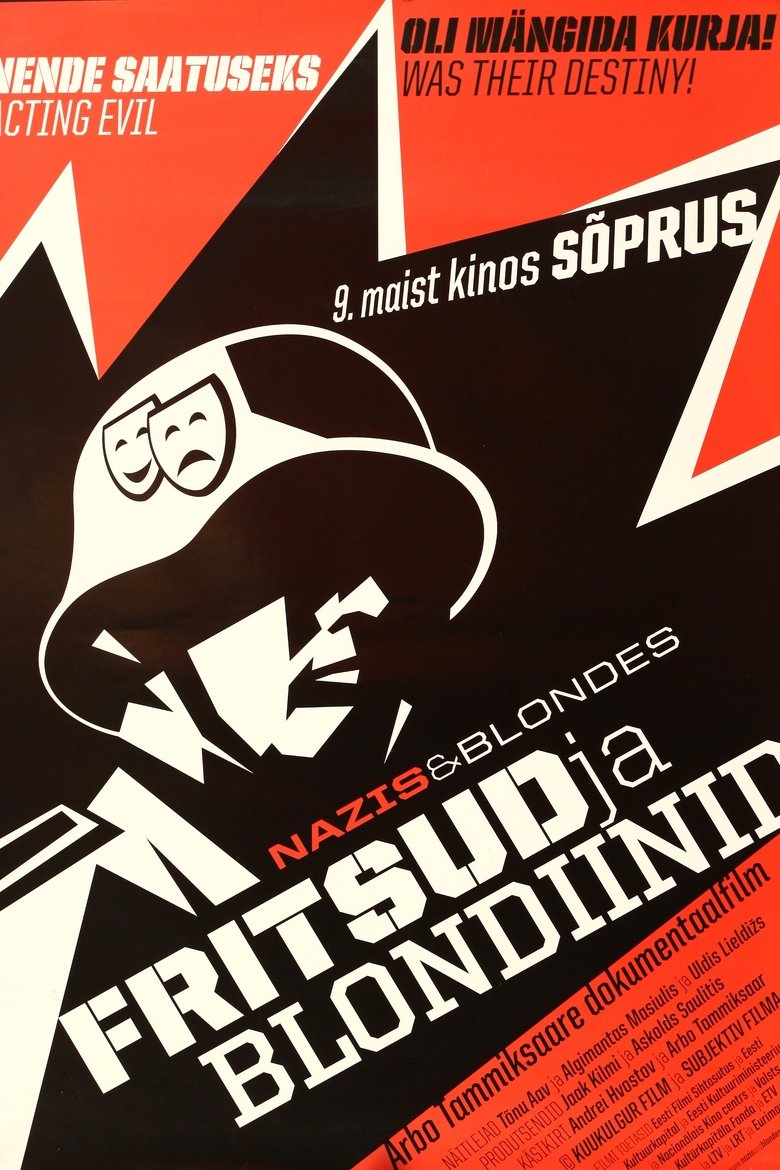
Nazis and Blondes
Veteran actors from the 3 Baltic countries - Estonia, Latvia and Lithuania - gather at a castle in Latvia to receive awards for their roles as Nazi villains in propagandist Soviet war films. They reminisce about the films that made them famous throughout the USSR, but also stigmatized the Baltic countries as Nazi sympathizers in the eyes of many Russians - a misconception that is nowadays exploited by the Russian media, desperate to label the Baltic countries as a fascist haven.

We Were Eighteen
It's 1940 - the first summer of the Soviet occupation on the Estonian island Saaremaa. Teenagers stepping in their lives have important decisions to make. Should they support the Soviet regime or join the resistance?
Filmography
as Peedu Ojamaa (voice)
as Ганс Саакс
as Taavi Raasik
as Self
as Koby
as Manivald
as German General
as Border Guard in Finland
as Sergei
as Innkeeper
as prosecutor Farr
as Grünberg
as Егор Резен
as (voice)
as Narrator
as Even More Belligerent Mayor
as Innkeeper (uncredited)
as German officer in a concentration camp
as German officer in a concentration camp
as Людвиг
as Ervin Räim
as Eerik
as German Pilot
as (uncredited)