
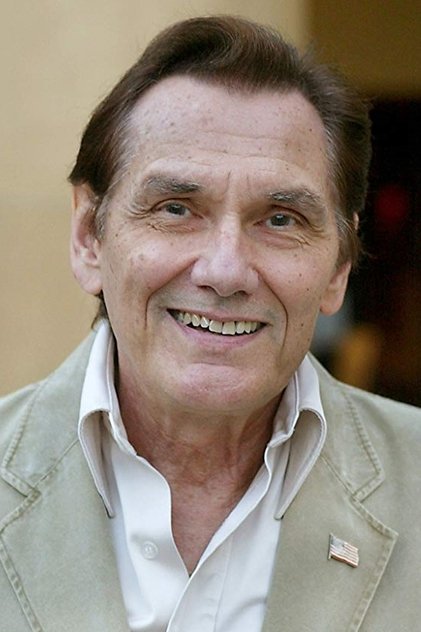
Tommy Rall
Acting
Biography
No biography available for Tommy Rall.
Born: December 27, 1929
Place of Birth: Kansas City, Kansas, USA
Known For
The Bell Telephone Hour
“The Bell Telephone Hour” was a musical variety show that aired on “NBC” TV from 12 January 1959 to 14 June 1968 that showcased the best in Broadway, Classical, Concert, Jazz and Popular music each week. The series had its’ own house band appropriately named the “Bell Telephone Orchestra”. The show also had its’ own theme song being the “Bell Waltz” composed by “Donald Voorhees” who was also the show's Orchestra conductor. Some of the greatest violinists of the 1960’s performed on this show that aired in the old “Black & White” format. Some of these great violinists included “Erica Mornin”, “Isaac Stern", "Michael Rabin", "Ruggiero Ricci", "Yehudi Menuhin" and "Zino Francesacatti". From time to time some of the great singers and bandleaders of the 1960’s would perform on the show as well. Some of these were “Bing Crosby”, “Gordon MacRae”, “John Gary”, “Leslie Uggams”, “Mary Martin”, “Nelson Eddy”, “Patti Page” and “Roy Rogers”. The TV show followed on the heels of its’ predecessor with the same name on “NBC” radio that aired from 29 April 1940 to 1958 on Monday nights at 8 PM. The name of the show was derived from its’ Major sponsor “Bell Telephone Laboratories”. The TV version began airing on Friday nights at 8:30 PM once a month. It later was given it’s same time slot now airing every other week alternating with another show on the other weeks such as News shows and specials. The show time slot changed quite often over the years. In September 1960 it aired at 9 PM and in September 1961 it moved to 9:30 PM. In October 1963 it moved to Tuesday nights at 10 PM, September 1965 it moved to Sunday night at 6:30 PM and in September 1967 it made its' final move back to Friday night at 10 PM.
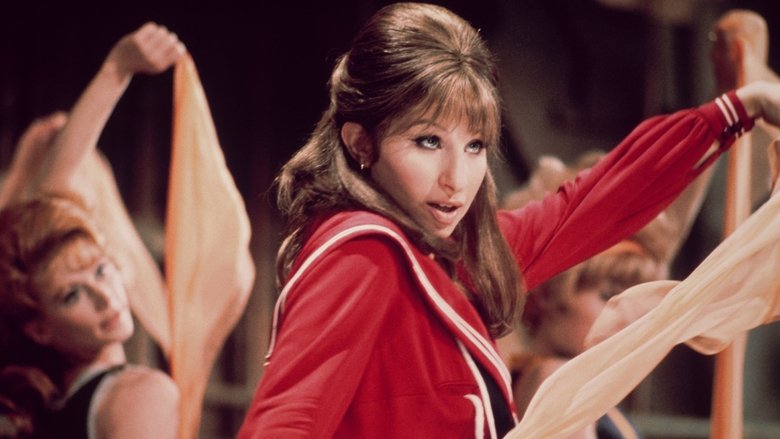
Funny Girl
The life of famed 1930s comedienne Fanny Brice, from her early days in the Jewish slums of New York, to the height of her career with the Ziegfeld Follies, as well as her marriage to the rakish gambler Nick Arnstein.
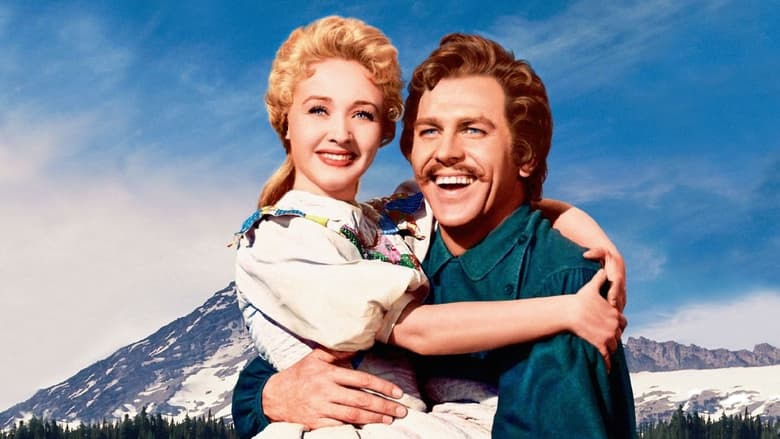
Seven Brides for Seven Brothers
In 1850 Oregon, when a backwoodsman brings a wife home to his farm, his six brothers decide that they want to get married too.
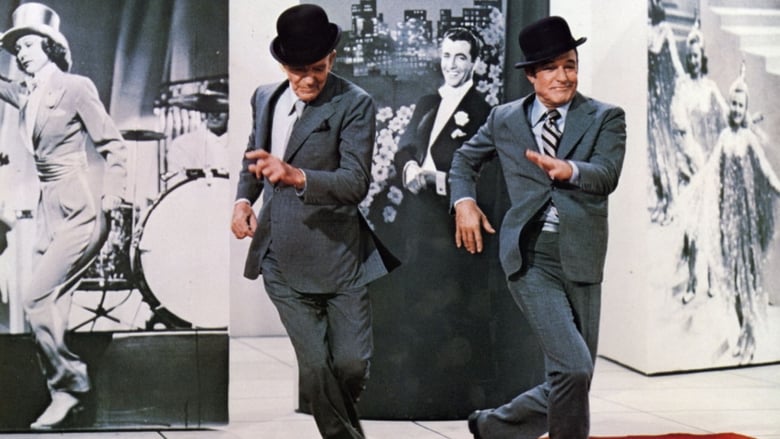
That's Entertainment, Part II
Gene Kelly and Fred Astaire present more golden moments from the MGM film library, this time including comedy and drama as well as classic musical numbers.
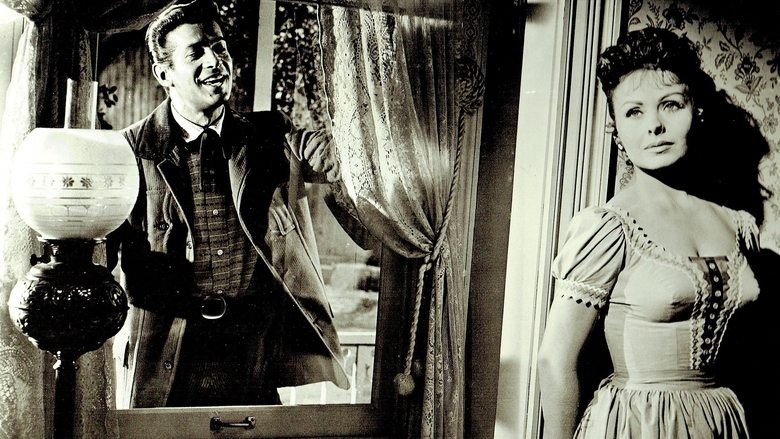
The Second Greatest Sex
In 1880, Osawkie, Kansas is feuding with rival town Mandaroon over which will be county seat, keeping the town's men away from home most of the time. The last straw is when Matt Davis feels compelled to go on a new foray on his wedding night; his bride Liza (just call her Lysistrata) takes teacher Cassie's advice and organizes a marital strike to make the men-folk stop their nonsense.
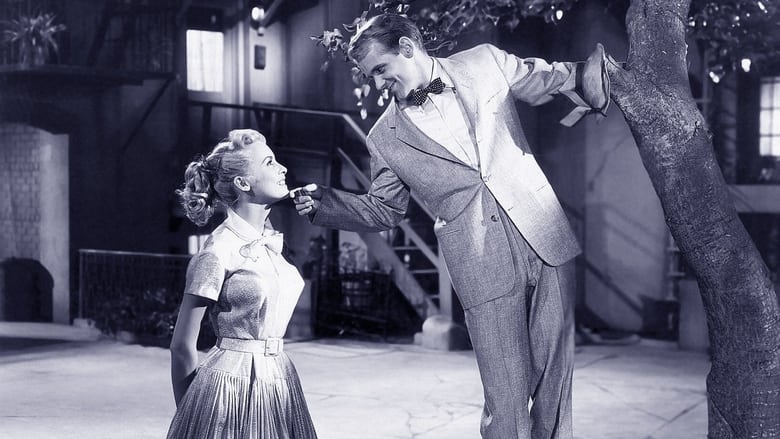
My Sister Eileen
Ruth and her beautiful sister Eileen come to New York's Greenwich Village looking for "fame, fortune and a 'For Rent' sign on Barrow Street". They find an apartment, but fame and fortune are a lot more elusive. Ruth gets the attention of playboy publisher Bob Baker when she submits a story about her gorgeous sister Eileen. She tries to keep his attention by convincing him that she and the gorgeous, man-getting Eileen are one and the same person.
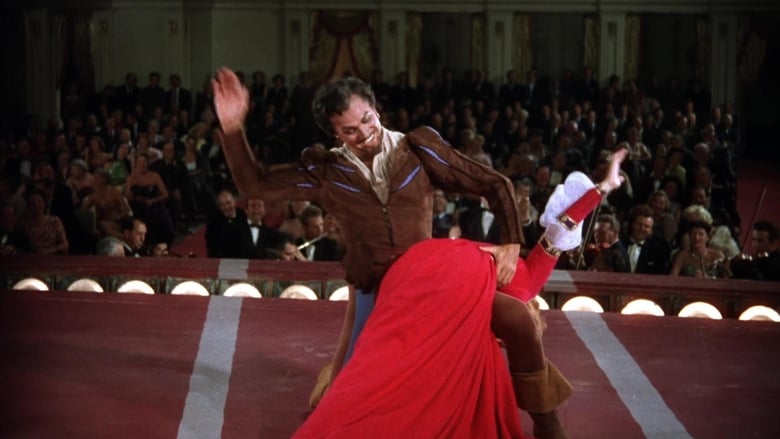
Kiss Me Kate
A pair of divorced actors are brought together to participate in a musical version of The Taming of the Shrew. Of course, the couple seem to act a great deal like the characters they play, and they must work together when mistaken identities get them mixed up with the mafia.
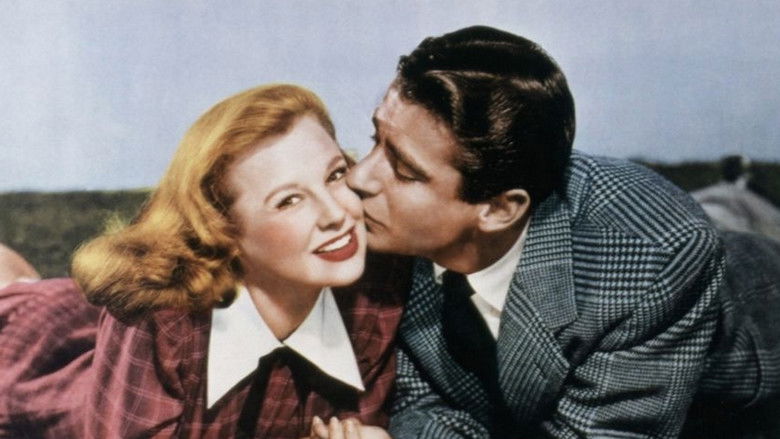
Good News
At fictitious Tait University in the Roaring '20s, co-ed and school librarian Connie Lane falls for football hero Tommy Marlowe. Unfortunately, he has his eye on gold-digging vamp Pat McClellan. Tommy's grades start to slip, which keeps him from playing in the big game. Connie eventually finds out Tommy really loves her and devises a plan to win him back and to get him back on the field.
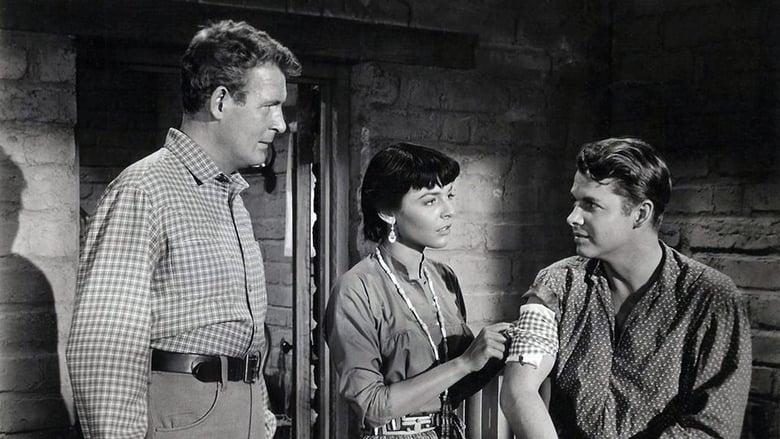
Walk the Proud Land
Indian Agent sent to try new approach to peace with Apache based on respect for autonomy rather than submission to Army. Wins over reservation chiefs and the Indian widow given to him as housekeeper. Through use of diplomacy and demonstrations of faith in Apache leaders, reservation is put on the road to autonomy. Conflicts arise between Apache widow and Eastern wife but latter has a lot to learn.
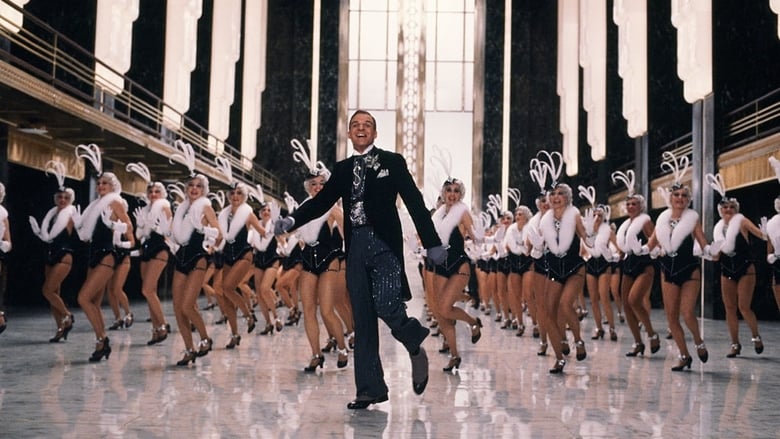
Pennies from Heaven
During the Great Depression, a sheet music salesman seeks to escape his dreary life through popular music and a love affair with an innocent schoolteacher.
Filmography
as The Werewolf
as Patrick
as Ed
as (archive footage)
as "The Prince" in Swan Lake sequence (uncredited)
as Self
as Giacomo Gallini
as Taglito
as Flashy Boyfriend
as Ray Kacsmerek
as Alf Connors
as Chick Clark
as Self- Dancer
as Brother Frank Pontipee
as Bill Calhoun, "Lucentio"
as Dancer (uncredited)
as 'Jivin' Jacks and Jills' Member (uncredited)
as Member, Jivin' Jacks