
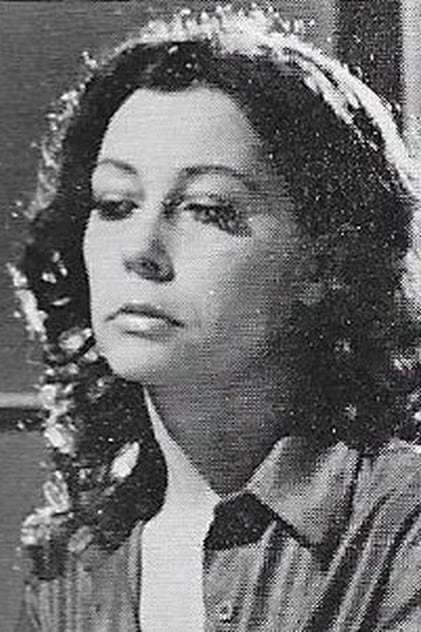
Ultra Violet
Acting
Biography
Isabelle Collin Dufresne was a French-American artist, author, and both a colleague of Andy Warhol and one of the pop artist's so-called superstars. Earlier in her career, she worked for and studied with surrealist artist Salvador Dalí. Dufresne lived and worked in New York City, and also had a studio in Nice, France.
Born: September 6, 1935
Place of Birth: Grenoble, France
Known For
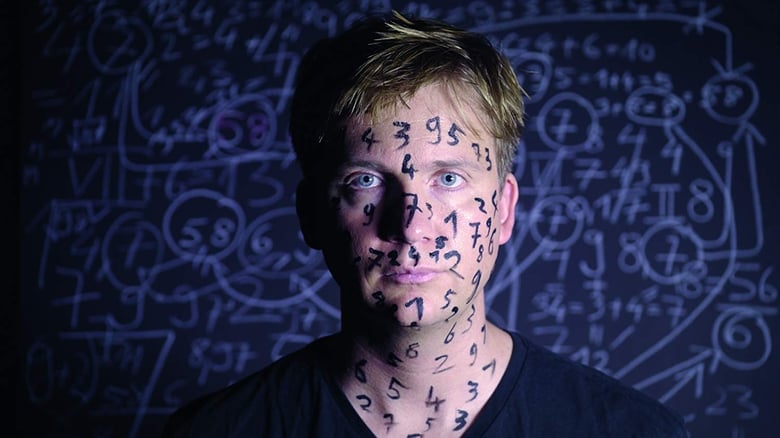
How I Learned to Love the Numbers
A New York film and at the same time the study of a young man suffering from an obsessive-compulsive disorder (OCD). The Berlin filmmaker Oliver Sechting (37) and his co-director Max Taubert (23) travel to New York with the idea of documenting the art scene there. However, the project is quickly overshadowed by Oliver's OCD, and the two directors fall prey to a conflict that becomes the central theme of their film. Encounters with such artists as film directors Tom Tykwer (Cloud Atlas), Ira Sachs (Keep the Lights On), and Jonathan Caouette (Tarnation) or the transmedia artist Phoebe Legere seem more and more to resemble therapy sessions. At last, Andy Warhol-Superstar Ultra Violet succeeds in opening a new door for Oliver.
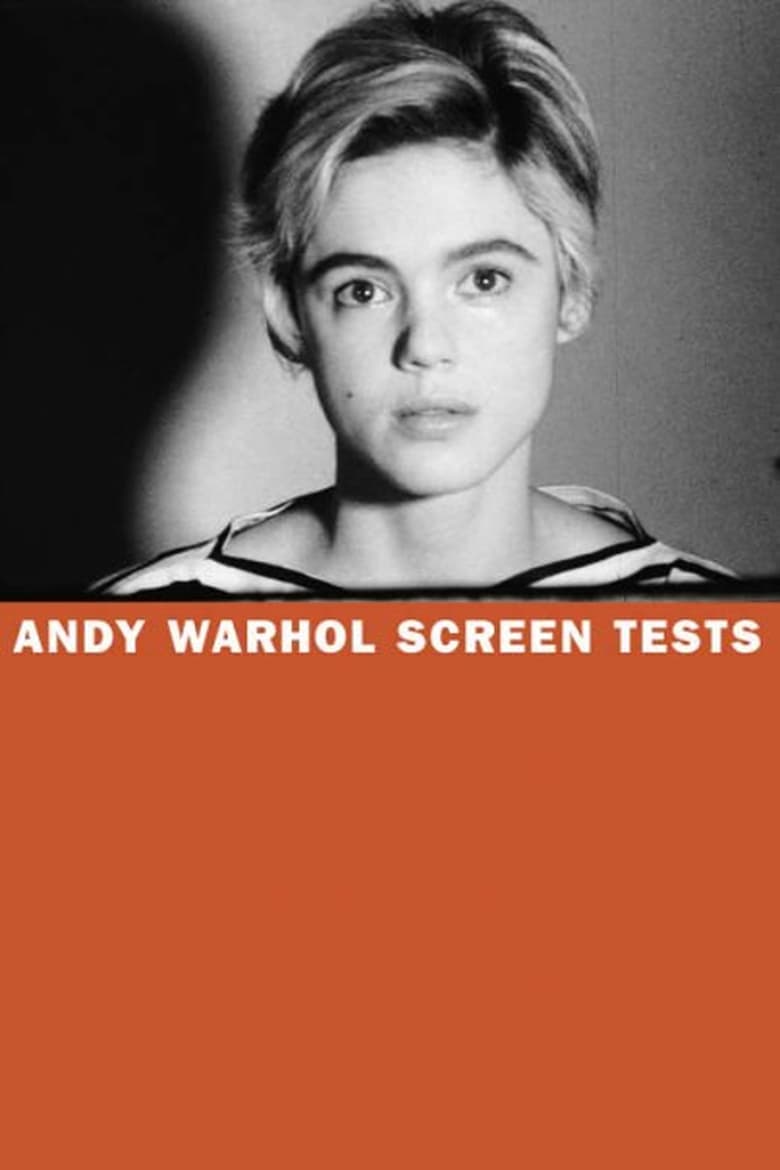
Andy Warhol Screen Tests
The films were made between 1964 and 1966 at Warhol's Factory studio in New York City. Subjects were captured in stark relief by a strong key light, and filmed by Warhol with his stationary 16mm Bolex camera on silent, black and white, 100-foot rolls of film at 24 frames per second. The resulting two-and-a-half-minute film reels were then screened in 'slow motion' at 16 frames per second.
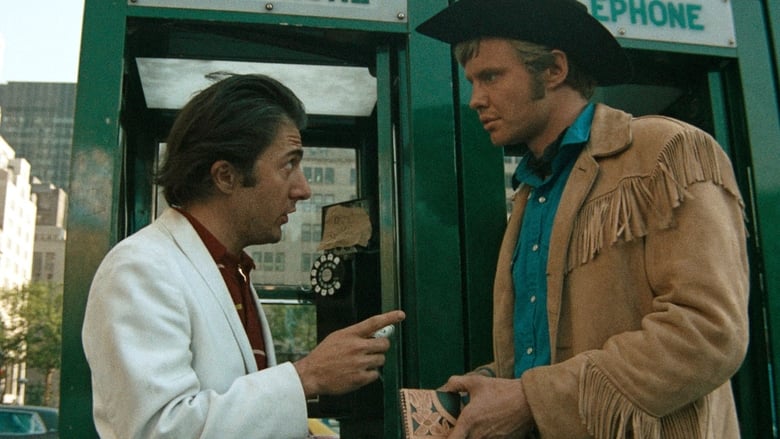
Midnight Cowboy
Joe Buck is a wide-eyed hustler from Texas hoping to score big with wealthy New York City women; he finds a companion in Enrico "Ratso" Rizzo, an ailing swindler with a bum leg and a quixotic fantasy of escaping to Florida.
Superstar: The Life and Times of Andy Warhol
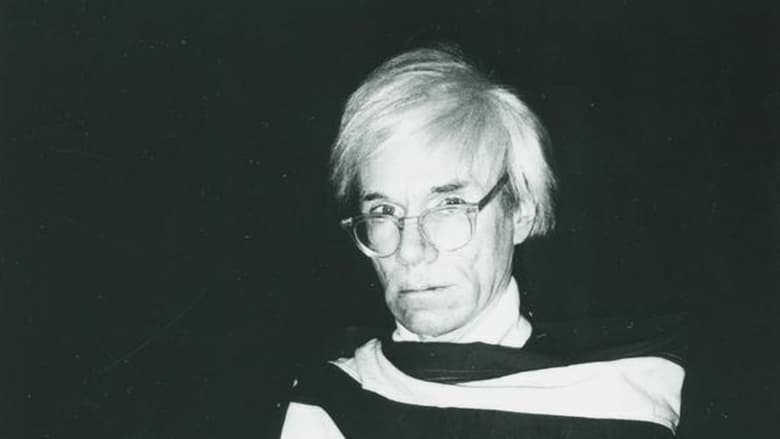
Iconic American artist and filmmaker Andy Warhol is the subject of this documentary, which looks at both his life and his influence on pop culture. The film provides details about Warhol's upbringing in Pittsburgh and follows his move to New York City, where he found massive success turning pop imagery into art and eventually founded "The Factory," his famed studio and party venue. Among the many notables interviewed are Dennis Hopper, David Hockney, and Roy Lichtenstein.
I Shot Andy Warhol: SCUM Manifesto
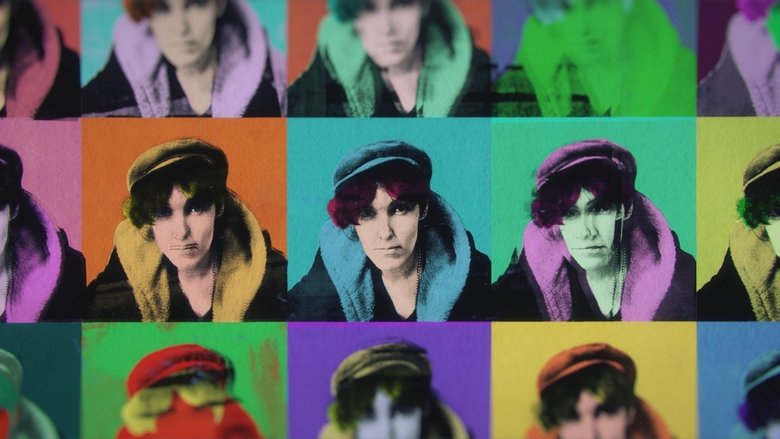
New York, June 3, 1968. Valerie Solanas enters the Factory, Andy Warhol's studio, and fires three shots at him, who miraculously survives, but is seriously wounded. What led this woman to try to kill the famous pop artist, as well as to write a manifesto calling for the eradication of men?
Taking Off
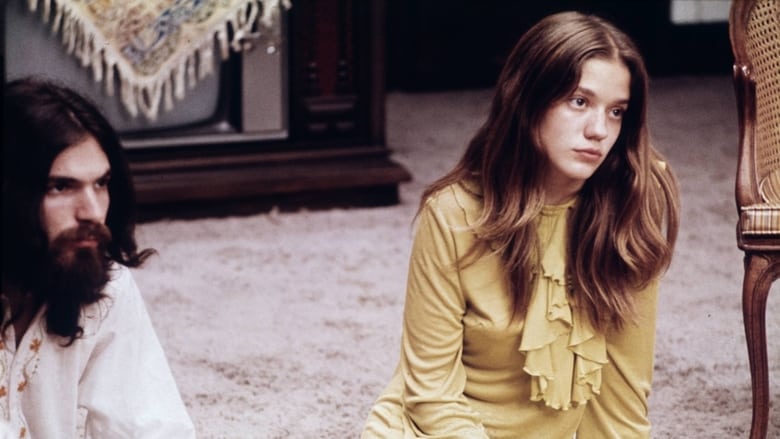
Unable to deal with her parents, Jeannie Tyne runs away from home. Larry and Lynn Tyne search for her, and in the process meet other people whose children ran away. With their children gone, the parents are now free to rediscover/enjoy life.
An Unmarried Woman
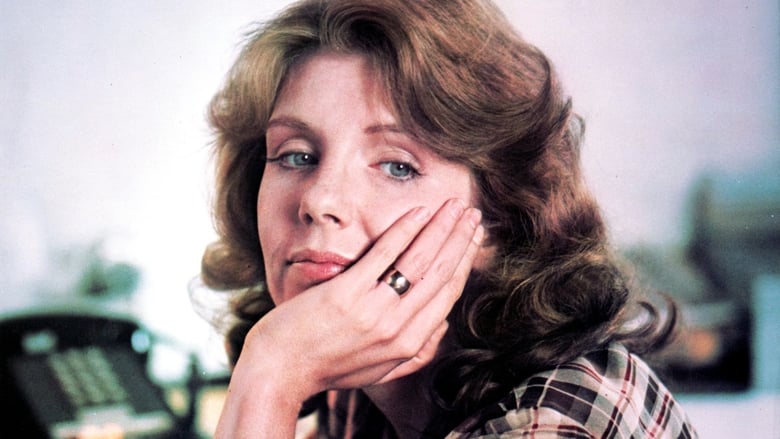
A wealthy woman from Manhattan's Upper East Side struggles to deal with her new identity and her sexuality after her husband of 16 years leaves her for a younger woman.

The Life of Juanita Castro
A playwright taunts a number of actors into improvising a truly ridiculous but subtlely meaningful meditation on Fidel Castro and his family.

The Merv Griffin Show
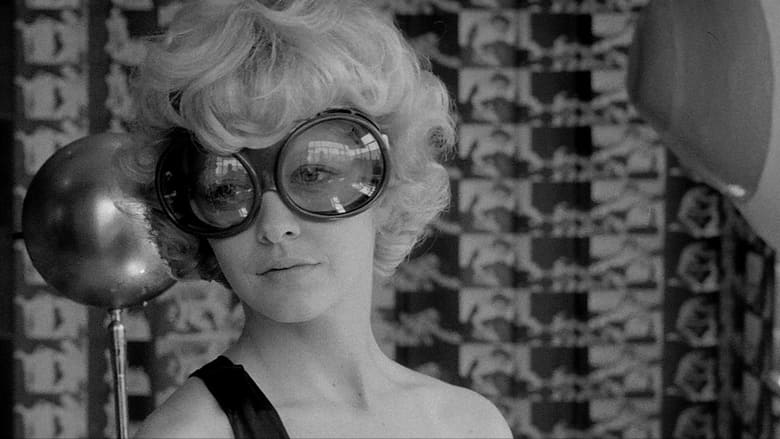
The Telephone Book
A sexually voracious young woman receives a dirty phone call from a stranger; so satisfied by the experience, she sets out to find him somewhere in New York City.
Filmography
as (archive footage)
as N°1084
as Lady MacBeth
as Iliona, a Decadent
as The Countess
as Emergency Room Patient
as Whip Woman
as Sarah
as SPFC Member
as Herself
as Daniela
as Singer
as Ultra Violet
as The Party
as Daughter of Montezuma
as Self
as Herself
as Self