
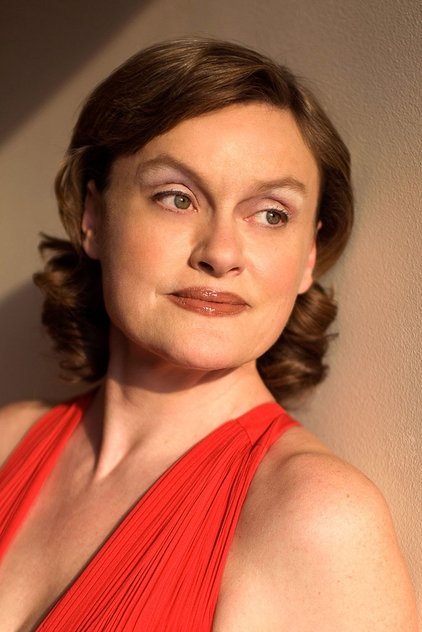
Vesselina Kasarova
Acting
Biography
No biography available for Vesselina Kasarova.
Born: July 18, 1965
Place of Birth: Stara Zagora, Bulgaria
Known For
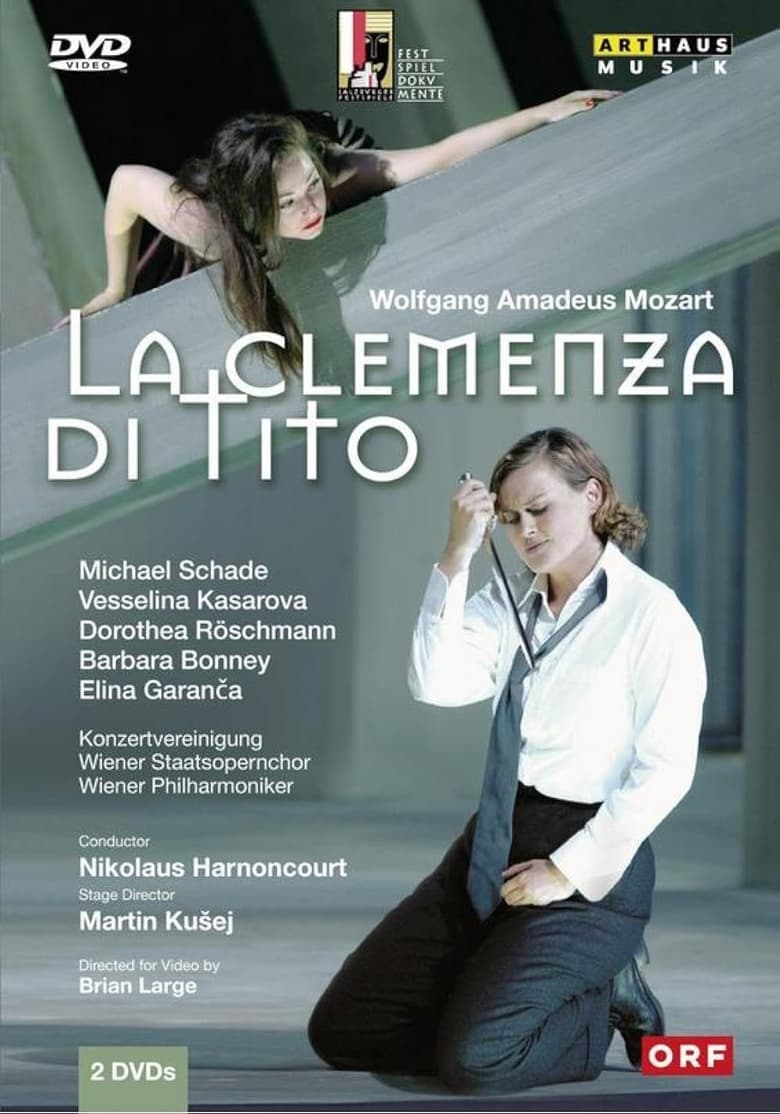
La Clemenza di Tito
The 1791 La Clemenza di Tito (or 'The Clemency of Titus') marked Wolfgang Amadeus Mozart's final opera seria. With a libretto by Metastasio (edited slightly by Caterino Mazzolà), the work dramatizes the palace intrigues surrounding emperor Titus's attempts to coronate a new bride and the envious Vitellia's attempts to have Titus assassinated (with the help of Titus's friend Sextus) following the deposition of Vitellia's emperor father. Stage director Martin Kušej mounted Tito in August 2003, at the Felsenreitschule in Salzburg; a film of that live performance now appears in this home video release. The cast includes Michael Schade as Titus, Vesselina Kasarova as Sextus and Dorothea Roschmann as Vitellia. The Wiener Staatsopernchor, under the baton of Nikolaus Harnoncourt, provides musical accompaniment; Jens Kilian designed the sets.

Alcina
The setting of the opera is the enchantress Alcina's island: here by her magic powers she has created a magnificent palace in a beautiful landscape, to lure her many lovers into her power. One of these is Ruggiero, a warrior, who under Alcina's spell has forsaken his duty and his betrothed, Bradamante.

Il Barbiere di Siviglia
Live performance from Zürich Opera House, 2001. “Vesselina Kasarova’s Rosina turned this Barber into a major event. Pearling coloratura, endless resources of vocal colour and nuance and phenomenal acting versatility became mere means to an end: that of making Rosina into a human being of flesh and blood, with heart, humour and considerable brains.
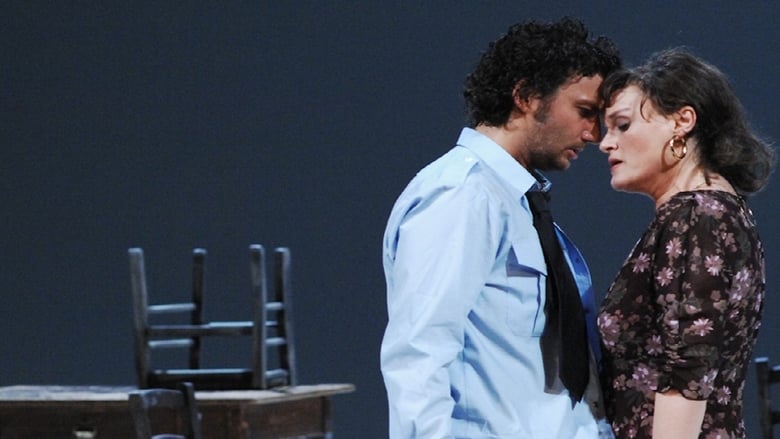
Bizet Carmen
Live recording from Oper Zurich, 2008, DVD release 2014. Jonas Kaufmann, 'the Prince of Tenors', appears with international star Vesselina Kasarova in Zürich Opera's starkly palpable staging of Bizet's ever-popular Carmen. The production sees Don José (Kaufmann) abandon his teenage attitudes in pursuit of Kasarova's free and independent Carmen - realising too late that his self-control has vanished, along with his youth.

Orphée et Eurydice
Live from Munich, October 2003. A husband laments the death of his wife. He follows her to the underworld and finds her there. But he is forbidden to look at her. He does it anyway! Has he now lost her forever? Or will the gods' hearts be moved by this loving, "human" glance? In 1762, Gluck put the quietus on the artificiality of baroque opera with this work - from then on the human element took center stage.

The Damnation of Faust
The three main soloists have voices on a scale that can compete with these flashy production values – White and Kasarova, in particular, sing at a level of intensity that would swamp anything less; the climactic seduction trio has rarely been sung so well or with such an overpoweringly polymorphous eroticism. Cambreling marshals his forces effectively, giving full rein to the work's showstoppers like the "Hungarian March" but not neglecting the subtler less kinetic Gluckian side of Berlioz's vocal writing. Recorded live at the Salzburger Festspiele, 1999.
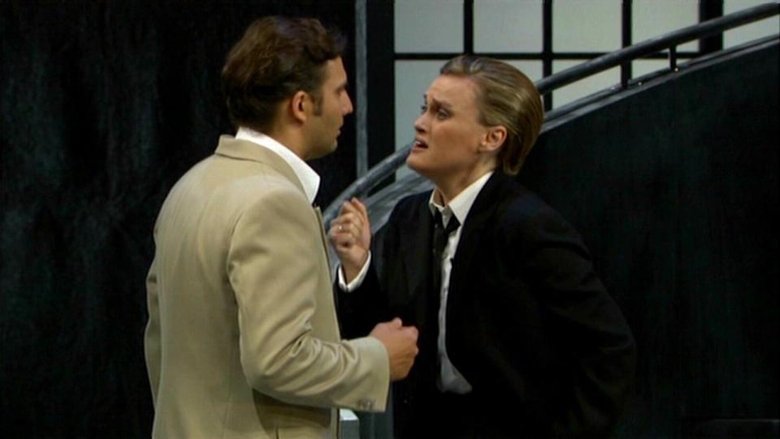
La Clemenza di Tito
This is an effective staging, though the set looks medieval and the costumes are modern. It’s well paced, well played, well sung. Jonas Kaufmann is an ideal Tito. His voice is not only beautiful and flexible, it’s also ample, retaining warmth and sweetness when he sings out. The character of Tito is too good to be true, but Kaufmann makes him intense, noble, and beliveable. Vesselina Kasarova is riviting as Sesto. Her voice is gorgeous and multi-colored, her technique exquisite, her immersion in the role complete.

La Belle Hélène
Filmography
as Carmen
as Ruggiero
as Sesto
as Sesto
as Orphée
as Rosina
as Hélène, Queen of Sparta