
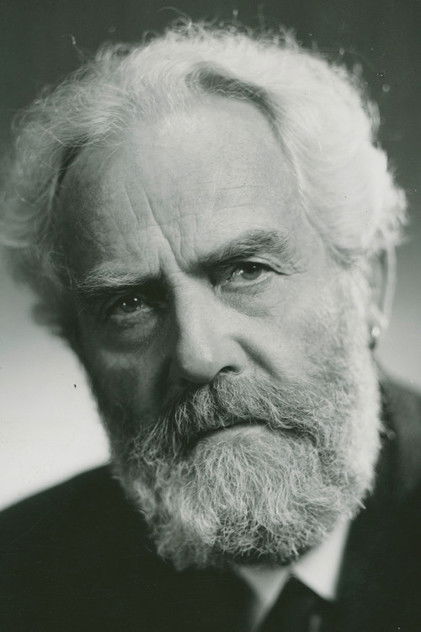
Victor Sjöström
Directing
Biography
Victor David Sjöström (September 20, 1879 – January 3, 1960), sometimes known in the United States as Victor Seastrom, was a pioneering Swedish film director, screenwriter, and actor. He began his career in Sweden, before moving to Hollywood in 1924. Sjöström worked primarily in the silent era; his best known films include The Phantom Carriage (1921), He Who Gets Slapped (1924), and The Wind (1928). Sjöström was Sweden's most prominent director in the "Golden Age of Silent Film" in Europe. Later in life, he played the leading role in Ingmar Bergman's Wild Strawberries (1957).
Born: September 21, 1879
Place of Birth: Silbodal, Värmlands län, Sweden
Known For
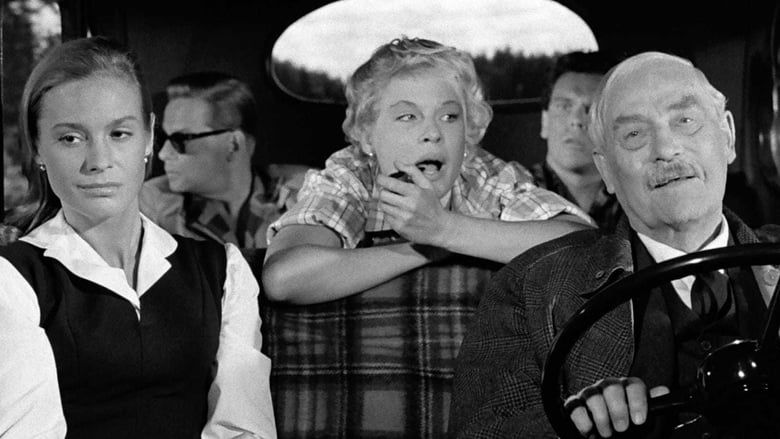
Wild Strawberries
Crotchety retired doctor Isak Borg travels from Stockholm to Lund, Sweden, with his pregnant and unhappy daughter-in-law, Marianne, in order to receive an honorary degree from his alma mater. Along the way, they encounter a series of hitchhikers, each of whom causes the elderly doctor to muse upon the pleasures and failures of his own life. These include the vivacious young Sara, a dead ringer for the doctor's own first love.

Greta Garbo: The Temptress and the Clown
Two part biography of Greta Garbo - 1. The Temptress 2. The Clown. Reminiscences of her early life in Stockholm, with excerpts from her films. Narrated by Bibi Andersson.
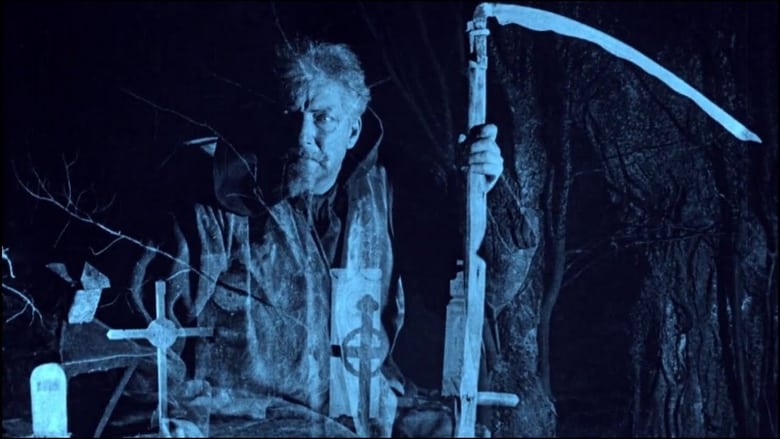
The Phantom Carriage
An alcoholic, abusive ne'er-do-well is shown the error of his ways through a legend that dooms the last person to die on New Year's Eve before the clock strikes twelve to take the reins of Death's chariot and work tirelessly collecting fresh souls for the next year.

The Outlaw and His Wife
A stranger comes to work at widow Halla's farm. Halla and the stranger fall in love, but when he is revealed as Eyvind, an escaped thief forced into crime by his family's starvation, they flee and become two of the many outlaws of Iceland's mountains.
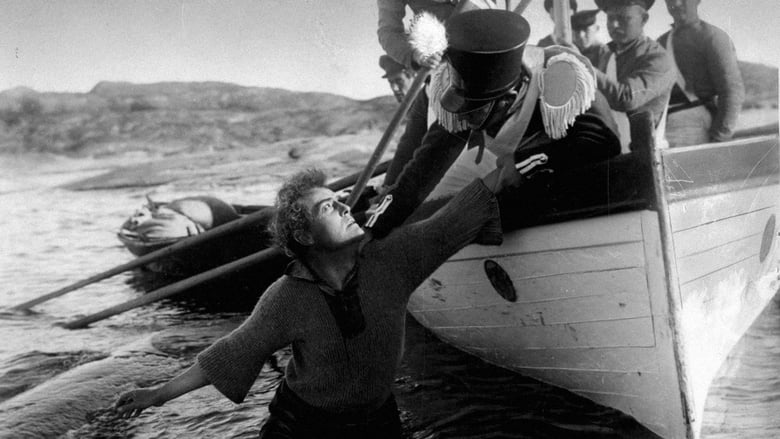
A Man There Was
Terje Vigen, a sailor, suffers the loss of his family through the inflexibility of another man. Years later, when his enemy's family finds itself dependent on his benevolence, Terje must decide whether to avenge himself.
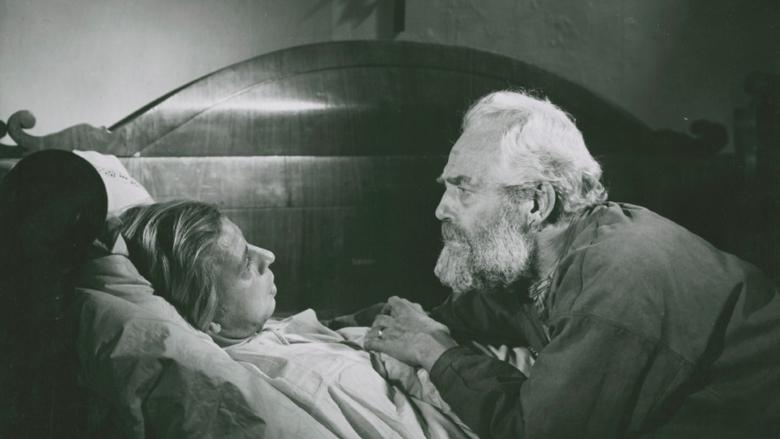
Ordet
Swedish film of the Kaj Munk play that was made into a far more famous film by Carl Dreyer in Denmark twelve years later.
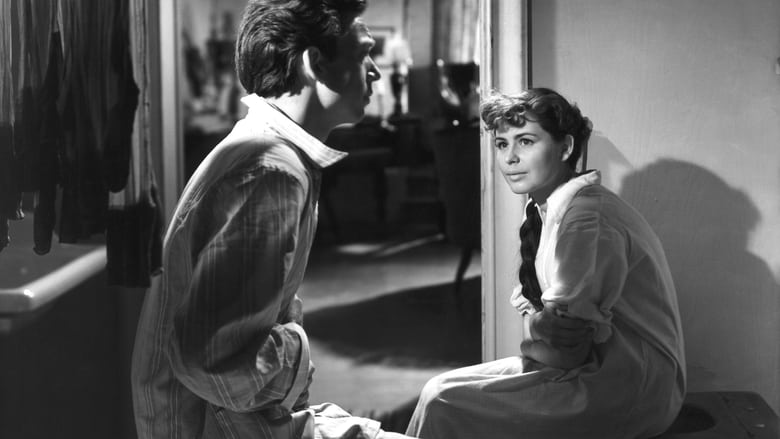
To Joy
A young orchestra violinist’s fear of mediocrity and drive for artistic success strain his marriage to a fellow musician. Told largely in flashback and shaped by Beethoven’s Ninth Symphony, the film examines ambition, love, and loss in early Ingmar Bergman.
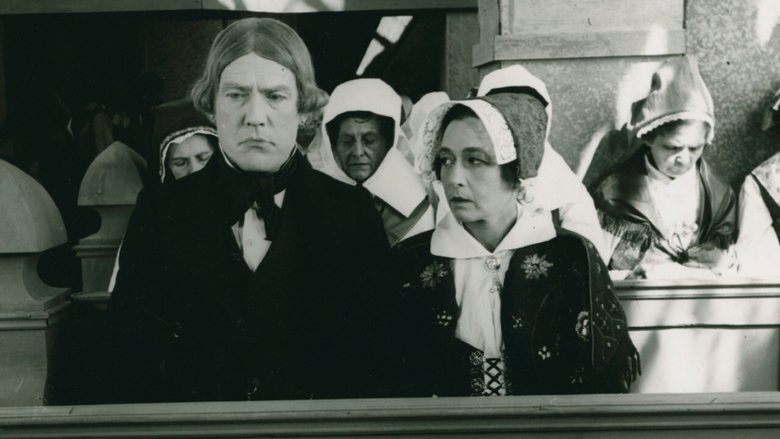
Sons of Ingmar
Part one of an ambitious screen adaptation of Selma Lagerlöf's book Jerusalem.
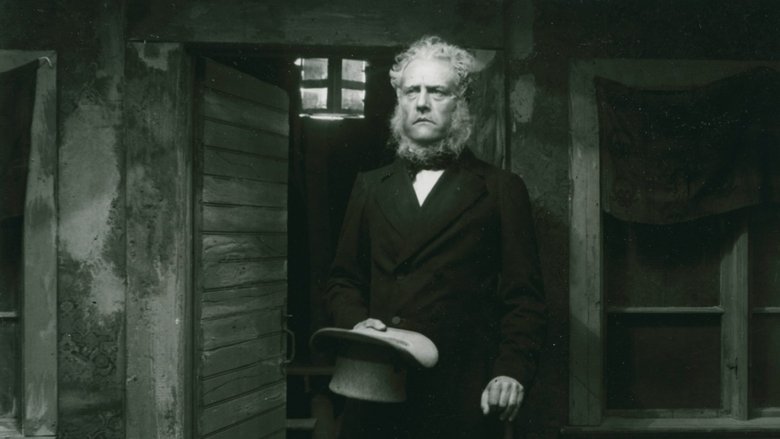
A Lover in Pawn
About loaner Master Samuel, based on a writings by Hjalmar Bergman
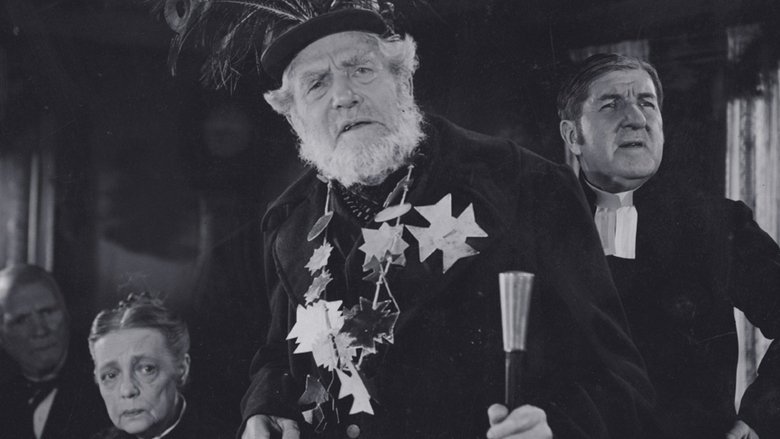
The Emperor of Portugallia
The poor farmer Jan is getting very old when he becomes father to the girl, Klara Gulla. First, he sees the child as a burden, but when he receives the newborn child in his arms he is overjoyed. He does everything in his power for her during her. But when she as an adult leaves home, Jan can not come over the loss of her.
Filmography
as (archive footage)
as (archive footage)
as Self (archive footage)
as Professor Isak Borg
as Gustaf Landberg
as Klaus Willenhart
as Gustaf Borg
as Sönderby
as Antique Dealer Bladh
as Stora Ballong
as Jan i Skrolycka
as Knut Borg Sr.
as Henrik Falkman
as Andreas Berg
as Hjalmar Branting
as Frederik Bergström
as Sämund Granliden
as Hilding Harald Markurell / ällarmästare på utvärdshuset Kupan
as Self
as Dick
as David Holm
as Sammel Eneman
as Stor Ingmar
as Lill Ingmar Ingmarsson
as Thomas Graal
as Outlaw / Kári
as Terje Vigen
as Òveringenjör Weyler / Ingenjör Lebel
as Karl Werner - Läkare
as Daniel Barkner
as Oscar Falck - Målare
as Georg Mills - Medicinare
as Cyril Alm
as Von Mühlen - Löjtnant
as Trädgårdsmästaren