
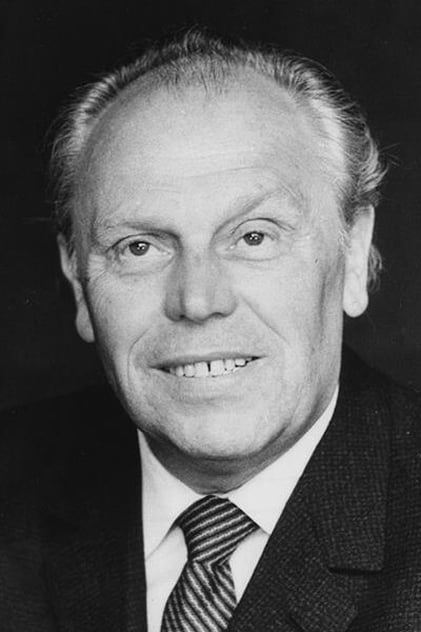
Vladimír Leraus
Acting
Biography
No biography available for Vladimír Leraus.
Born: July 28, 1905
Known For
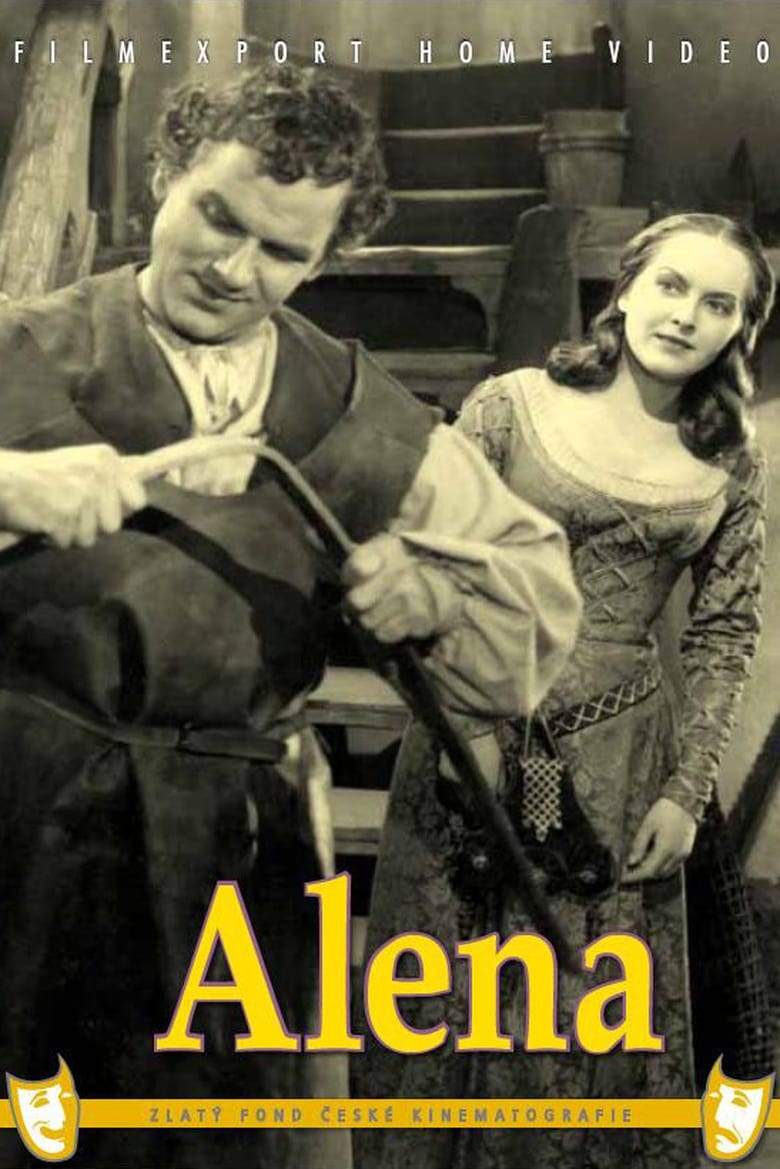
Alena
Master armourer Tomás has young wife Alena, of whom he is very jealous. One day the ruler of town sees Alena and decides to win her over for himself. To get a free hand for his love affairs, he sends Master Tomás to acquire more skills in Flanders. Jealous husband does not know how to secure fidelity of his beautiful wife while he is away, and finally accepts aid of the devil, to whom he signs his soul as a reward. Devil in the disguise of Master Ondrej works in Tomás's workshop and protects Alena against various courtiers and the ruler of town. But finally he falls in love with Alena himself and becomes her lover.
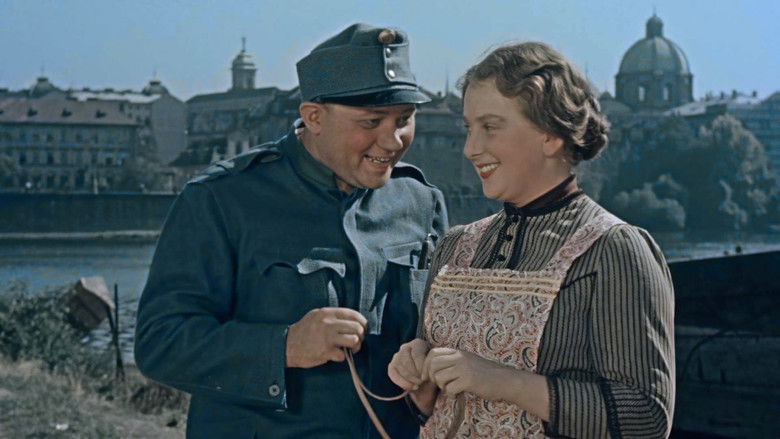
The Good Soldier Švejk
Good-natured and garrulous, Schweik becomes the Austrian army's most loyal Czech soldier when he is called up on the outbreak of World War I -- although his bumbling attempts to get to the front serve only to prevent him from reaching it. Playing cards and getting drunk, he uses all his cunning and genial subterfuge to deal with the police, clergy, and officers who chivy him toward battle.
Bakaláři
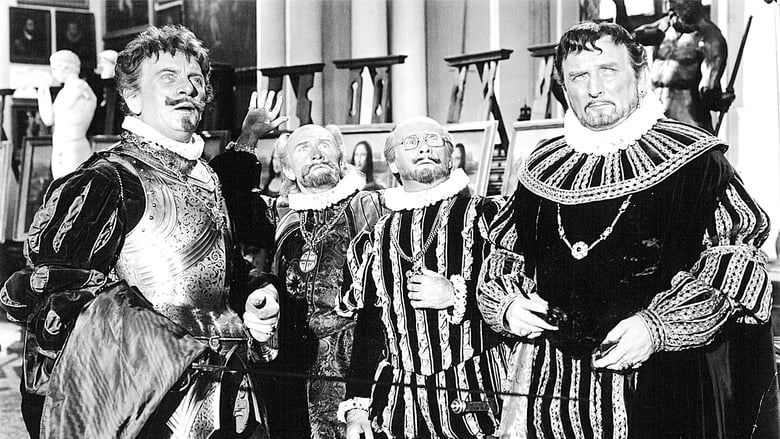
The Emperor and the Golem
The Emperor's mismanagement of his country is provoking some in his court to plot to overthrow him. He feels successful, at least, when he discovers the legendary Golem, which he believes can protect him and even cure his imaginary illnesses but, when he disappears while on a bender, his kindly baker, who looks just like him, is mistaken for him, and begins to put things in order. However, the conspirators, not to be outdone, determine to bring the Golem back to life to do their bidding.
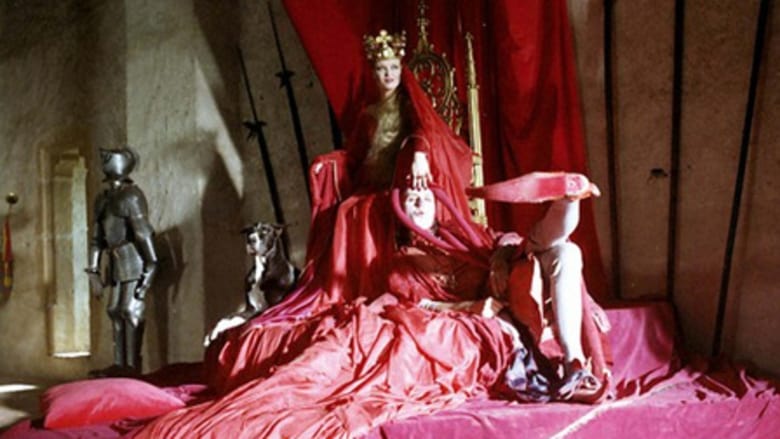
The Jester and the Queen
The movie is a satirical look at foreign occupation - a medieval Czech jester entertains a German king and his French wife, or a modern Czech villager helps a Bavarian hunter and his French wife find wild boar in Bohemia - the story switches back and forth between the two plots and time-periods.
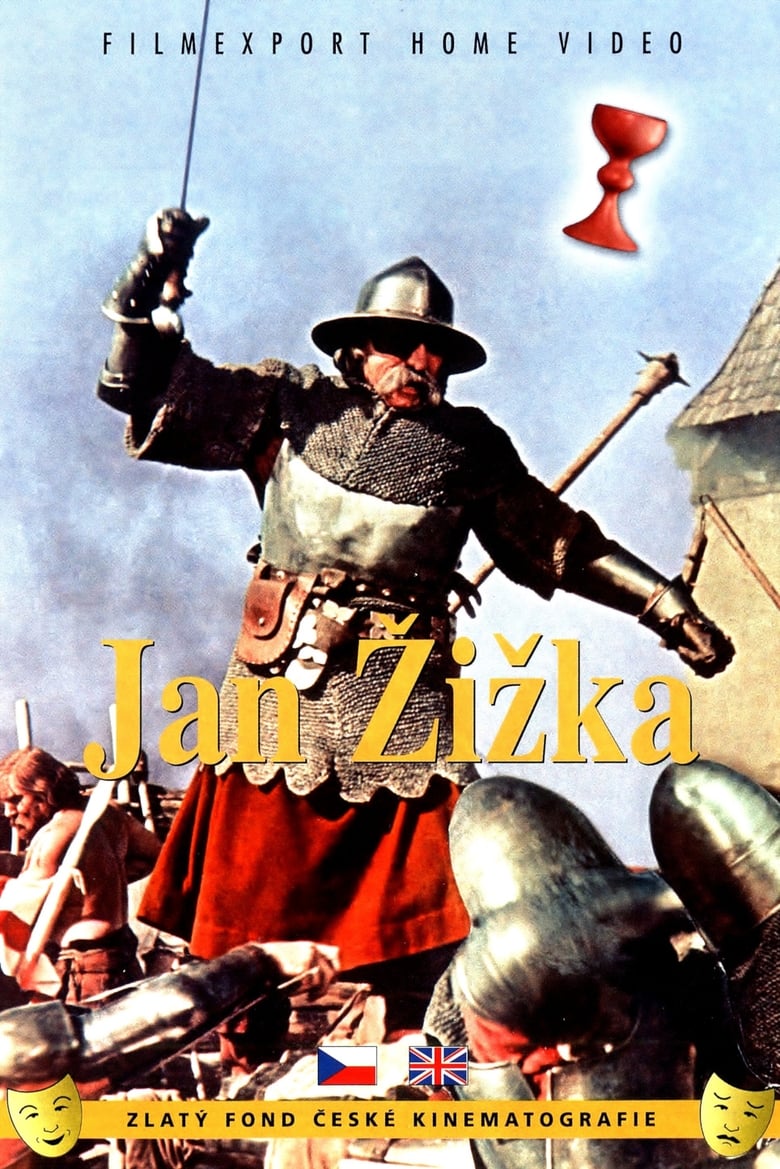
Jan Žižka
The second part of the revolutionary Hussite trilogy takes place in the years 1419-1420.
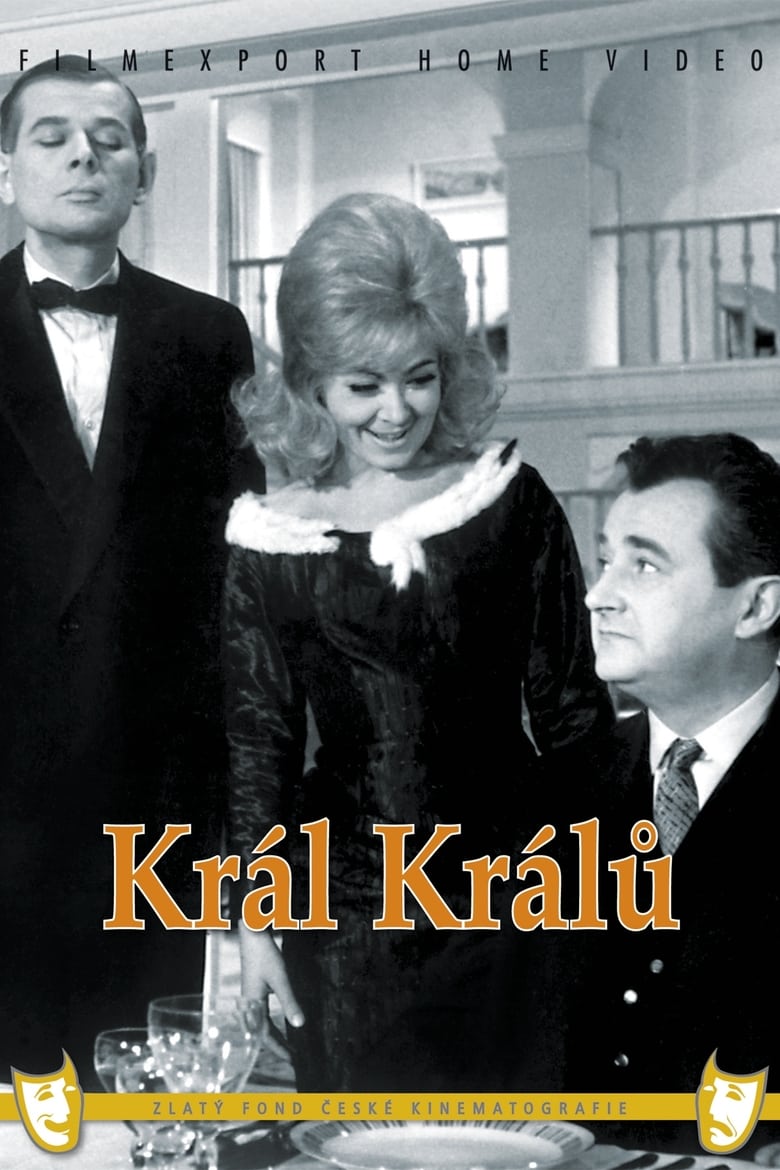
The King of Kings
During his work assignment in Tamani Kingdom, Czech worker Lojza saves a local man from dying in the desert. Two years later, it turns out the saved man was also the Taman king; and he has decided to name Lojza, a communist, his royal heir.
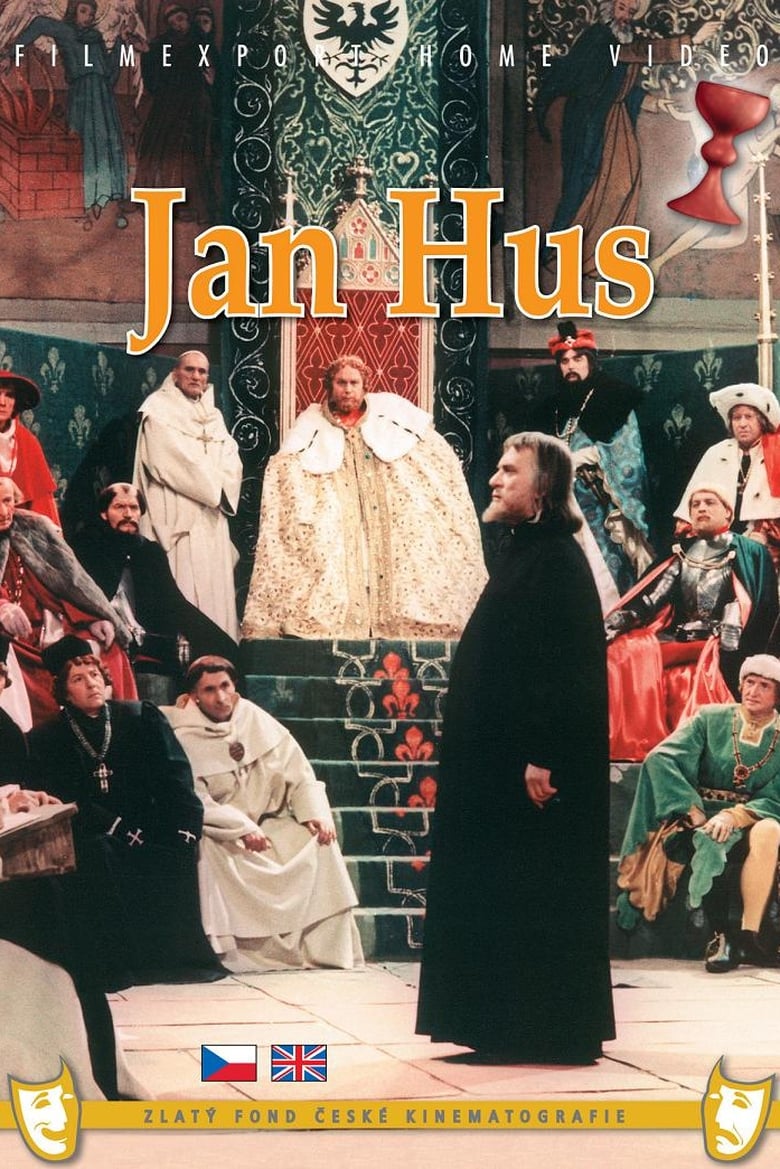
Jan Hus
The first part of the "Hussite Revolutionary Trilogy", completed with Jan Žižka (1955) and Proti všem (Against All Odds, 1957). The film captures the period from May 1412 to the summer of 1415, a turbulent time in the Czech Kingdom, during which there were protests in Prague against the sale of "omnipotent indulgences" whose sale throughout the kingdom was announced by Pope John XXIII. The ideological leader of this movement is the preacher Master Jan Hus, whose words, calling for the elimination of church abuses, are listened to in the Bethlehem Chapel by thousands of ordinary Praguers, Czech lords and Queen Sophie, wife of the Czech King Wenceslas IV.

Bílá spona
Criminals have their hands full: first a shoplifting, soon the murder of a young driver. Do these crimes have anything in common? But the attempt to create a suspenseful story is broken by its unimaginative nature.
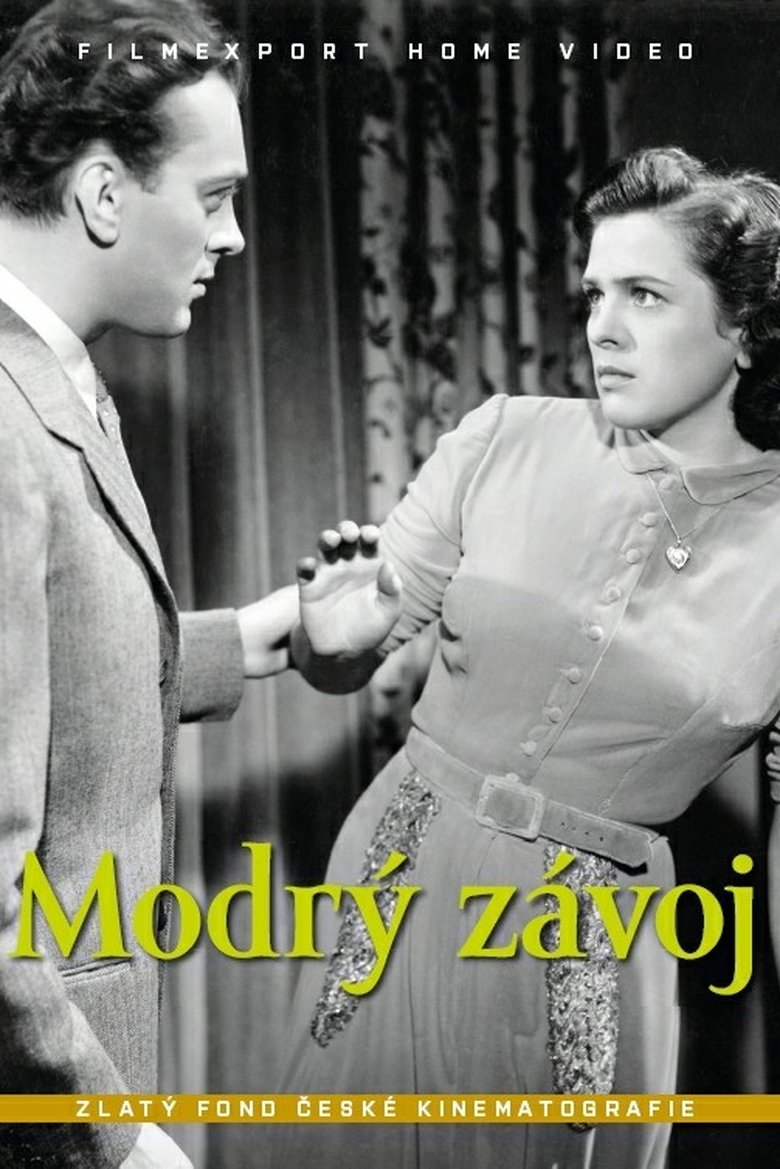
Modrý závoj
Marta Hornová, a blind soloist of the radio orchestra, becomes acquainted with the actor of the state drama Robert Holan. He also meets her sister Helena, a talented sculptor, whom he mistakes for Marta. However, when he returns her blue veil, which she supposedly lost during their meeting in the radio building, Helena realizes that Holan actually loves her sister...
Filmography
as Mate #3
as Doctor
as Strak's secret council
as Simon
as Kraus von Zillergut
as Sultán
as František Soukup
as Archbishop of Prague
as pražský purkmistr
as Kral
as Hungarian Delegate
as docent patologie
as Pavel Průša