
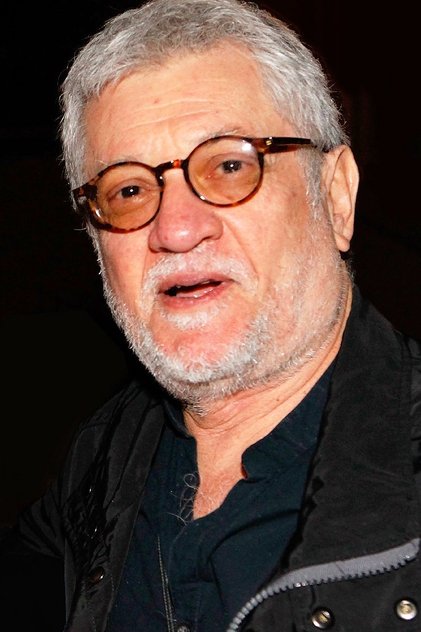
Walter Carvalho
Camera
Biography
Walter Carvalho is a critically and internationally acclaimed Brazilian cinematographer. Carvalho has worked on over 70 films in his career since entering the Cinema of Brazil in 1973. He has won some 30 different professional film awards to date and has worked on acclaimed Brazilian films such as Carandiru in 2003. He is the father of also cinematographer Lula Carvalho.
Born: January 1, 1947
Place of Birth: João Pessoa, Paraíba, Brazil
Known For
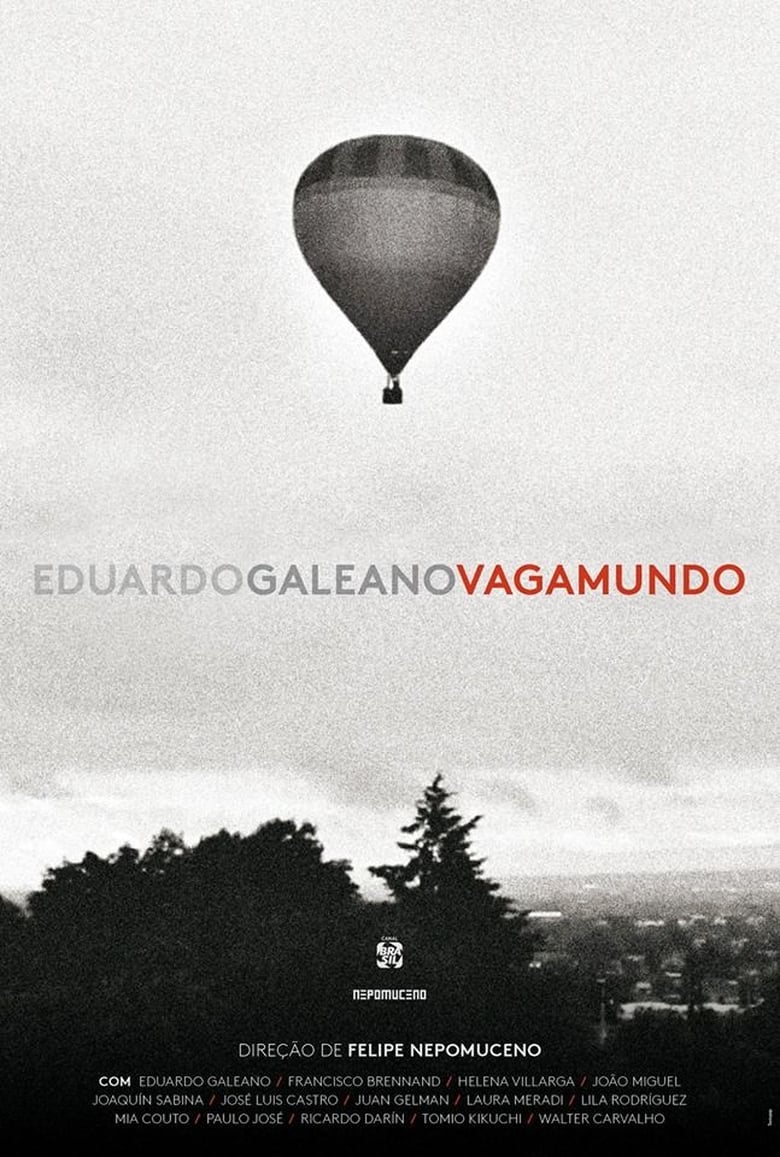
Eduardo Galeano, Vagamundo
A hug movie, for the biggest storyteller in Latin America.
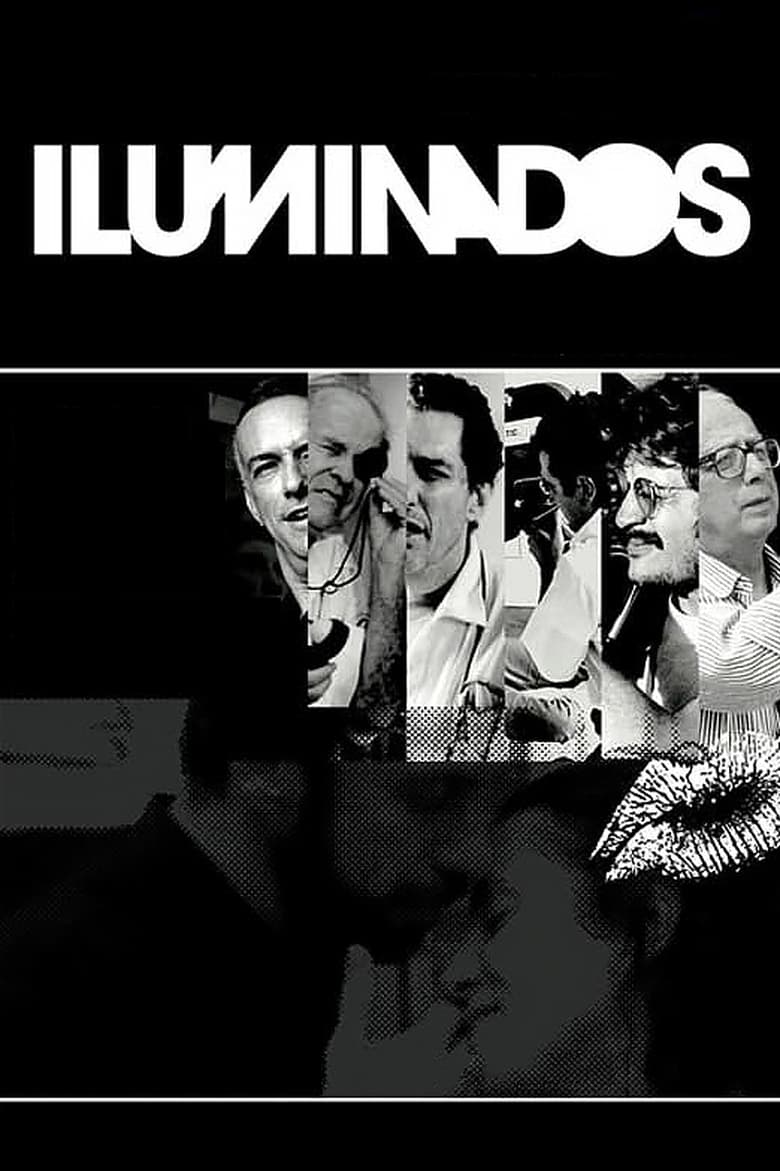
Iluminados
Documentary about the great Brazilian photographers who helped develop Brazilian cinema and their opinions on their work, making movies in Brazil and in general, and other subjects. As a bonus, they all agreed to shoot the same scene following their individual concepts, and the result is shown for comparison.
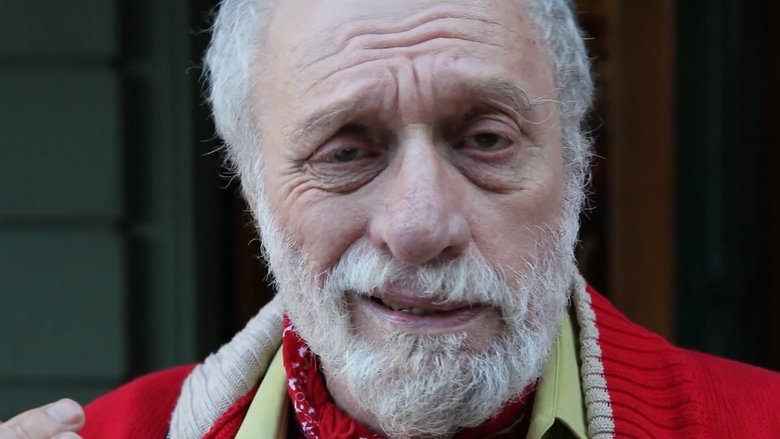
Peréio, Eu Te Odeio!
23 years in the making, “Pereio, Eu Te Odeio!” is a documentary on legendary Brazilian actor Paulo Cesar Pereio, an irreverent and controversial artist and public figure, as told by the testimonies of friends, family, and society members who hate him.
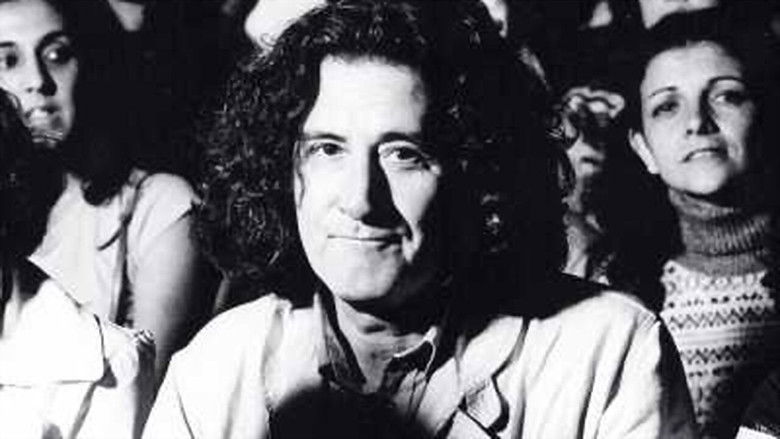
Augusto Boal and the Theatre of the Oppressed
The movie "Augusto Boal and the Theatre of the Oppressed" shows the path of the dramaturgo Augusto Boal at the creation of a theatre that has as objective to transform those who participate it in a spiral of changes, in an oppressing society. Along the trajectory we see Boal's intellectual search and the transformations of the Brazilian society, from the 60s to nowadays. The spectator will meet the numerous uses of the Theatre of the Oppressed around the world (there are groups in 77 countries) and how they manifest in different situations, characterized by the relation between the oppressor and the oppressed, from the biggest to the smallest powers.
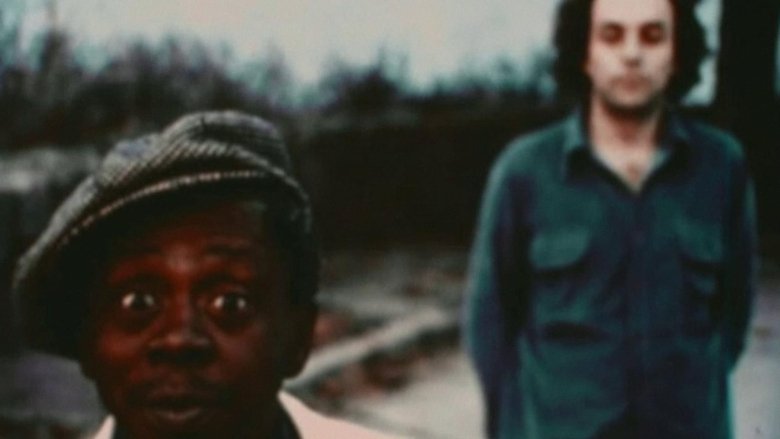
Chinese Viola
The rare short film presents a curious dialogue between filmmaker Julio Bressane and actor Grande Otelo, where, in a mixture of decorated and improvised text, we discover a little manifesto to the Brazilian experimental cinema. Also called "Belair's last film," Chinese Viola reveals the first partnership between photographer Walter Carvalho and Bressane.
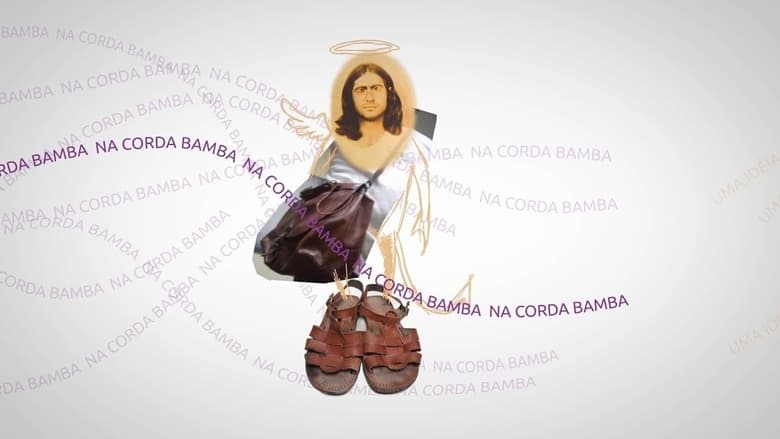
Cacaso
Cacaso, a Brazilian poet, lived in Rio de Janeiro. Born Antonio Carlos de Brito (1944-1987) he was one of the leaders of the marginal poetry movement. Cacaso filled notebooks not only with poems but reflections, drawings and collages. He also became a lyricist and partner of celebrated songwriters such as Tom Jobim, Edu Lobo, Toninho Horta, João Donato and Sivuca.
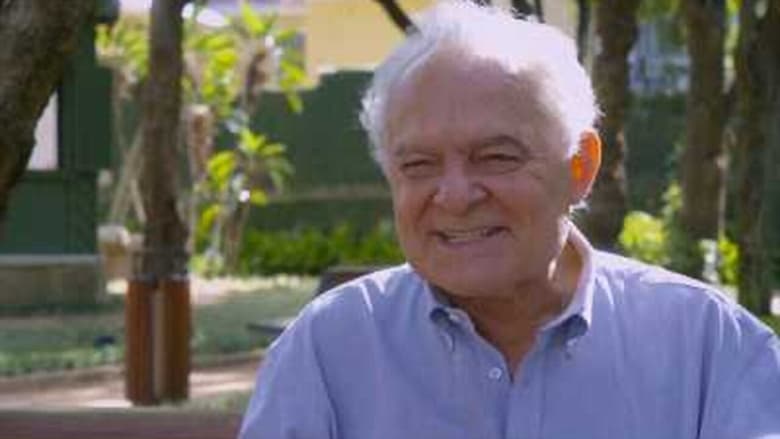
Candango: Memoirs from a Festival
In 1965, a year after the military coup in Brazil, an oasis of freedom opened in the country's capital. The Brasília Film Festival: a landmark of cultural and political resistance. Its story is that of Brazilian cinema itself.
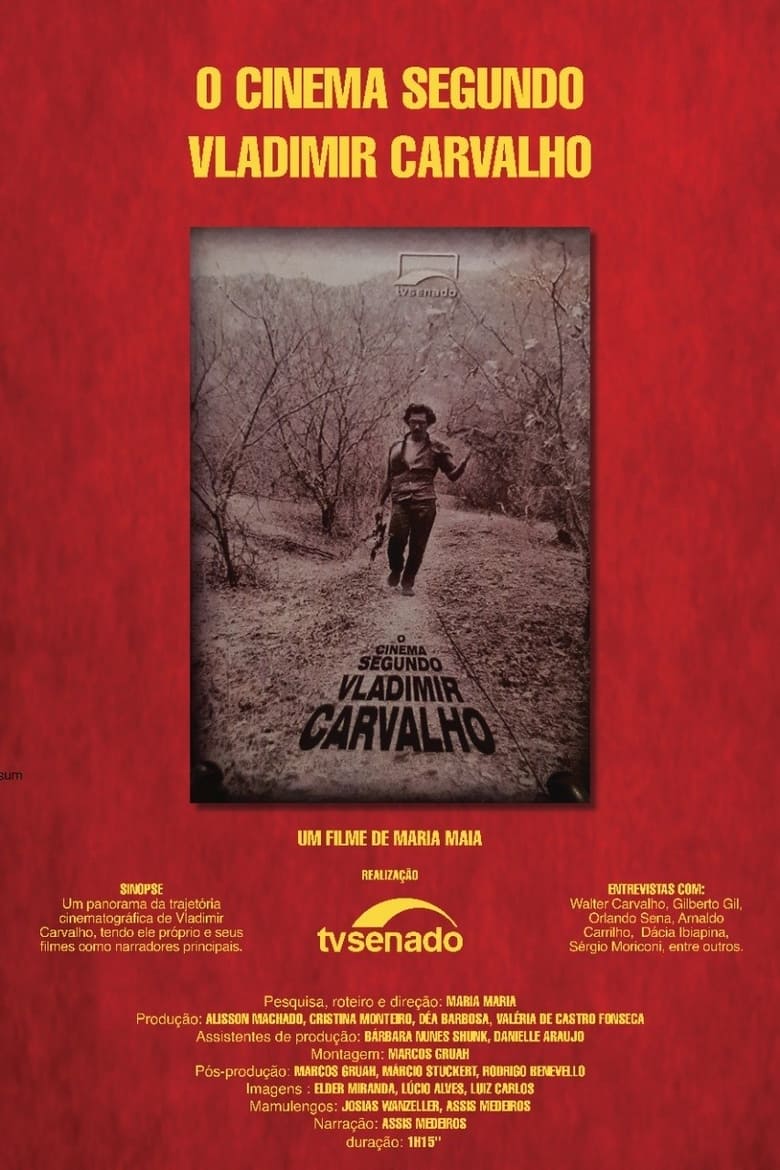
O Cinema Segundo Vladimir Carvalho
The documentary presents an overview of Vladimir Carvalho's cinematographic career, from the very beginning, as a co-writer of “Aruanda” (1960), directed by Linduarte Noronha, to the present day. With Vladimir himself as the main narrator and illustrated by scenes from his films, the documentary also features interviews with Gilberto Gil, Orlando Senna, Arnaldo Carillo, Dácia Ibiapina, Fernando Duarte, Sérgio Moriconi, among others.
Procura-se Meteorango Kid: Vivo ou Morto
Meteorango Kid – O Herói Integalático, by André Luiz Oliveira, is a cult movie made in Bahia, awarded at the 1969 Brasília Festival and censored by the dictatorship. Meteorango Kid: alive or dead is a documentary about the film and its effects on the lives of other artists. André Luiz and musician Tuzé de Abreu, in the company of friends from the generation who used to go crazy, guide us in this search and reveal the mysteries of the invention of this iconic character of countercultural youth.

Quando a Coisa Vira Outra
Vladimir Carvalho's Cinema of Inequality marked the documentary filmmaker's trajectory over decades of activity. Considered one of the most important Brazilian documentary filmmakers in activity, his images influenced the emergence of Cinema Novo and the new Brazilian documentary years later. Quando a Coisa Vira Outra covers the most important films made by Vladimir, revealing where ideas come from to show the true reality of a country.
Filmography
as Self
as Self
as Self
as himself
as Self
as Self
as Self
as Ele mesmo
as Self