
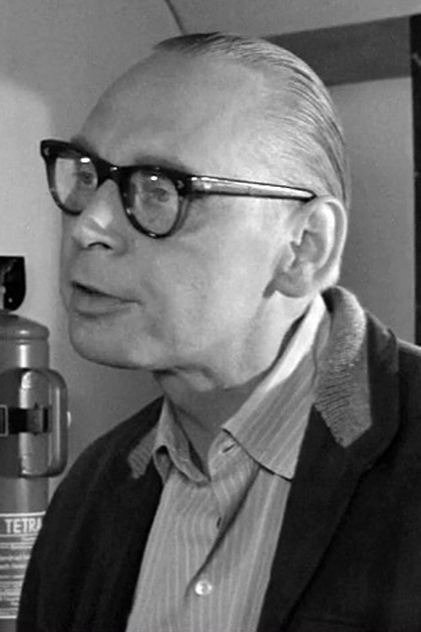
Walter Jupé
Acting
Biography
No biography available for Walter Jupé.
Born: April 6, 1916
Place of Birth: Berlin, Germany
Known For
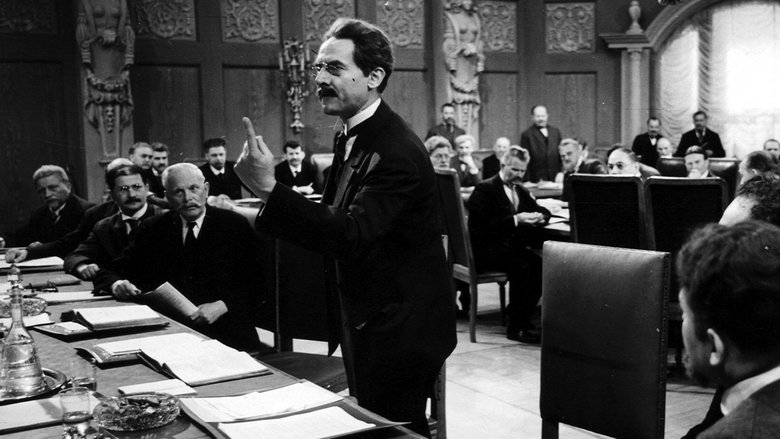
As Long as There’s Life in Me
This is part one of a two-part biopic about Karl Liebknecht. In 1914, Germany is arming itself for war. Karl Liebknecht, left-wing revolutionary Social Democrat, workers’ leader and a virulent antimilitarist, is one among 110 SPD members of Parliament who vote against approving war loans. From then on, he is considered un-German and a traitor to the fatherland, and his own party’s leadership turns against him. Despite threats, Liebknecht speaks up against the war and writes the manifesto “The Main Enemy Is at Home.” Even when he is arrested and charged with treason, he does not surrender.
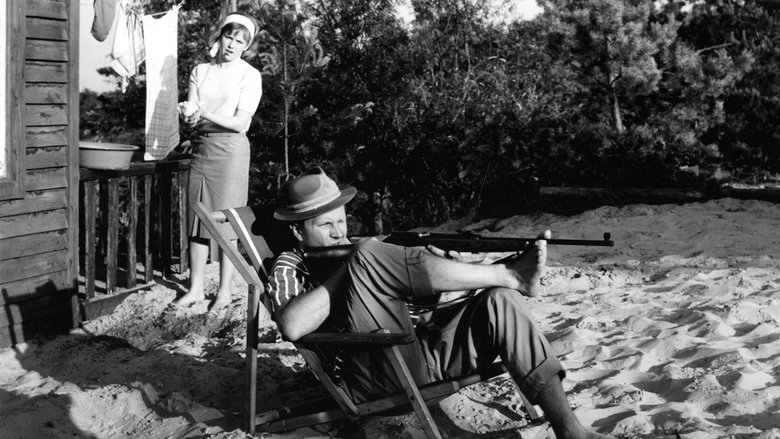
The Rabbit Is Me
Maria, a young student sees her brother Dieter going to prison for sedition against the state. She starts an affair with Paul, a judge who turns out to be the one who sentenced her brother, which eventually leads to a confrontation.
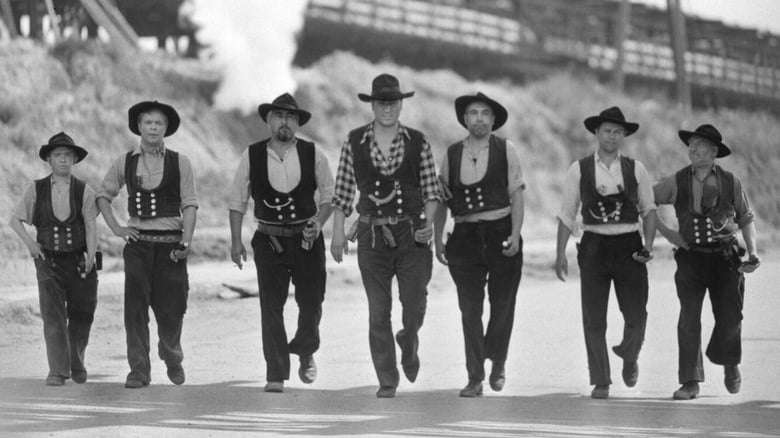
Trace of Stones
Bad planning and shortages prevail on an East German construction site. Foreman Hannes Balla uses unconventional methods to overcome the problems. New Socialist Unity Party secretary Werner Horrath is charged with bringing the rough-and-ready builder crew into line. The task seems doomed to fail as the two men compete for the affections of young engineer Kati Klee. But when she gets pregnant by married man Horrath, he is in danger of being expelled from the party, and Balla takes his side...
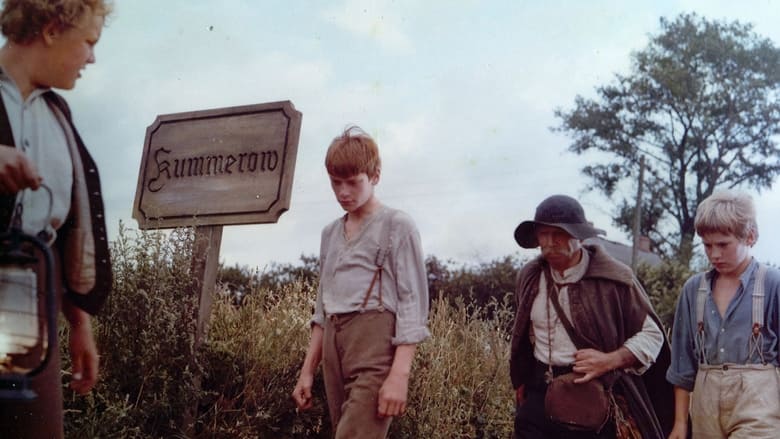
The Just People of Kummerow
In a remote Prussian village, the shepherd Krischan with his fantastic stories is the attraction point for the children. One day they experience together how the Müller Düker beats his horse to death and intervene. Düker sues her for body injury at the district court, and because the main accused, Krischan, lives illegally in the village without papers, the village community decides to deport him before the trial. Krischan disappears. The children feel the loss painfully, are outraged by the adults. The boys Martin and John search for Krischan on an adventurous ride and are put by the police. Krischan remains gone.
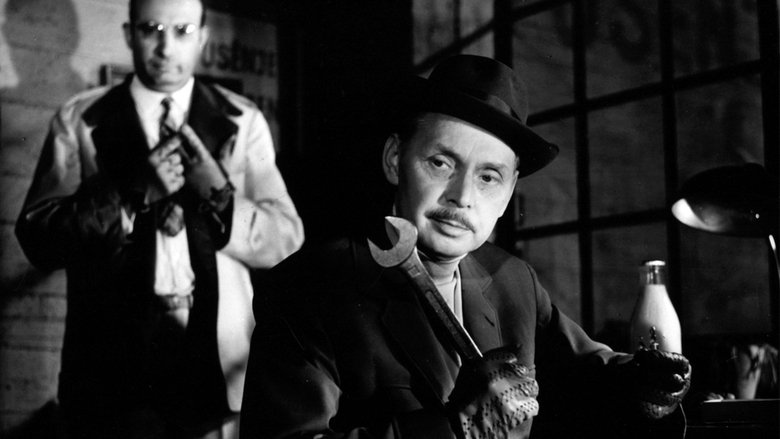
Heroin
This East German movie was co-produced with studios in Hungary and Yugoslavia, with many interesting location shots (border checkpoint to West Berlin, the Gellert bath in Budapest, and more). The plot is about French drug dealers, who obtain heroin somewhere in the Middle East, and smuggle it in several steps to East Berlin, and from there to France (or so it appears), killing when necessary. The hero is an officer of East German customs, who with detective work, some masquerade, and occasional violent action ultimately unravels the whole network, of course with the support of the local customs departments.
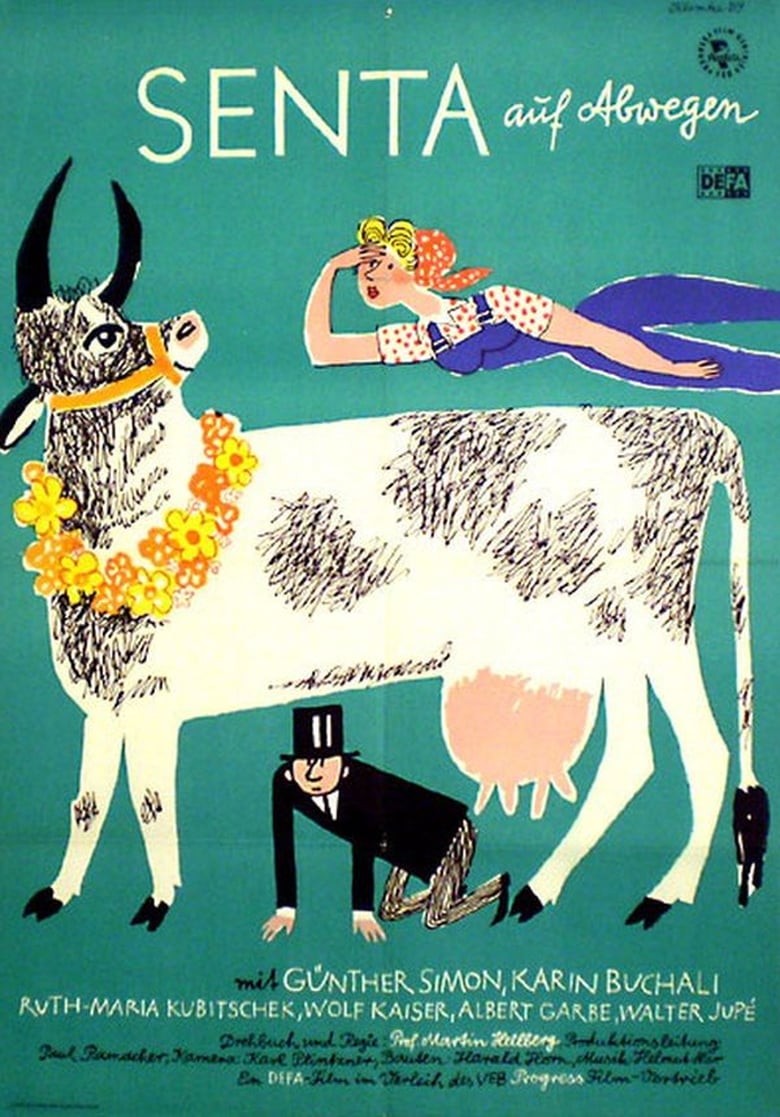
Senta's Gone Missing
The magnificent cow Senta has escaped from an LPG. Matuschek, a single farmer, joins the search. However, the valuable animal is not found and is believed to have strayed across the border into Poland. Meanwhile, Senta is in Matuschek's barn. His maid Mathilde and neighbor Dattelmann have captured her and brought her there. Matuschek conceals a letter to Poland because of the supposedly border-crossing cow and is embarrassed when the cattle farmer Franze Flohr discovers the cow in his barn. Nevertheless, Matuschek and Franze become a couple who also become closer to the LPG.

Ware für Katalonien
At the end of the 1950s, the production of optics in the German Democratic Republic has reached top quality and instigates interest in the West. When national demand rises strongly and at the same time the export to South America heavily decreases, the Volkspolizei - the GDR police force - starts to look into the case. Two seemingly unrelated cases are the starting point for the investigation by second lieutenant Schellenberg of the department for optics racketeering: An old woman who was arrested in the Berlin city railway for trying to smuggle a pair of binoculars to West Berlin, and a dead person in an area of allotments who was involved in obscure dealings with optical devices.
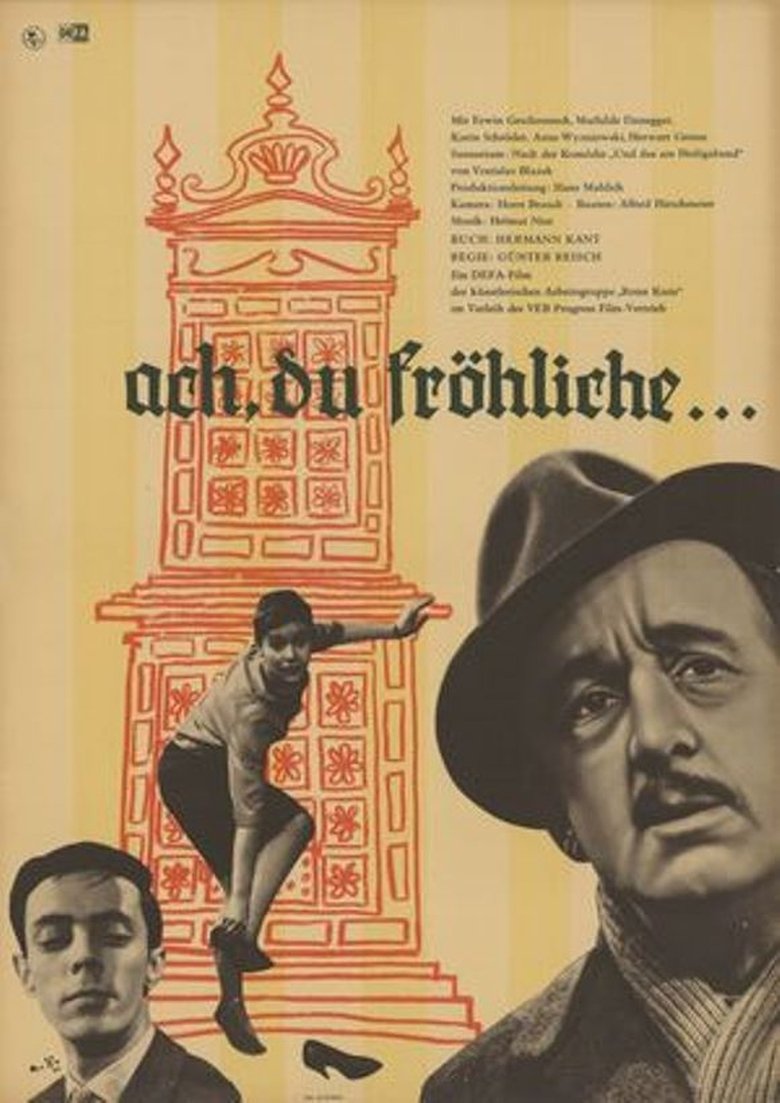
Ach, du fröhliche
It was supposed to be a cozy Christmas evening with the family. Labor Director Walter Lörke was particularly looking forward to it. But then his daughter Anne surprised him with her future son-in-law Thomas Ostermann. And that's not all: Lörke is to become a grandfather. This doesn't suit him at all, especially as the young man clearly shows his critical attitude towards the state whose ideals Lörke has fought for all his life. An argument ensues - on Christmas Eve. Lörke leaves the apartment in a rage. But he is driven by unrest: He wants to know what kind of person his future son-in-law is and why he has such a negative attitude towards the state. It turns out that Thomas has had bitter experiences with the opportunistic attitudes of many adults and that, although he was the best student in his class, he was not admitted to university because of his critical opinions.

Like Father, Like Son
Grandpa Lörke is preparing for a contemplative, quiet Christmas Eve. But nothing comes of it, because his daughter Anne informs him that his 17-year-old granddaughter has disappeared.
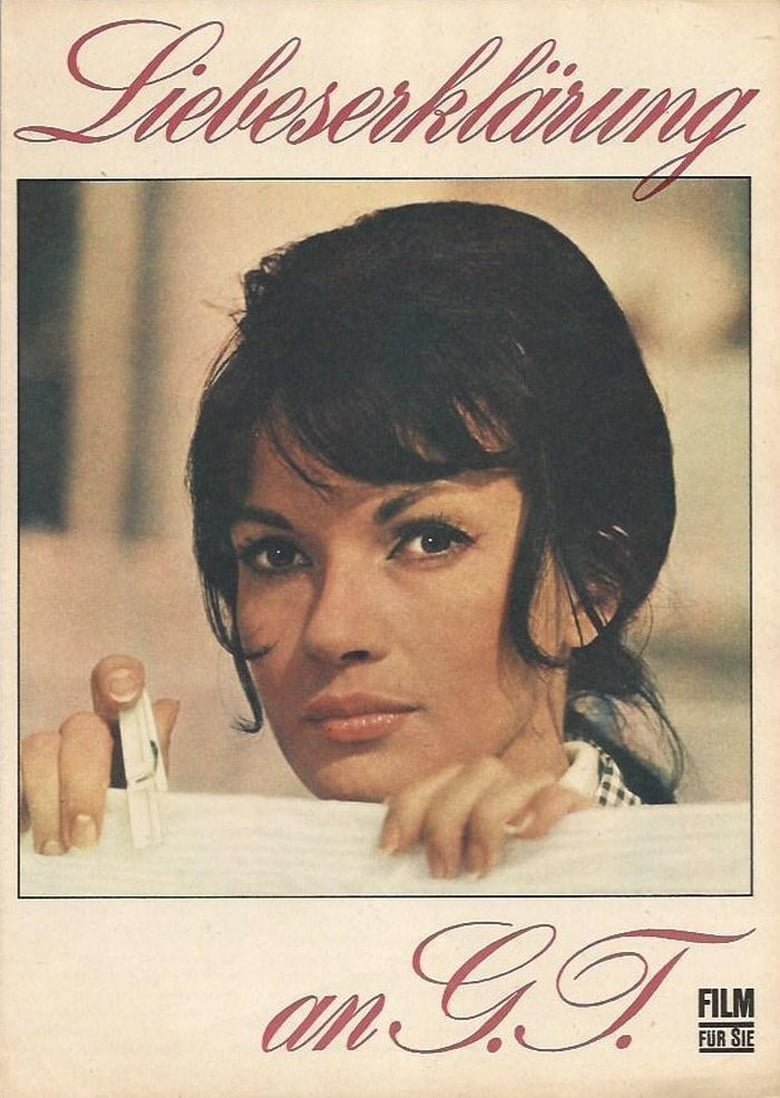
Declaration of Love to G.T.
Dr. Gisa Tonius, a physicist in her thirties who has a nearly adult stepdaughter, cherishes the desire to have her own child. Suddenly, a big interdisciplinary research project threatens to significantly change Gisa′s life. Uncertain whether to look for professional or private fulfillment she asks her family and friends for their opinions. They all have different views on the point at issue. While her husband is afraid of losing her to her profession, her professor thinks that because of her talent she has an obligation towards science. In the end, Gisa reaches a decision: She wants to have a baby as well as take on the research project.
Filmography
as Kannegießer
as Dr. Ledig
as Eisenbrenner
as Chevonne
as Jörns
as Hesselbarth
as Principal
as Narrator (voice)
as Dr. Sawade
as Herr Klinkhöfer
as Pfarrer
as Erwin Kuhlicke
as Erwin
as Dr. von Othera