
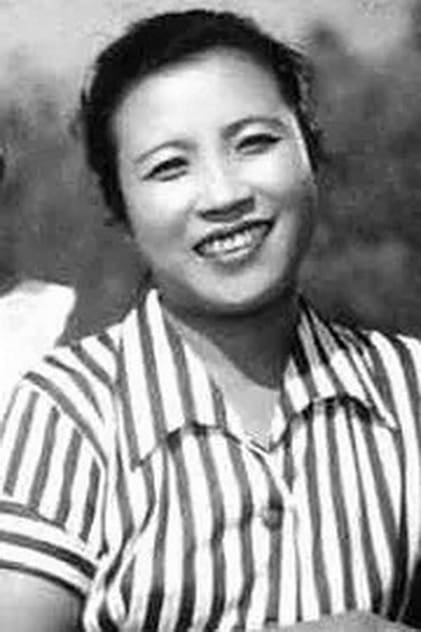
Yūko Mochizuki
Acting
Biography
No biography available for Yūko Mochizuki.
Born: January 28, 1917
Place of Birth: Yokohama, Kanagawa Prefecture, Japan
Known For

Kwaidan
Taking its title from an archaic Japanese word meaning "ghost story," this anthology adapts four folk tales. A penniless samurai marries for money with tragic results. A man stranded in a blizzard is saved by Yuki the Snow Maiden, but his rescue comes at a cost. Blind musician Hoichi is forced to perform for an audience of ghosts. An author relates the story of a samurai who sees another warrior's reflection in his teacup.
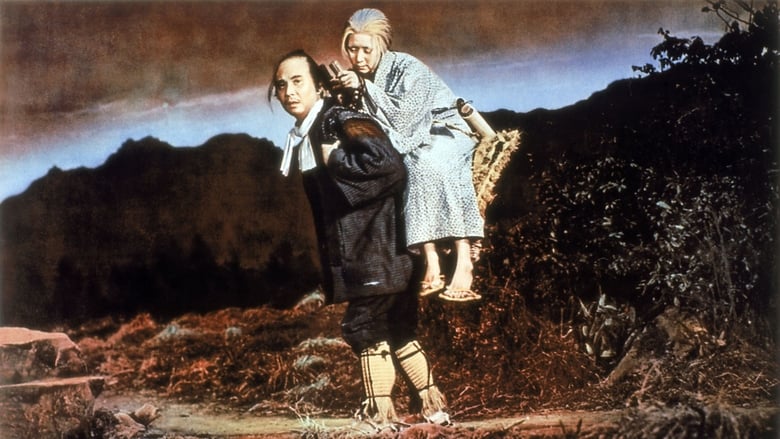
The Ballad of Narayama
In Kabuki style, the film tells the story of a remote mountain village where the scarcity of food leads to a voluntary but socially-enforced policy in which relatives carry 70-year-old family members up Narayama mountain to die. Granny Orin is approaching 70, content to embrace her fate. Her widowed son Tatsuhei cannot bear losing his mother, even as she arranges his marriage to a widow his age. Her grandson Kesa, who's girlfriend is pregnant, is selfishly happy to see Orin die. Around them, a family of thieves are dealt with severely, and an old man, past 70, whose son has cast him out, scrounges for food. Will Orin's loving and accepting spirit teach and ennoble her family?
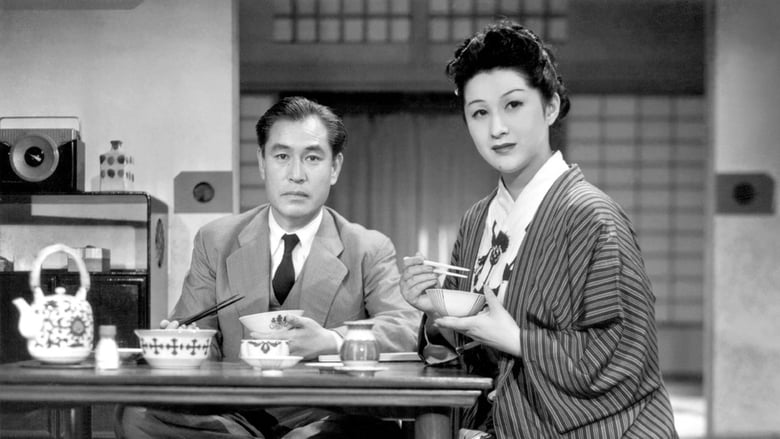
The Flavor of Green Tea Over Rice
The arranged marriage between a capricious woman from Tokyo high society and a quiet and rustic man is tested by a marital crisis.
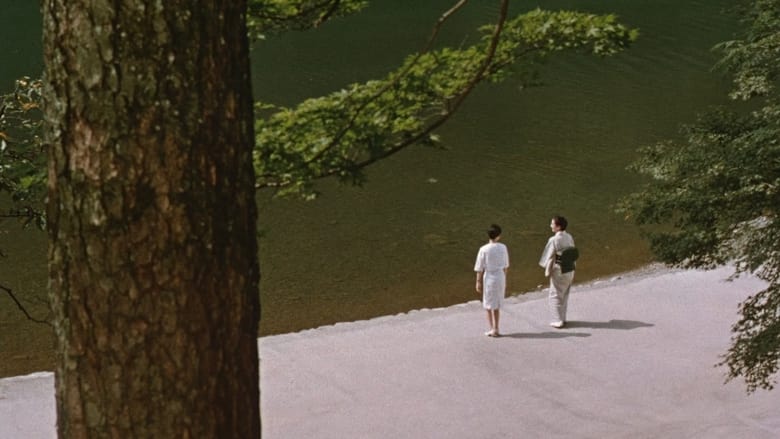
The End of Summer
The family of an older man who runs a small sake brewery become concerned with his finances and his health after they discover him visiting an old mistress from his youth.
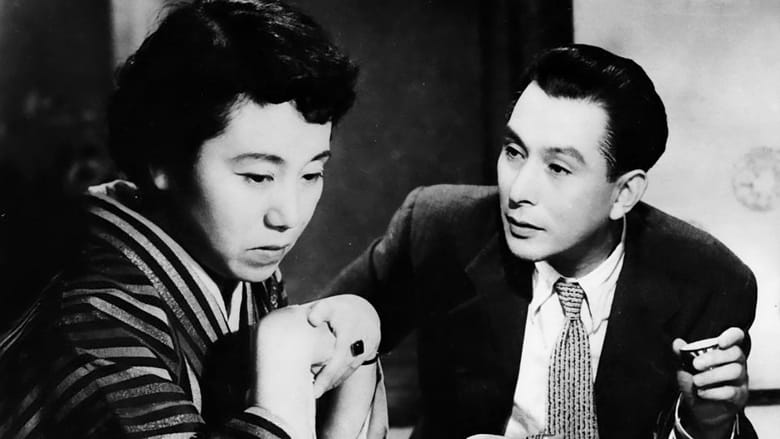
Late Chrysanthemums
With delicate, unobtrusive strokes, Naruse evokes both the humor and bitterness of his characters’ dilemmas, in this bleak, compelling poignant portrait of a quartet of aging geishas contemplating their troubles with men and money.

The Thick-Walled Room
A group of rank-and-file Japanese soldiers are jailed for crimes against humanity, themselves victims of a nation refusing to bear its burdens as a whole.

This Way, That Way
An intellectual couple in a staid and tedious marriage are surprised when the wife’s niece, who has run away from home, turns up unexpectedly to stay with them. Their mundane lives are sent into disarray by the emotional and energetic Ako.
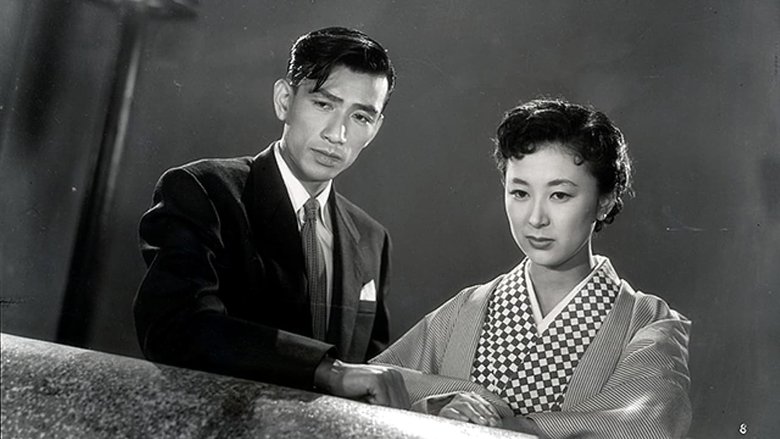
Always in My Heart Part 3
Machiko and Haruki’s drama continues. Machiko is not allowed to see Haruki. They finally meet again, but Haruki departs to Europe.
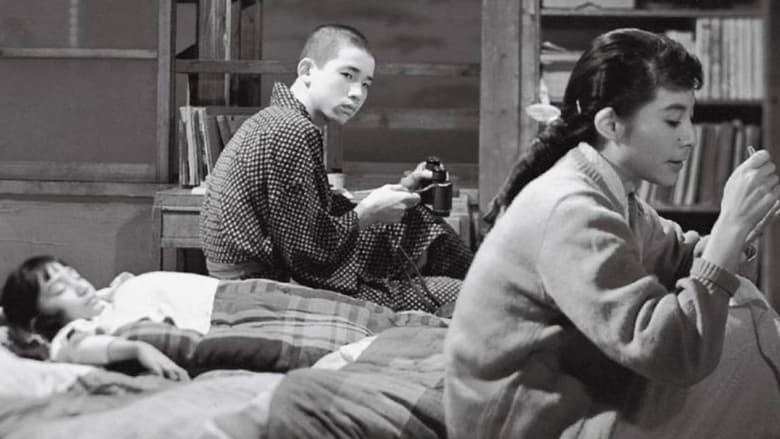
Farewell to Dream
A coming-of-age story portrayed as the loss of all youthful illusions. Sixteen-year-old Yoichi dreams of becoming a sailor. His parents are fishmongers, and Yoichi lives together with them and his four siblings in cramped living conditions. His beloved younger sister is given to a wealthy, childless uncle; his best friend moves away; the girl he fell in love with from afar is with someone else: little by little, Yoichi loses all the people that are important to him.
Always in My Heart
Machiko Ujiie and Haruki Atomiya first meet and fall in love on Ginza’s Sukiyabashi Bridge during the Great Tokyo Air Raid in March 1945. Machiko and Haruki pledge to meet again at the bridge in six months but part without asking each other’s names.
Filmography
as Ume
as Minokichi's Mother (segment "The Woman of the Snow")
as Fumi Ozaki
as Mother
as Farmer's Wife
as Kuniko
as Mother
as Tamayan
as Yôichi's mother, Oshin
as Mother Fumi
as Tomi
as Haruko Inoue
as Kotora
as Yuki Aoyama