

Yoshirō Uchida
Acting
Biography
No biography available for Yoshirō Uchida.
Born: December 14, 1953
Place of Birth: Toyohashi, Aichi Prefecture, Japan
Known For
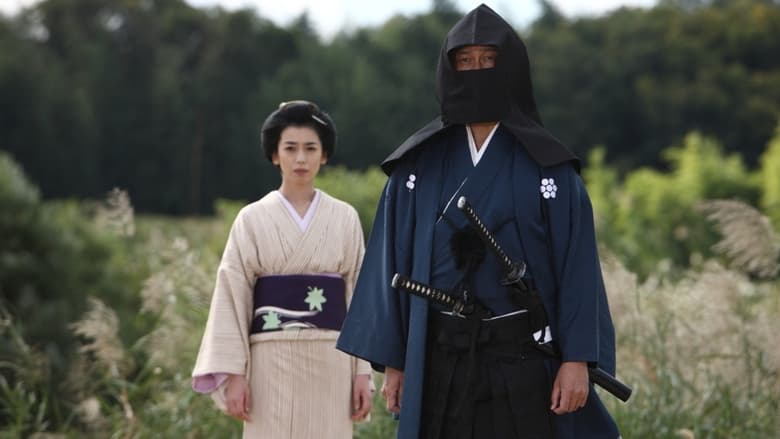
Kumokiri Nizaemon
During the Kyoho period in the reign of Tokugawa Yoshimune, there is a gang of thieves active not just in Edo but also the Tokaido and the Nakasendo, and all across the Kansai region, stealing large sums of money with skillful techniques. They only target the very wealthy and never kill or injure people. They appear with the clouds and disappear like the mist. On the night that the beautiful Ochiyo is to become the bride of a dry goods dealer, a large amount of money hidden inside the shop is stolen. The gang disappears without injuring anyone. It was a two-year plan to marry Ochiyo off so that she could bring them in. The leader of this gang is Kumokiri Nizaemon, the greatest bandit of all time. He keeps a rein on his highly-skilled and notorious followers Nanabake no Ochiyo, Kinezumi no Kichigoro, Subashiri no Kumagoro, Ingakozo Rokunosuke and others.
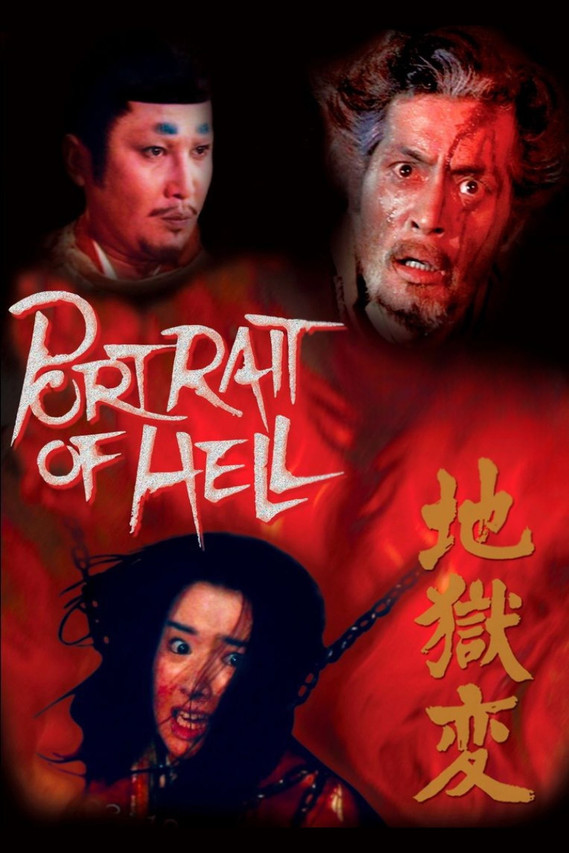
Portrait of Hell
The story, set in the Heian era, depicts the conflict between Korean painter Yoshihide (Nakadai) and his Japanese patron, the cruel and egotistical daimyo Horikawa (Nakamura). It is based on the 1918 short story Hell Screen by Ryūnosuke Akutagawa.
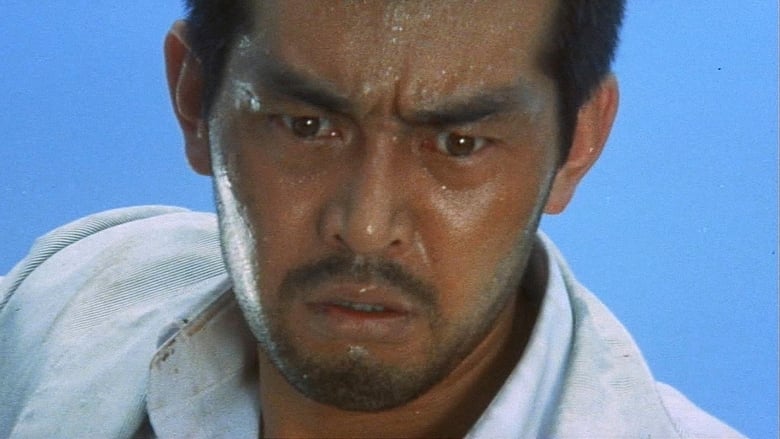
Stray Dog
When his pistol is stolen, police detective Murakami is humiliated, especially when the gun is later implicated in a crime. Working with his superior, Chief Detective Sato, Murakami works feverishly to trace the location of his pistol, ultimately clashing with a gang of youthful Okinawans.
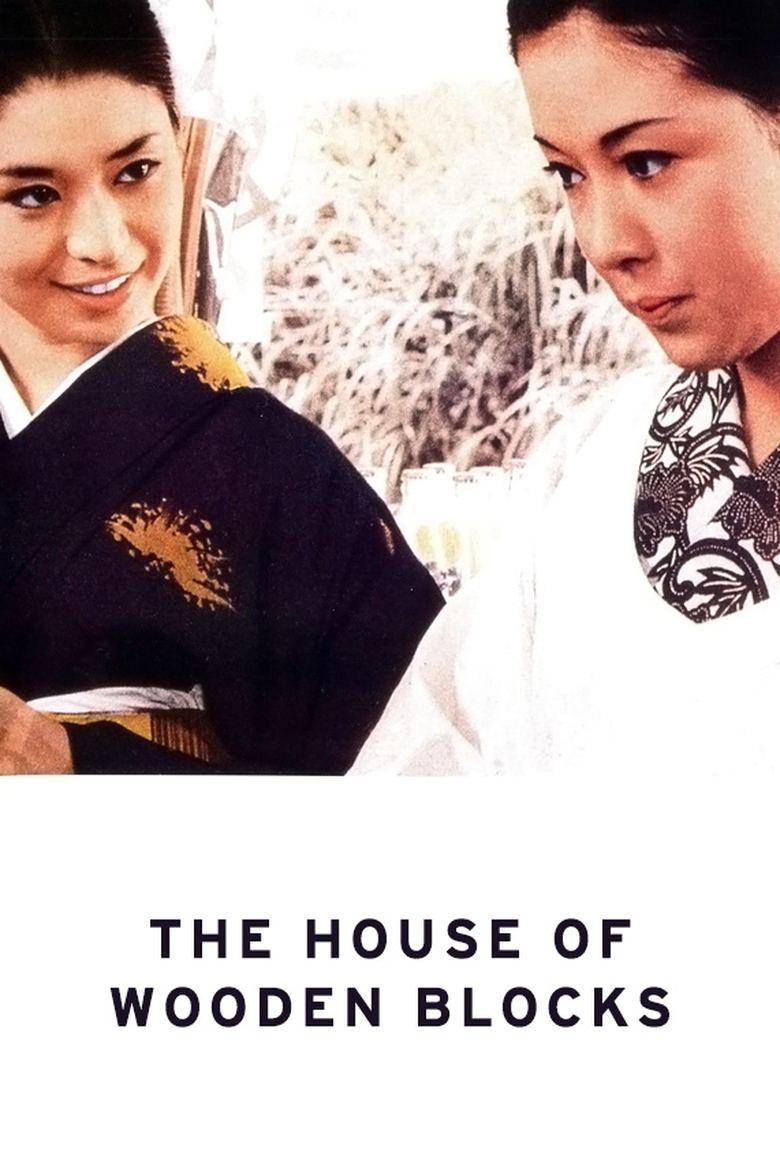
The House of Wooden Blocks
On his return from school, young Ichiro finds his father in bed with his adopted sister, Namie. Enraged, he decides to outdo his father in terms of immoral behaviour.
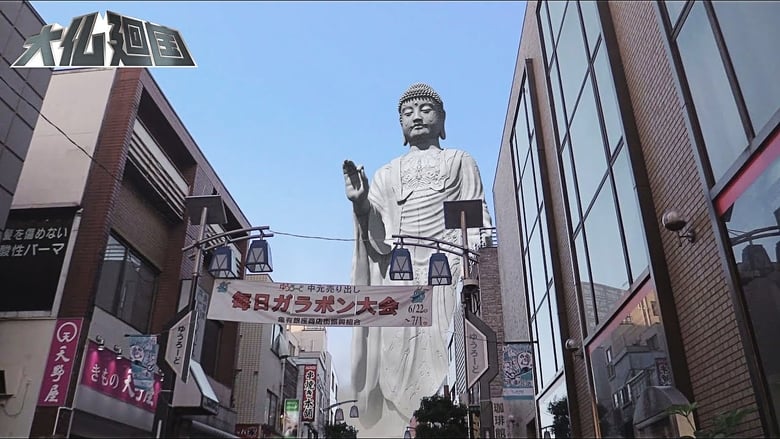
The Great Buddha Arrival
An all-star reboot of the lost classic 1934 film, The Giant Buddha Statue's Travel Through The Country, made with the cooperation of director Yoshiro Edamasa's grandson. From Japan, a modern kaiju story based on what may be the first kaiju film.

Nezura 1964
A biopic based on the production of Daiei's Giant Horde Beast Nezura, the scrapped precursor to Gamera.
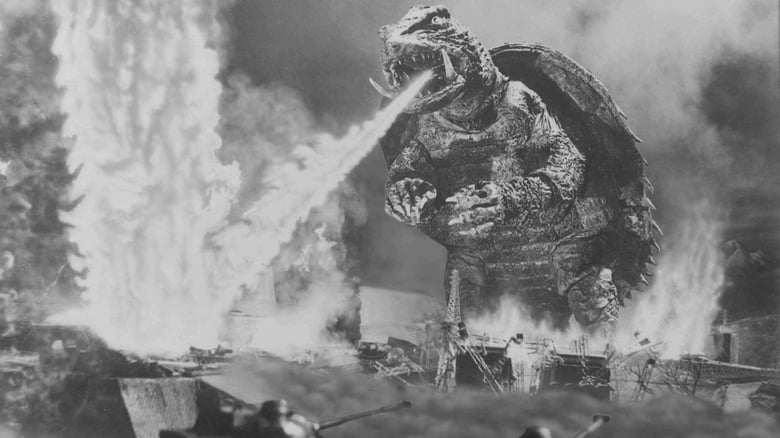
Gamera, the Giant Monster
A nuclear explosion in the far north unleashes Gamera, the legendary flying turtle, from his sleep under the ice. In his search for energy, Gamera wreaks havoc over the entire world, and it's up to the scientists, assisted by a young boy with a strange sympathic link to the monster, to put a stop to Gamera's rampage.
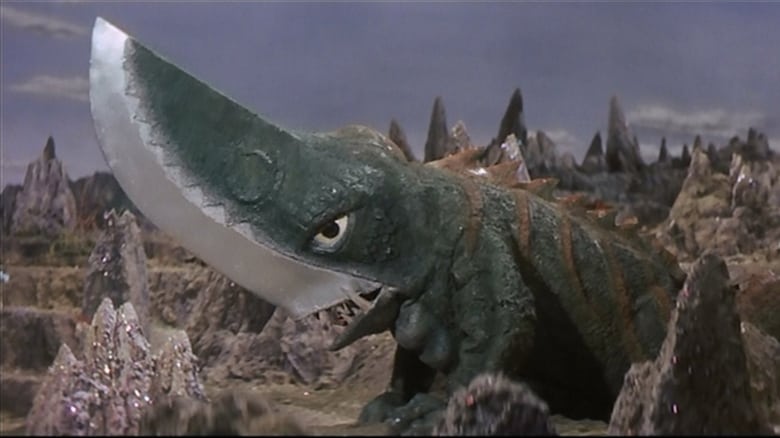
Gamera vs. Guiron
Two young boys sneak aboard a spaceship and find themselves whisked away to the mysterious planet Terra. There, they encounter Gamera's old foe Gyaos and two female aliens with a taste for human brains. Gamera must save the children and battle the new monster Guiron, whose entire body is a deadly living weapon.
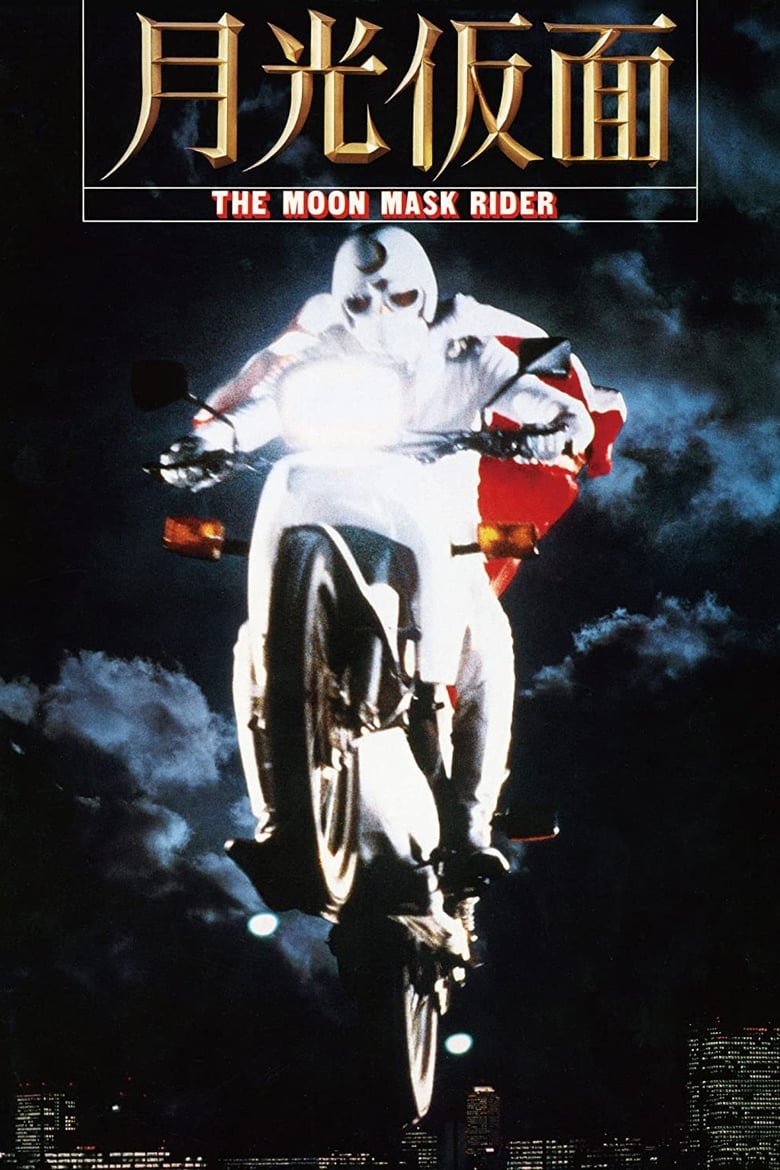
The Moon Mask Rider
The Moon Mask Rider is a tokusatsu movie produced by Purumie International/Herald Enterprises and distributed by Nippon Herald Pictures, was released theatrically on March 14, 1981. Considered Japan's answer to the American box-office fiasco, The Legend of the Lone Ranger (released the same year), this updated version of the Moonlight Mask legend bombed at the Japanese box-office. Daisuke Kuwahara (who, like Klinton Spilsbury , disappeared from doing films) plays George Owara (Moon Mask Rider's new alter-ego), and the rest of the cast made up of veteran action starlets: Sue Shihomi, Daijiro Harada and Takayuki Godai.

Pomegranate Time
Comedy-drama about university tennis players.
Filmography
as Takiyama
as Mayor Sakurai
as Shiina
as Noboru Kato
as Toshio Sakurai (archive footage)
as Rokusuke Kuwata
as Toshio Sakurai