
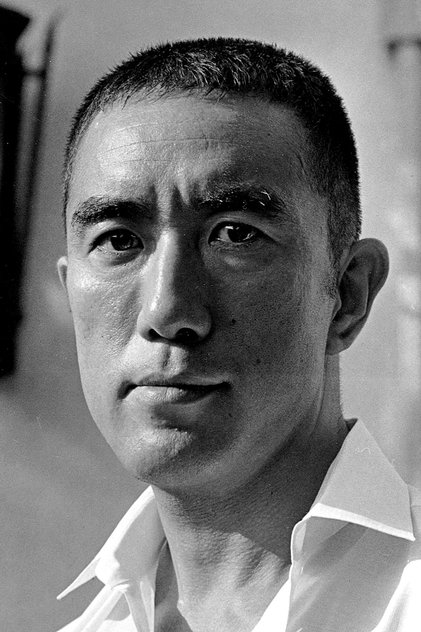
Yukio Mishima
Writing
Biography
Yukio Mishima (三島 由紀夫 Mishima Yukio) is the pen name of Kimitake Hiraoka (平岡 公威 Hiraoka Kimitake, a Japanese author, poet, playwright, actor, and film director. Mishima is considered one of the most important Japanese authors of the 20th century.
Born: January 14, 1925
Place of Birth: Shinjuku, Tokyo, Japan
Known For
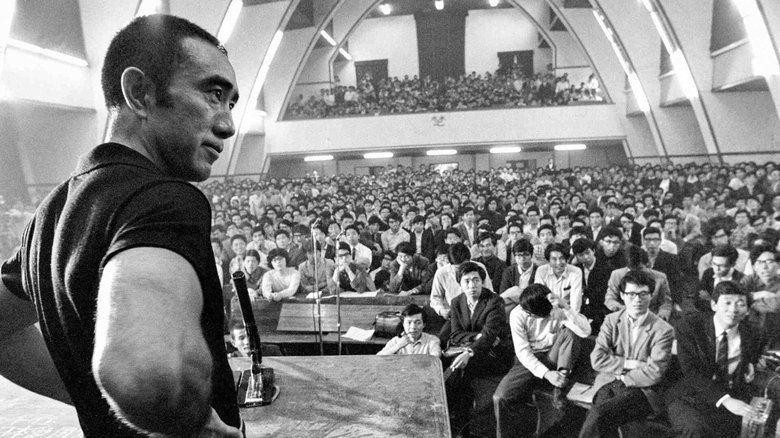
Mishima: The Last Debate
Restored footage of a famous debate between Yukio Mishima and students at Tokyo University in 1969, just one year before the author's death.
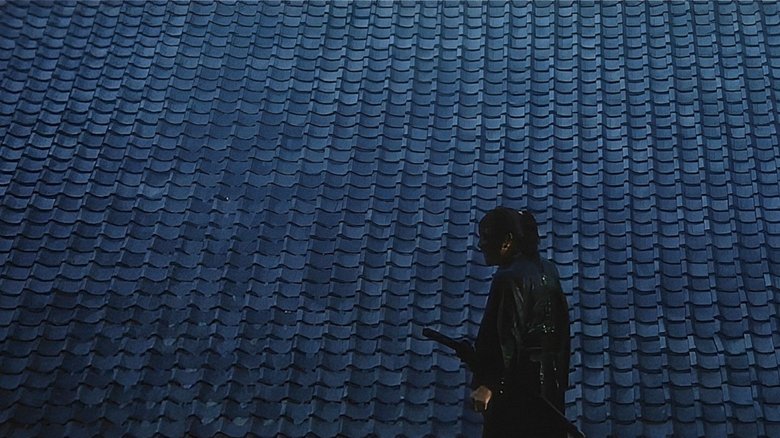
Tenchu!
A ronin desperately seeks a way out of financial straits; he allies with the Tosa clan under the ruthless leader Takechi, who quickly takes advantage.
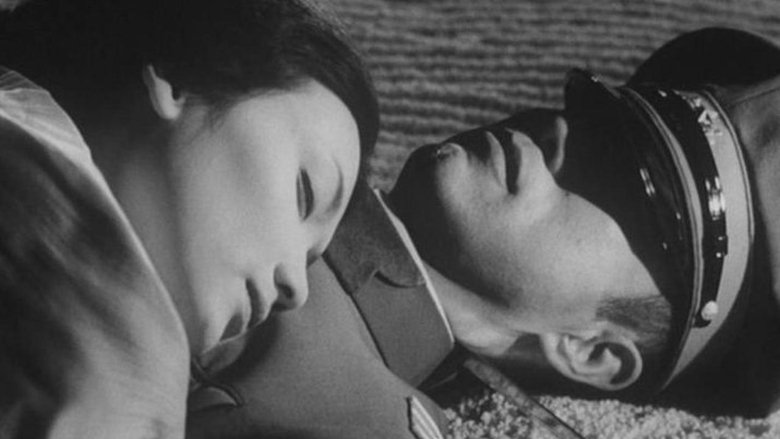
Patriotism
Two characters on a Noh stage dramatize the rite of love and death of Lieutenant Shinji Takeyama and his wife Reiko.
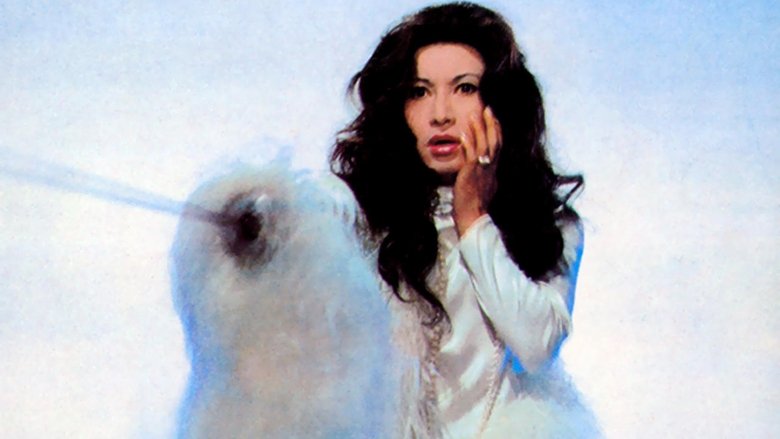
Black Lizard
A detective tries to outwit an art loving thief who has kidnapped the daughter of a jeweler to get to an exquisite diamond.
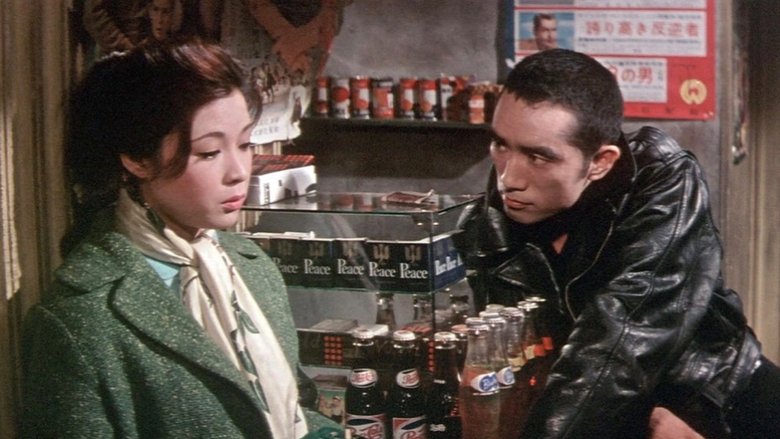
Afraid to Die
On his release from prison a young yakuza, along with his brother, decides to turn his back on criminal life instead of taking over the position of his recently deceased father, boss of the Asahina clan. But their exit proves more difficult than planned when their rival clan steps in to exact revenge.
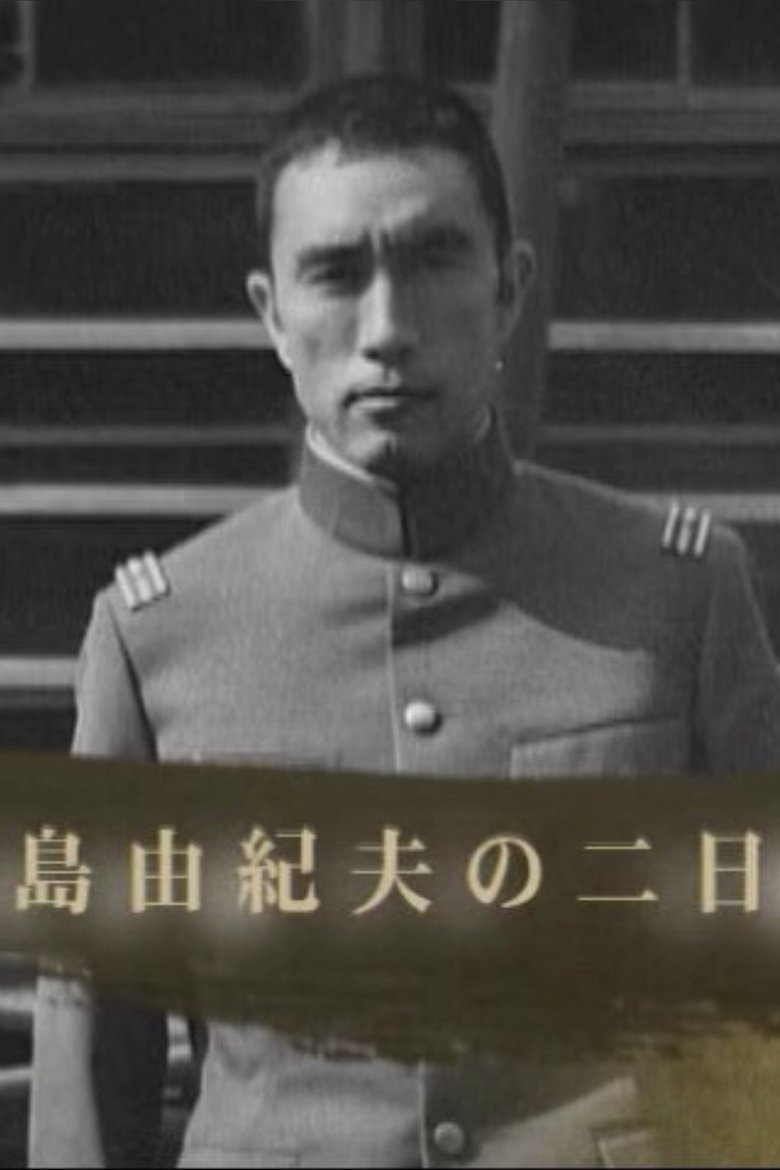
Two Days with Yukio Mishima
This documentary, produced by Hiroaki Fujii in 2005, features the crew of Yukio Mishima's 1966 film PATRIOTISM recounting their filming experience.
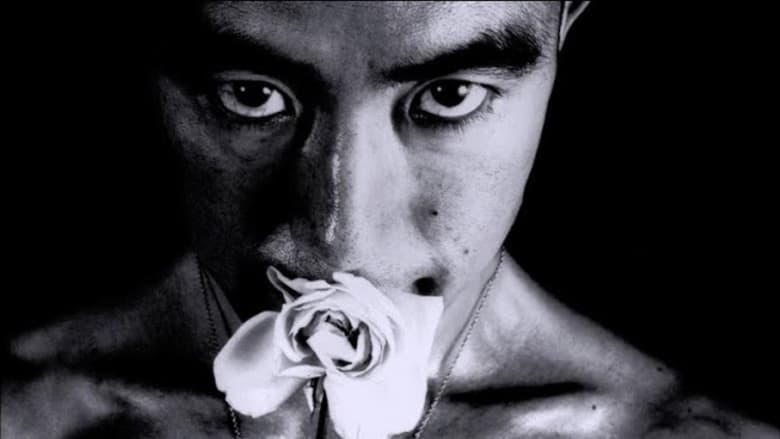
The Strange Case of Yukio Mishima
A BBC television documentary on the life of Yukio Mishima that highlights the many known major aspects of his life and personality.
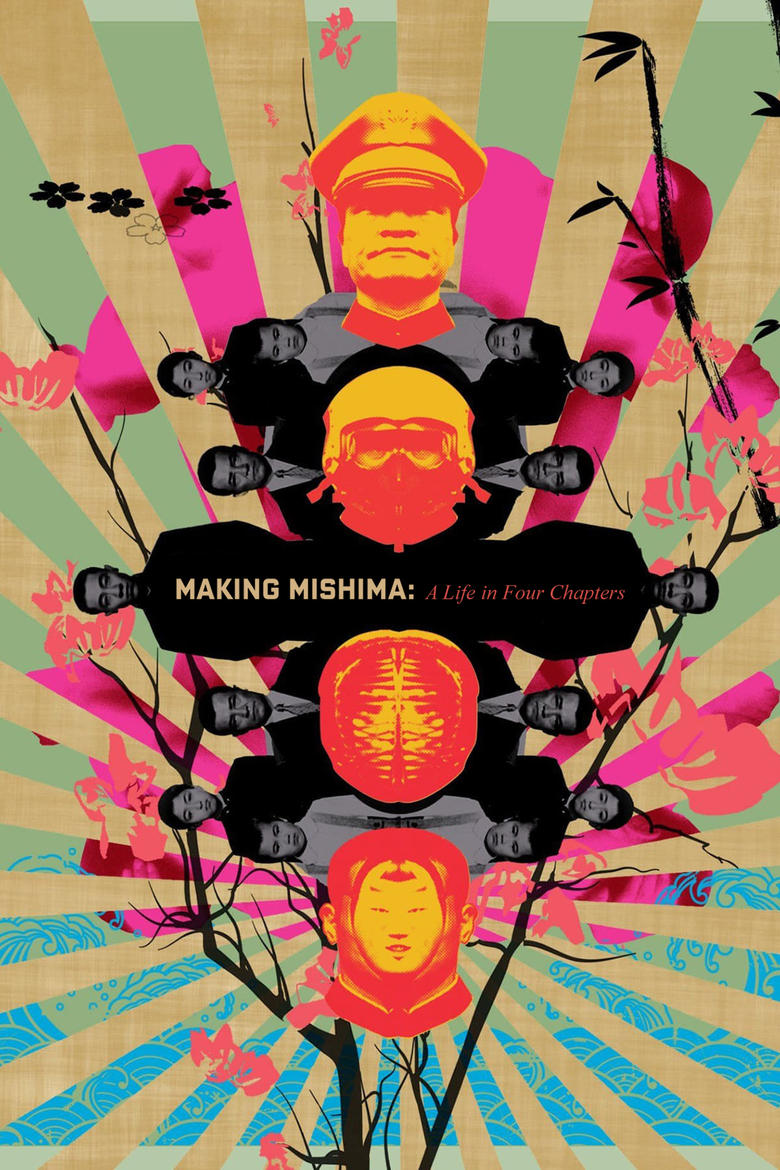
Making Mishima
In this archival documentary, cinematographer John Bailey, production designer Eiko Ishioka, and composer Philip Glass discuss the conception of Paul Schrader's film, the image of Mishima that they had prior to committing to the project, the manner in which some of his ideas resonated with them, the unusual portrait of Mishima that the film offers, its form and visual style, etc.

Tennessee Williams: Orpheus of the American Stage
A study of Tennessee Williams's life and work as a whole, ranging from his youth in Mississippi and in St. Louis to success and acclaim, followed by the final difficult years. Includes some of the most celebrated scenes from film adaptations of Williams' work, among them extracts of A Streetcar Named Desire (1951),Cat on a Hot Tin Roof (1958), Night of the Iguana, The (1964), and Suddenly, Last Summer (1993) (TV). Contains footage of Williams being interviewed, including conversations with David Frost, 'Edward R. Murrow (I)', and Melvyn Bragg, as well as reminiscences from people who knew and worked with him, among them Edward Albee, Gore Vidal, and his lifelong friend, Lady Maria St. Just. Features readings from Elia Kazan's Notebook by Kim Hunter.
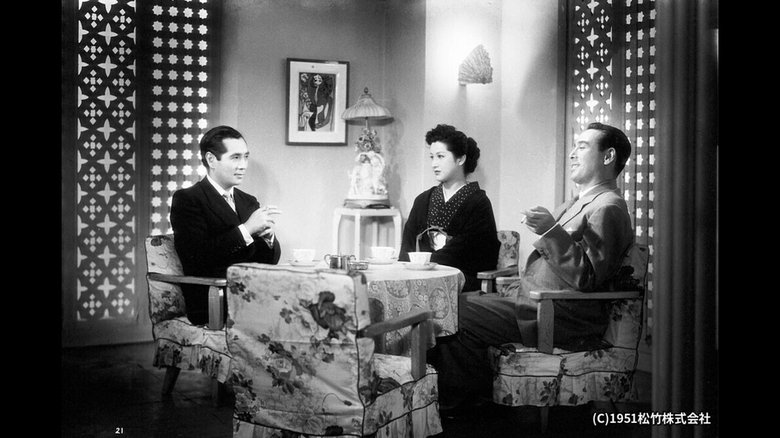
Pure White Nights
"Pure White Nights" - A romantic tale that depicts love between married people and the psychology of their marriage with elegant and a controversial touch. Love, art and suffering until the tragic and absurd ending.
Filmography
as Self (archive footage)
as Self (archive footage)
as (archive footage)
as Self (archive footage)
as Shinbei Tanaka
as Human statue
as Shinji Takeyama
as Himself
as Takeo Asahina
as Himself