
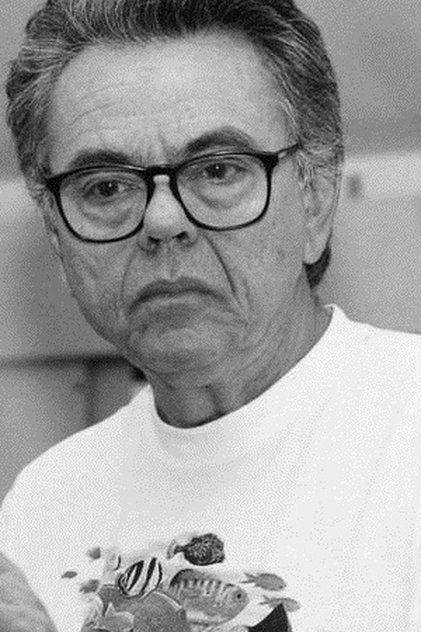
Zelito Viana
Directing
Biography
José Viana de Oliveira Paula (Fortaleza, May 5, 1938), better known as Zelito Viana, is a Brazilian filmmaker.
Born: May 5, 1938
Place of Birth: Fortaleza, Ceará, Brazil
Known For
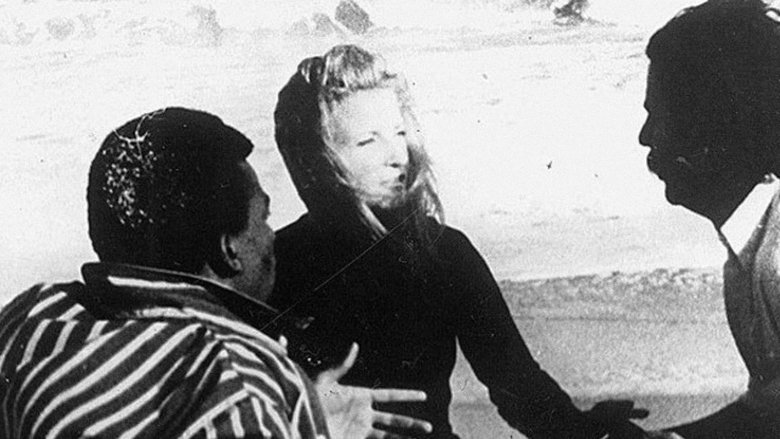
Câncer
This film shows people with constant psychological and social conflicts: the violence among outlaws, conflicts between man and woman, police and society.

Chico Anysio: Um Homem à Procura de Um Personagem
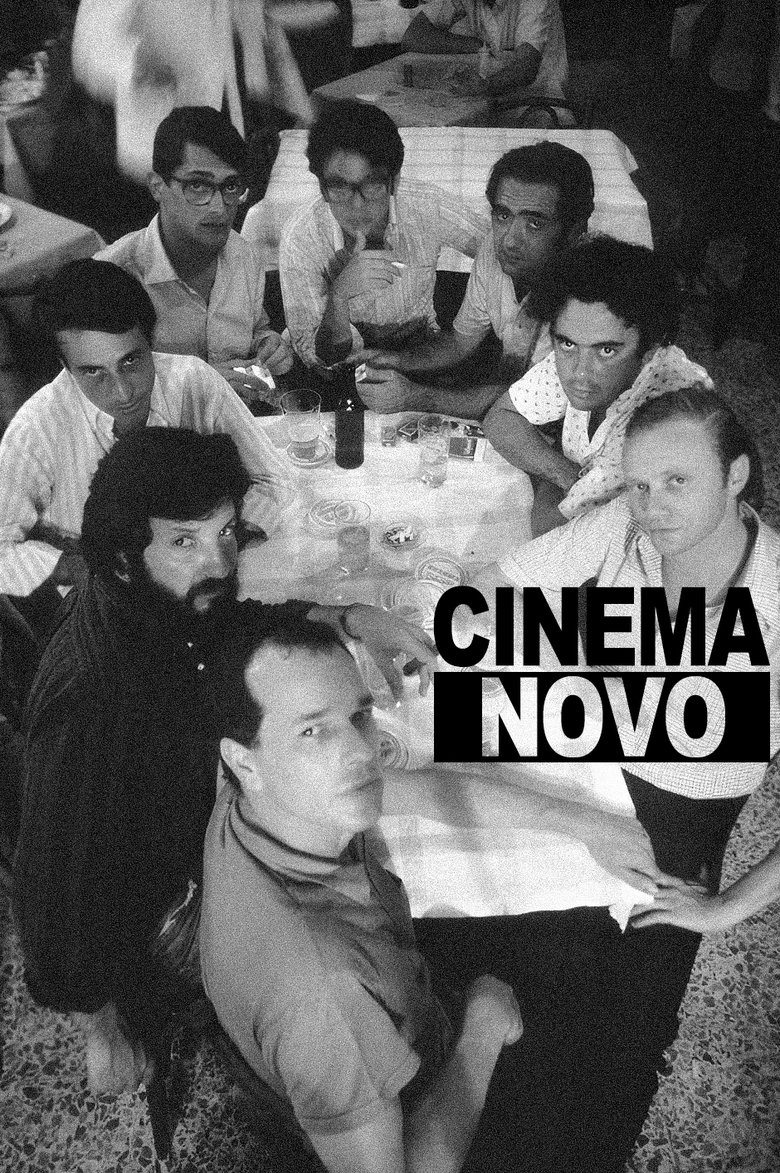
Improvised and Purposeful: Cinema Novo
Originally produced for German TV, Improvised and Purposeful is a firsthand look at the "Cinema Novo" movement (otherwise known as the 'Brazilian New Wave'). Director Joaquim Pedro de Andrade focuses on six Cinema Novo filmmakers working in Rio in 1967.
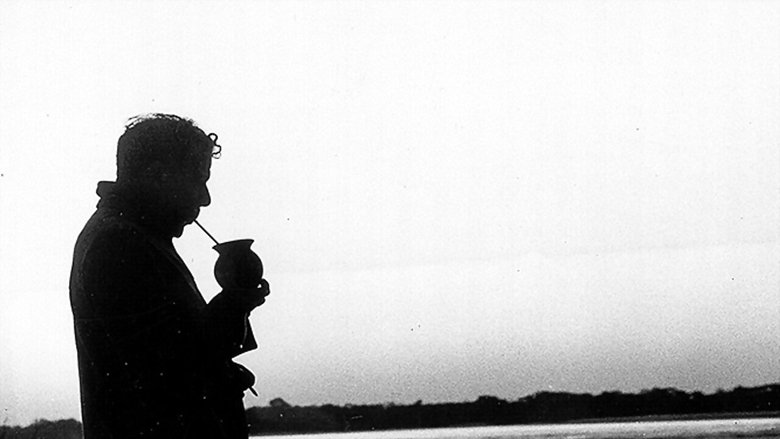
Dossiê Jango
João Goulart (known as Jango) had been democratically elected president of Brazil, but was expelled from office after the coup of April 1, 1964. After that, Jango lived in exile in Argentina, where he died in 1976. The circumstances of his death in the neighboring country were not well explained today. His body was buried immediately after his death, raising the suspicions of premeditated murder. This documentary brings the issue back to the fore and tries to publicly clarify some obscure facts of the history of Brazil.

Roberto Farias - Memórias de um Cineasta
Filmmaker Roberto Farias' passion for cinema is revealed by his daughter Marise Farias through an intimate look, from childhood to his political, economic and cultural role in Brazilian Cinema. Through Roberto Farias himself and friends such as Luís Carlos Barreto, Cacá Diegues and Zelito Viana, the film tells the stories of the director who achieved a direct dialogue with the public through successes such as O Assalto ao Trem Pagador (1962), the trilogy with singer Roberto Carlos (1968 to 1971) and Pra Frente Brasil (1982). Texts from an unpublished book of memories are interpreted by his brother, actor Reginaldo Faria.
Augusto Boal and the Theatre of the Oppressed
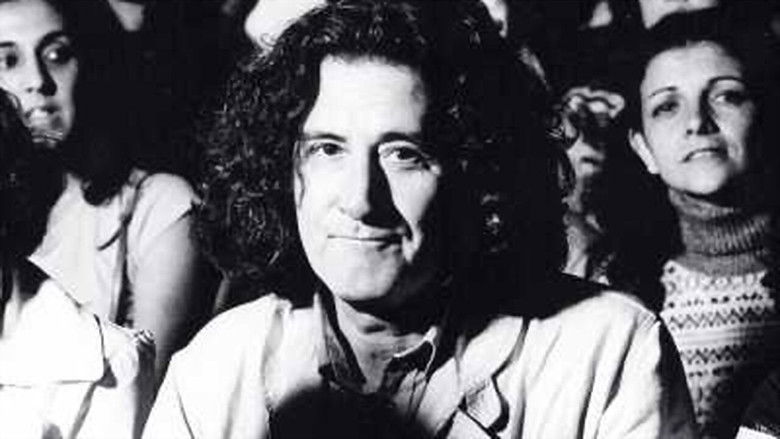
The movie "Augusto Boal and the Theatre of the Oppressed" shows the path of the dramaturgo Augusto Boal at the creation of a theatre that has as objective to transform those who participate it in a spiral of changes, in an oppressing society. Along the trajectory we see Boal's intellectual search and the transformations of the Brazilian society, from the 60s to nowadays. The spectator will meet the numerous uses of the Theatre of the Oppressed around the world (there are groups in 77 countries) and how they manifest in different situations, characterized by the relation between the oppressor and the oppressed, from the biggest to the smallest powers.
Cinema Novo
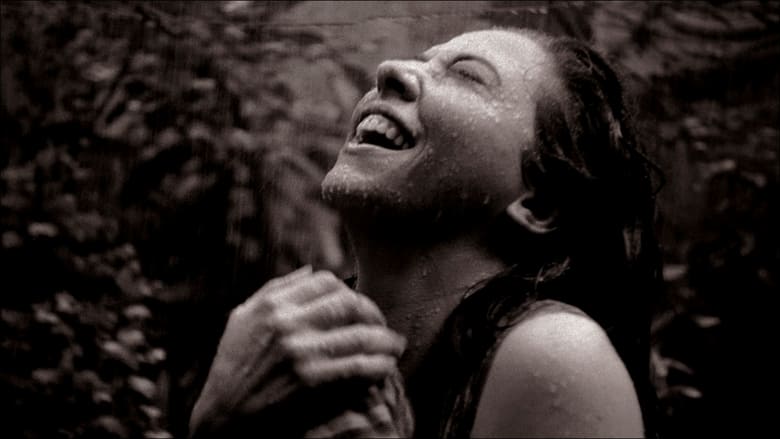
A deep investigation, in the way of a poetic essay, on one of the main Latin American movements in cinema, analyzed via the thoughts of its main authors, who invented, in the early 1960s, a new way of making movies in Brazil, with a political attitude, always near to people's problems, that combined art and revolution.

Glauber Rocha - The Movie, Brazil's Labyrinth
Documentary about Brazilian filmmaker Glauber Rocha, one of the most important names in the Cinema Novo, with interviews with some of his friends and colleagues.
Cacaso
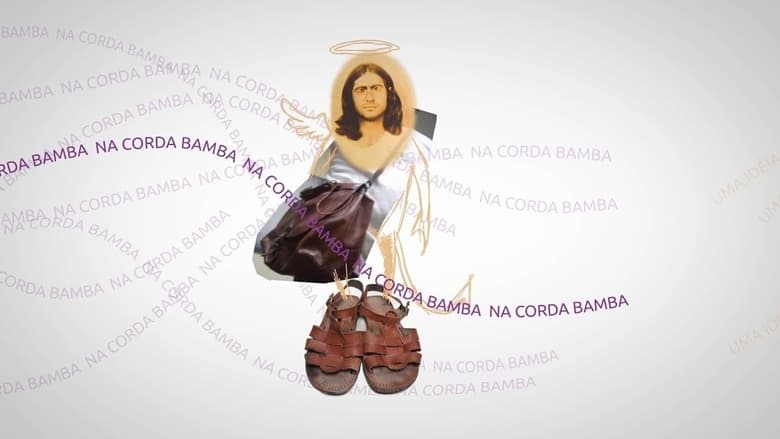
Cacaso, a Brazilian poet, lived in Rio de Janeiro. Born Antonio Carlos de Brito (1944-1987) he was one of the leaders of the marginal poetry movement. Cacaso filled notebooks not only with poems but reflections, drawings and collages. He also became a lyricist and partner of celebrated songwriters such as Tom Jobim, Edu Lobo, Toninho Horta, João Donato and Sivuca.

Depois do Transe
The documentary "Depois do Transe" covers the entire process of creating the masterpiece "Entranced Earth", which was released and awarded at the Cannes Film Festival in 1967. "Entranced Earth" charmed the world and won great admirers such as filmmaker Martin Scorsese and the writer Marguerite Duras, who at the time considered a "fabulous filmic opera."
Filmography
as Self - Filmmaker (archive footage)
as Self
as Self
as Self
as Self
as Self / Interviewee
as Self
as Dr. Zelito