
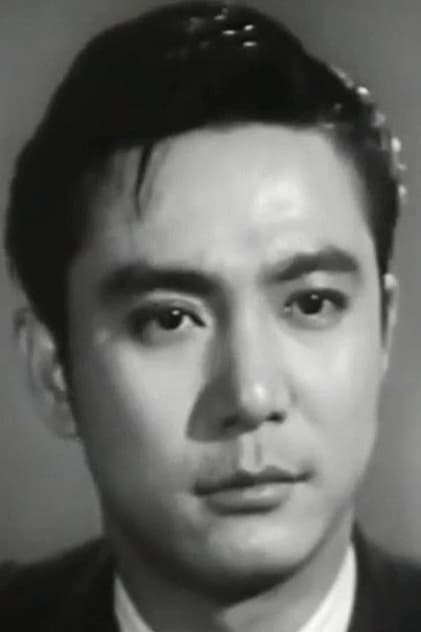
Zhao Lei
Acting
Biography
Zhao Lei (simplified Chinese: 赵雷; traditional Chinese: 趙雷) was a Chinese actor born in 1928 as Wang Yumin (王育民). He moved to Hong Kong in 1947, joined the Shaw Brothers Studio in 1953. He was one of the most popular male leads in the cinema of Hong Kong and Taiwan in the 1950s and 60s. He frequently played the role of an Emperor and is often called the "Film Emperor". He died in Hong Kong on 24 June 1996.
Born: January 1, 1928
Place of Birth: Jingzhou, Hubei Province, China
Known For
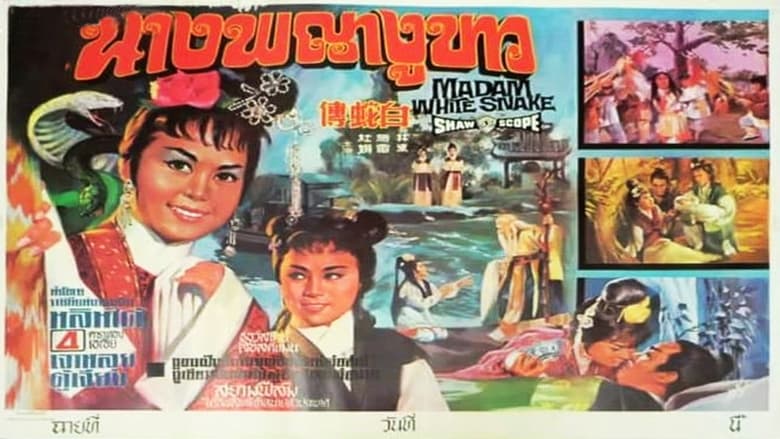
Madam White Snake
This Classic Seductive tale of two snakes who assume human forms will send chills of pleasure down viewers' backs. The Lovely Linda Lin Dai (Les Belles, The Kingdom And The Beauty) and margaret Tu Chuan (The Dream of The Red Chamber) play the two sister serpents, Pak Su-cheng and Ching Ching. Su-cheng meets Hsu Hsien (Chao Lei) one day and recognizes him as her savior in another life 1,000 years ago. She marries him to reward him but the snake-human union brings about problems beyond imagination.
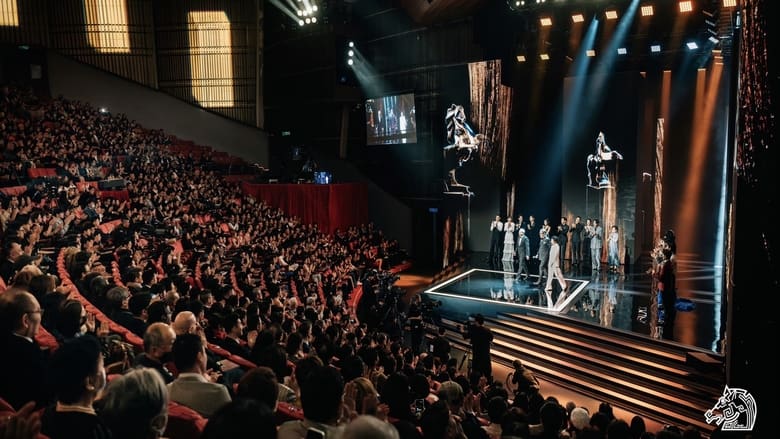
Golden Horse Awards
The Taipei Golden Horse Film Festival and Awards (Chinese: 台北金馬影展; pinyin: Táiběi Jīnmǎ Yǐngzhǎn; Pe̍h-ōe-jī: Tâi-pak Kim-má iáⁿ-tián) is a film festival and awards ceremony held annually in Taiwan. It was founded in 1962 by the Government Information Office of the Republic of China (ROC) in Taiwan. The awards ceremony is usually held in November or December in Taipei, although the event has also been held in other locations in Taiwan in recent times

He Has Taken Him for Another
A Shaw and Sons production.

Diau Charn
Based on Romance of the Three Kingdoms, Diau Charn is a sublime retelling of a familiar tale with iconic actress Linda Lin Dai (Lam Doi) in the titular role of Diau Charn, one of the four storied beauties of ancient China.
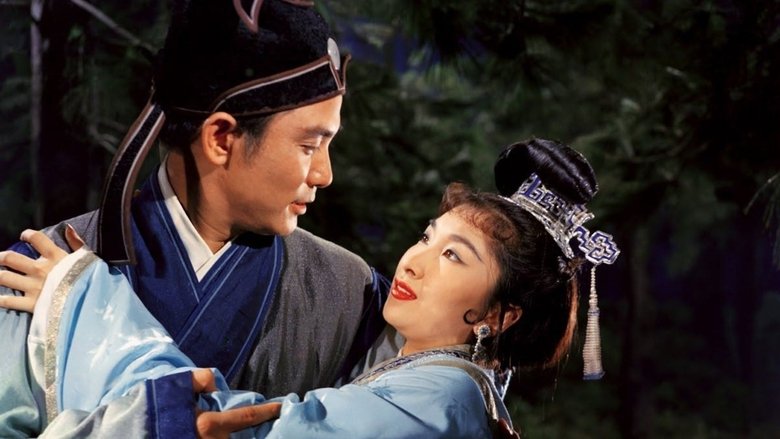
The Enchanting Shadow
A young scholar spends the night in a creepy temple that is said to be haunted. He doesn't believe in the rumors, but after running into a Taoist swordsman, he meets a beautiful lady ghost.
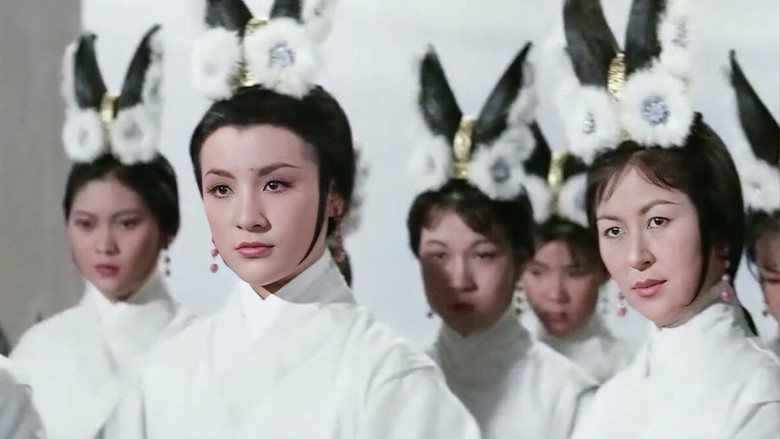
Beauty of Beauties
Hsi Shih: The Beauty of Beauties was one of the most ambitious films made in the Taiwan film industry in the 1960s. After leaving The Shaw Brothers studio in Hong Kong and moving to Taiwan, filmmaker Li Han-hsiang mounted this historical epic. Told through the story of Xishi (Hsi Shih), one of the 'Four Great Beauties' of Chinese history, the film portrays the war between two Chinese Kingdoms during the Warring States Period (475-221 B.C). After the kingdom of Yue is defeated by the kingdom of Wu, King Goujian of Yue takes pains to prepare for his revenge and rebuild his country. Knowing that King Fucha of Wu is lewd and lustful, he offers Xisi to the court of Wu to serve as Fucha’s concubine, with Fucha unaware that she is also a spy. She uses her charm to draw Fucha away from his office and governance, while King Goujian rallies his forces together to attempt to reclaim his lands.
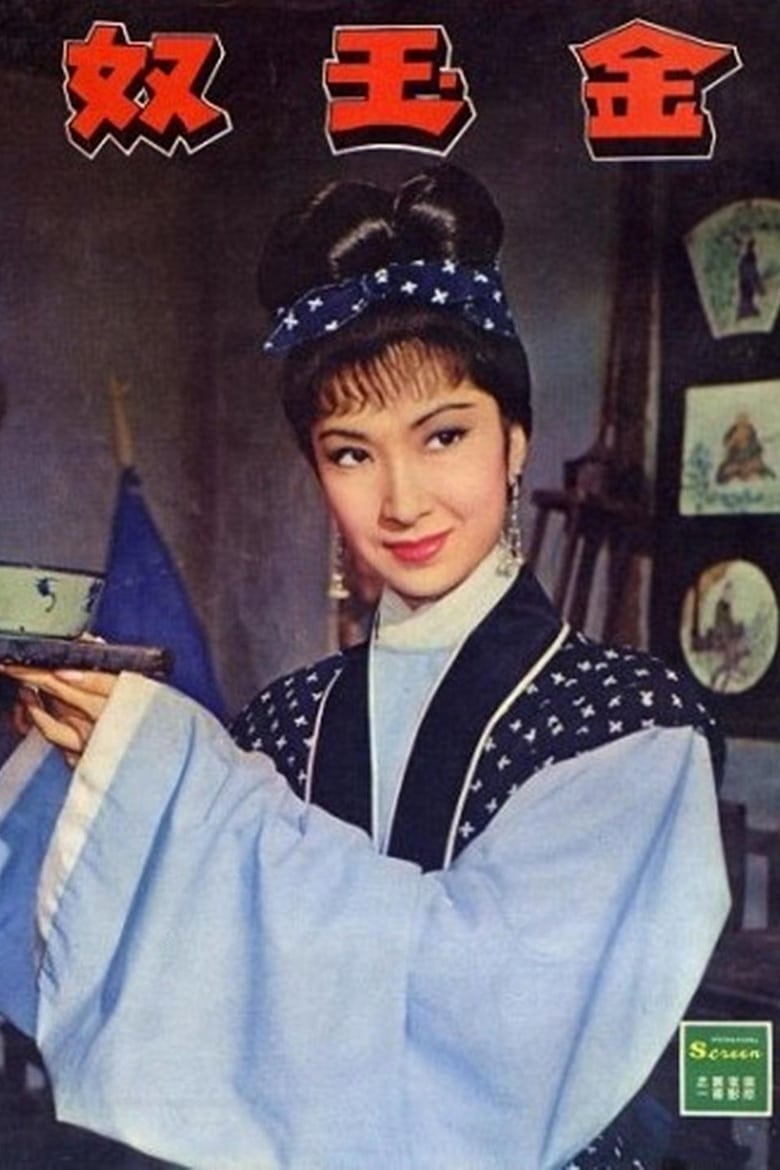
A Beggar's Daughter
This is an adaptation of the folk story, “Jin Yu Nu beats her heartless groom with a cane”. Jin Yu Nu, a beggar’s daughter, is a beautiful and kind girl. On a snowy day she saves the life of a poor scholar, Mo Ji. When Mo recovers, he marries Jin with love and gratitude. Mo wins the third place in the imperial examinations, but now he is looked down upon because his wife is a beggar's daughter. Extremely embarrassed and ashamed, Mo wants to divorce but has no excuse. Jin then jumps into the river and Mo has deep regrets but it is too late. Later, Mo’s senior Ambassador Lin appreciates his talents and wants to marry him his daughter. On the wedding night, the bride orders Mo to kneel in her room and beats him hard with a cane. Not until then does Mo know his bride is actually Jin, who has been saved by Lin. At the end, Lin knows Jin still loves Mo and helps the couple reunite.

The Magic Lamp
Adapted from one of China's most well-known fairy tales, the Goddess of Mount Hua falls in love with a young mortal scholar Liu Yanchang and gives birth to a baby son, Chenxiang. When Chenxiang grows up, he seeks to unravel the mystery surrounding his mother whom he has never met.
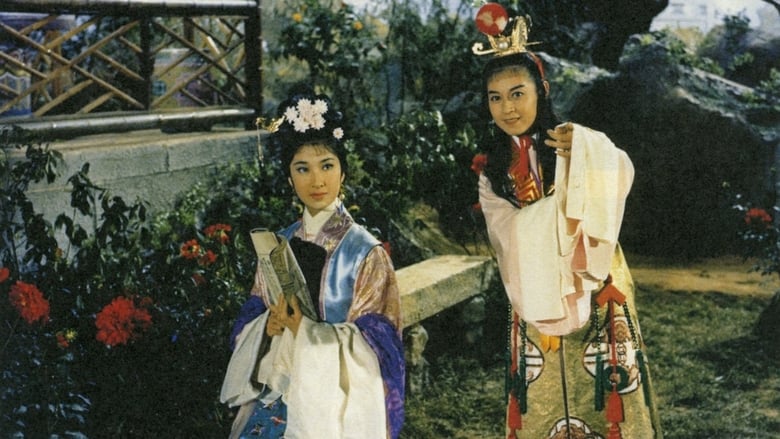
The Dream of the Red Chamber
The Ching Dynasty novel The Dream of The Red Chamber is not only the most widely read, but also the most filmed book in Chinese history. The sprawling love story has proven a challenge to many filmmakers, but this version is acclaimed as the most successful. A sumptuous feature which took three years of planning and another for production, it was a hugely popular and critical hit which still stands out as a classic of both 18th century literature and 1960s moviemaking.
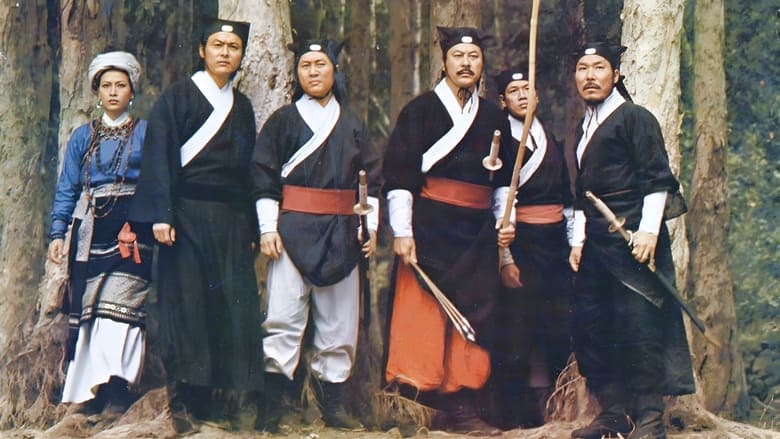
The Valiant Ones
A righteous husband-and-wife swordfighting duo struggle to protect China from the machinations of Japanese pirates and corrupt officials.
Filmography
as Boss Cao
as Captain
as Master Jia
as Emperor
as Lung's Father
as Kang Wai
as Deng Da-Shuo
as Pei Shun-Ching
as Chang Kuei-Yin
as Xie Wu-Yang
as Liu Zigu
as Archer Hòu Yì
as Mo Ji
as Emperor Yuan Ti
as Emperor Shunzhi
as Wang Chin-Lung
as Erlang, Vanguard of Heaven
as Lin Yang-Shan
as Emperor Tang Kao Tsung
as Self
as Hsu Hsien
as 2nd Master Jia Zheng
as Assassin
as Bus passenger
as Insp. Li Te-Biao
as Ning Caichen
as Chao Yung Sheng
as Chu Te Cheng
as 吕布
as Zhao Ren (Flying Trapezes King)
as Gao Lang
as Geng Hu
as Wei Zhong Hua
as Jing Shan
as Yang Wei
as Wen Zi-Yang
as Xu Dehuai